Facebook Shares User Data a 'Million Different Ways'
*By Britt Terrell*
Facebook may have a very different understanding of its users' privacy concerns than the millions of people whose personal information was shared with dozens of device makers as part of the social media company's efforts to spread its network.
"I think a lot of people have entered into agreements with Facebook without fully understanding the complete context of how this data can be used," said Damon Beres, executive editor at Mashable. "Facebook may say that someone signed their data rights away 10 years ago, but I don't think that anyone had the level of awareness about these privacy concerns that we have now."
[The New York Times reported](https://www.nytimes.com/interactive/2018/06/03/technology/facebook-device-partners-users-friends-data.html) that Facebook shared users' personal data ー and the data of those users' friends ー with dozens of device makers over the last decade. The revelation that Facebook had for years shared this information raised new privacy concerns as the company was facing greater scrutiny stemming from the Cambridge Analytica data scandal.
"I think it goes to show that Facebook has permeated a lot of how we use our devices without us really thinking about it," Beres said Monday in an interview with Cheddar. "So, these problems kind of keep springing up as people have more awareness of data privacy concerns."
In response to The Times's report, Facebook's vice president of product partnerships wrote [a blog post](https://newsroom.fb.com/news/2018/06/why-we-disagree-with-the-nyt/) that said the revelations in the latest article are different from "past concerns about the controls over Facebook information shared with third-party app developers." That's what happened with Cambridge Analytica, a political research firm that gained access to the private data of 87 million Facebook users via a third-party app.
There were no apps a decade ago when Facebook was trying to get its network into the hands of mobile users, according to Ime Archibong, the Facebook VP, so the company relied on partnerships with device makers, including Amazon, Apple, Blackberry, HTC, Microsoft, and Samsung.
"All these partnerships were built on a common interest — the desire for people to be able to use Facebook whatever their device or operating system," Archibong wrote.
Beres said that Facebook's users may not have shared those same interests, or had the same understanding as Facebook as to how their data would be used.
"Facebook's natural defense is to be very literal, but I think we need to talk more about ethics and how people can actually naturally expect how their information is being used on these services," Beres said.
For the full interview, [click here](https://cheddar.com/videos/facebooks-privacy-problems-continue).
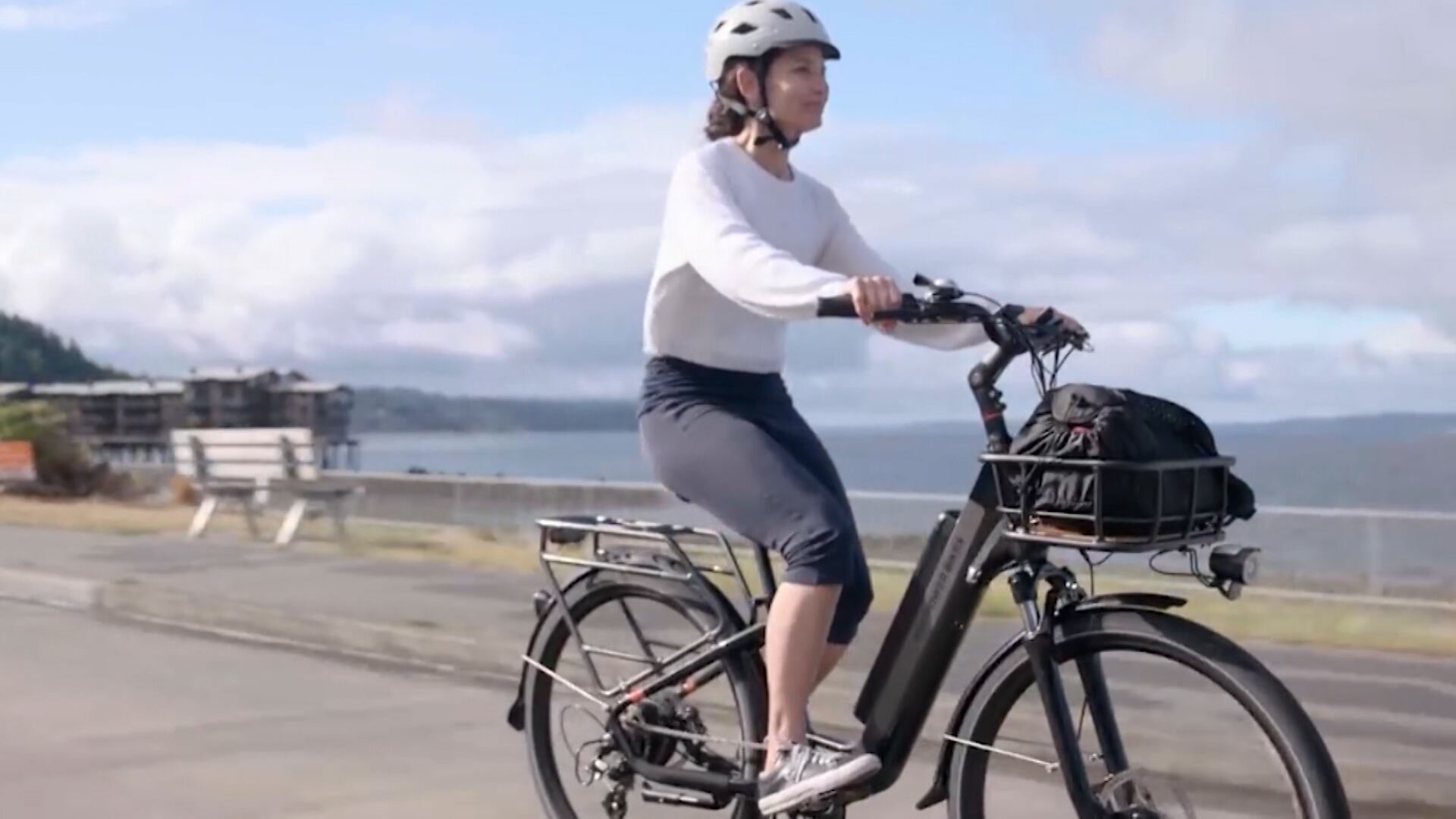
President Joe Biden's "Build Back Better" bill could mean cheaper electric bicycles and scooters as the nation attempts to shift away from gas-powered cars. Noa Banayan, the director of federal affairs at PeopleForBikes, joined Cheddar's "Closing Bell" to provide some background on the E-Bike Act included in Biden's reconciliation bill that would provide tax credits for qualified purchases. "We want to make sure, from the bike industry's perspective, that this is a technology and a product that is available to the majority of Americans who want to lower their carbon footprint and get around town faster and do everything that they would normally do in a short car trip but by bike, because it's healthier, it's fast, it's efficient, you're not in traffic," she said.
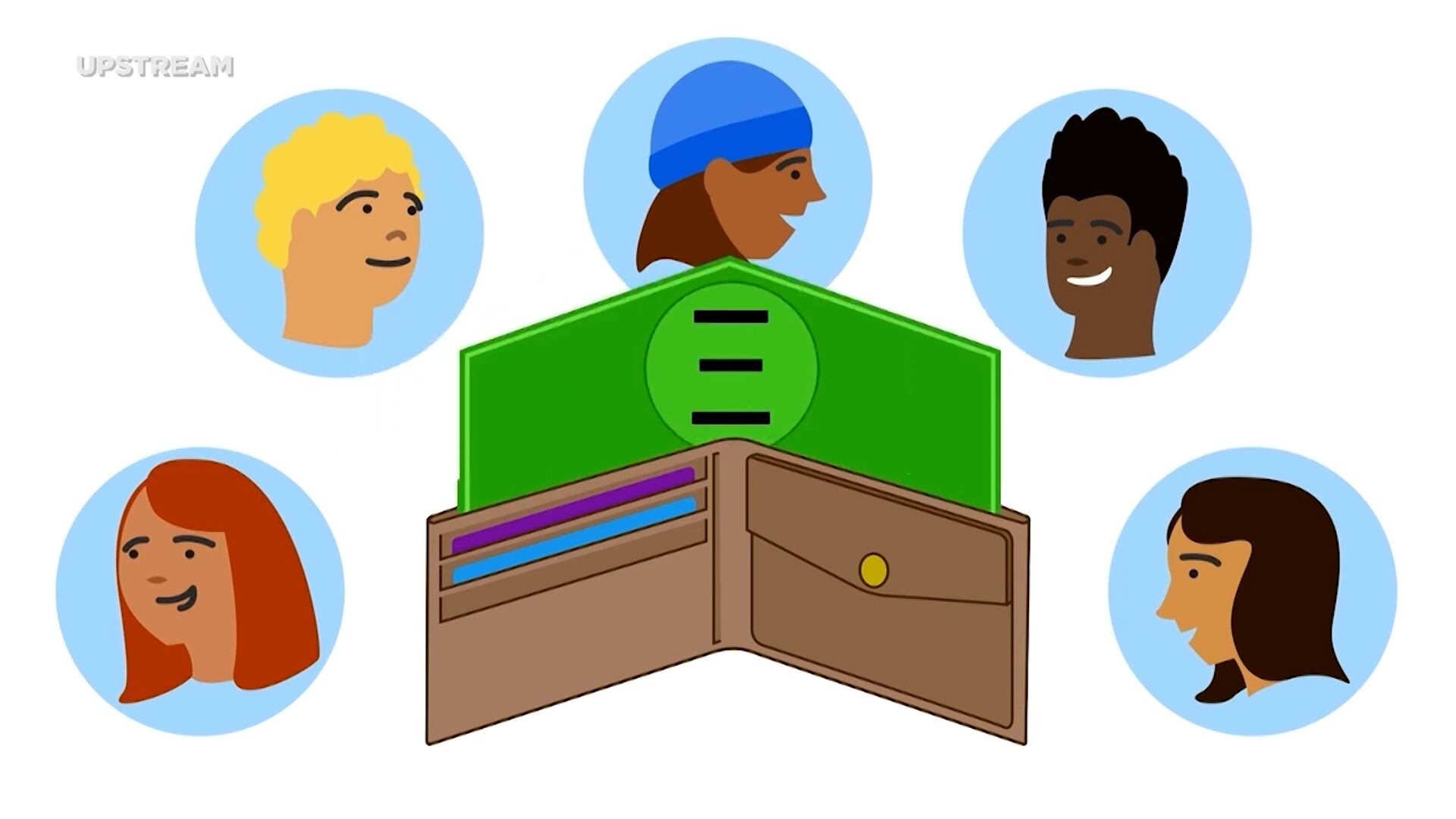
It's being called the next big trend in crypto. A decentralized autonomous organization, or DAO, is an internet community of different types of groups and businesses. The purpose is to allow people to commit funds to a specific cause in a safe way. Now, one social platform is creating a do-it-yourself kit for those who want to step into the space. Upstream Collective just launched the beta mode of its platform with the goal of putting all facets of running a DAO in one place. Alex Taub, co-founder and CEO of Upstream, joins Cheddar News to discuss.
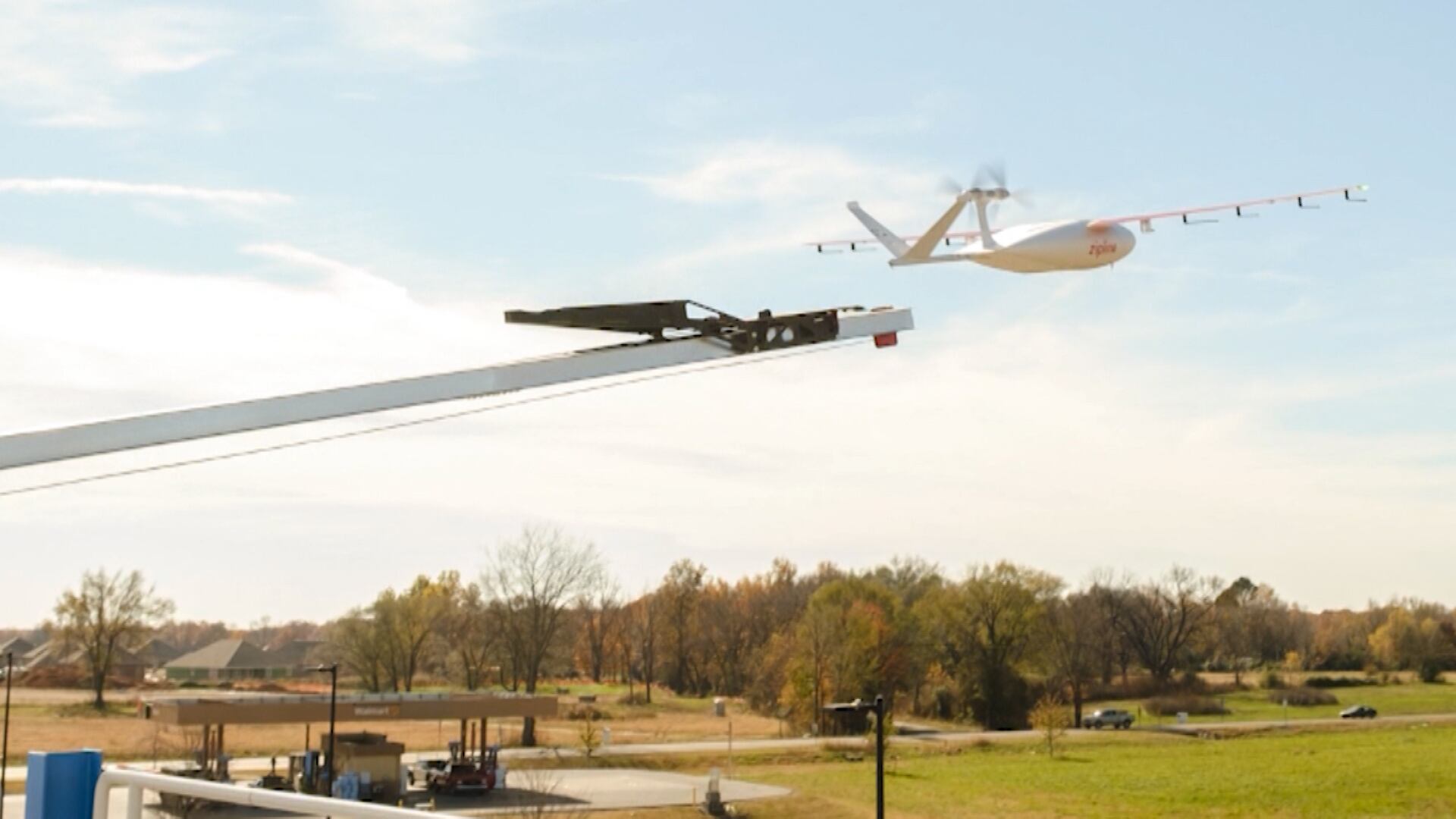
Walmart and Zipline have teamed up to launch a drone delivery service in Pea Ridge, Arkansas. The service delivers products to customers within a 50-mile radius of the store. Liam O'Connor, COO of Zipline, joins Cheddar News to talk more about the partnership.
A NASA spacecraft that will deliberately crash into an asteroid is preparing to launch this week. The goal of the DART mission, or the Double Asteroid Redirection Test, is to hit the smaller of the two asteroids, Dimorphos, with the spacecraft at about 15,000 miles per hour and see how the impact changes the asteroid’s trajectory. Joey Roulette, space reporter at The New York Times, joins Cheddar News to talk more about it.
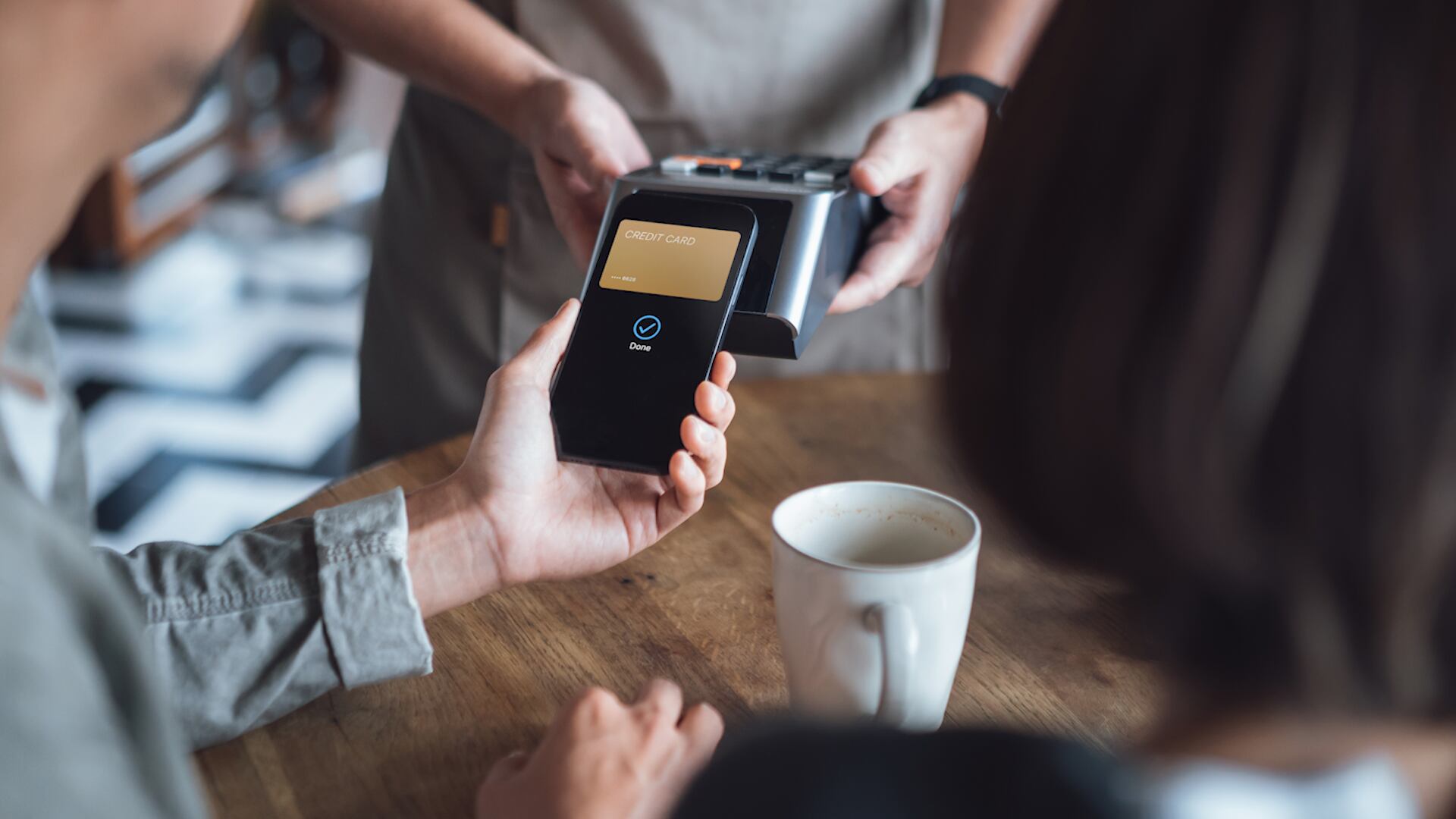
On this episode of Cheddar Reveals, Yair Nechmad, Nayax CEO, discusses the future of cashless payments, and how cashless payments give retailers a competitive edge and allow merchants to scale business; Jason Thomas, Global CEO of Tappit, breaks down how the pandemic accelerated the transition to cash-free live events, and why that trend is here to stay; Cheddar gets a look at Curiosity Steam's 'Blockchain Revolution.'
Not long ago, banning cash at a large public event would have been seen as a crazy idea that would deter sales. But our cash-free future is getting closer with the use of contactless payments being implemented in sports venues, music festivals, concerts, and more. Jason Thomas, Global CEO of Tappit, joins Cheddar Reveals to break down how the pandemic accelerated the transition to cash-free live events, and why that trend is here to stay.
Yair Nechmad, Nayax CEO, joins Cheddar Reveals to discuss the future of cashless payments, and how cashless payments give retailers a competitive edge and allow merchants to scale business.
Bentley aims to become end-to-end carbon neutral by 2030. The luxury car brand has outlined steps to achieve this goal, including switching its entire model range to plug-in hybrid or battery electric vehicles by 2026 and become fully electric by 2030. Christophe Georges, president & CEO of Bentley Americas, joined Cheddar to discuss this new pledge and what consumers can expect from future models.
ORIGYN Foundation, an NFT authentication start-up based in Switzerland, has secured $20 million in funding from investors like Paris Hilton, Bill Ackman, and Polychain Capital, among others. The non-profit, now valued at $300 million, uses AI technology to verify non-fungible tokens across art, collectibles, digital media and luxury goods. Daniel Haudenschild, CEO of ORIGYN Entreprise, discusses how the money will help put power back into the hands of artists, creators, and collectors.