Facebook Shares User Data a 'Million Different Ways'
*By Britt Terrell*
Facebook may have a very different understanding of its users' privacy concerns than the millions of people whose personal information was shared with dozens of device makers as part of the social media company's efforts to spread its network.
"I think a lot of people have entered into agreements with Facebook without fully understanding the complete context of how this data can be used," said Damon Beres, executive editor at Mashable. "Facebook may say that someone signed their data rights away 10 years ago, but I don't think that anyone had the level of awareness about these privacy concerns that we have now."
[The New York Times reported](https://www.nytimes.com/interactive/2018/06/03/technology/facebook-device-partners-users-friends-data.html) that Facebook shared users' personal data ー and the data of those users' friends ー with dozens of device makers over the last decade. The revelation that Facebook had for years shared this information raised new privacy concerns as the company was facing greater scrutiny stemming from the Cambridge Analytica data scandal.
"I think it goes to show that Facebook has permeated a lot of how we use our devices without us really thinking about it," Beres said Monday in an interview with Cheddar. "So, these problems kind of keep springing up as people have more awareness of data privacy concerns."
In response to The Times's report, Facebook's vice president of product partnerships wrote [a blog post](https://newsroom.fb.com/news/2018/06/why-we-disagree-with-the-nyt/) that said the revelations in the latest article are different from "past concerns about the controls over Facebook information shared with third-party app developers." That's what happened with Cambridge Analytica, a political research firm that gained access to the private data of 87 million Facebook users via a third-party app.
There were no apps a decade ago when Facebook was trying to get its network into the hands of mobile users, according to Ime Archibong, the Facebook VP, so the company relied on partnerships with device makers, including Amazon, Apple, Blackberry, HTC, Microsoft, and Samsung.
"All these partnerships were built on a common interest — the desire for people to be able to use Facebook whatever their device or operating system," Archibong wrote.
Beres said that Facebook's users may not have shared those same interests, or had the same understanding as Facebook as to how their data would be used.
"Facebook's natural defense is to be very literal, but I think we need to talk more about ethics and how people can actually naturally expect how their information is being used on these services," Beres said.
For the full interview, [click here](https://cheddar.com/videos/facebooks-privacy-problems-continue).
Phyllis Newhouse, the first black woman to bring a company public via SPAC on the NYSE earlier this year, has launched her second SPAC, ShoulderUp Technology Acquisition.
Phyllis is a serial entrepreneur, retired military officer, and founder of the ShoulderUp movement, which educates and encourages women around the world to reach their greatest economic, political and cultural potential. Shawn Henry is part of the ShoulderUp team, bringing his expertise on cybersecurity to the new company. Both Phyllis and Shawn joined Cheddar to discuss this new venture and how it plans to tackle the issue of cybercrime.
Don Basile, CEO, Monsoon Blockchain & Founder of Bitcoin Latinum, joins Cheddar News' Closing Bell, where he explains why we're seeing major crypto investors look to purchase expensive pieces of art, and discusses what the NFT space could look like in the not-too-distant future.
Jack Constantine, chief digital officer and product inventor at Lush, joined Cheddar to talk about the cosmetic company's mass exodus from major social media platforms TikTok, Facebook, Instagram, and Snapchat, in the wake of recent reports that Instagram specifically had negative impacts on teen girls. He noted that with teenage girls being a large part of its consumer base and audience, Lush had a responsibility to market its company on outlets that prioritize mental wellbeing. "For us, we've always been a social brand, and it started to feel that social media was no longer offering what we felt we wanted to gain from it," he said. "And then obviously when you add that to the damage that it's causing, it just feels like a combination that we can't continue on with." The company also pulled out of social media platforms in 2019.
Jon Lowen, Co-Founder of Surfside, joined Wake Up With Cheddar's Baker Machado to discuss Uber's partnership with cannabis retailer Tokyo Smoke, as it's the first time a cannabis merchant has been listed on UberEats across all of its global markets.
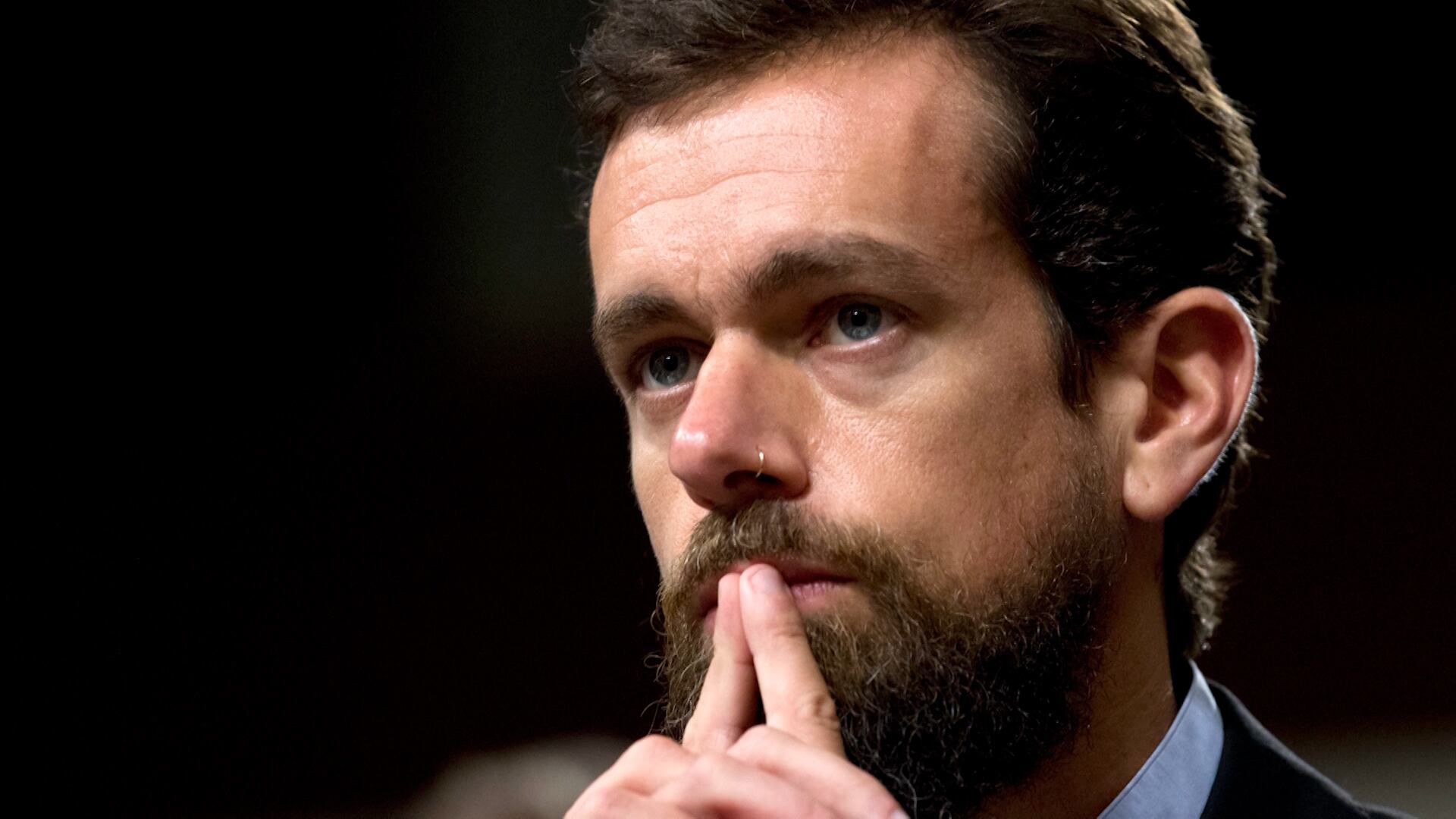
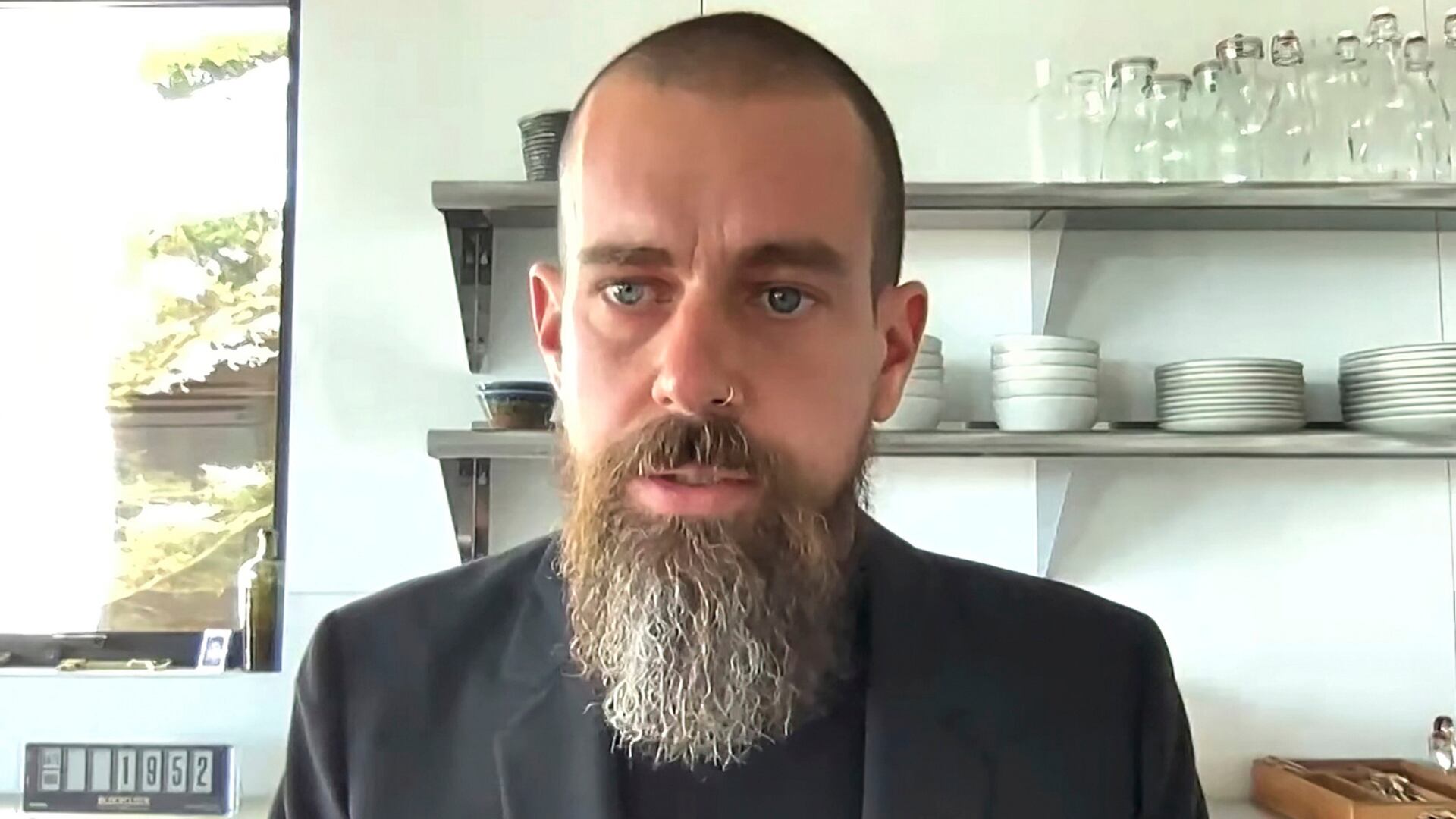
Jack Dorsey resigned from his post as CEO of the social media company on Monday and will be replaced by chief technology officer Parag Agrawal. Mitch Rubin, portfolio manager at RiverPark Long/Short Opportunity Fund, joined Cheddar to break down the move and what it means for investors in both Twitter and Square, the payment company that Dorsey also helms. "For the long-term, I think this is very positive news for both companies," he said. Rubin also talked about growing competition in the social media space and why Twitter continues to lag behind other major players.
Jack Dorsey is officially out as Twitter's CEO. Dorsey said in a statement that the platform is ready to move away from its founders and now will be led by current CTO Parag Agrawal.
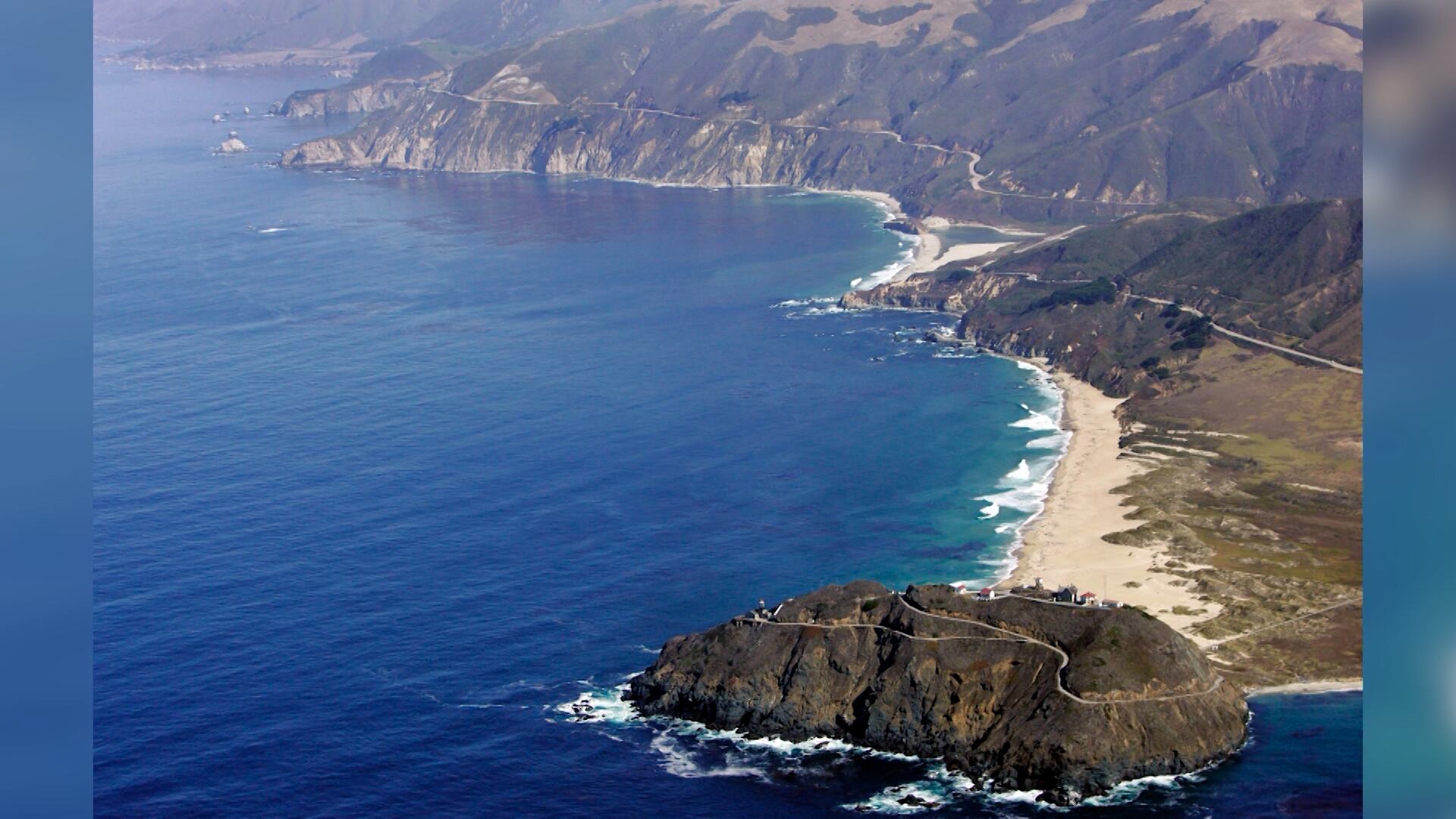
The ocean is an important topic when it comes to the climate. It plays a vital role in shaping our environment, with rising sea levels causing a 35% increase in natural disasters around the world, affecting 1.7 billion people. Dr. Sylvia Earle has been called perhaps the greatest advocate our oceans have ever had, with Time magazine dubbing her its first 'hero of the planet' and the Library of Congress naming her a living legend. She is also the founder of Mission Blue, an organization that inspires action to explore and protect the ocean. Dr. Earle joined Cheddar Climate for more on the importance of caring for the ocean and its impact on climate change.