Facebook Shares User Data a 'Million Different Ways'
*By Britt Terrell*
Facebook may have a very different understanding of its users' privacy concerns than the millions of people whose personal information was shared with dozens of device makers as part of the social media company's efforts to spread its network.
"I think a lot of people have entered into agreements with Facebook without fully understanding the complete context of how this data can be used," said Damon Beres, executive editor at Mashable. "Facebook may say that someone signed their data rights away 10 years ago, but I don't think that anyone had the level of awareness about these privacy concerns that we have now."
[The New York Times reported](https://www.nytimes.com/interactive/2018/06/03/technology/facebook-device-partners-users-friends-data.html) that Facebook shared users' personal data ー and the data of those users' friends ー with dozens of device makers over the last decade. The revelation that Facebook had for years shared this information raised new privacy concerns as the company was facing greater scrutiny stemming from the Cambridge Analytica data scandal.
"I think it goes to show that Facebook has permeated a lot of how we use our devices without us really thinking about it," Beres said Monday in an interview with Cheddar. "So, these problems kind of keep springing up as people have more awareness of data privacy concerns."
In response to The Times's report, Facebook's vice president of product partnerships wrote [a blog post](https://newsroom.fb.com/news/2018/06/why-we-disagree-with-the-nyt/) that said the revelations in the latest article are different from "past concerns about the controls over Facebook information shared with third-party app developers." That's what happened with Cambridge Analytica, a political research firm that gained access to the private data of 87 million Facebook users via a third-party app.
There were no apps a decade ago when Facebook was trying to get its network into the hands of mobile users, according to Ime Archibong, the Facebook VP, so the company relied on partnerships with device makers, including Amazon, Apple, Blackberry, HTC, Microsoft, and Samsung.
"All these partnerships were built on a common interest — the desire for people to be able to use Facebook whatever their device or operating system," Archibong wrote.
Beres said that Facebook's users may not have shared those same interests, or had the same understanding as Facebook as to how their data would be used.
"Facebook's natural defense is to be very literal, but I think we need to talk more about ethics and how people can actually naturally expect how their information is being used on these services," Beres said.
For the full interview, [click here](https://cheddar.com/videos/facebooks-privacy-problems-continue).
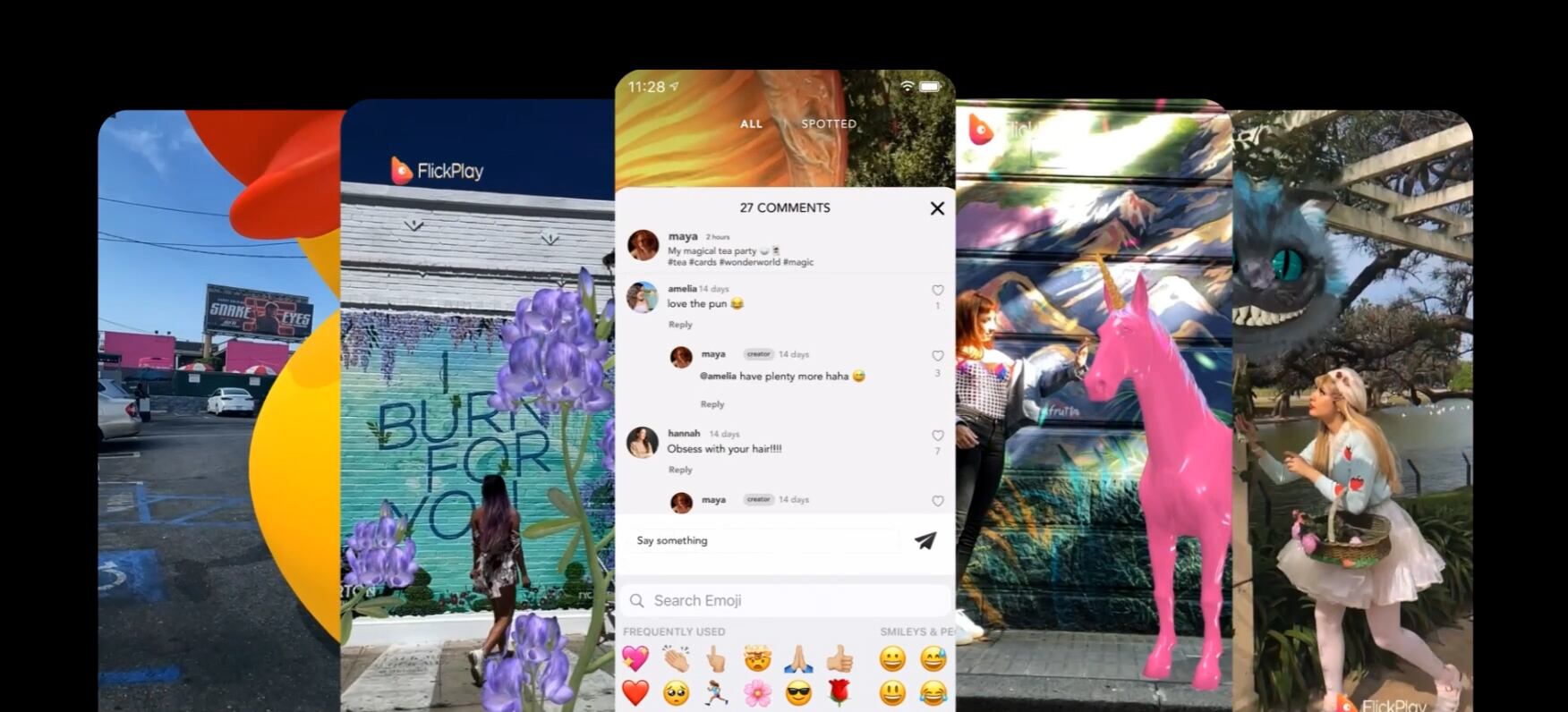
Visitors in Santa Monica are now getting a whole new look into the new metaverse world. Starting on December 1st, the Downtown Santa Monica District Is Getting Fully Immersed in AR and VR. It's All in Partnership with 'Flick Play' which is the first-ever 'Play to Earn' Metaverse App that Basically Takes the Gamification of 'Pokemon Go' and combines It with more social aspects of an App like Tiktok. Founder of the FlickPlay App Pierina Merino, joined Cheddar to discuss more.
On a platform as massive as TikTok, there are bound to be some negative implications. While we know that social media sites can have harmful health effects for teens and adolescents, the research on TikTok's health effects is slim to none. Skye Barbic, assistant professor at the University of British Columbia joins Cheddar News.
If your kid was on Santa's "nice list" this year, maybe you're willing to shell out $1,900 for Tesla's new Cyberquad. The automaker's all-electric ATV for children 8 years old and up is available to order now and is expected to begin shipping in two to four weeks.
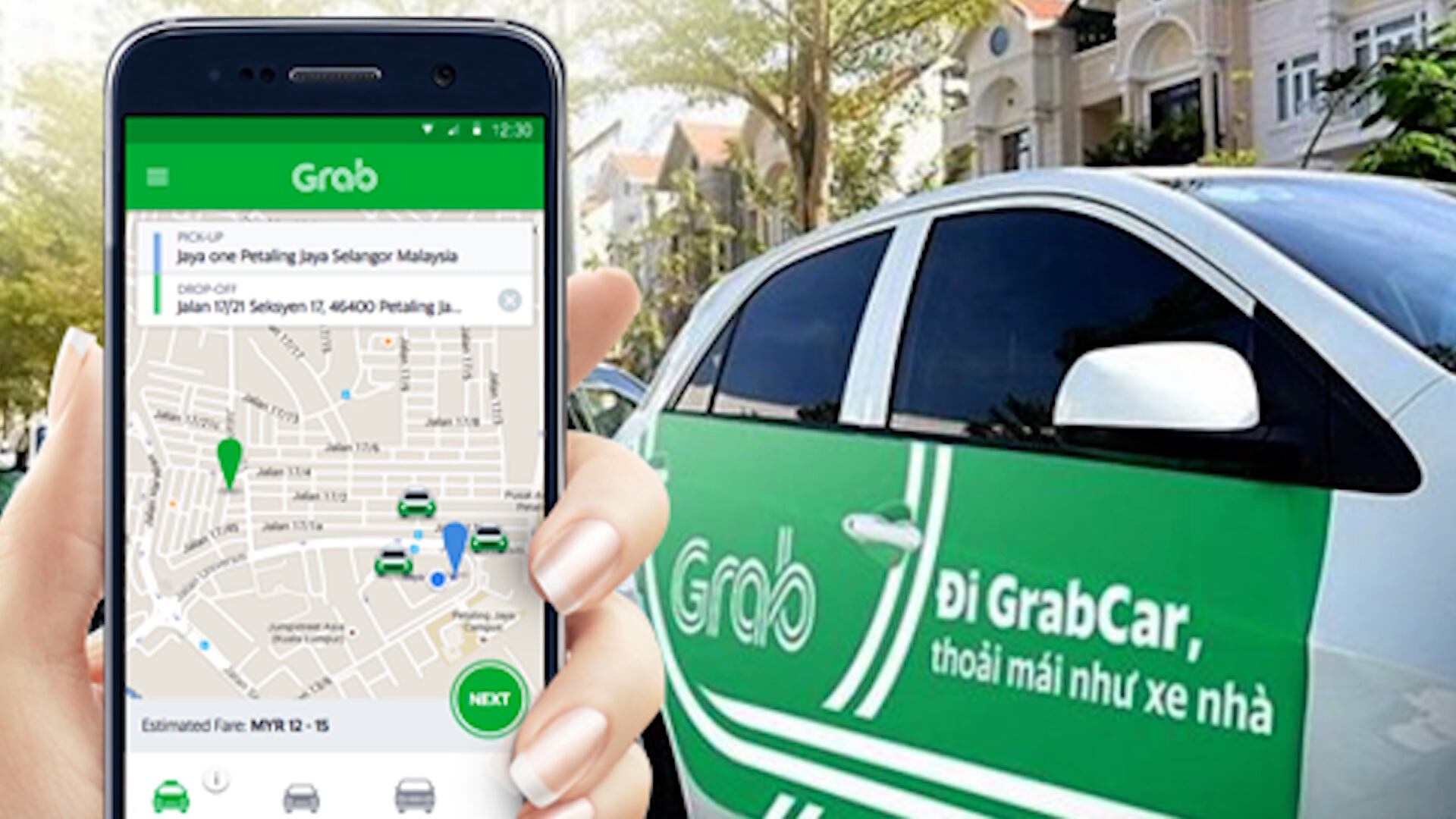
Grab, a Southeast Asia-based ride sharing, e-wallet, and delivery service, made its public debut on the Nasdaq via SPAC merger. CFO Peter Oey joined Cheddar's Brad Smith to talk about the IPO and why it was an ideal time for the company to go public. Oey noted that while Grab operates in 465 cities in eight Southeast Asian countries, there is still more opportunity to grow and expand while balancing profitability and growth.
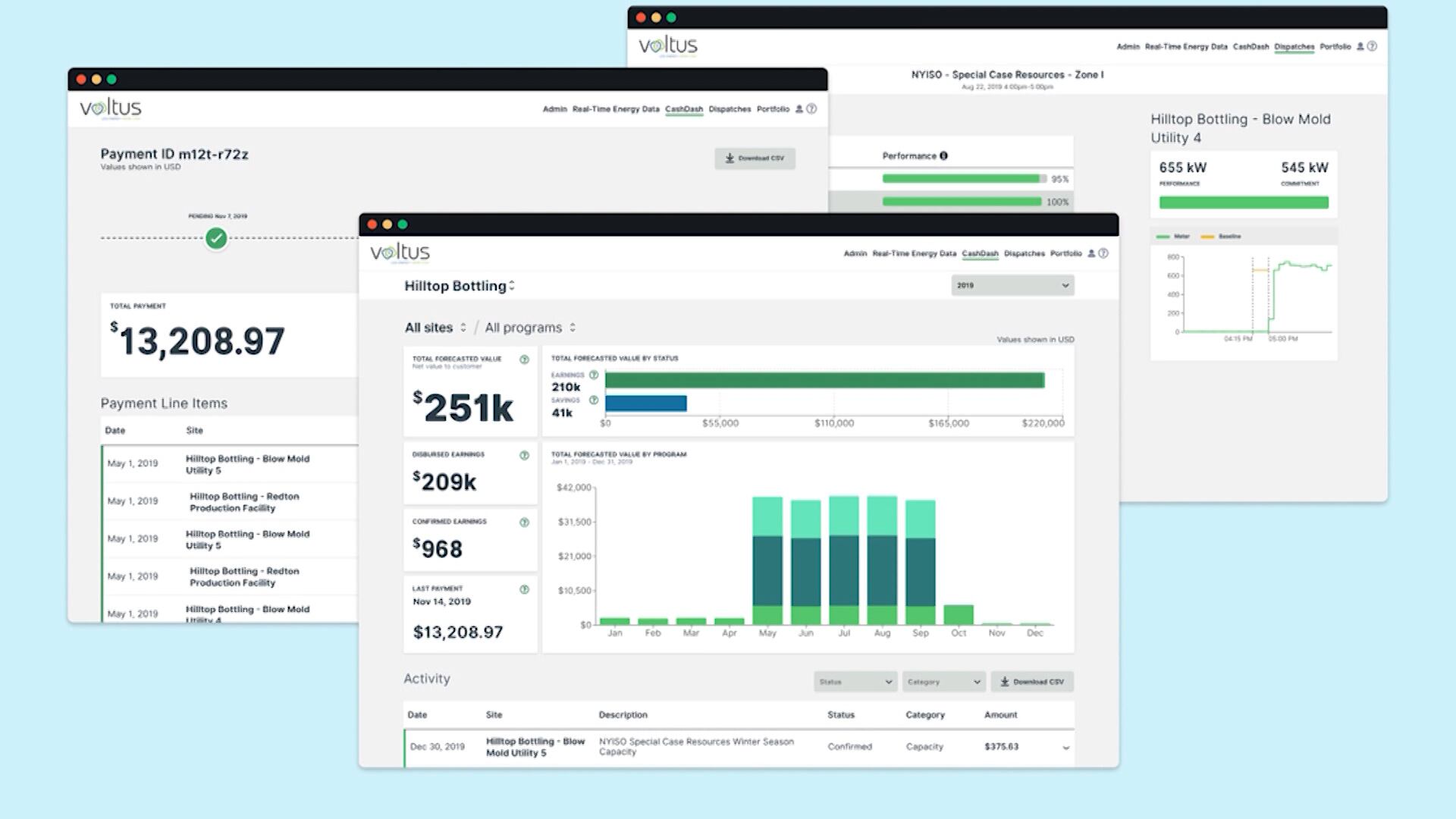
Voltus is going public by combining with a special purpose acquisition company, Broadscale Acquisition Corp., in a deal that values the electricity market technology startup at about $1.3 billion dollars. The company aims to deliver less expensive, more reliable, and more sustainable electricity to its more than 600 customers, including Home Depot, Coca-Cola, and Simon Property Group. Gregg Dixon, co-founder and CEO of Voltus and Andrew Shapiro, chairman and CEO of Broadscale Acquisition Corp., joined Cheddar News to discuss the deal.
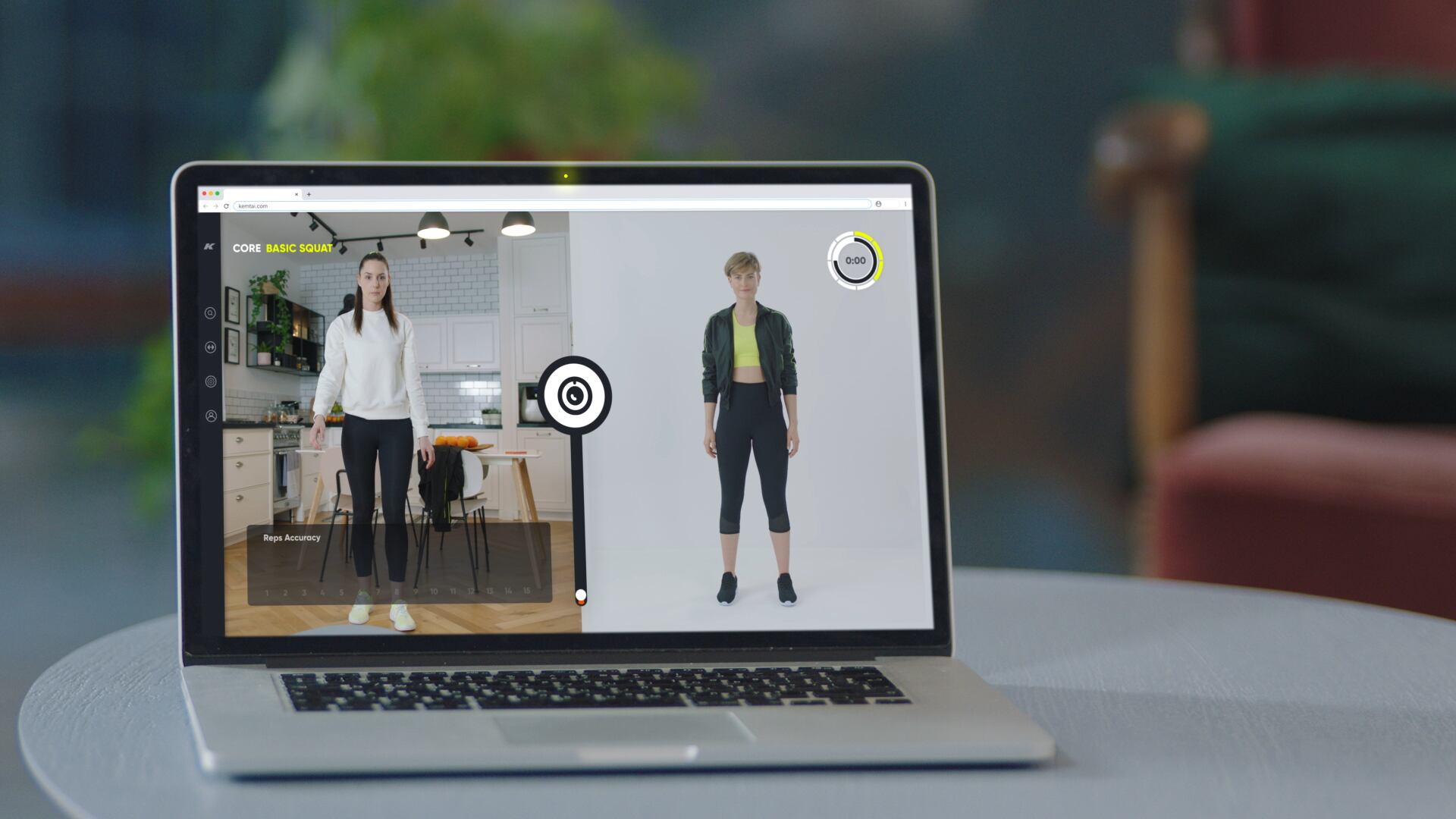
On this episode of Cheddar Innovates: Kemtai Co-Founder breaks down how computer vision and artificial intelligence can improve your workout form; Wove Co-Founder explains how it's creating a one-of-a-kind engagement ring design process; A look at Curiosity Stream's 'History By The Numbers.'
Mike Telem, Co-Founder at Kemtai, joins Cheddar Innovates to discuss how the platform is using computer vision and artificial intelligence as a virtual personal trainer through a laptop's camera, and how this technology can be adapted for physical therapy.
Fintech company Square, led by the now-former Twitter CEO Jack Dorsey, will undergo a name change to Block as it expands its product offerings and goes beyond just a payment processing platform into blockchain and crypto spaces.
Jill and Carlo discuss what appears to be the beginning of the end of Roe v. Wade, another victim dies following the school shooting in Michigan, Omicron in the U.S., Trump's Covid chronology and more.