Facebook Shares User Data a 'Million Different Ways'
*By Britt Terrell*
Facebook may have a very different understanding of its users' privacy concerns than the millions of people whose personal information was shared with dozens of device makers as part of the social media company's efforts to spread its network.
"I think a lot of people have entered into agreements with Facebook without fully understanding the complete context of how this data can be used," said Damon Beres, executive editor at Mashable. "Facebook may say that someone signed their data rights away 10 years ago, but I don't think that anyone had the level of awareness about these privacy concerns that we have now."
[The New York Times reported](https://www.nytimes.com/interactive/2018/06/03/technology/facebook-device-partners-users-friends-data.html) that Facebook shared users' personal data ー and the data of those users' friends ー with dozens of device makers over the last decade. The revelation that Facebook had for years shared this information raised new privacy concerns as the company was facing greater scrutiny stemming from the Cambridge Analytica data scandal.
"I think it goes to show that Facebook has permeated a lot of how we use our devices without us really thinking about it," Beres said Monday in an interview with Cheddar. "So, these problems kind of keep springing up as people have more awareness of data privacy concerns."
In response to The Times's report, Facebook's vice president of product partnerships wrote [a blog post](https://newsroom.fb.com/news/2018/06/why-we-disagree-with-the-nyt/) that said the revelations in the latest article are different from "past concerns about the controls over Facebook information shared with third-party app developers." That's what happened with Cambridge Analytica, a political research firm that gained access to the private data of 87 million Facebook users via a third-party app.
There were no apps a decade ago when Facebook was trying to get its network into the hands of mobile users, according to Ime Archibong, the Facebook VP, so the company relied on partnerships with device makers, including Amazon, Apple, Blackberry, HTC, Microsoft, and Samsung.
"All these partnerships were built on a common interest — the desire for people to be able to use Facebook whatever their device or operating system," Archibong wrote.
Beres said that Facebook's users may not have shared those same interests, or had the same understanding as Facebook as to how their data would be used.
"Facebook's natural defense is to be very literal, but I think we need to talk more about ethics and how people can actually naturally expect how their information is being used on these services," Beres said.
For the full interview, [click here](https://cheddar.com/videos/facebooks-privacy-problems-continue).
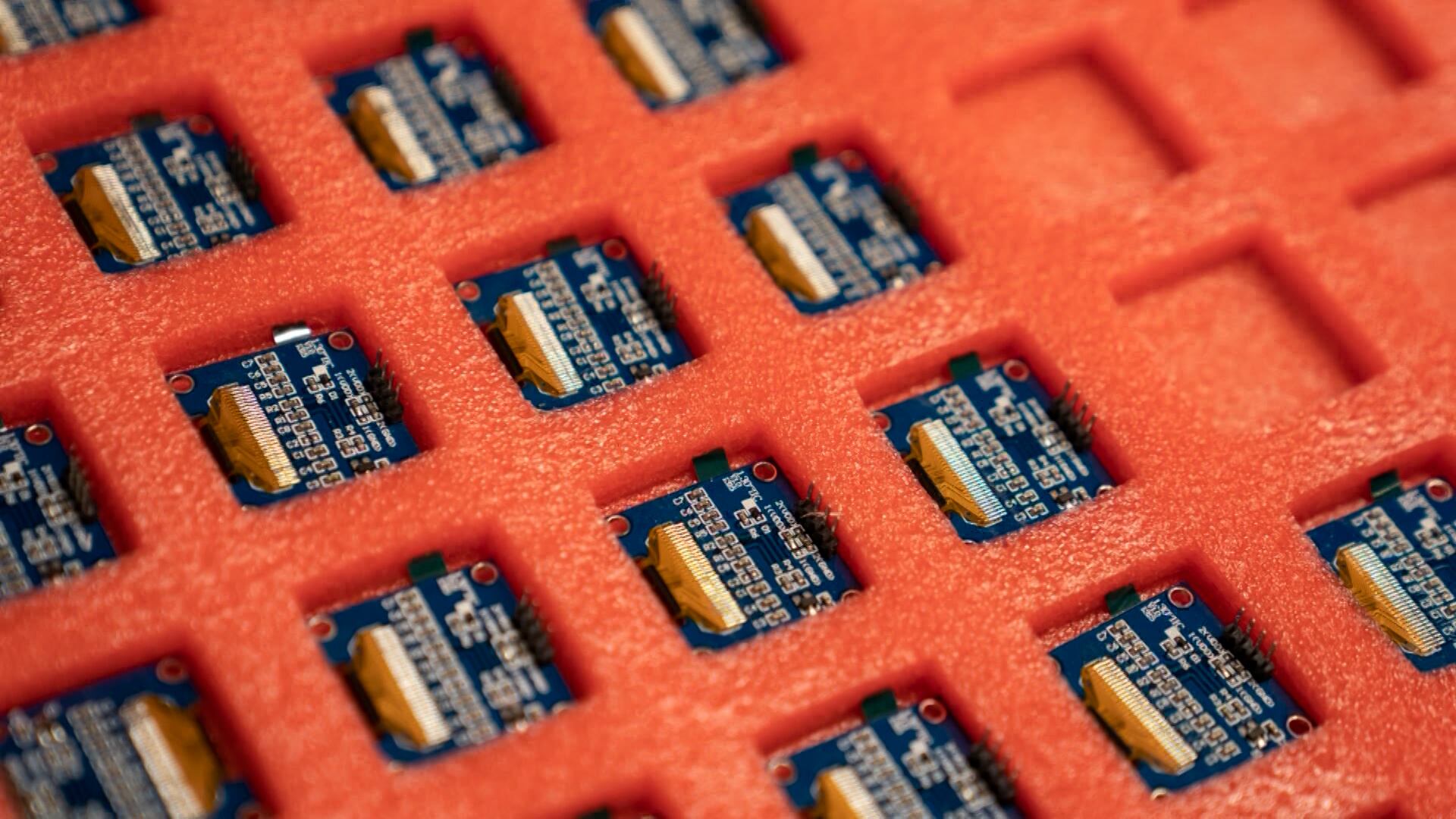
Daniel Newman, Founding Partner and Principal Analyst at Futurum Research, joins Cheddar News' Closing Bell, where he says the markets are going to feel very uncomfortable receiving news of more potential setbacks for chip manufacturers after already enduring a lengthy chip shortage.
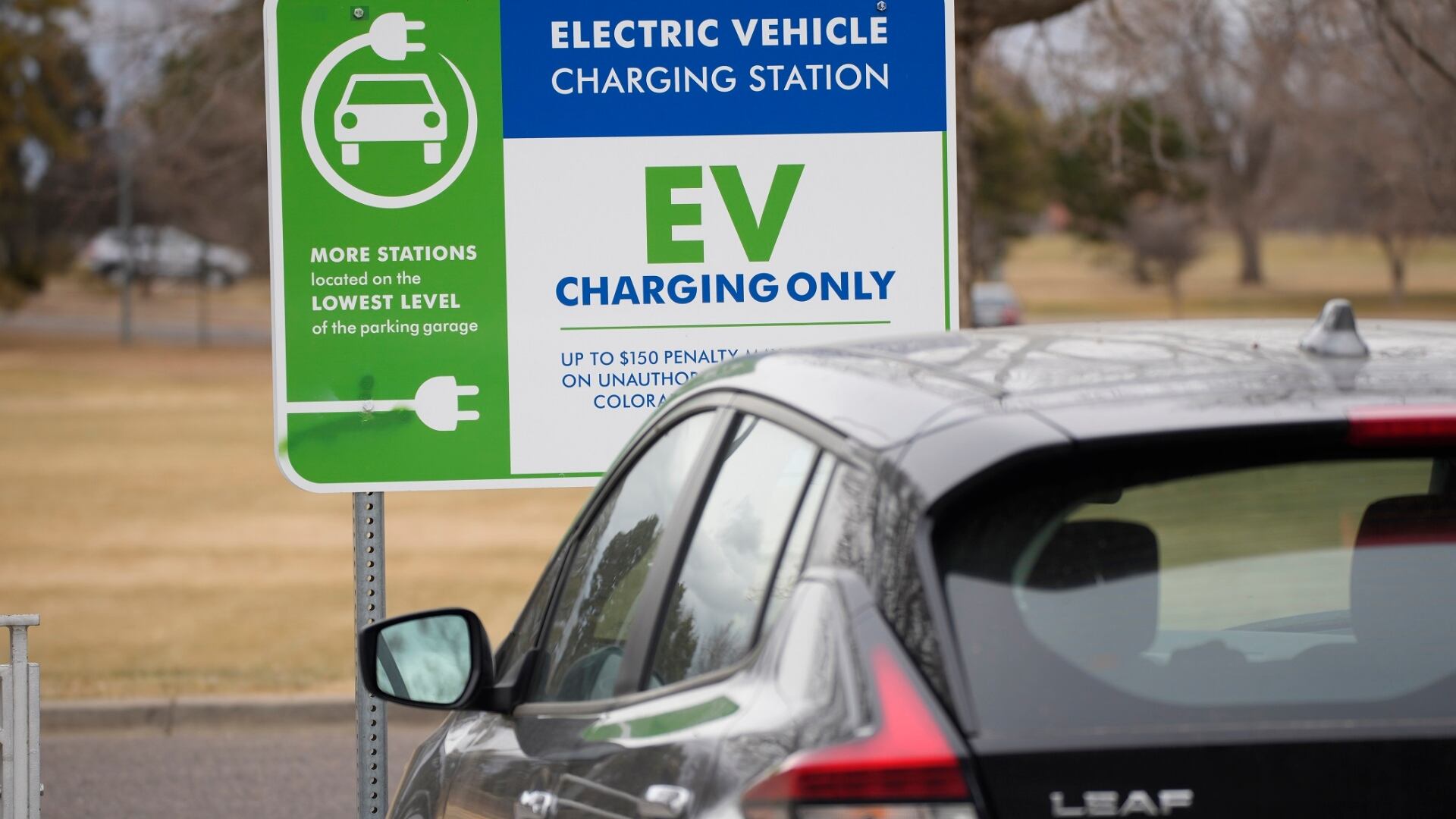
The federal government and numerous industries have been preparing for a greener future, setting goals to reduce greenhouse emissions by switching to electric vehicles. But the next hurdle to clear is convincing the wider public to get on board. Arun Kumar, managing director in automotive practice at AlixPartners, spoke to Cheddar's Ken Buffa about consumer trends related to EV transition and said he believes a widespread switch is imminent in 2022. Despite this, he acknowledged there are still significant obstacles to overcome, including high prices and more charging stations. "Without charging infrastructure, people are going to struggle with increasing adoption of electric vehicles in the future," Kumar told Cheddar. "I think by 2030 our estimate is that about a million chargers need to be put in place nationally in the U.S."
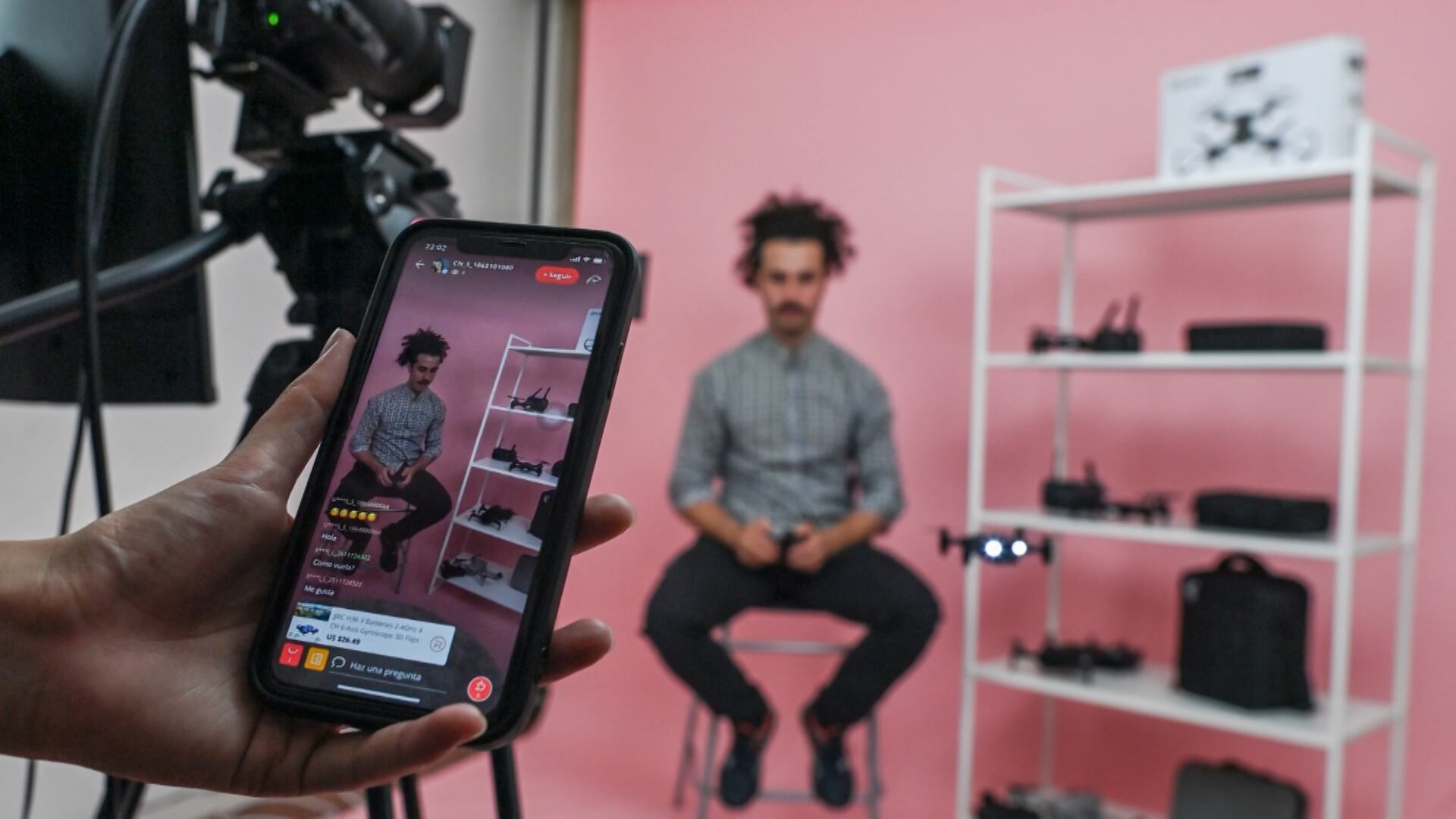
The pandemic has supercharged the creator economy, and there are no signs of it slowing down no matter when the pandemic officially ends. Creators prove to be a key factor in driving purchasing decisions and retail sales, and an increasing amount of platforms are taking advantage of the social influence. Karissa Bell, senior editor at Engadget, joins cheddar news to discuss the creator economy boom.
The National Women's Soccer League is partnering with Voyager Digital as its first-ever cryptocurrency brokerage in a multi-year deal. Marla Messing, interim CEO of the NWSL, and Steve Ehrlich, CEO of Voyager Digital, joined Cheddar to discuss benefitting the league and educating players and fans as a way of democratizing cryptocurrency. Messing explained that the players themselves will own half the assets as part of how the deal is structured. "My hope is, just in terms of the expectations of crypto over the long term, that I hope a lot of them are able to just let it sit there," she said. "And that one day this will be a nice retirement account for them."
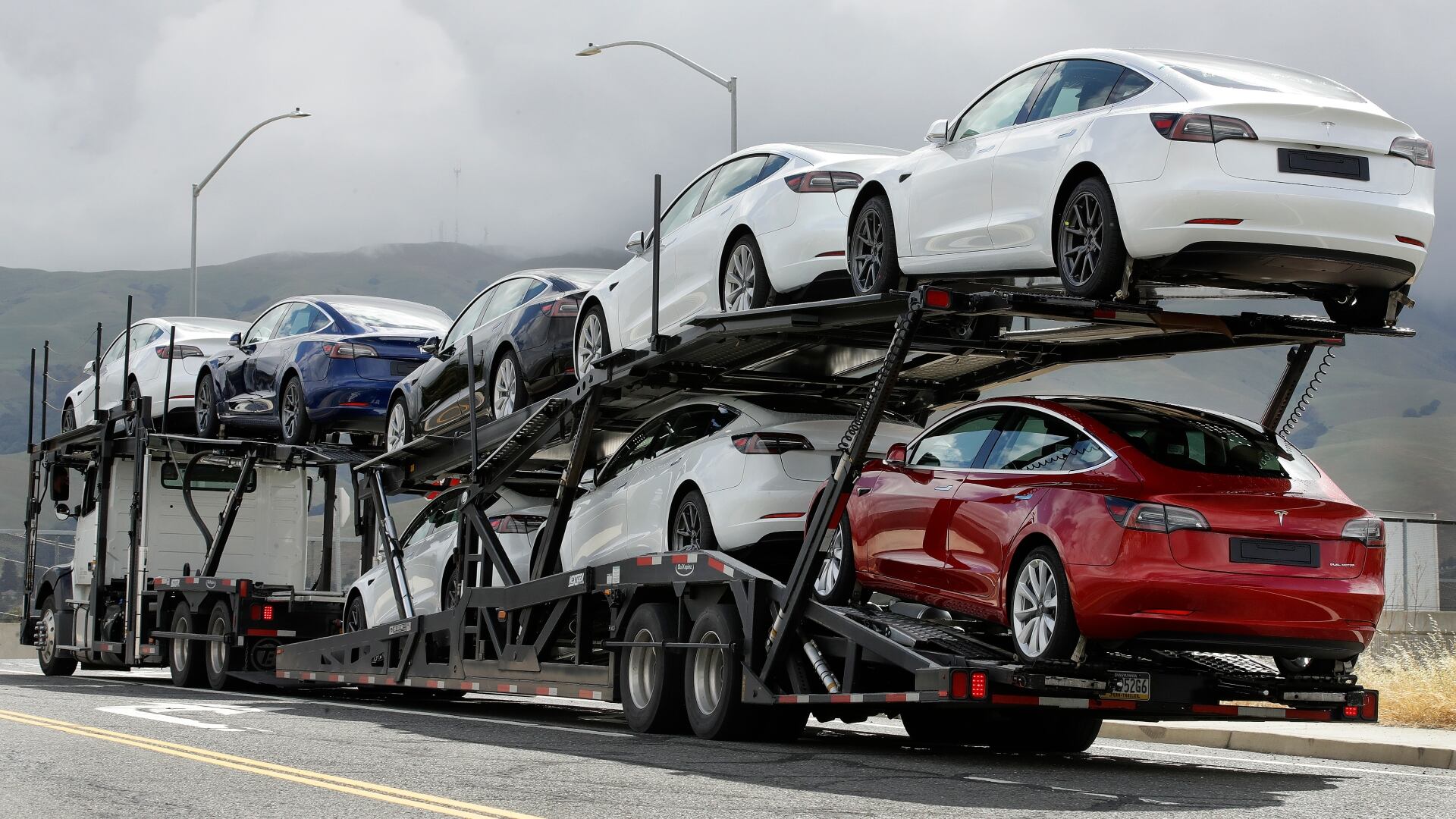
The E-V maker Tesla has had a wild year. The company managed to continue to dominate the U.S. electric vehicle space despite growing competition and production delays. As the end comes to an end, Tesla finds itself growing richer and richer. Author of Risk Ritual Newsletter Richard Smith, joined Cheddar to discuss more.
Paul Travers, CEO of Vuzix, joins Cheddar News to discuss the different scenarios that its augmented reality smart glasses can be used for and his outlook for this technology in 2022.