Facebook Shares User Data a 'Million Different Ways'
*By Britt Terrell*
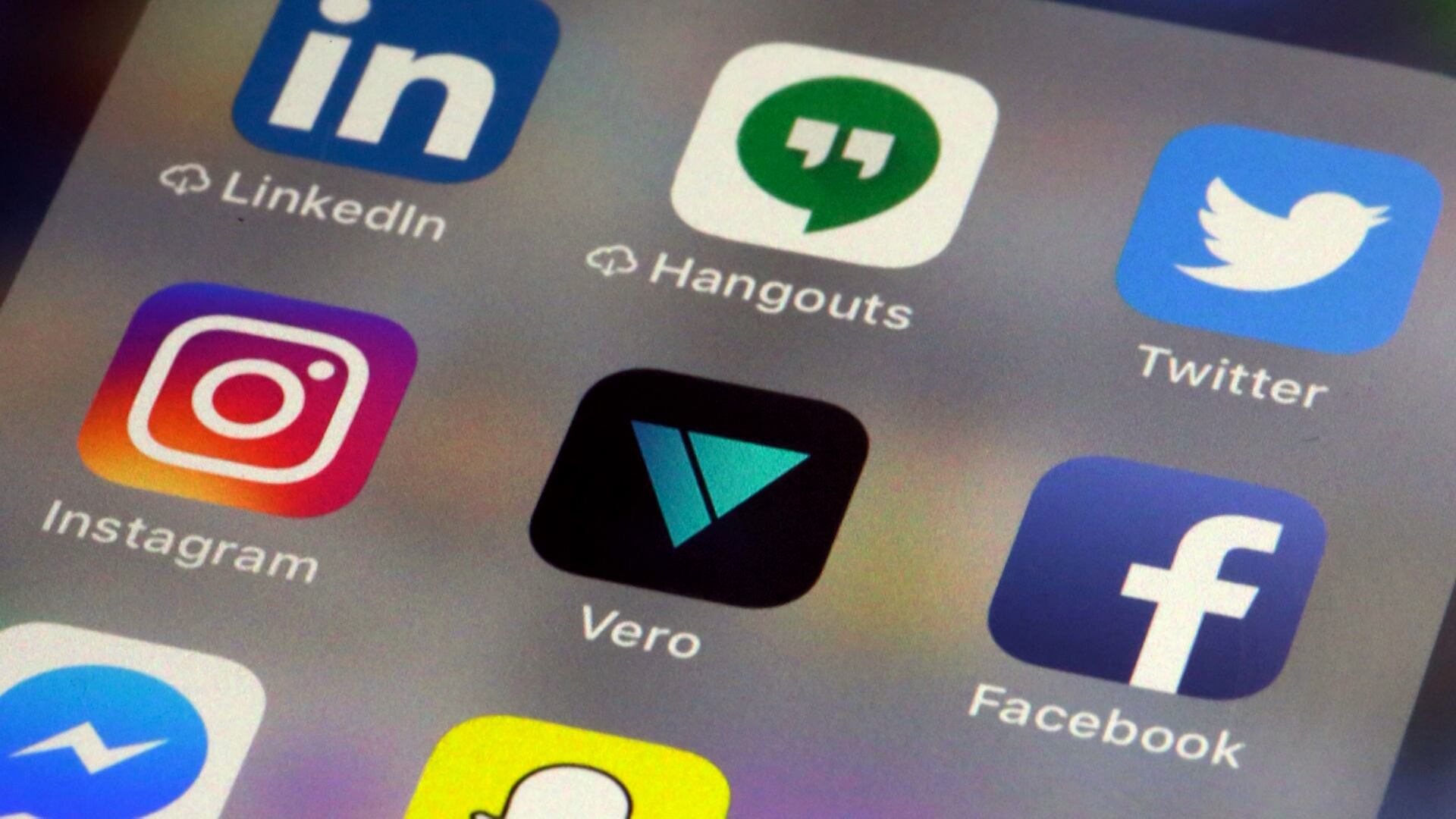
Facebook may have a very different understanding of its users' privacy concerns than the millions of people whose personal information was shared with dozens of device makers as part of the social media company's efforts to spread its network.
"I think a lot of people have entered into agreements with Facebook without fully understanding the complete context of how this data can be used," said Damon Beres, executive editor at Mashable. "Facebook may say that someone signed their data rights away 10 years ago, but I don't think that anyone had the level of awareness about these privacy concerns that we have now."
[The New York Times reported](https://www.nytimes.com/interactive/2018/06/03/technology/facebook-device-partners-users-friends-data.html) that Facebook shared users' personal data ー and the data of those users' friends ー with dozens of device makers over the last decade. The revelation that Facebook had for years shared this information raised new privacy concerns as the company was facing greater scrutiny stemming from the Cambridge Analytica data scandal.
"I think it goes to show that Facebook has permeated a lot of how we use our devices without us really thinking about it," Beres said Monday in an interview with Cheddar. "So, these problems kind of keep springing up as people have more awareness of data privacy concerns."
In response to The Times's report, Facebook's vice president of product partnerships wrote [a blog post](https://newsroom.fb.com/news/2018/06/why-we-disagree-with-the-nyt/) that said the revelations in the latest article are different from "past concerns about the controls over Facebook information shared with third-party app developers." That's what happened with Cambridge Analytica, a political research firm that gained access to the private data of 87 million Facebook users via a third-party app.
There were no apps a decade ago when Facebook was trying to get its network into the hands of mobile users, according to Ime Archibong, the Facebook VP, so the company relied on partnerships with device makers, including Amazon, Apple, Blackberry, HTC, Microsoft, and Samsung.
"All these partnerships were built on a common interest — the desire for people to be able to use Facebook whatever their device or operating system," Archibong wrote.
Beres said that Facebook's users may not have shared those same interests, or had the same understanding as Facebook as to how their data would be used.
"Facebook's natural defense is to be very literal, but I think we need to talk more about ethics and how people can actually naturally expect how their information is being used on these services," Beres said.
For the full interview, [click here](https://cheddar.com/videos/facebooks-privacy-problems-continue).
February 8 is Safer Internet Day, and Google has partnered with online education organization Khan Academy to release a courseload focused on internet safety. The partnership includes a $5 million donation towards content development from Google, with modules to be made available in various languages throughout 2022. Founder of Khan Academy, Sal Khan, joined Cheddar News to discuss the partnership. "We need to get to a world where everyone of all ages has a chance to learn and practice and feel good that they can navigate the internet in a safe way,” said Khan.
Big tech companies such as Amazon and Google are garnering criticism for failing at their proposed climate pledges, most of which rely on carbon offsets — a potential loophole where companies pay others to address their omissions. Gilles Dufrasne, policy officer at Carbon Market Watch, joined Cheddar News to explain the organization's negative evaluation. "The objective here is not to bash companies and say everybody is doing the wrong thing," he said. "The objective is to also provide lessons, and there are some companies that are doing the right thing."
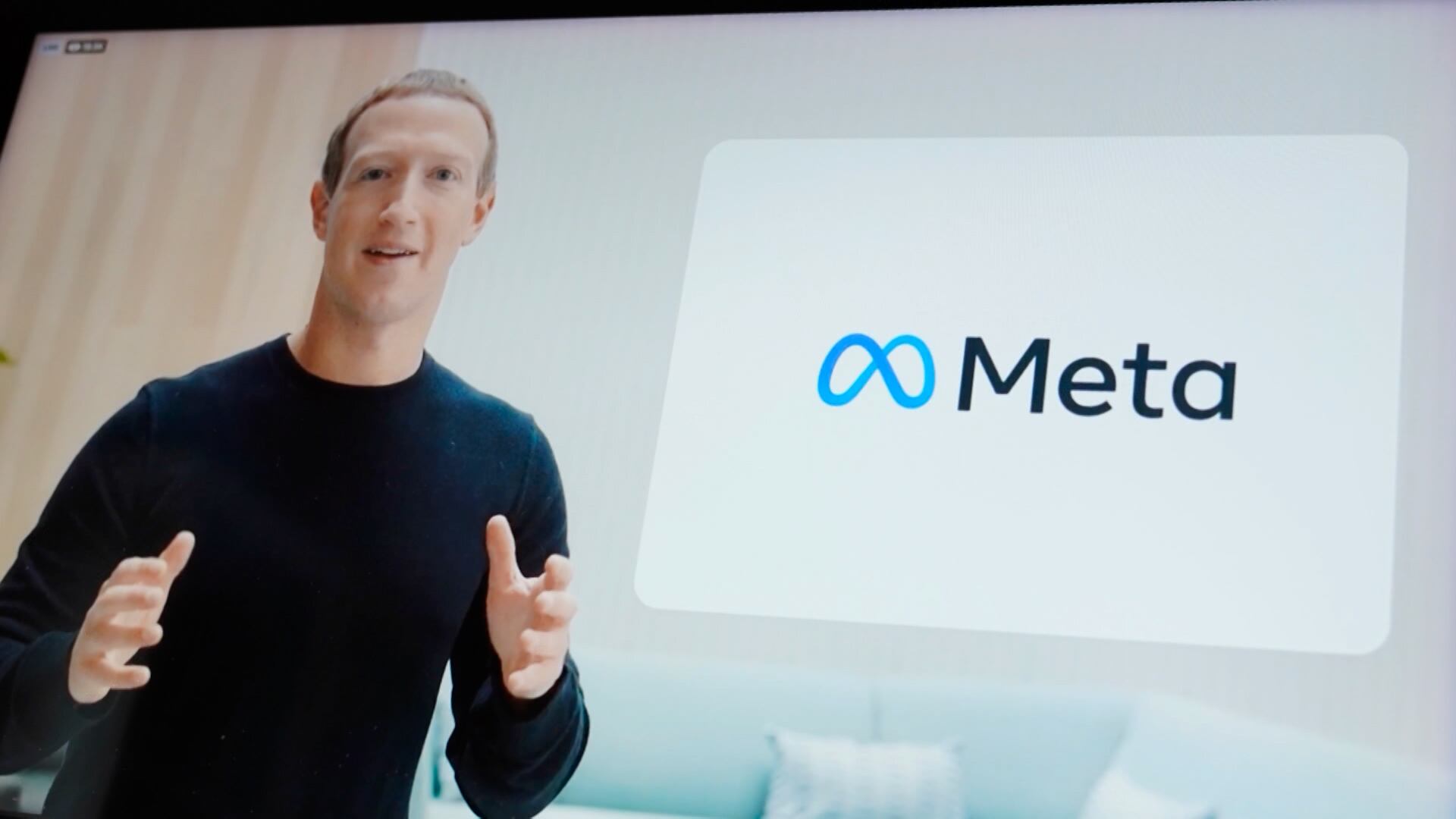
U.S. markets opened lower as disappointing Meta earnings dragged down the tech-heavy Nasdaq. Today, investors will be watching for Amazon's Q4 earnings report set for release after the market close. Greg Swenson, Founding Partner, Brigg Macadam joined Cheddar's Opening Bell to discuss.
Markets opened mostly higher led by gains in the tech sector on strong Q4 earnings. It comes after a tumultuous January which saw stocks suffer one of their worst months since the early days of the pandemic. Jim Worden, Chief Investment Officer, Wealth Consulting Group joined Cheddar's Opening Bell to discuss early market activity.
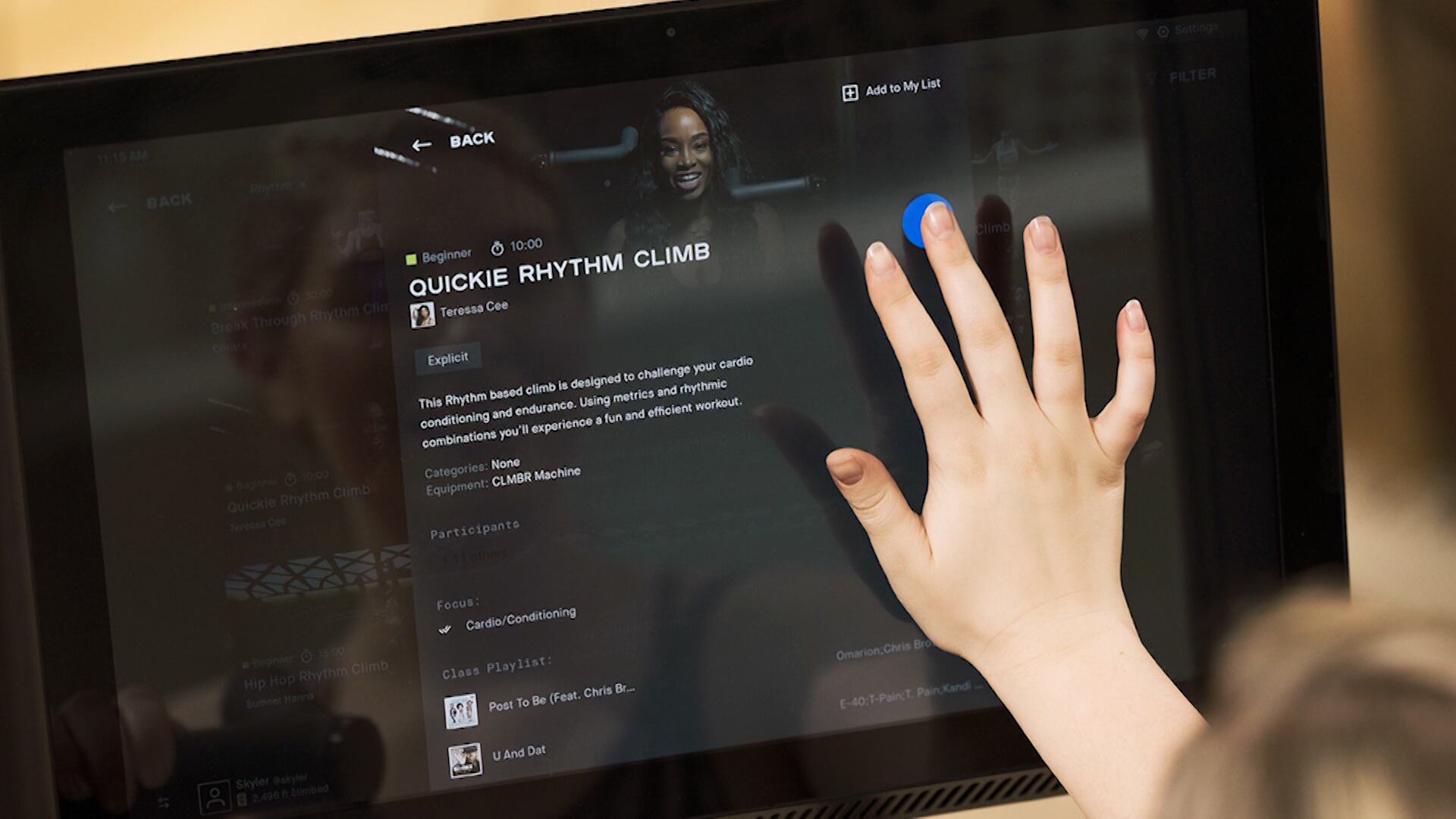
CLMBR is hoping to become the next big thing in connected fitness. The brand offers a high intensity, low impact workout with on-demand, instructor-led classes. Avrum Elmakis, CLMBR's CEO and founder, joined Cheddar to discuss where the company is heading next.
Peloton is reportedly drawing interest from multiple suitors. According to the Wall Street Journal, Amazon is considering acquiring the exercise bike company as it looks to expand into the health and wellness technology industry. Hatem Dhiab, managing partner at Gerber Kawasaki, joined Cheddar to discuss Peloton's future and which company might be its best bet as a buyer.
Amazon shares jumped north of 13 percent in after-hours trading as the E-commerce giant posted a beat on earnings in its fourth quarter. Amazon saw particular success in its cloud computing business, as well as its stake in EV startup, Rivian after its massive IPO. Deren Baker, CEO, Edge by Ascential joined Cheddar's Opening Bell to discuss.