Facebook Shares User Data a 'Million Different Ways'
*By Britt Terrell*
Facebook may have a very different understanding of its users' privacy concerns than the millions of people whose personal information was shared with dozens of device makers as part of the social media company's efforts to spread its network.
"I think a lot of people have entered into agreements with Facebook without fully understanding the complete context of how this data can be used," said Damon Beres, executive editor at Mashable. "Facebook may say that someone signed their data rights away 10 years ago, but I don't think that anyone had the level of awareness about these privacy concerns that we have now."
[The New York Times reported](https://www.nytimes.com/interactive/2018/06/03/technology/facebook-device-partners-users-friends-data.html) that Facebook shared users' personal data ー and the data of those users' friends ー with dozens of device makers over the last decade. The revelation that Facebook had for years shared this information raised new privacy concerns as the company was facing greater scrutiny stemming from the Cambridge Analytica data scandal.
"I think it goes to show that Facebook has permeated a lot of how we use our devices without us really thinking about it," Beres said Monday in an interview with Cheddar. "So, these problems kind of keep springing up as people have more awareness of data privacy concerns."
In response to The Times's report, Facebook's vice president of product partnerships wrote [a blog post](https://newsroom.fb.com/news/2018/06/why-we-disagree-with-the-nyt/) that said the revelations in the latest article are different from "past concerns about the controls over Facebook information shared with third-party app developers." That's what happened with Cambridge Analytica, a political research firm that gained access to the private data of 87 million Facebook users via a third-party app.
There were no apps a decade ago when Facebook was trying to get its network into the hands of mobile users, according to Ime Archibong, the Facebook VP, so the company relied on partnerships with device makers, including Amazon, Apple, Blackberry, HTC, Microsoft, and Samsung.
"All these partnerships were built on a common interest — the desire for people to be able to use Facebook whatever their device or operating system," Archibong wrote.
Beres said that Facebook's users may not have shared those same interests, or had the same understanding as Facebook as to how their data would be used.
"Facebook's natural defense is to be very literal, but I think we need to talk more about ethics and how people can actually naturally expect how their information is being used on these services," Beres said.
For the full interview, [click here](https://cheddar.com/videos/facebooks-privacy-problems-continue).
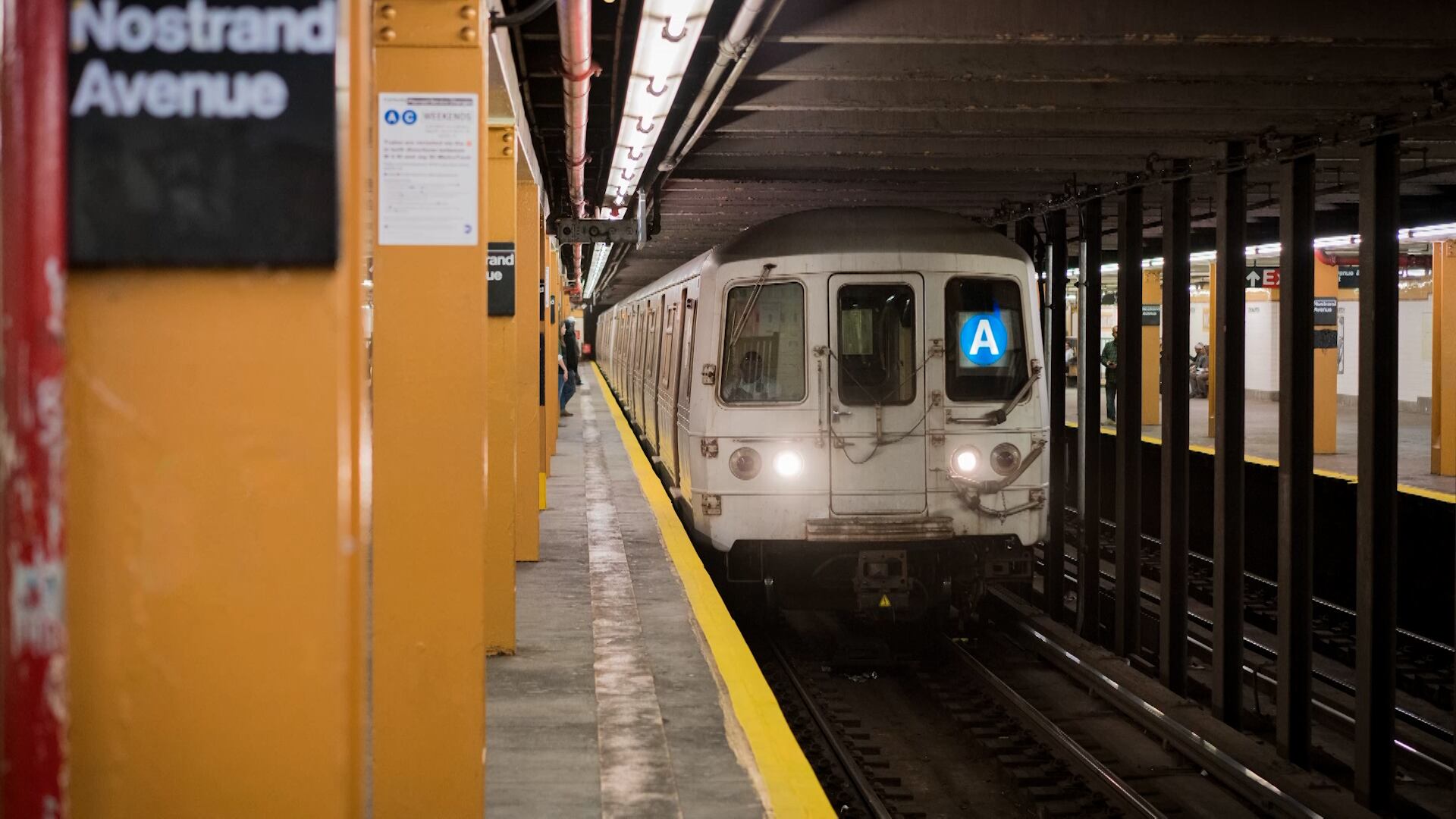
New York City's famous subway system is currently facing scrutiny after several recent attacks on platforms. Now, local leaders in the Big Apple are calling on the MTA. To step in and take action.
On this episode of Cheddar Innovates: Evolution Devices CEO breaks down how the Evowalk wearable device can help those with walking impairments; Cresilon CEO explains how he's created a plant-based gel to easily treat wounds in both humans and animals; A look at Curiosity Stream's 'The Colorado Problem.'
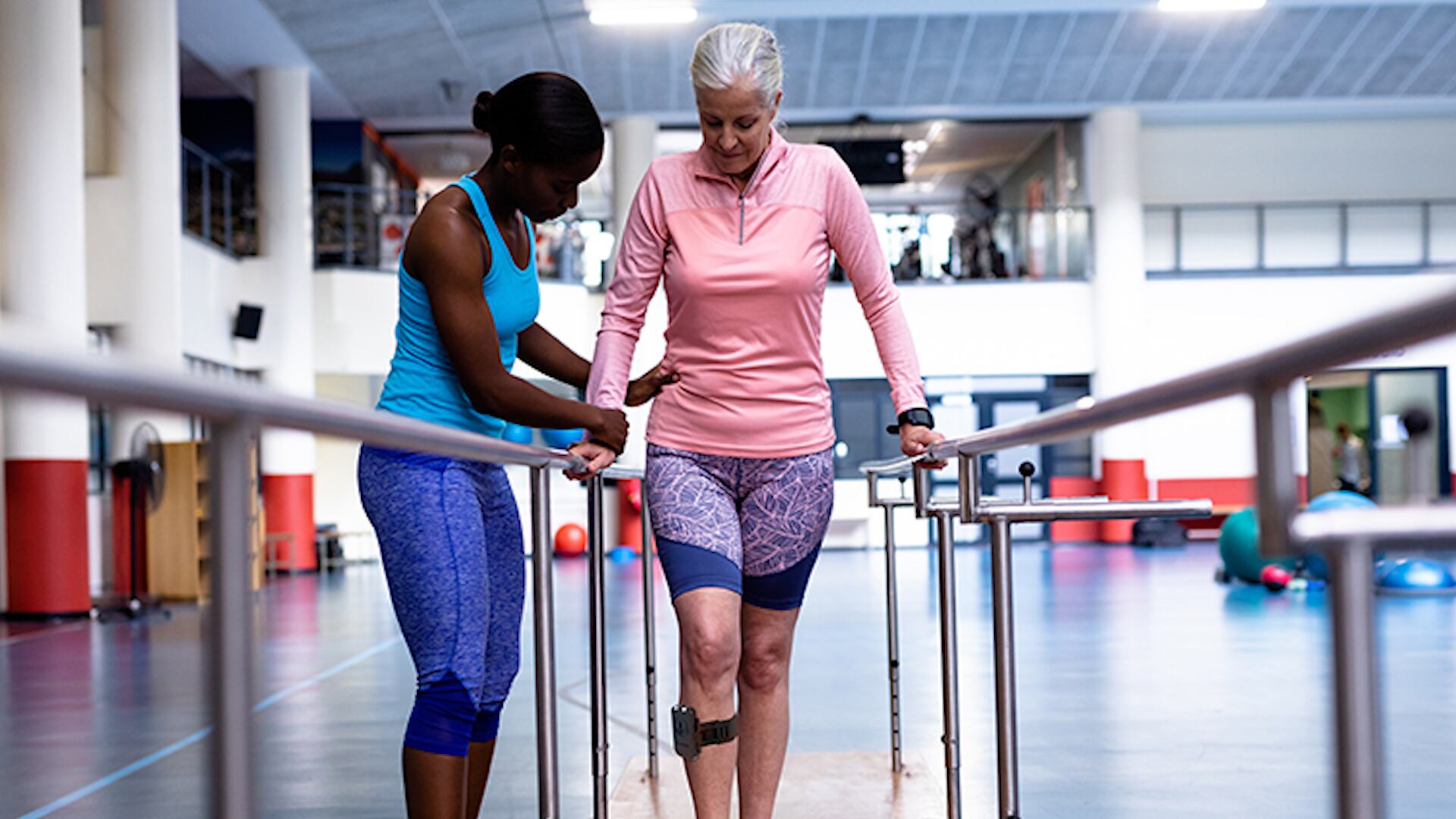
Pier Mantovani, Founder and CEO of Evolution Devices, joins Cheddar Innovates to discuss how the Evowalk wearable device can help those with walking impairments, and how remote physical therapy is becoming a reality.
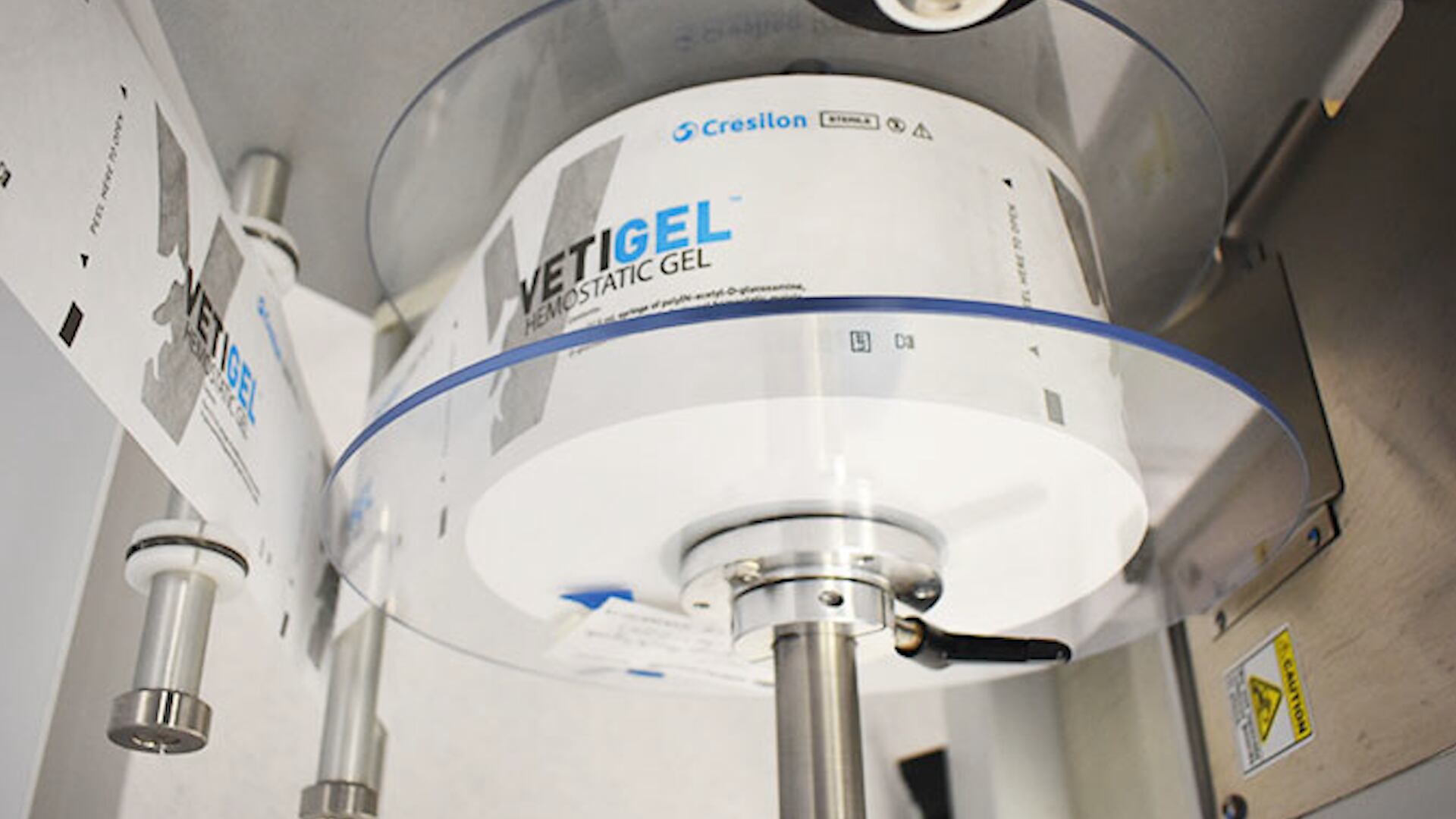
Joe Landolina, CEO and Co-Founder of Cresilon, joins Cheddar Innovates to discuss how he's created a plant-based gel to easily treat wounds in both humans and animals.
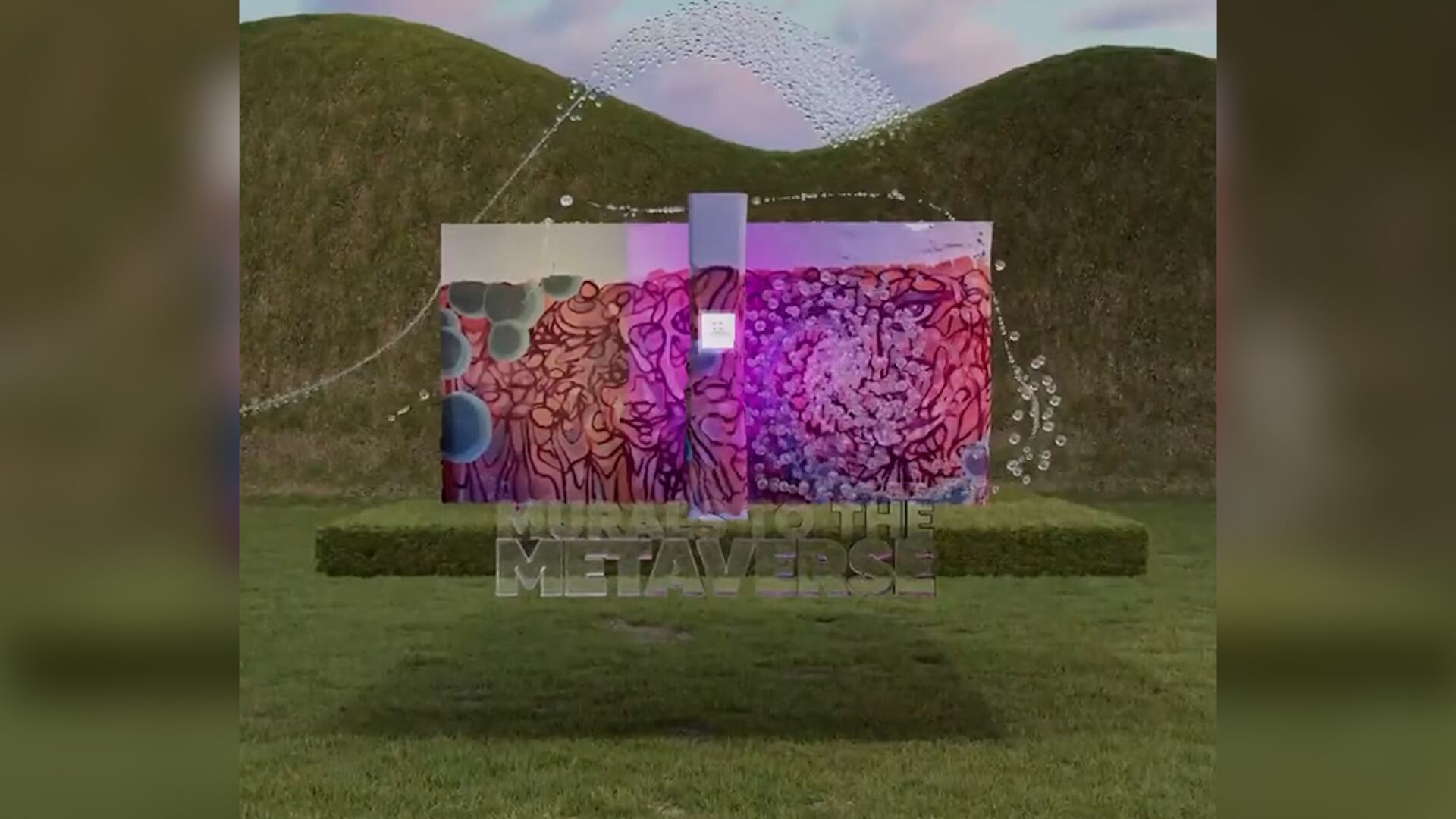
The virtual world of the metaverse continues to present a bright future for many artistic creators. A group of six mural artists from the Bay Area have decided to turn their painted and installed murals into a one-of-a-kind collectible. Thanks to NFTS these murals can be enhanced and extend far beyond just their physical walls. Muralist and Creative Director of the Bay Area mural program Rachel Wolfe Goldsmith, joined Cheddar to discuss more.
New York City ride-hailing app drivers are about to get a pay raise. According to the city's Mayor Eric Adams, New York will increase its minimum driver pay rate for both Uber and Lyft drivers. This means both platforms would now be required to pay their drivers a minimum of $1.61 cents per mile and about 0.50 cents per minute. Ultimately, the move would give riders at least a 5.3% race. New York City Comptroller Brad Lander, joined Cheddar to discuss more.
A Senate bill unveiled on Wednesday looks to tackleonline safety for children by regulating Big Tech and social media platforms to deter users from content that can harm their mental health. Irene Ly, a policy counsel for the age-based ratings and review organization Common Sense Media, joined Cheddar News to break down the potential of the Kids Online Safety Act. "We can't be imposing such a big burden on parents to be doing it all on theirselves," Ly said. "I think you also have to keep in mind that parents often didn't grow up with social media, so they don't understand what it's like to be addicted to social media or really understand how they work."
While many still remain skeptical about the metaverse, big tech firms and even one big bank are ready to expand their virtual worlds. Facebook parent company has pivoted so hard it will now call its employees 'Metamates,' and even JPMorgan Chase has created its own digital lounge on one virtual platform. While the sector remains young, there seems to be significant investment opportunity, especially with companies like Nvidia. Adam Johnson, a portfolio strategist at Adviser Investments, joins Closing Bell to discuss which companies could win in this space, consumer appetite, and more.