Facebook Shares User Data a 'Million Different Ways'
*By Britt Terrell*
Facebook may have a very different understanding of its users' privacy concerns than the millions of people whose personal information was shared with dozens of device makers as part of the social media company's efforts to spread its network.
"I think a lot of people have entered into agreements with Facebook without fully understanding the complete context of how this data can be used," said Damon Beres, executive editor at Mashable. "Facebook may say that someone signed their data rights away 10 years ago, but I don't think that anyone had the level of awareness about these privacy concerns that we have now."
[The New York Times reported](https://www.nytimes.com/interactive/2018/06/03/technology/facebook-device-partners-users-friends-data.html) that Facebook shared users' personal data ー and the data of those users' friends ー with dozens of device makers over the last decade. The revelation that Facebook had for years shared this information raised new privacy concerns as the company was facing greater scrutiny stemming from the Cambridge Analytica data scandal.
"I think it goes to show that Facebook has permeated a lot of how we use our devices without us really thinking about it," Beres said Monday in an interview with Cheddar. "So, these problems kind of keep springing up as people have more awareness of data privacy concerns."
In response to The Times's report, Facebook's vice president of product partnerships wrote [a blog post](https://newsroom.fb.com/news/2018/06/why-we-disagree-with-the-nyt/) that said the revelations in the latest article are different from "past concerns about the controls over Facebook information shared with third-party app developers." That's what happened with Cambridge Analytica, a political research firm that gained access to the private data of 87 million Facebook users via a third-party app.
There were no apps a decade ago when Facebook was trying to get its network into the hands of mobile users, according to Ime Archibong, the Facebook VP, so the company relied on partnerships with device makers, including Amazon, Apple, Blackberry, HTC, Microsoft, and Samsung.
"All these partnerships were built on a common interest — the desire for people to be able to use Facebook whatever their device or operating system," Archibong wrote.
Beres said that Facebook's users may not have shared those same interests, or had the same understanding as Facebook as to how their data would be used.
"Facebook's natural defense is to be very literal, but I think we need to talk more about ethics and how people can actually naturally expect how their information is being used on these services," Beres said.
For the full interview, [click here](https://cheddar.com/videos/facebooks-privacy-problems-continue).
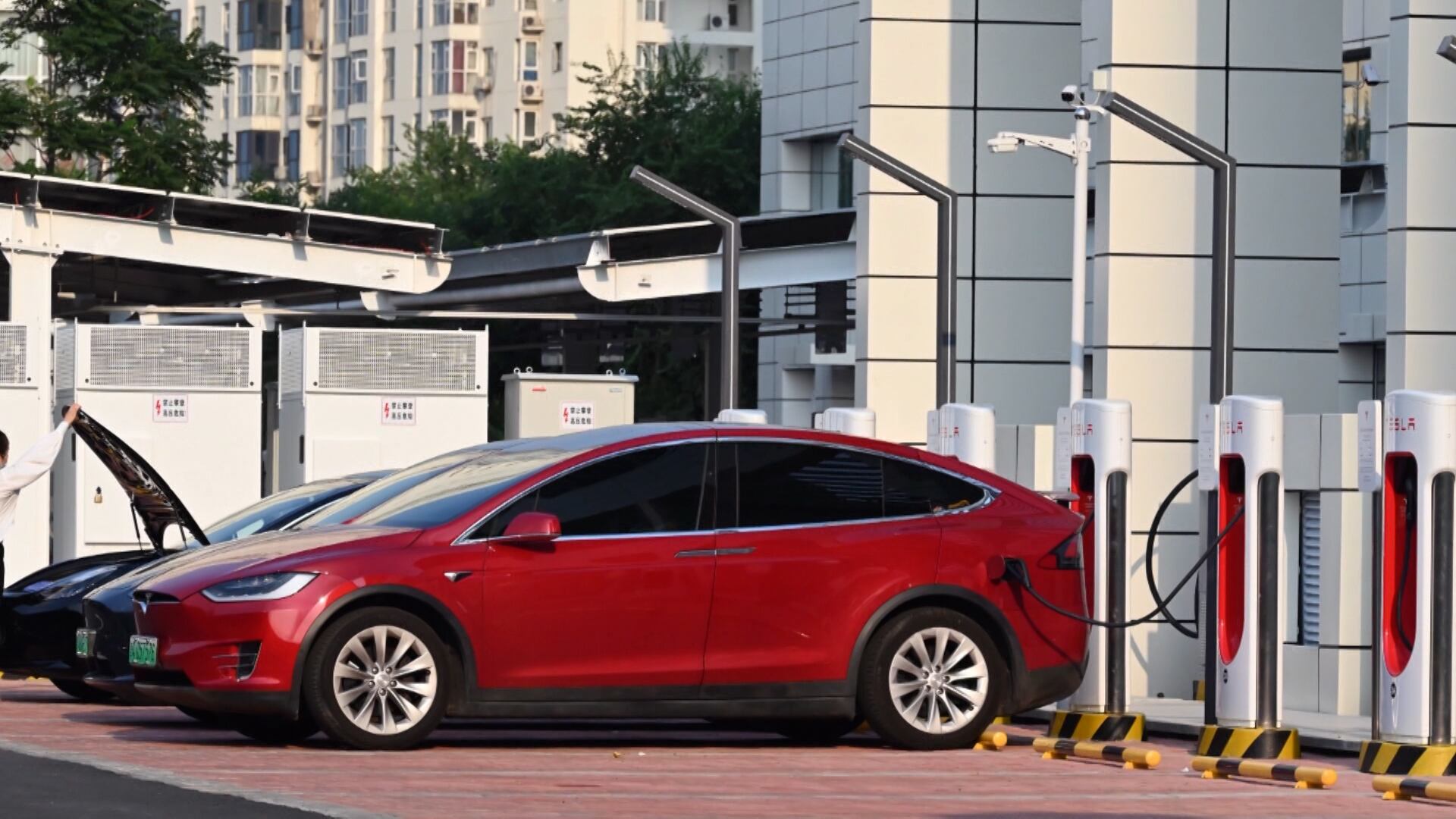
The electric vehicle maker filed a proposal for a three-for-one stock split, increasing the accessibility of shares for investors for a stock trading at around $700 a share. The move comes not long after tech giant Amazon announced a 20-for-one split. The number of authorized shares rises from two billion to six billion. It was also revealed that board member Larry Ellison does not intend to stand for reelection as it pertains to Tesla.
President Biden proposed a new rule that would add 500,000 chargers for electric vehicles nationwide. The proposal comes amid the rapid shift to EVs with dozens of automakers announcing plans for all-electric fleets within the next decade. But with the new surge will the U.S. have the proper infrastructure to keep up? Scott Painter, founder and CEO of Autonomy.com joined Cheddar's Opening Bell to discuss. "I really think the idea of standardization is a big deal. Standardization certainly makes it much better for everybody to be able to get a charge when they need one," he said.
API platform RapidAPI recently became a unicorn with a $1 billion valuation after raising $150 million in a Series D funding round led by Softbank Vision Two Fund. Microsoft's Venture Fund, M12, and Andreessen Horowitz also participated. RapidAPI says it provides the world's largest API hub which enables millions of developers and companies to build software faster. Iddo Gino, founder and CEO of RapidAPI, joins Cheddar News' Closing Bell to discuss.
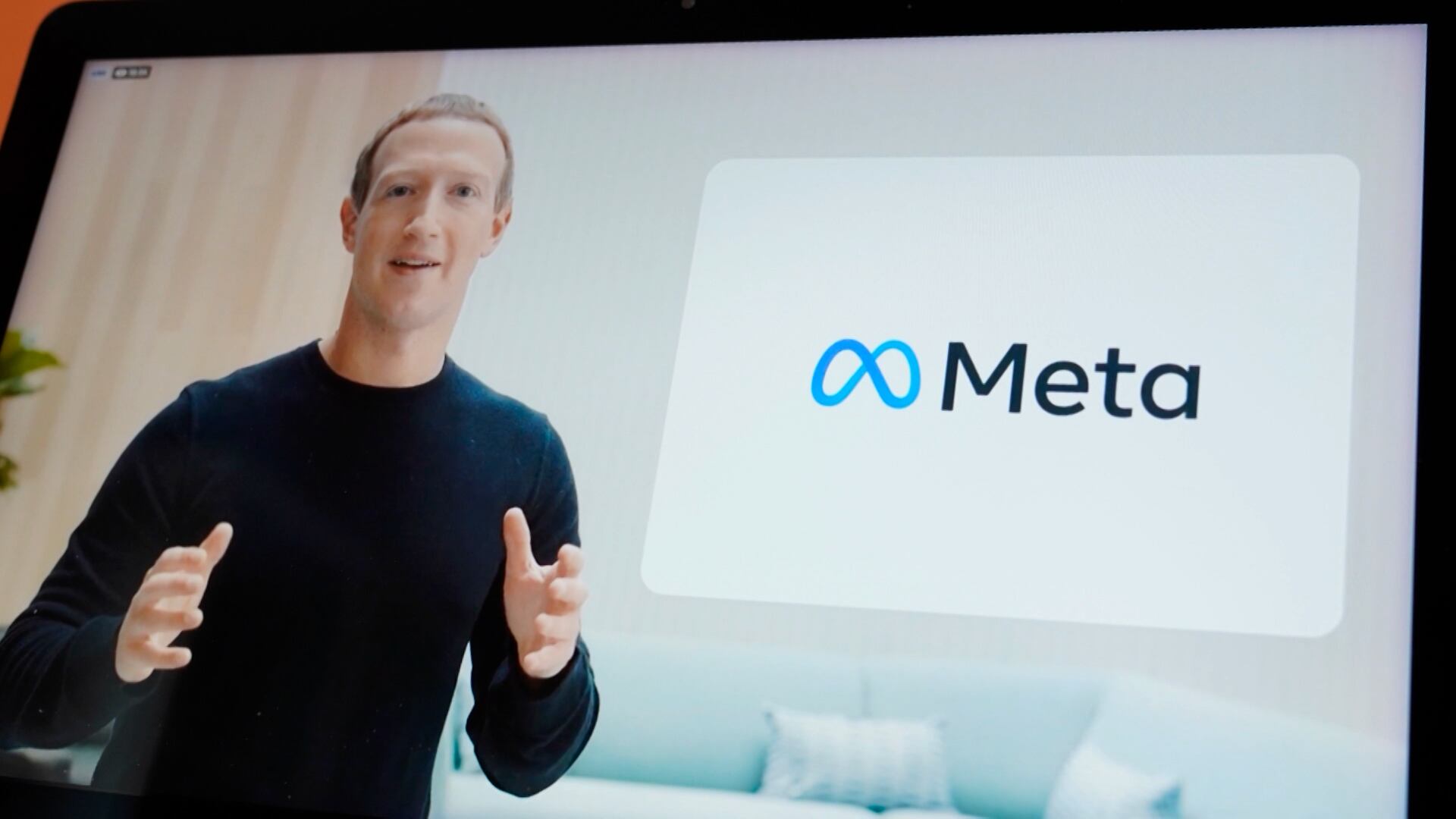
Facebook parent Meta officially has changed it’s ticker symbol from ‘FB’ to ‘META’. Paul Meeks, a portfolio manager, Independent Solutions Wealth Management, and a professor of practice in the Baker School of Business at The Citadel, joined Cheddar News to discuss why the tech giant has had to make big changes to its name, its ticker, and its business plans. "When you see what's happening in digital advertising — and there was a slowdown there even before the threat of a recession, which could cause a even more drastic slowdown next year — they had to pivot," he said. Meeks noted he sees Facebook dominating in the metaverse space going forward — whatever that may end up being.
In a recent Bumble survey, more than a third of respondents revealed that they would be willing to date people in other cities. Shan Boodram, a sex and relationships expert for the app, joined Cheddar News to talk about the long-distance dating trend and tips on how to go about taking part. "I think this is the magic of what we experienced over the past couple of years, is that we have already learned the tools necessary to stay connected with people despite not being able to be close to them," she noted. Boodram also pointed to Bumble's travel mode and using video conferencing in order to ease into such relationships.