Facebook is offering $100 million in cash grants and ad credits to small businesses suffering from stoppages due to the global COVID-19 pandemic.
The Small Business Grants Program, revealed in a blog post on Tuesday morning, was created to keep workers working, help with rent costs, connect with more customers, cover operational costs.
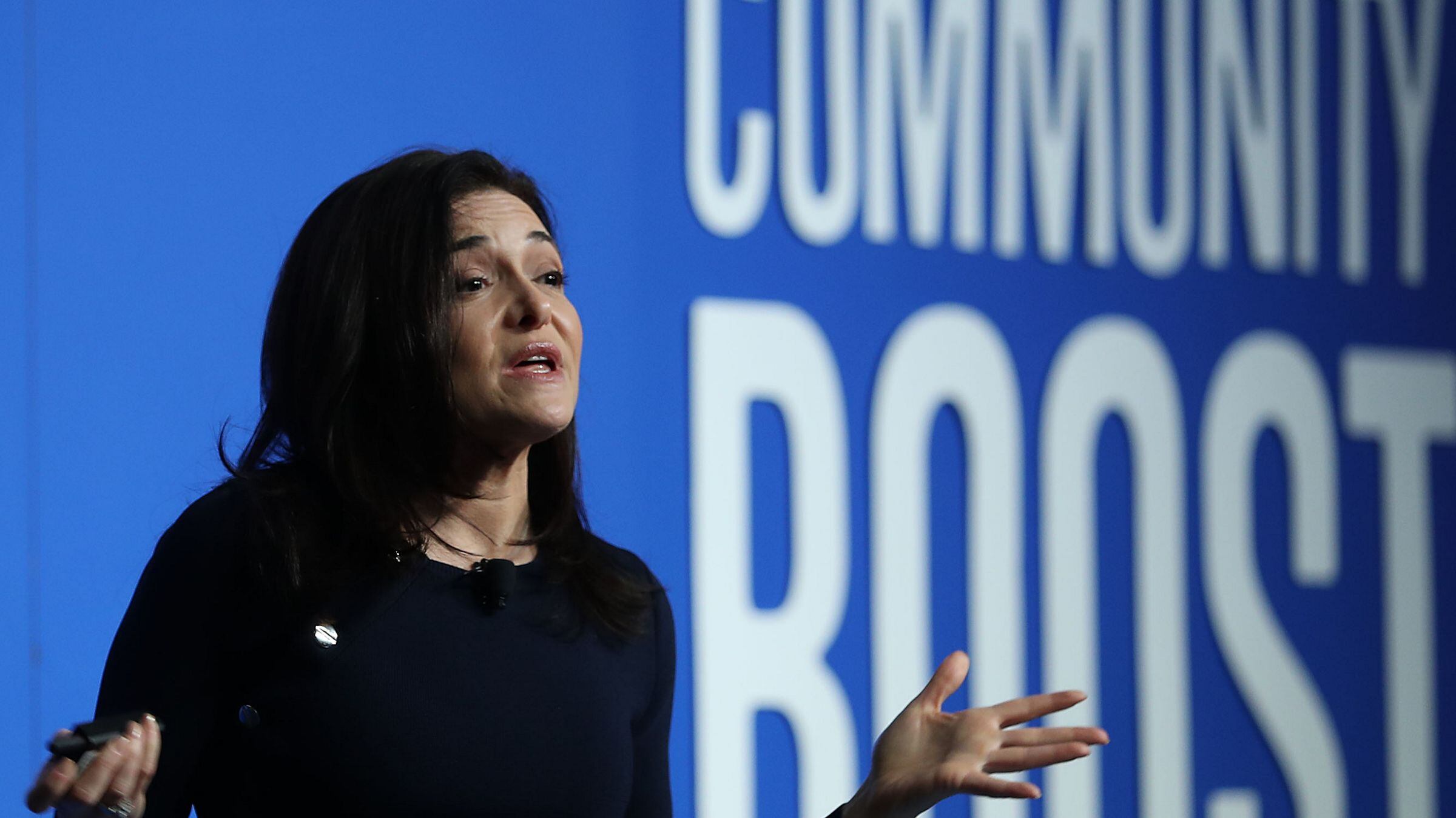
"We've listened to small businesses to understand how we can best help them," COO Sheryl Sandberg said on her Facebook page Tuesday morning. "We've heard loud and clear that financial support could enable them to keep the lights on and pay people who can't come to work."
Tech giants like Facebook are coming under more pressure to save society and where government and politicians might not, as the spread of the virus gets worse and the possibility of the U.S. heading into a recession becomes more likely.
It will be available to 30,000 eligible small businesses across 30 countries; by that math, each would receive an average of $3,333, which could be more meaningful to some than others depending on staff sizes. In the U.S., small businesses make up 99.9 percent of all businesses.
Facebook will begin taking grant applications "in the coming weeks."
As part of the announcement, the company also introduced virtual training to support businesses that may not have prepared to operate in a remote, distributed setting as so many are doing now.
Facebook has spent the last few years bulking up its merchant (and payments) business as social platforms turned into marketplaces. Last year it enabled instant buying from merchants directly within Instagram posts and stories and it enabled Facebook Pay for Marketplace.
It's unlikely the already highly scrutinized Facebook will introduce a small business capital program, of which its marketplace peer, Amazon, has been highly successful, but Silicon Valley, along with banks, has an opportunity to service small businesses in need of credit over the coming months. The earliest fintech companies, marketplace lenders like Lending Club and Prosper, were born as a response to the 2008 financial crisis, which dried up small business credit from banks. Silicon Valley financial services companies like Square, Stripe, and PayPal have come for business banking customers since then.
"They're going to be as dominant as JPMorgan or Goldman Sachs in this game," said Dave Donovan, executive vice president of financial services at Publicis Sapient, of the FAMGA companies, citing the Apple partnership with Goldman Sachs and Amazon's partnership with Chase as examples.
By allowing the partnership, "Amazon is saying 'we'll open up our customer base so that you can provide them with loans, and they'll go and procure more product on our platform.' With the Apple card, it's the same thing. Goldman has no problem underwriting risk and taking on the regulation."
Donavan also said banking networks will examine how they can help facilitate payments for medication at places like CVS, Walgreens, and Target, as well as, food delivery from Amazon Prime and Walmart.
Facebook has also been tirelessly working with the Libra Association since last summer on a new digital currency that would support "a payment network that makes money easier to access and supports merchants and consumers everywhere" and advocate for "transparent fees and easy access to capital" — according to the CEO of one of the Association's latest partner additions, the e-commerce giant Shopify.