Shares of Facebook continued to plunge Thursday, wiping more than $100 billion from its market cap in just hours after the company's CFO forecast a significant drop in revenue growth and margins in the coming quarters.
"Looking beyond 2018, we anticipate that total expense growth will exceed revenue growth in 2019," said Chief Financial Officer David Wehner on a conference call Wednesday. "Over the next several years, we would anticipate that our operating margins will trend towards the mid-thirties on a percentage basis."
Wehner's comments on the conference call came after Facebook said revenues grew less than expected in the second quarter, and its user count missed estimates. The statements accelerated losses in the stock, which was down as much as 24 percent after hours.
"\[We see\] substantial legal and regulatory issues, and really structural changes in the business model, that we're going to see evolve over the next couple quarters at the least," said CFRA analyst Scott Kessler.
In the first earnings report to cover a full quarter since the Cambridge Analytica scandal broke, the social media network said monthly active users grew 11 percent from a year ago to about 2.23 billion people, though analysts were looking for 2.25 billion. Users in the U.S. remained at 241 million, the same level as at the end of March, while users in Europe fell for the first time.
"I think we've hit a point with Facebook where user growth is just going to slow down," said Jason Moser, analyst at Motley Fool, in an interview to Cheddar.
Revenues came in at about $13.2 billion for the quarter, also short of estimates.
The company has been plagued by criticism over how it handles user data for months, and CEO Mark Zuckerberg has not only issued several rare public apologies but even testified before Congress on the issue.
Facebook was also hit with calls to better police the content on its platform, most recently after the company refused to take down a post from right-wing conspiracy theorist Alex Jones, threatening Special Counsel Robert Mueller.
Ad sales rose 42 percent during the quarter but were outpaced by a 50 percent increase in costs, driven by added efforts to address those issues.
Facebook's stock drop, the biggest on a percent basis ever for the company, erased all the gains it had made since its last earnings report three months ago. The loss in market value was bigger than the entire market cap of IBM, McDonald's, and Nike.
The results put pressure on the entire tech landscape, with shares of Amazon, Twitter, Snap, and Google parent Alphabet all falling in sympathy.
Quick facts from Facebook's Q2 earnings report:
* Earnings per share: $1.74 vs. $1.72 estimate
* Revenues: $13.23 vs. $13.36 billion estimate
* Monthly active users: 2.23 billion vs. 2.25 billion estimate
* Daily active users: 1.47 billion vs. 1.49 billion estimate
* Monthly active users in Europe fell for the first time
* Mobile ad revenue accounted for 91 percent of all ad revenue
* Ad revenue grew by 42 percent, but costs grew by 50 percent
For full interview, [click here](https://cheddar.com/videos/facebook-earnings-drop-as-much-as-10-after-slight-revenue-miss)
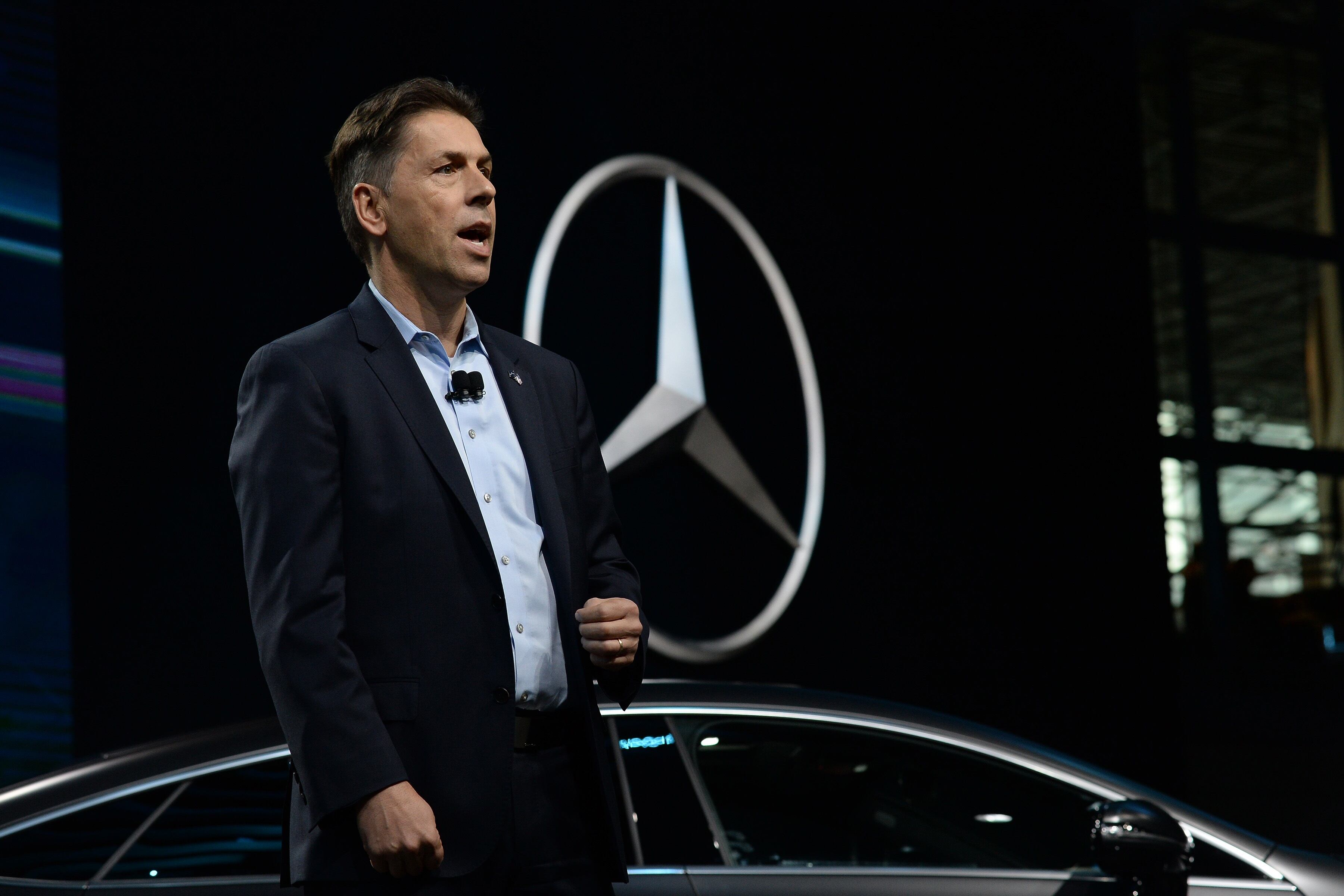
Cars in 2019 are about so much more than transporting passengers from point A to B. That's why luxury carmaker Mercedes-Benz chose to sit out the Detroit Auto Show, and debut its second-generation CLA Coupe at CES instead. "Today's cars aren't just about metal and an engine anymore," Dietmar Exler, president and CEO at Mercedes-Benz USA, told Cheddar from the Las Vegas convention Wednesday.
The electric vehicle industry got a jolt this week as Harley-Davidson introduced its new LiveWire electric motorcycle at the 2019 Consumer Electronics Show. "We're the leader in the category, so we're going to lead the electrification of the sport," Heather Malenshek, senior vice president of marketing and brand at Harley-Davidson, told Cheddar at CES.
This year, CES marked a new partnership between gaming hardware maker Alienware and "League of Legends" developer Riot Games, a union that was a year in the making, according to the general manager at Dell's gaming arm, Alienware. "It actually started here a year ago," Azor told Cheddar at the Las Vegas conference on Wednesday. "That's where we first met."
Among the attendees at this year's CES was Aurora, a startup building autonomous driving technology, backed by some of the top talent in the field. Aurora CEO Chris Urmson, who co-founded the company with a former Tesla engineer and robotics expert, told Cheddar's Hope King that Aurora was "building the driver" for driverless cars.
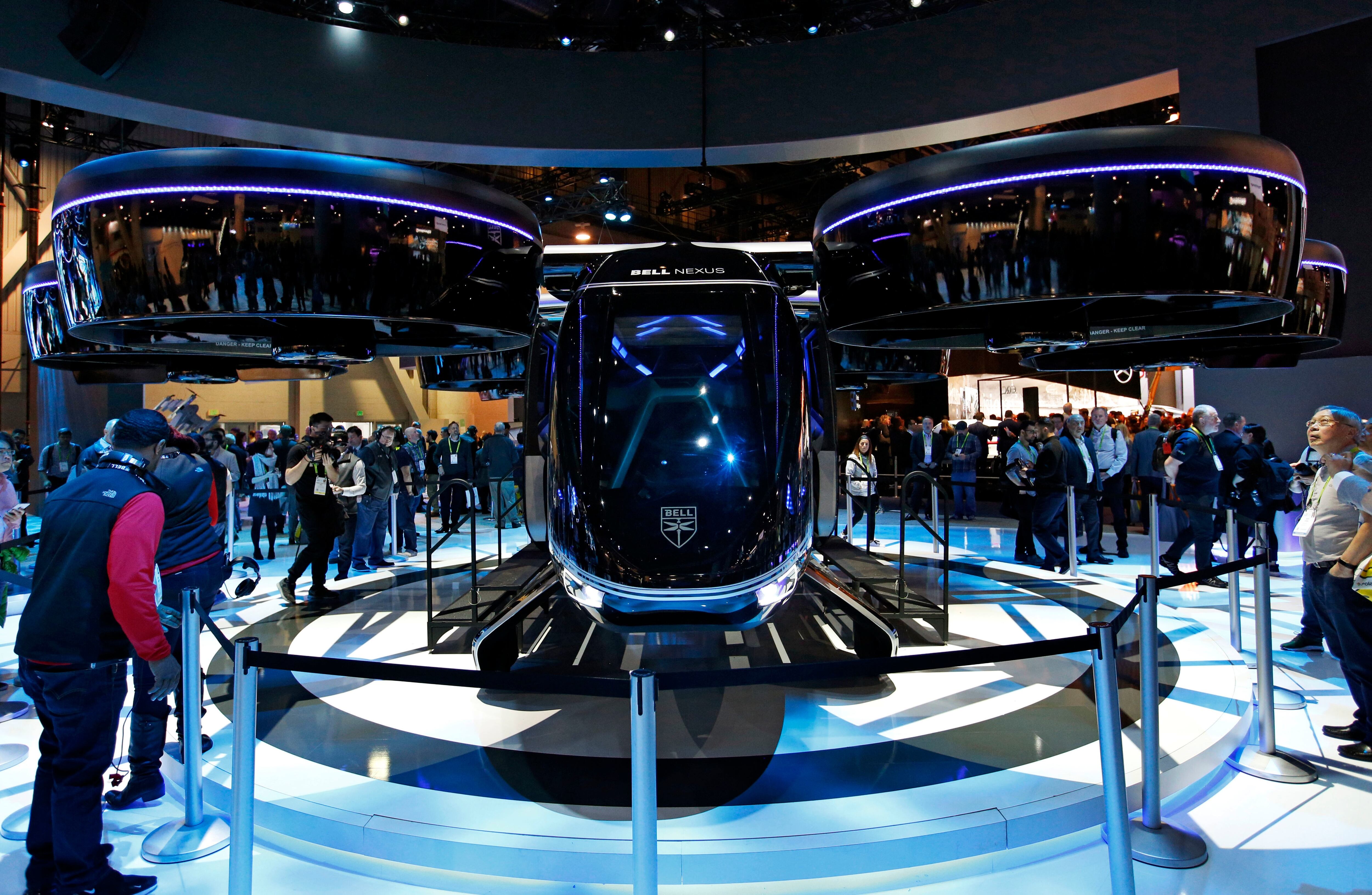
Flying taxis are closer to liftoff than you might think. Dr. Tom Prevot, a former NASA aerospace engineer who now runs the engineering division at Elevate, Uber's airspace unit, told Cheddar's Hope King that the nascent industry is reaching a point at which "a lot of things come together."
Procter & Gamble is the world's biggest advertiser and the company is looking to the future to upgrade common products people use everyday. Cheddar's Hope King talked to Marc Pritchard, the Chief Brand Officer of Procter & Gamble, about how the company is integrating tech into everything from razors to toothbrushes.
Influencer marketing company IZEA Worldwide is expanding into Latin America with the acquisition of FLUVIP. FLUVIP is a Latin American-focused influencer marketing company with more than 100,000 influencers. Companies are projected to spend between $5 billion and $10 billion in influencer marketing by 2022.
Apple is planning to slash production for its newer iPhone models by 10 percent this quarter, according to a report in the Nikkei. However, CEO Tim Cook continues to say that the iPhone XR is the best-selling phone in company history. Trade talks between China and the U.S. wrapped up Wednesday after an unscheduled third day of negotiations. Both sides expressed optimism over the progress made during these talks. Plus, Hope King sits down with Bridget Karlin, chief technology officer for IBM Global Technology Services, to talk about the future of blockchain and much more.
Computing behemoth IBM is using blockchain technology to ensure the food we eat is safe and properly sourced. "We're basically leveraging the blockchain technology to track each item of food as it travels through its trajectory and its transportation from the field all the way to the retailer," Bridget Karlin, chief technology officer for IBM Global Technology Services, told Cheddar's Hope King at CES.
Affirm is making good on its commitment to become a full-service bank. The lending startup led by PayPal co-founder Max Levchin is introducing fee-free savings accounts through a bank partner, initially with a 2 percent annual percentage yield and no minimum balance, Cheddar has learned.