Facebook Loses a Quarter of Its Value After Dismal Earnings
Shares of Facebook continued to plunge Thursday, wiping more than $100 billion from its market cap in just hours after the company's CFO forecast a significant drop in revenue growth and margins in the coming quarters.
"Looking beyond 2018, we anticipate that total expense growth will exceed revenue growth in 2019," said Chief Financial Officer David Wehner on a conference call Wednesday. "Over the next several years, we would anticipate that our operating margins will trend towards the mid-thirties on a percentage basis."
Wehner's comments on the conference call came after Facebook said revenues grew less than expected in the second quarter, and its user count missed estimates. The statements accelerated losses in the stock, which was down as much as 24 percent after hours.
"\[We see\] substantial legal and regulatory issues, and really structural changes in the business model, that we're going to see evolve over the next couple quarters at the least," said CFRA analyst Scott Kessler.
In the first earnings report to cover a full quarter since the Cambridge Analytica scandal broke, the social media network said monthly active users grew 11 percent from a year ago to about 2.23 billion people, though analysts were looking for 2.25 billion. Users in the U.S. remained at 241 million, the same level as at the end of March, while users in Europe fell for the first time.
"I think we've hit a point with Facebook where user growth is just going to slow down," said Jason Moser, analyst at Motley Fool, in an interview to Cheddar.
Revenues came in at about $13.2 billion for the quarter, also short of estimates.
The company has been plagued by criticism over how it handles user data for months, and CEO Mark Zuckerberg has not only issued several rare public apologies but even testified before Congress on the issue.
Facebook was also hit with calls to better police the content on its platform, most recently after the company refused to take down a post from right-wing conspiracy theorist Alex Jones, threatening Special Counsel Robert Mueller.
Ad sales rose 42 percent during the quarter but were outpaced by a 50 percent increase in costs, driven by added efforts to address those issues.
Facebook's stock drop, the biggest on a percent basis ever for the company, erased all the gains it had made since its last earnings report three months ago. The loss in market value was bigger than the entire market cap of IBM, McDonald's, and Nike.
The results put pressure on the entire tech landscape, with shares of Amazon, Twitter, Snap, and Google parent Alphabet all falling in sympathy.
Quick facts from Facebook's Q2 earnings report:
* Earnings per share: $1.74 vs. $1.72 estimate
* Revenues: $13.23 vs. $13.36 billion estimate
* Monthly active users: 2.23 billion vs. 2.25 billion estimate
* Daily active users: 1.47 billion vs. 1.49 billion estimate
* Monthly active users in Europe fell for the first time
* Mobile ad revenue accounted for 91 percent of all ad revenue
* Ad revenue grew by 42 percent, but costs grew by 50 percent
For full interview, [click here](https://cheddar.com/videos/facebook-earnings-drop-as-much-as-10-after-slight-revenue-miss)
Jack Dorsey has stepped down as CEO of Twitter, saying he believes the social media platform is "ready to move on from its founders". The move has many wondering where Dorsey will focus his attention next, as he is still CEO of his financial payments company Square, which is heavily involved in cryptocurrency. Doug Astrop, managing partner at Exponential Investment Partners, joined Cheddar to discuss what Dorsey's resignation means for tech investors, particularly within the crypto space.
Astra founder, chairman, and CEO Chris Kemp spoke to Cheddar's Kristen Scholer about his company's first successful launch into orbit last month, becoming the fastest space company to reach orbit using a privately developed liquid-fueled rocket. He also noted that the company's priority is to "improve life on Earth from space" by rapidly increasing the number of low-orbiting satellites to do everything from connecting people to monitoring weather patterns.
Once again, YouTube is releasing its annual list of the top trending videos and music videos that had people in the U.S. talking. Madeline Buxton, trends expert for YouTube joins Cheddar News to discuss.
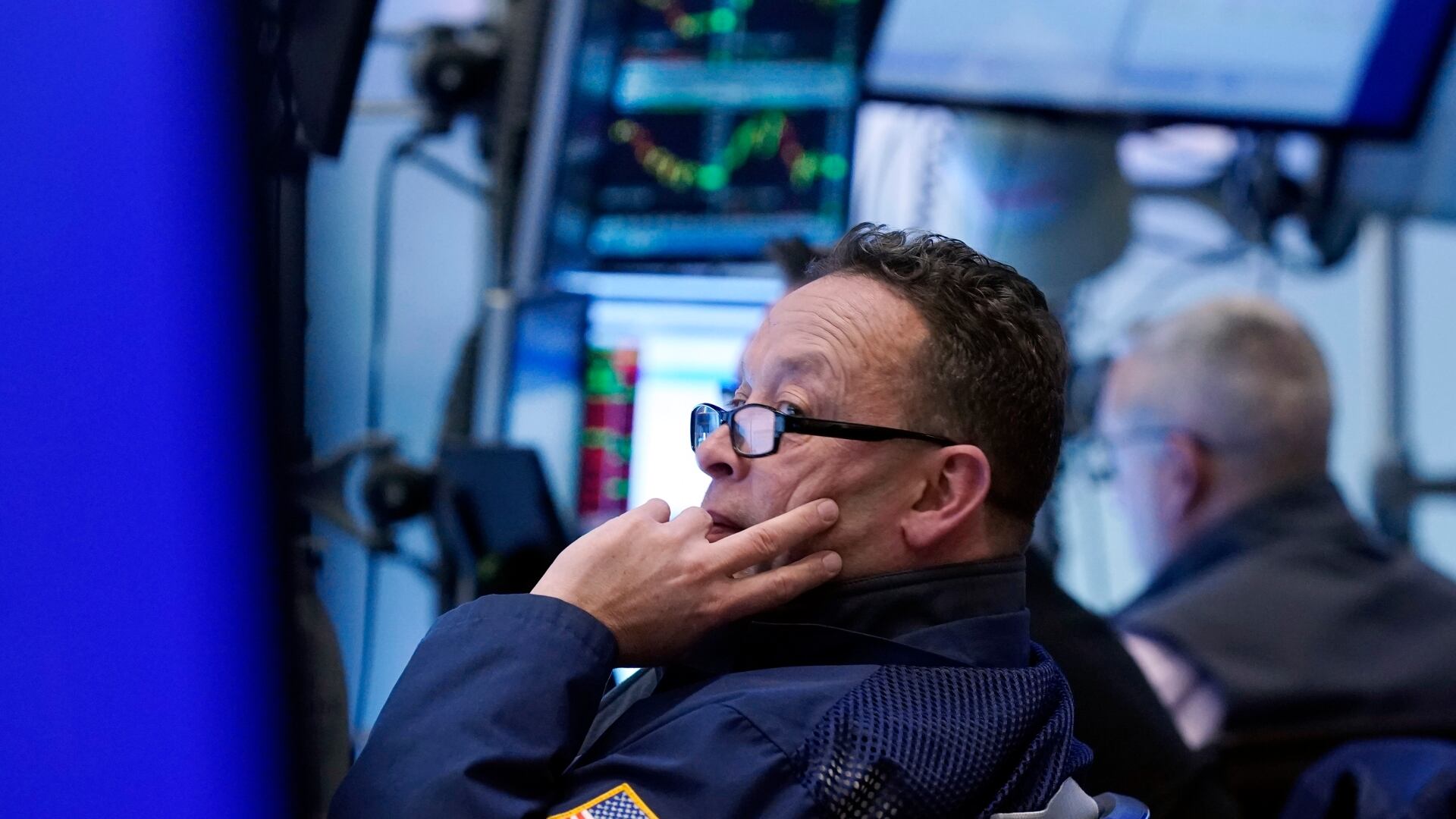
Stocks closed at session lows Wednesday as investors grew skittish over the first reported case of the COVID-19 omicron variant in California. Josh Sailar, Partner at Blue Zone Wealth Advisors, joins Cheddar News' Closing Bell to discuss investor worry over the new variant, the Fed dropping the word 'transitory' to describe inflation and potentially speeding up their asset tapering timeline, 2022 predictions, and more.
The Robin Hood Foundation is New York City's largest poverty-fighting organization. For more than 30 years, Robin Hood has built and fueled non-profits across all five boroughs. CEO Richard Buery joined Cheddar News' Closing Bell ahead of his ringing the closing bell at the New York Stock Exchange and later, lighting of the NYSE Christmas tree.
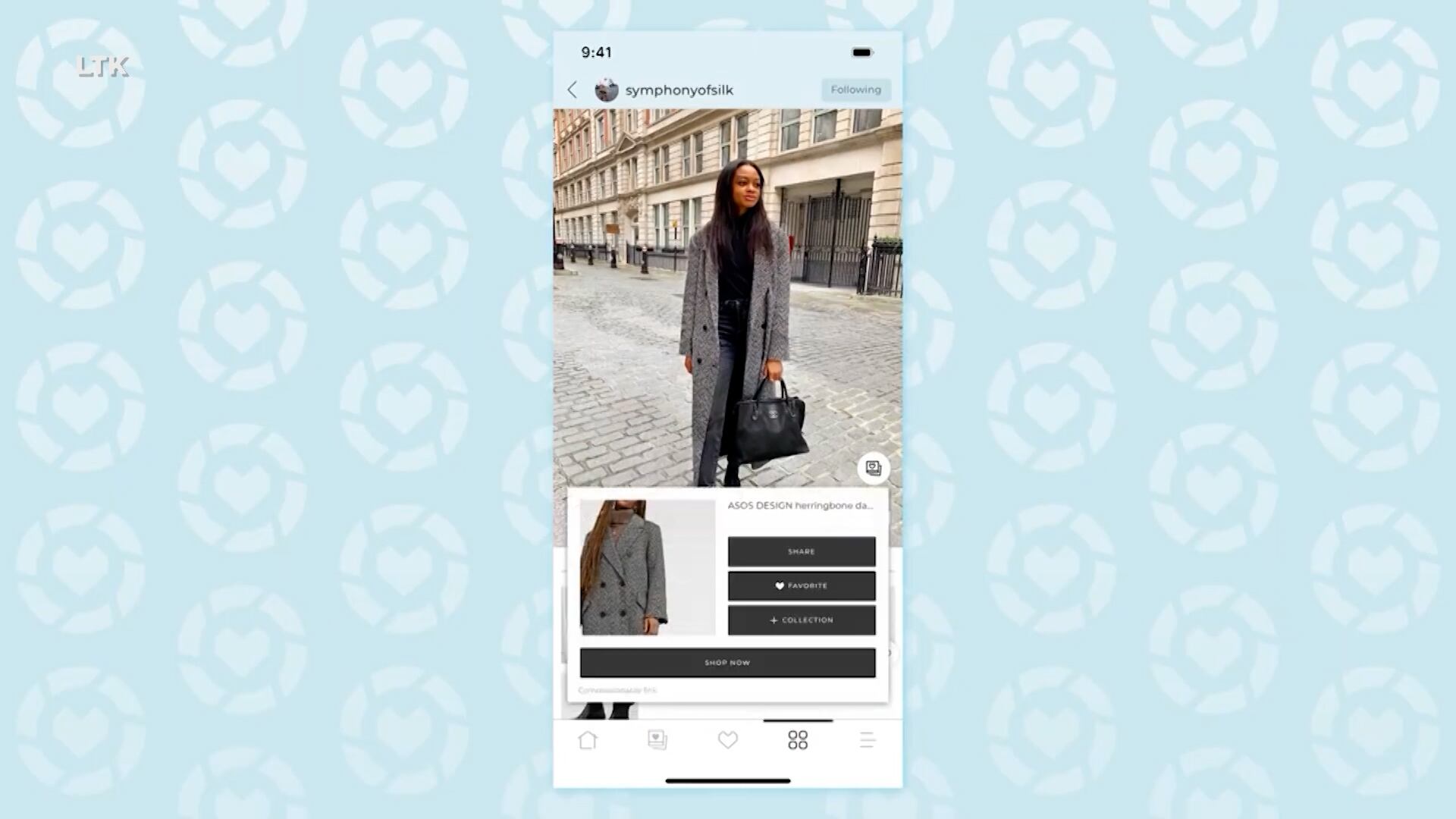
Creator commerce platform LTK raised $300 million in a recent funding round, now valuing the company at $2 billion. LTK is the world's largest influencer marketing platform and is known for helping to pioneer the so-called 'creator economy.' The company helps content creators make money off of their social media posts by hosting them on one central marketplace. LTK says more than $3 million in products are bought each year on its website and app. Now, the company is looking to continue its growth. LTK co-founder and president Amber Venz Box joins Cheddar News' Closing Bell to discuss.
Microsoft recently announced the standalone Teams Essentials as businesses continue to update their practices for the new norm of hybrid work life. Jared Spataro, corporate VP at Microsoft Modern Work, joined Cheddar to talk about solutions the tech giant has rolled out in order to help underserved small and medium-sized companies continue operations seamlessly. "We're excited about the opportunity to serve their needs better, and that, in particular, is focused on their meeting and communication needs," he said. "We start with Teams, which has been a wildly successful product for us up in the enterprise space, and now we have created a form of Teams that is particularly suited for small businesses."
No matter what you're in the market for this holiday season, there is one way that you can put some cash back in your pocket and stretch your gift budget a little bit further this year. With Lolli, for every gift you buy for someone else, you get the gift of free bitcoin back. CEO of Lolli, Alex Adelman, joins Cheddar News.
Iwao Fusillo, Chief Data & Analytics Officer, GM, joins Cheddar News to dispel myths and cut straight to the facts about GM's role in an all-electric future.