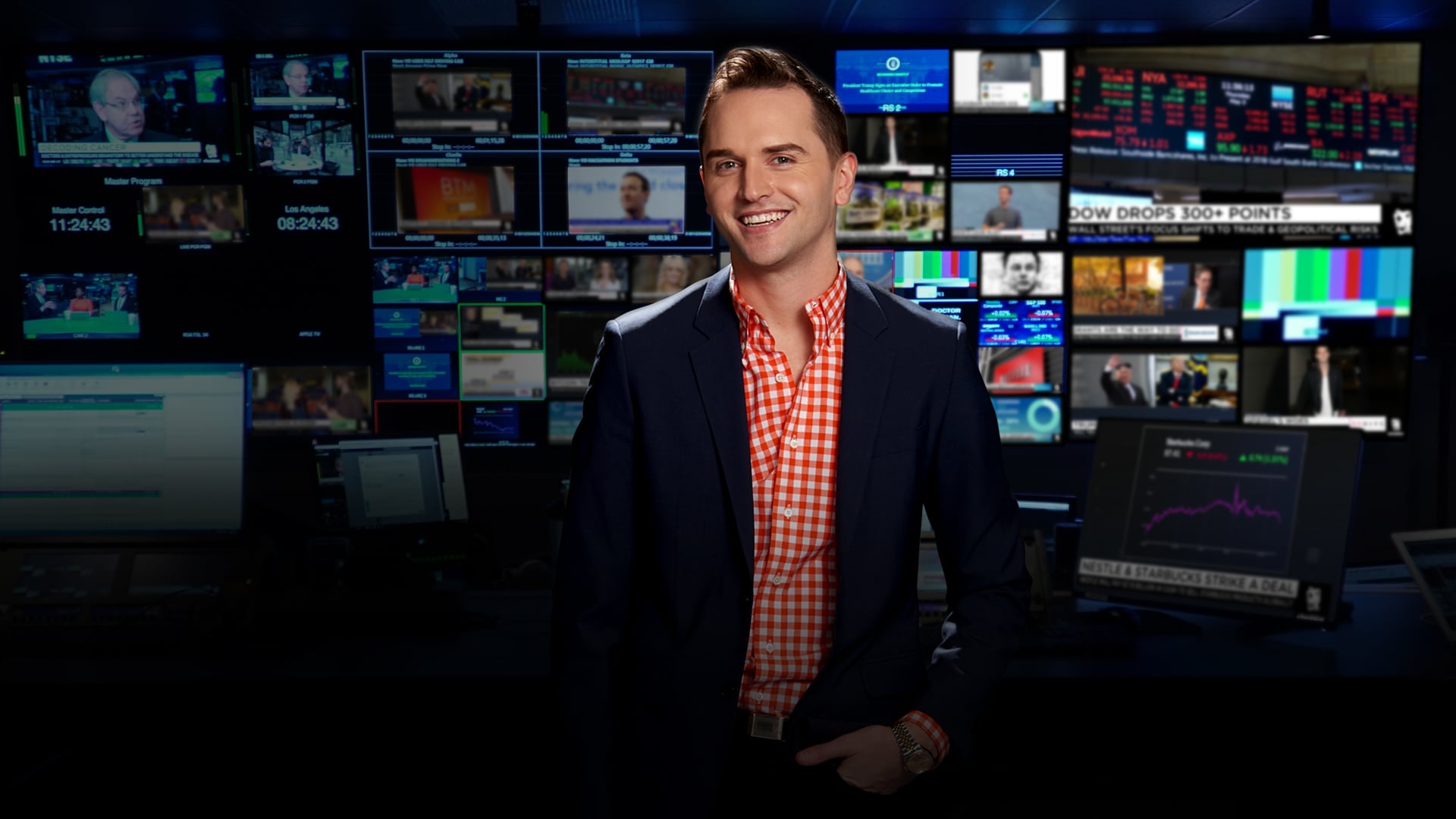
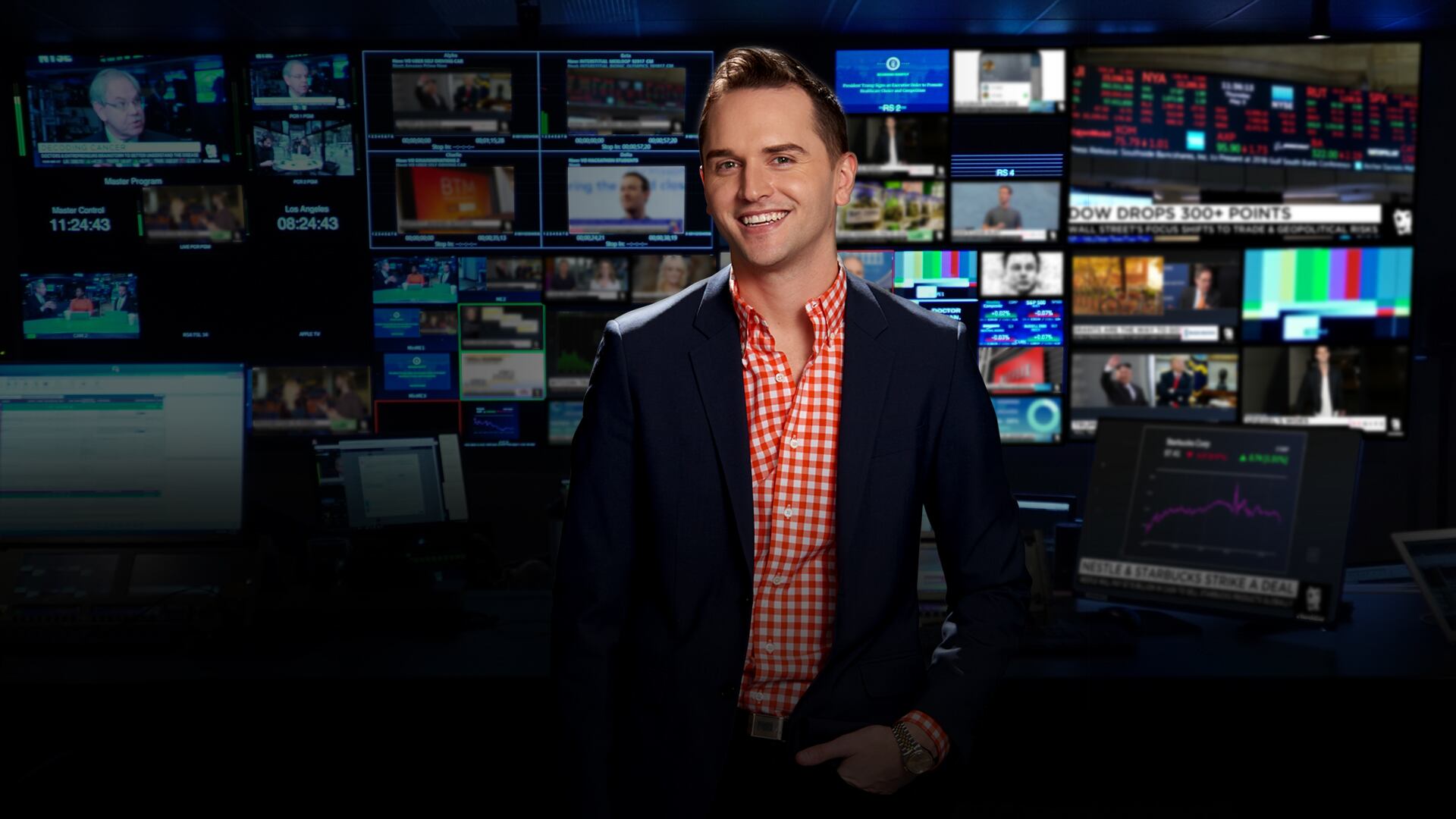
Shares of Facebook continued to plunge Thursday, wiping more than $100 billion from its market cap in just hours after the company's CFO forecast a significant drop in revenue growth and margins in the coming quarters. "Looking beyond 2018, we anticipate that total expense growth will exceed revenue growth in 2019," said Chief Financial Officer David Wehner on a conference call Wednesday. "Over the next several years, we would anticipate that our operating margins will trend towards the mid-thirties on a percentage basis." Wehner's comments on the conference call came after Facebook said revenues grew less than expected in the second quarter, and its user count missed estimates. The statements accelerated losses in the stock, which was down as much as 24 percent after hours. "\[We see\] substantial legal and regulatory issues, and really structural changes in the business model, that we're going to see evolve over the next couple quarters at the least," said CFRA analyst Scott Kessler. In the first earnings report to cover a full quarter since the Cambridge Analytica scandal broke, the social media network said monthly active users grew 11 percent from a year ago to about 2.23 billion people, though analysts were looking for 2.25 billion. Users in the U.S. remained at 241 million, the same level as at the end of March, while users in Europe fell for the first time. "I think we've hit a point with Facebook where user growth is just going to slow down," said Jason Moser, analyst at Motley Fool, in an interview to Cheddar. Revenues came in at about $13.2 billion for the quarter, also short of estimates. The company has been plagued by criticism over how it handles user data for months, and CEO Mark Zuckerberg has not only issued several rare public apologies but even testified before Congress on the issue. Facebook was also hit with calls to better police the content on its platform, most recently after the company refused to take down a post from right-wing conspiracy theorist Alex Jones, threatening Special Counsel Robert Mueller. Ad sales rose 42 percent during the quarter but were outpaced by a 50 percent increase in costs, driven by added efforts to address those issues. Facebook's stock drop, the biggest on a percent basis ever for the company, erased all the gains it had made since its last earnings report three months ago. The loss in market value was bigger than the entire market cap of IBM, McDonald's, and Nike. The results put pressure on the entire tech landscape, with shares of Amazon, Twitter, Snap, and Google parent Alphabet all falling in sympathy. Quick facts from Facebook's Q2 earnings report: * Earnings per share: $1.74 vs. $1.72 estimate * Revenues: $13.23 vs. $13.36 billion estimate * Monthly active users: 2.23 billion vs. 2.25 billion estimate * Daily active users: 1.47 billion vs. 1.49 billion estimate * Monthly active users in Europe fell for the first time * Mobile ad revenue accounted for 91 percent of all ad revenue * Ad revenue grew by 42 percent, but costs grew by 50 percent For full interview, [click here](https://cheddar.com/videos/facebook-earnings-drop-as-much-as-10-after-slight-revenue-miss)
Share:
More In Technology
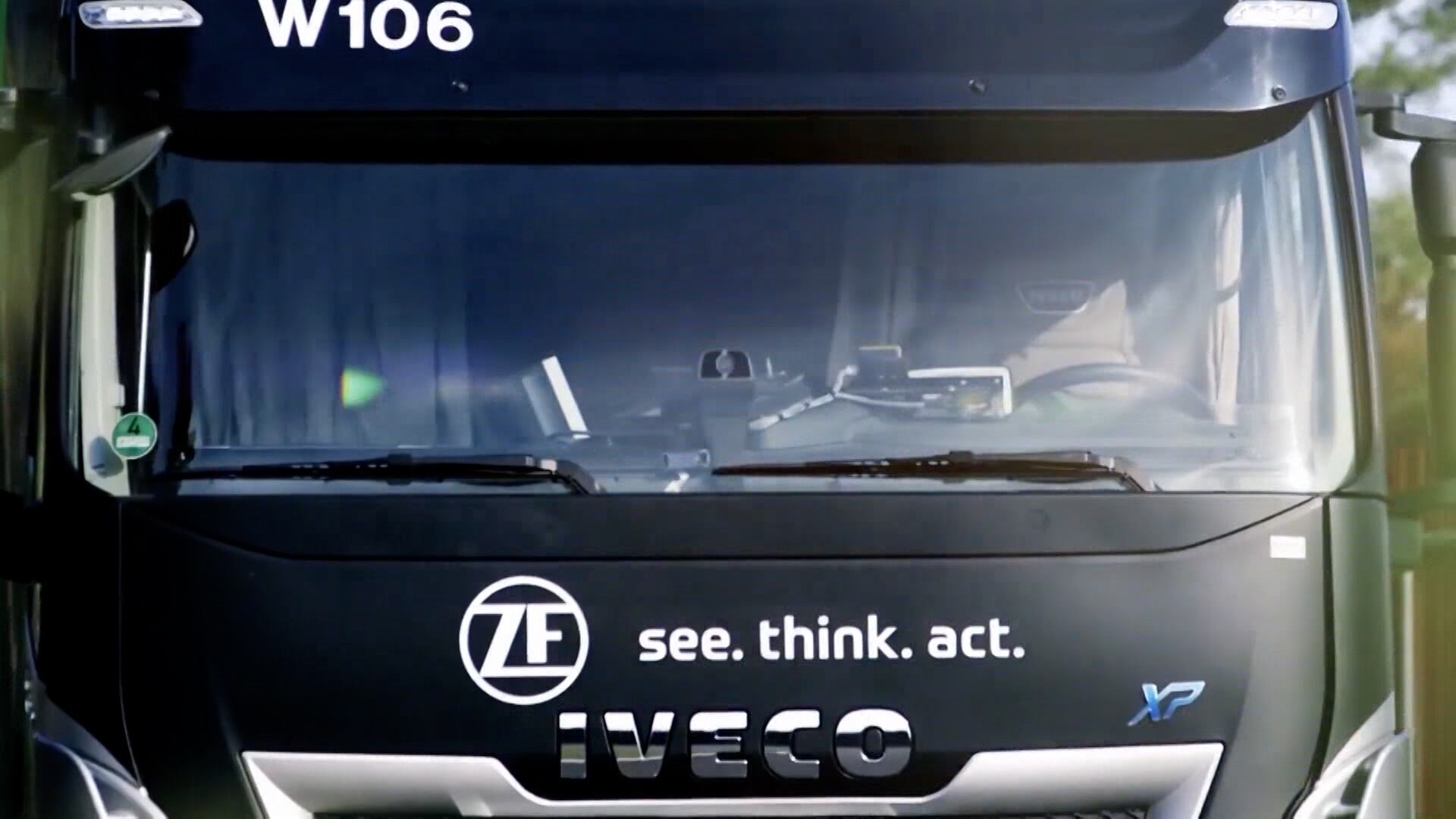
Cars Made to Order Online Could Improve Supply Chain, Might Be Here to Stay in U.S.
Like the big changeover to e-commerce for retail, the COVID-19 pandemic has moved car buying trends to the digital showroom. Karl Brauer, an executive analyst at iSeeCars.com, joined Cheddar to talk about the "mindset shift" in consumers and businesses to order-based systems in the United States (something more common in other countries). While more than 60 percent of consumers still prefer to visit dealerships in-person, Brauer noted that consumers are better off ordering a car to spec, which would also help improve supply constraints. "It's really bad right now to be building cars and not really knowing who's going to buy them or when they're going to sell," he said. Manufacturing a car to order would maximize the efficiency of obtaining materials through the supply chain rather than "shotgunning it" at dealerships.
What the Elizabeth Holmes Fraud Conviction Means for Silicon Valley Startups
Mark MacDougall, attorney and former prosecutor with the criminal division of the Department of Justice, joined Cheddar to discuss the fraud conviction of Theranos founder Elizabeth Holmes. MacDougall addressed Holmes' stance that what she did was no different than any other Silicon Valley startup's approach to business and how this will shake out for the industry going forward. "I can't imagine it doesn't have some salutary effect on entrepreneurs and people involved in new ventures going forward," he said. Holmes was found guilty on 4 of 11 counts, with each carrying a maximum of 20 years in prison, but MacDougall explained that the lengthy prison sentences were unlikely.
Sports Betting Sees Nationwide Boom
Sports betting is going mainstream in the United States. Dozens of states have legalized it, California is set to do the same this year. Arizona, which legalized sports betting in September, set new national records for gambling in its first months. Daniel Graetzer, CEO of Maximbet, joins Cheddar News to discuss what's next for the booming industry.
Predictions for Future Trends in the Healthcare Industry; The Future of Wearable Health Tech
On this episode of Cheddar Reveals, Dr. Anita Gupta, Adjunct assistant professor of anesthesiology and critical care medicine at the Johns Hopkins University School of Medicine, shares her forecast for the healthcare industry in 2022; Waseem Asghar, Ph.D., Associate Professor, Department of Computer & Electrical Engineering and Computer Science, Florida Atlantic University, breaks down the latest progress, trends, and innovations in wearable health tech; Cheddar gets a look at Curiosity Stream's 'Hacking our Biome.'
The Future of Wearable Health Tech
Waseem Asghar, Ph.D., Associate Professor, Department of Computer & Electrical Engineering and Computer Science, Florida Atlantic University, joins Cheddar Reveals to break down the latest progress, trends, and innovations in wearable health tech.
Ford to Double Production of Electric F-150 Lightning Truck as Demand Soars
Ford is accelerating production of its highly anticipated electric F-150 Lightning with an expectation to pump out 150,000 vehicles annually to meet surging demand. Kumar Galhotra, Ford president of the Americas and international markets group, joined Cheddar to detail the plan to get more customers behind the wheel and to become the top of the competition in the electric vehicle space. "Within the next 24 months, we will have capacity, globally, to deliver 600,000 battery-electric vehicles per year," he said.
Load More