Facebook Reports Earnings After Announcing an Adjusted News Feed Strategy and Microsoft Moves Ahead with Strong Cloud Strategy
Facebook and Microsoft released earnings after the Closing Bell today. The two tech companies beat expectations for both revenue and earnings per share.
Microsoft saw growth across the board, including in their cloud sector. Intelligent Cloud revenue rose 15% to $7.8 billion.
For Facebook, the social media still had strong earnings despite changing their news feed algorithm. Despite wins on both revenue and EPS, shares fell after the bell.
Keenan Beasley is the co-founder of BLKBOX, a marketing and intelligence agency that works closely with Facebook. Beasley joins Cheddar to give his take on Facebook earnings. Beasley is impressed by the increase of active users and believes ad revenue will just continue to grow. Beasley expects Facebook to produce less ads, but each advertisement will be more valuable, more expensive to buy, and therefore create higher profits for Facebook.
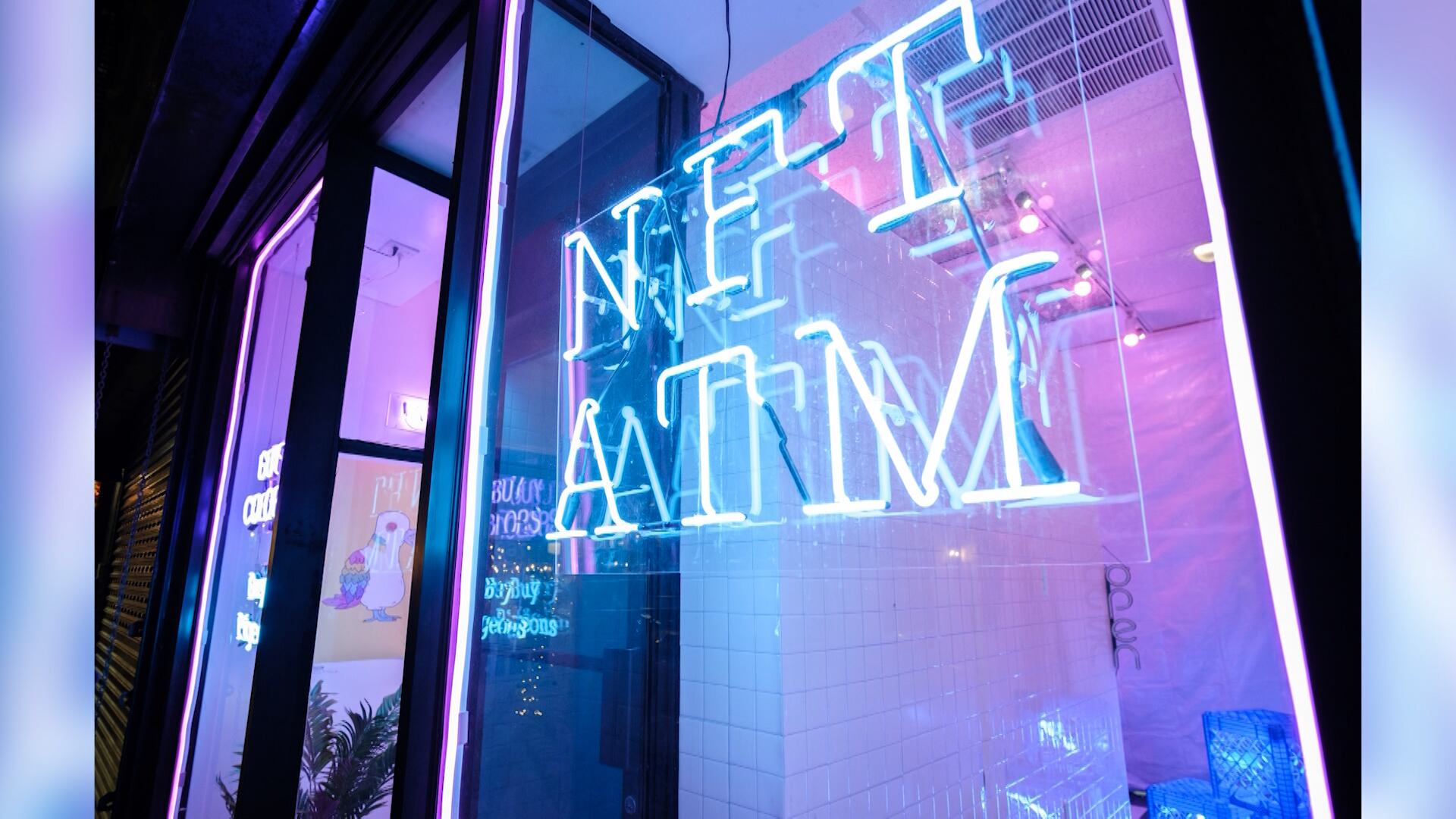
NFT and digital collecting platform Neon recently raised $3 million in seed funding. The startup also launched the world's first NFT vending machine, located in New York City's Financial District. Neon says it aims to be the simplest and most accessible way to buy, sell, and trade NFTs, both online and in the real world. Kyle Zappitell, CEO of Neon, joined Cheddar News' Closing Bell to discuss.
President Biden issued his first executive to begin determining how the United States will move forward on digital currencies. Charlotte Principato, a financial services analyst for Morning Consult, joined Cheddar News Wrap to discuss. "What this executive order says is that crypto is mainstream," she said. "The United States has put our hat in the race to create a central bank digital currency and one with the power of the U.S. dollar behind it, so I think it's a really exciting time for both the cryptocurrency and the digital asset world."
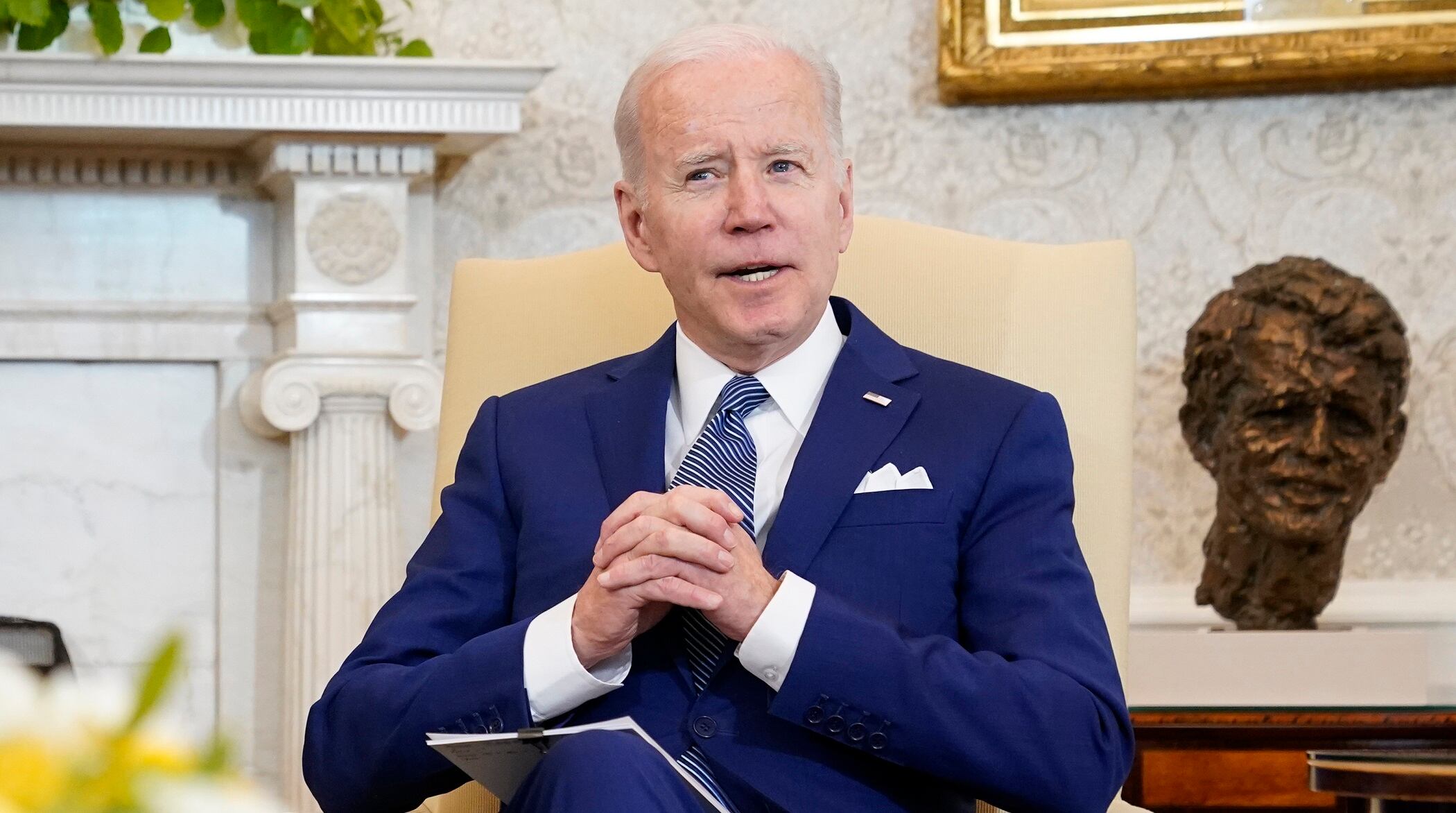
President Joe Biden on Wednesday signed a long-awaited executive order on cryptocurrencies, striking a careful balance between highlighting the risks of digital assets and touting their potential benefits.
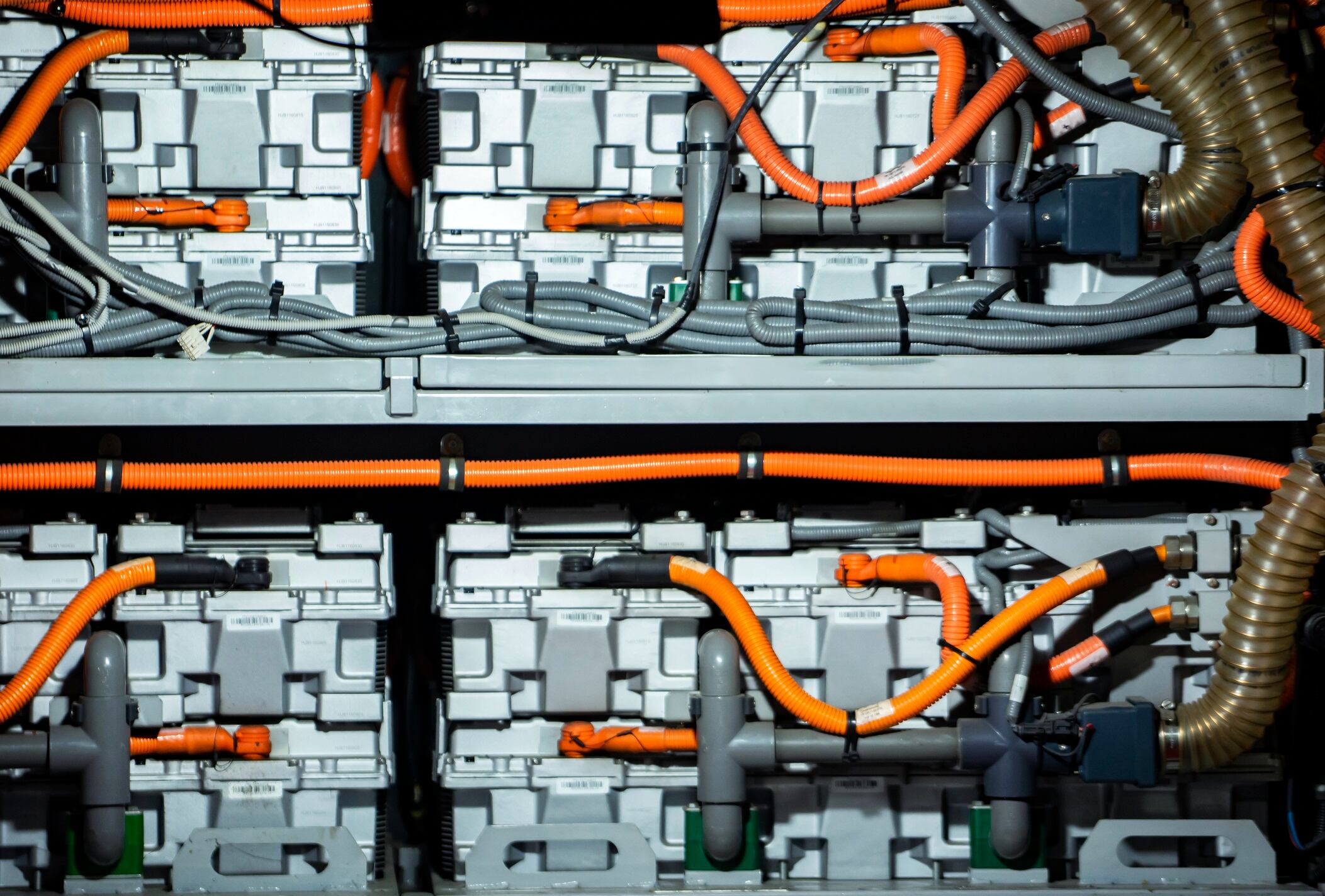
The price of nickel, one of the key minerals needed to produce stainless steel and lithium-ion batteries, saw an unprecedented surge Tuesday amid fears that Western sanctions could cut off Russian supplies of the crucial commodity.
Apple on Tuesday unveiled a new version of its budget-priced iPhone that’s capable of connecting to ultrafast 5G wireless networks, an upgrade that has been available on the company’s upscale models for more than a year.
For Fadia Kader, the global head of strategic and media partnerships at social audio app Clubhouse, it's about pushing culture forward and connecting people with the biggest and brightest stars in music and entertainment.
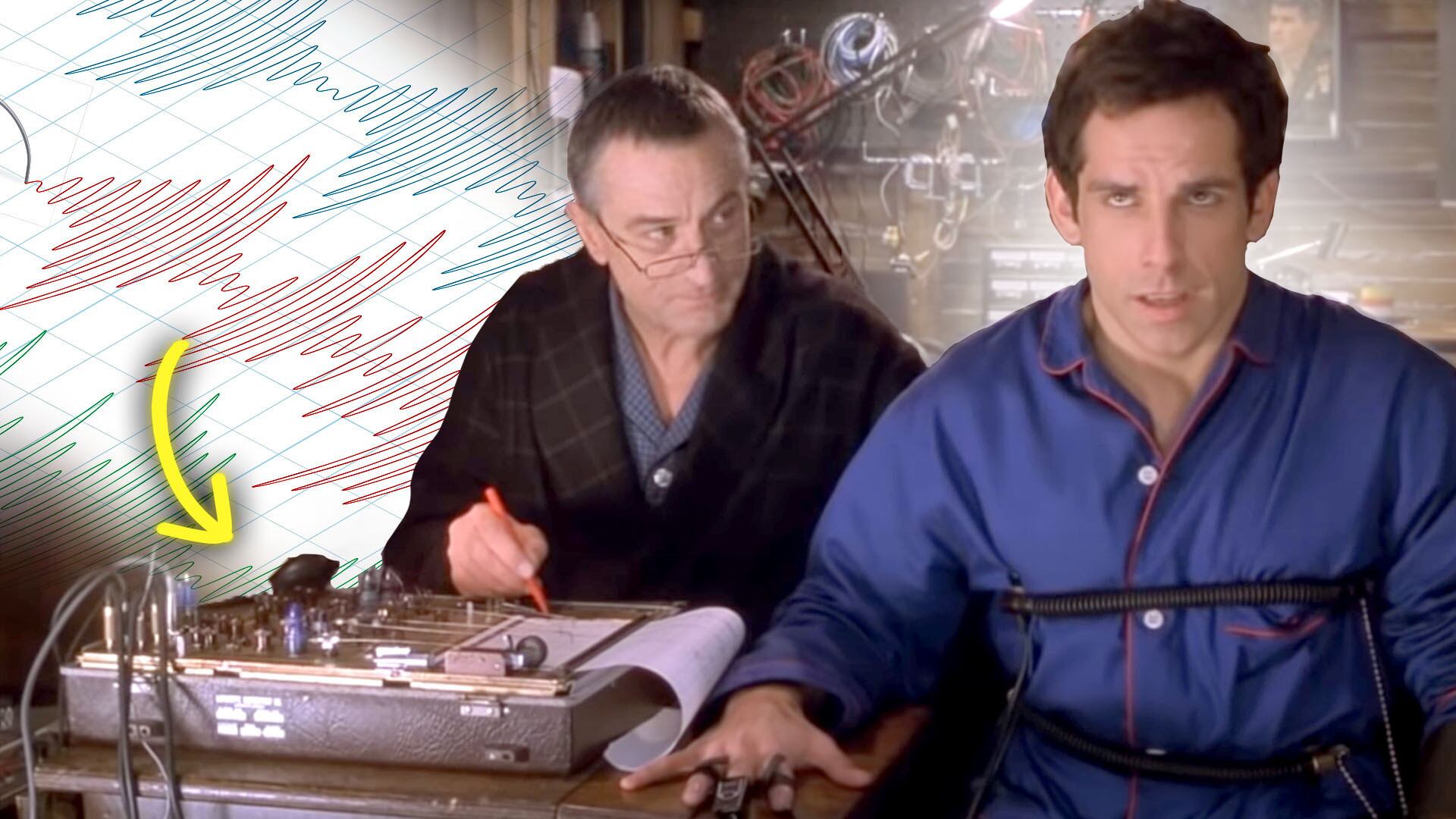
Lie detectors don't work. In fact, the science behind them has been increasingly scrutinized since their inception. But they’re still being used in high-stakes scenarios with real consequences.
So, if lie detectors don’t actually work, why do we still use them?