Apple Boots Facebook Privacy App for Violating Privacy
*By Carlo Versano*
Apple instructed Facebook to remove an app that lets users redirect their mobile data through a VPN managed by Facebook servers, saying the software violated new rules Apple put in place to limit the data developers can collect.
The iPhone maker's demand to remove Onavo Protect ー which is ostensibly designed to protect user privacy ー for being too broad in how it tracks those users is a blow to Facebook as the social media giant grapples with new controversies related to its ad model, privacy, and the distortion of the platform by bad actors. The story was first reported late Wednesday by the [Wall Street Journal](https://www.wsj.com/articles/facebook-to-remove-data-security-app-from-apple-store-1534975340).
Apple said in a statement that it "made it explicitly clear that apps should not collect information about which other apps are installed on a user’s device for the purposes of analytics or advertising/marketing and must make it clear what user data will be collected and how it will be used.”
Facebook told the Journal, “We’ve always been clear when people download Onavo about the information that is collected and how it is use."
The company also removed another app, mostly out of use since 2012, that it said may have mishandled the personal data of about 4 million users. The "myPersonality" app is the second casualty of Facebook's app auditing process, which it instituted amid the fallout from Cambridge Analytica.
Meanwhile, Facebook's partnership lead Dan Rose, one of the company's first executives, [announced](https://www.facebook.com/drose/posts/10105190309509931) Wednesday that he is leaving the company. His departure comes after communications chief Elliot Schrage [vacated his post](https://variety.com/2018/digital/news/facebook-elliot-schrage-departure-1202846683/) in July after the Cambridge Analytica scandal, and chief security officer Alex Stamos [stepped down](https://www.businessinsider.com/alex-stamos-is-leaving-facebook-2018-3) at the start of this month.
Elon Musk announced that he expects Starship to reach orbit in 2022. The SpaceX CEO delivered updates about the largest space vehicle to be constructed from its Texas facility. Jim Cantrell, CEO and co-founder at Phantom Space, joined Cheddar News to talk about the future of Starship. "I've always done wrong by betting against Elon," he said. "The one thing that I find very curious is it launches 100 metric tons into space, and last year, in the entire year, we launched 750. So, you know, with about seven launches, he could launch every satellite on Earth."
Sheri Bachstein, CEO of The Weather Company and GM of IBM Watson Advertising, joins ChedHER to discuss her successes in this role, and how she's helping women thrive in the c-suite.
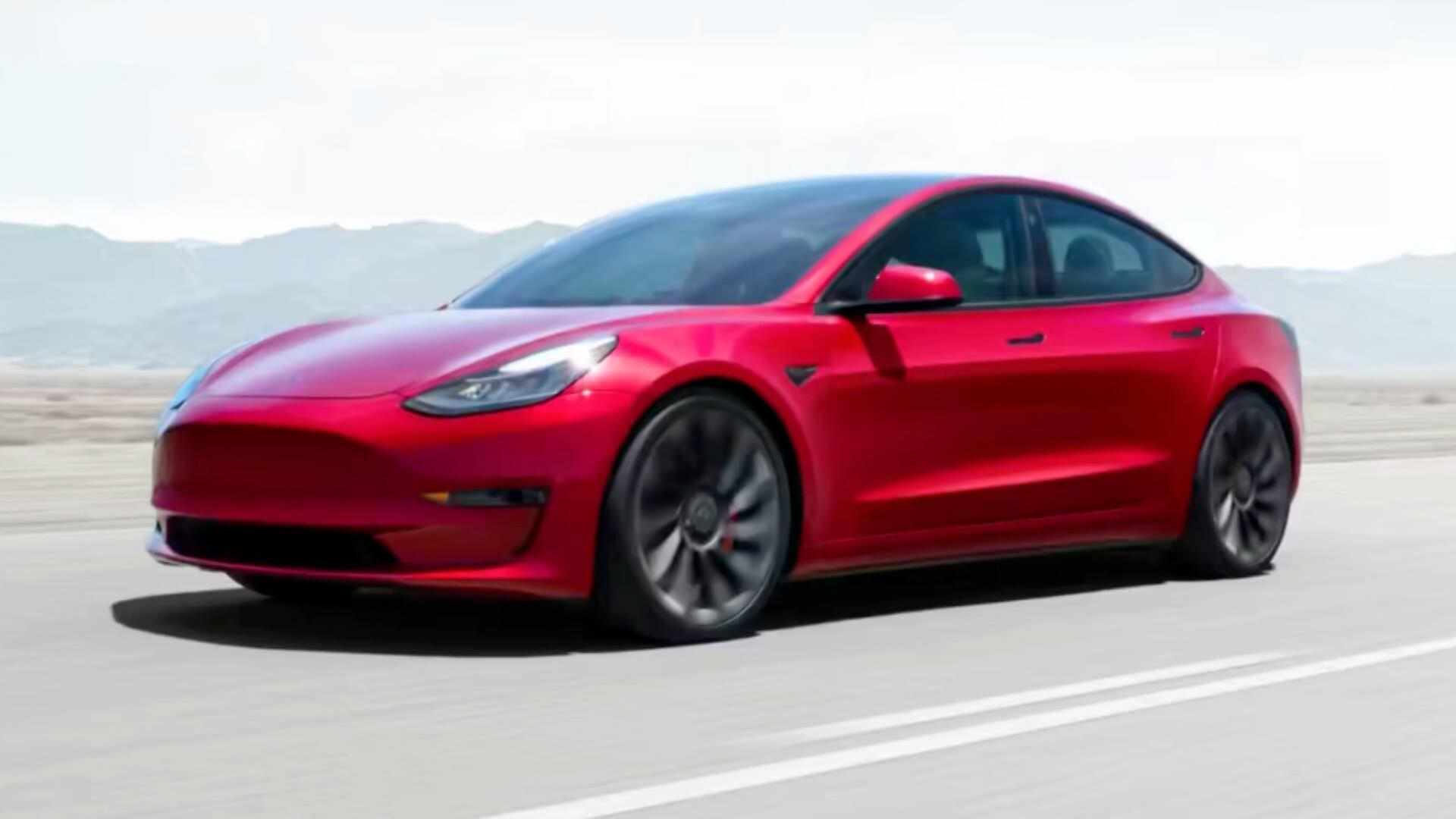
Amid a string of recalls for their electric cars, Tesla is also facing a lawsuit over workplace discrimination. The electric automaker is being accused by California’s Department of Fair Employment and Housing of a pattern of racial discrimination against Black workers. Caleb Silver, Editor-in-Chief at Investopedia, joined Cheddar News to discuss the numerous technical and safety issues that led to the recalls and the allegations of systemic racist abuse at its Fremont plant. "Tesla disputes these claims, but still you can’t avoid the pattern," he said.
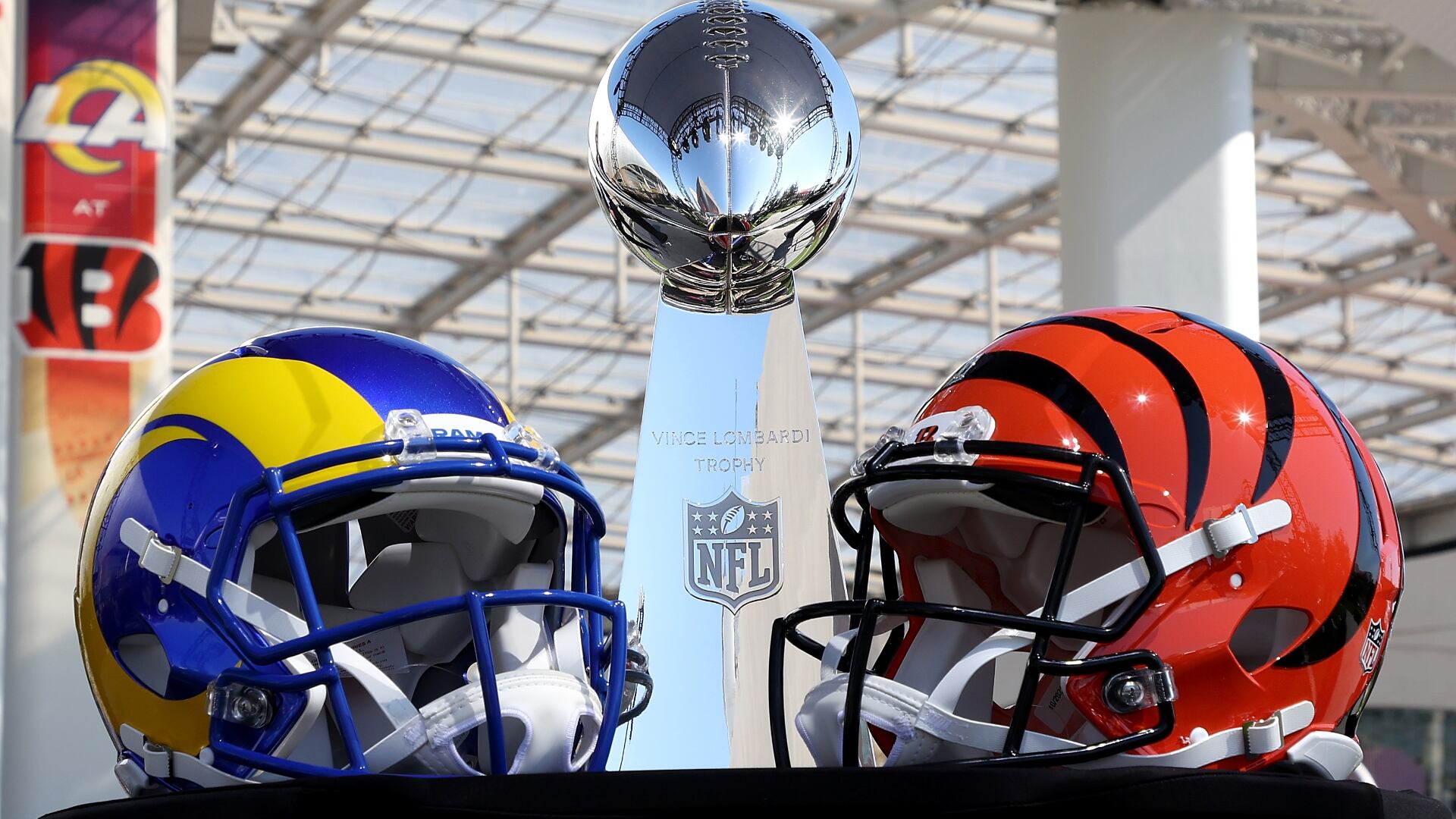
The Super Bowl is only a few days away, and the game is currently tracking to be the most expensive one ever.
Gametime, a website and app for last-minute tickets, says the average ticket price for the NFL's championship game is $9,502.50, with the most expensive seats costing nearly $38,000. That's a far cry away from the average ticket price of the first-ever Super Bowl in 1967, which was only $12. The average ticket price increased by more than $8,000 in just the past decade. Matt Rados, Senior Operations Manager at Gametime, joins Cheddar News' Closing Bell to discuss.