*By Conor White*
After losing $136 billion in market cap in less than a week, Facebook is looking for ways to reinvigorate its outlook at a time of slowing ad revenue growth, [continued fallout](https://cheddar.com/videos/facebook-stock-crushed-after-disappointing-earnings) from the Cambridge Analytical data privacy scandal, and the [latest revelation](https://www.nytimes.com/2018/07/31/us/politics/facebook-political-campaign-midterms.html) Tuesday that it's detected attempts to influence this November's midterm elections.
"It's been a long 2018 for Facebook," said Madison Malone Kircher, an associate editor at New York Magazine. "Which brings us to the one thing Facebook is doing right, and that's the Stories platform. It works really well on Instagram, which Facebook owns, and they've really been trying to push to make it work on Facebook."
Instagram Stories has 400 million daily users, double the number of users of rival Snapchat, and Facebook has been trying to lure advertisers to the Stories platform.
Kircher said in an interview Tuesday with Cheddar that neither of the social media companies has figured out how to make user-generated stories on their platforms profitable.
"Snapchat, which is the creator of this style of posting, has also struggled with it," Kircher said. "They rolled out a new platform called 'Commercials' this week, which is similarly trying to figure out how to sell ads against this style of content."
In the end, Kircher said Facebook can push Stories to advertisers all it wants, but it won't be successful until it's popular with users.
"It's a two-fold problem Facebook has," Kircher said. "One, trying to convince advertisers to buy ads in this space, but first they have to figure out how to get us to use it."
For more on this story, [click here](https://cheddar.com/videos/facebook-pushing-stories-feature-to-advertisers).
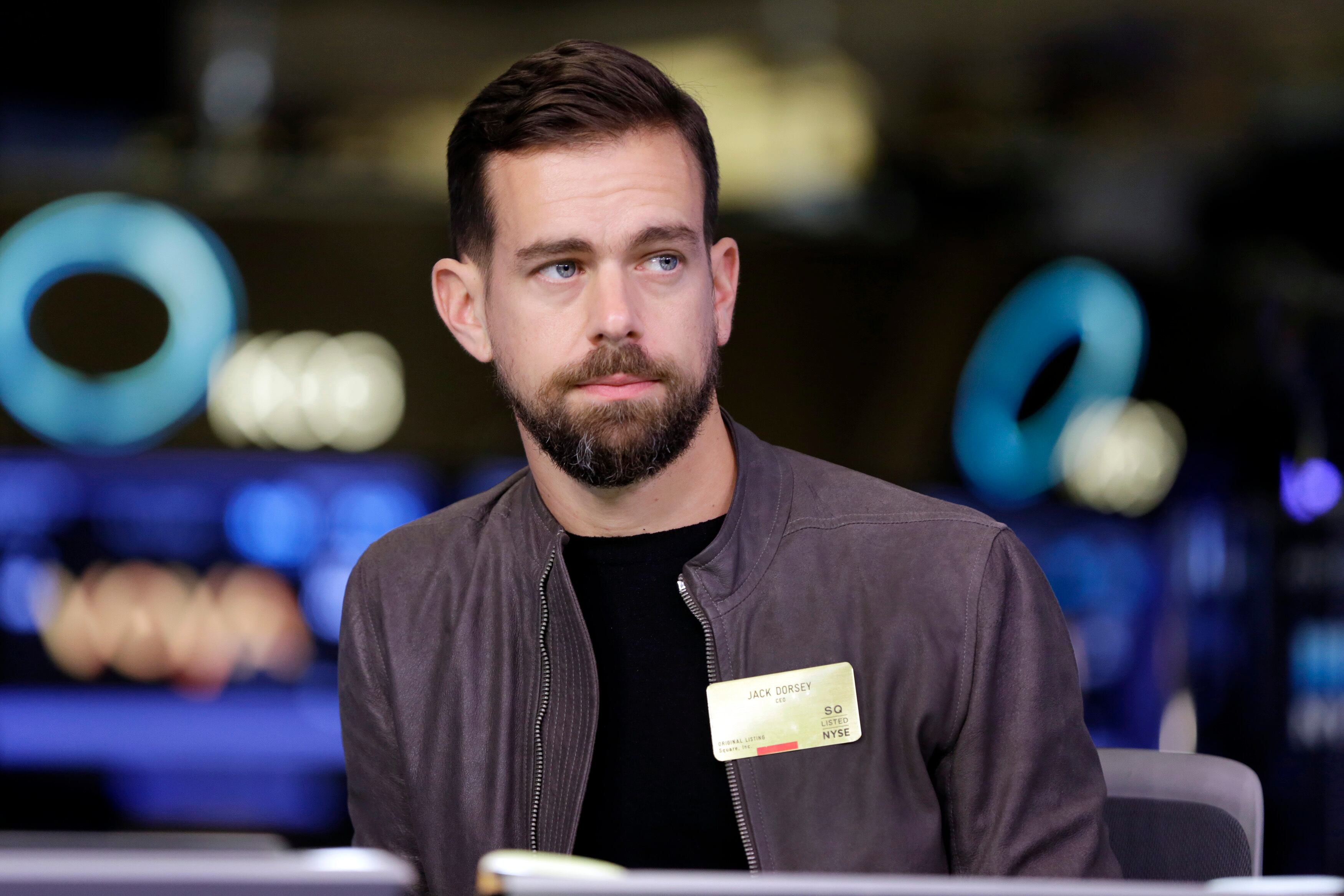
Facebook COO Sheryl Sandberg and Twitter CEO Jack Dorsey will testify before the Senate on Wednesday. Tony Romm, technology reporter at The Washington Post, explains what to expect and weighs in on what the absence of a Google executive could mean. Meanwhile, President Trump's Supreme Court pick Brett Kavanaugh faces lawmakers Tuesday as his confirmation hearings begin. And Samsung is looking to unveil a foldable phone by the end of this year.
The DC Universe is getting its own streaming service starting Sept. 15. Alan Wolk, co-founder of TV{R}ev, believes niche services will continue to grow as cord-cutting proliferates and customers build their own bespoke bundles.
Facebook COO Sheryl Sandberg and Twitter CEO Jack Dorsey will face the Senate Intelligence Committee Wednesday on Capitol Hill to discuss a variety of topics like hate speech and election interference. Tony Romm, Technology Reporter for the Washington Post, says Google's refusal to send a high-level exec could result in "huge PR hits" for the company.
To finish out August, Elon Musk changed his mind about taking his company private, sending shares down 6.5 percent this week. Reports also emerged that investor BlackRock voted to remove Musk as chairman.
Yext allows companies to control the information being sent to systems such as Apple's Siri or Amazon's Alexa, and manage that content just as they would their own websites, said CEO Howard Lerman. Yext shares rose Friday after it posted a smaller loss than expected for the latest quarter. The stock has about doubled since the company went public in April 2017.
Skip was one of two scooter companies chosen for San Francisco's pilot program for dockless rentals. While larger competitor Lime, whose application was rejected, criticized the decision, Skip CEO Sanjay Dastoor said his company actually has more experience than Lime and alluded to the slew of complaints levied against his rival.
Maryann Turcke, the COO of the NFL, is the highest ranking woman in professional sports leadership. She talks to Cheddar about gender inequality in the industry and what she's doing to reach a younger audience that's cutting the cord.
Amazon put out a statement refuting Bernie Sander's position that its workers were underpaid and overworked. Brian Heater, a hardware editor at TechCrunch, thinks the nearly $1 trillion company can withstand it.
In its pick of two small start-ups over Bird, Lime, Uber, and Lyft, San Francisco sent a signal that the most valuable mobility companies' "launch first, ask questions later" approach is catching up to them. Scoot Global and Skip were chosen because they said they would keep riders off the sidewalks and would provide services to low-income residents. Meanwhile, Santa Monica announced that it would open its shared mobility pilot program to e-scooters from Uber, Lyft, Bird, and Lime.
Paul Johnson, partner at Harbor Peak, said regulators are nervous about being interpreted as backing crypto investing. But Bitcoin and Ethereum continue to benefit from widespread user adoption, while other platforms will likely fade away.