*By Conor White*
After losing $136 billion in market cap in less than a week, Facebook is looking for ways to reinvigorate its outlook at a time of slowing ad revenue growth, [continued fallout](https://cheddar.com/videos/facebook-stock-crushed-after-disappointing-earnings) from the Cambridge Analytical data privacy scandal, and the [latest revelation](https://www.nytimes.com/2018/07/31/us/politics/facebook-political-campaign-midterms.html) Tuesday that it's detected attempts to influence this November's midterm elections.
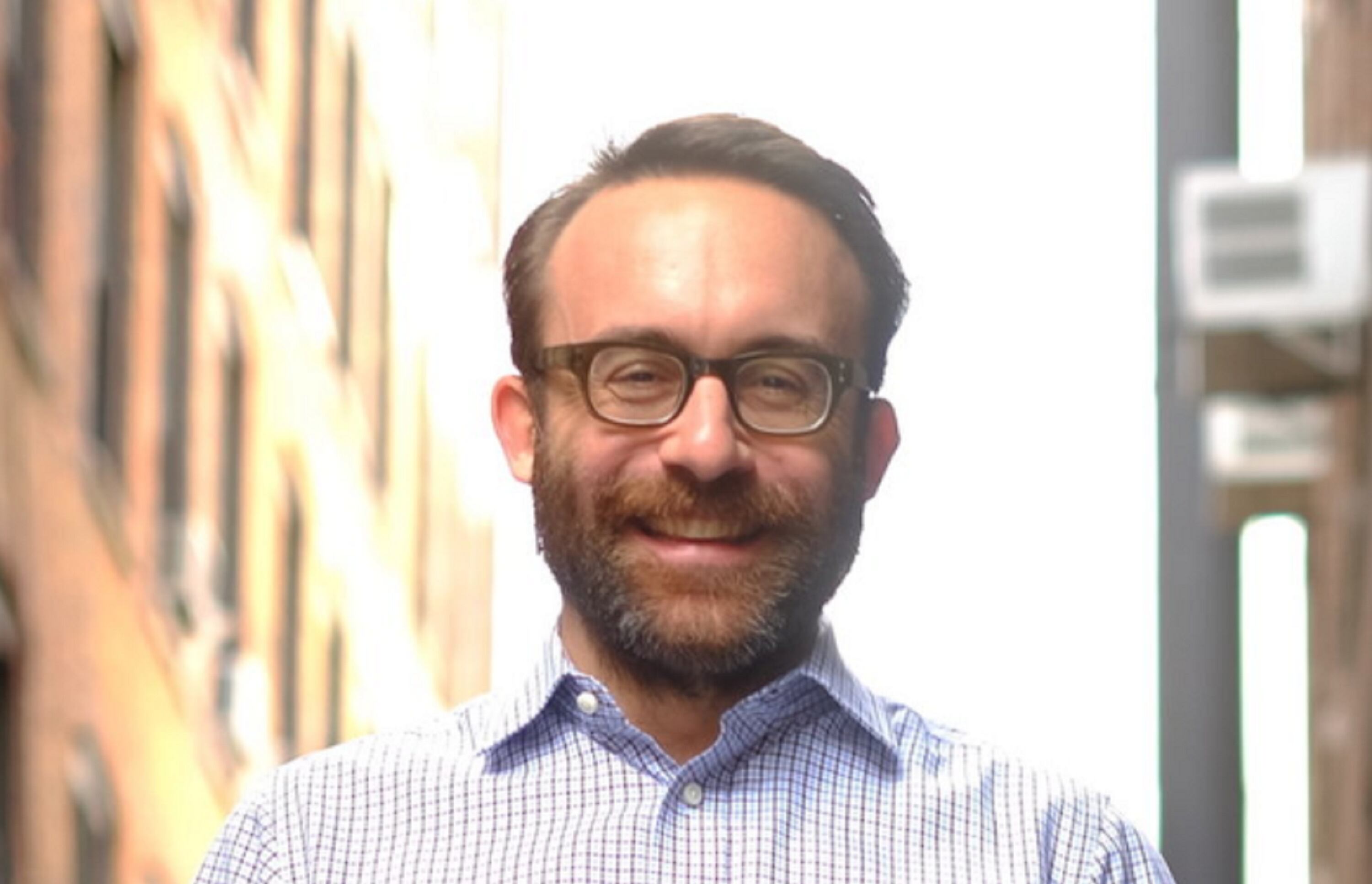
"It's been a long 2018 for Facebook," said Madison Malone Kircher, an associate editor at New York Magazine. "Which brings us to the one thing Facebook is doing right, and that's the Stories platform. It works really well on Instagram, which Facebook owns, and they've really been trying to push to make it work on Facebook."
Instagram Stories has 400 million daily users, double the number of users of rival Snapchat, and Facebook has been trying to lure advertisers to the Stories platform.
Kircher said in an interview Tuesday with Cheddar that neither of the social media companies has figured out how to make user-generated stories on their platforms profitable.
"Snapchat, which is the creator of this style of posting, has also struggled with it," Kircher said. "They rolled out a new platform called 'Commercials' this week, which is similarly trying to figure out how to sell ads against this style of content."
In the end, Kircher said Facebook can push Stories to advertisers all it wants, but it won't be successful until it's popular with users.
"It's a two-fold problem Facebook has," Kircher said. "One, trying to convince advertisers to buy ads in this space, but first they have to figure out how to get us to use it."
For more on this story, [click here](https://cheddar.com/videos/facebook-pushing-stories-feature-to-advertisers).
Your phone's autofill function can come up with some strange suggestions, but Botnik Studios wants to put an intentionally comedic spin on predictive text. CEO Jamie Brew joined Cheddar to discuss how he's creating art out of machine learning.
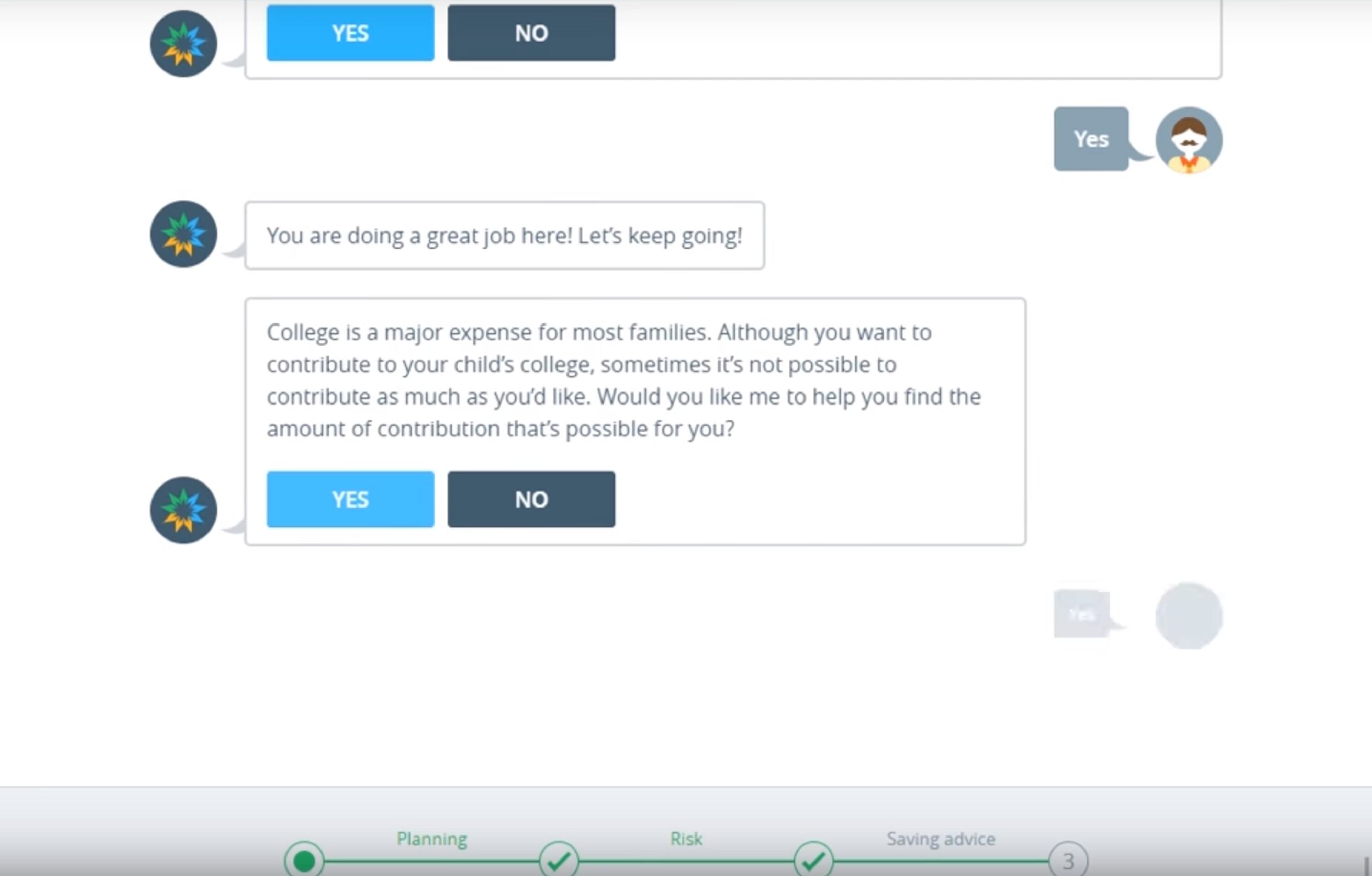
Digital adviser Pefin incorpoates machine learning with financial advice. Ramya Joseph, the company's founder, told us she started the company after helping her father get through the last recession.
Louis Hsieh, the CFO of NIO, which went public on the NYSE Wednesday, said that the Chinese regulations and restrictions on the automotive industry have left no choice but to prioritize electric vehicles.
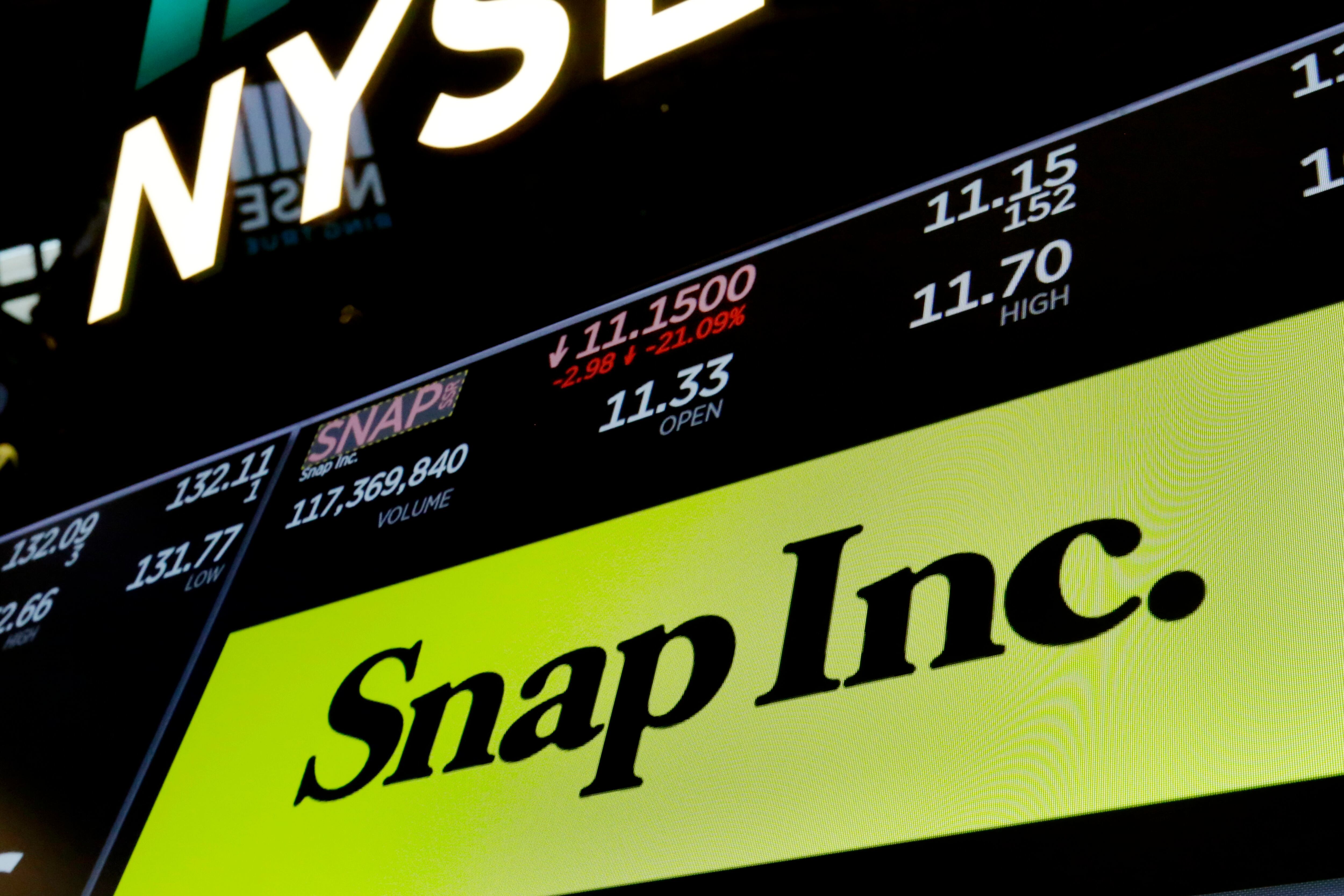
Snap Inc. opened at an all-time low Wednesday morning after BTIG analyst Rich Greenfield downgraded the stock and gave it 12-month price target of $5 a share. The stock fell about 10 percent to start the day.
Ganesh Bell, the president of Uptake, said that his company's software will be able to predict when machines will fail before they do, helping avoid costly mistakes. Uptake uses artificial intelligence in the industrial space for big business in order to streamline their processes.
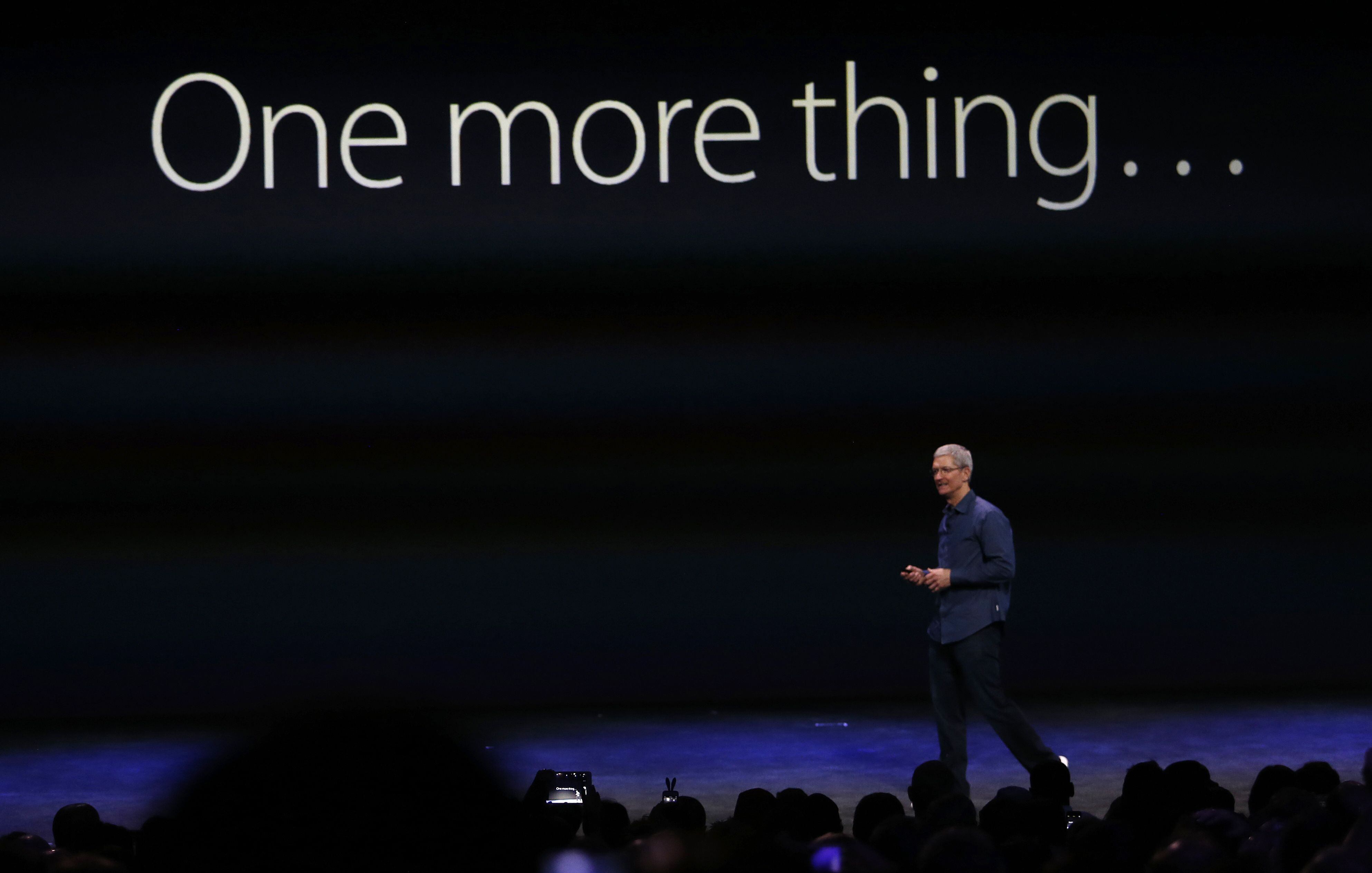
Something different looms over this year's annual Apple keynote: an escalating trade war with China, a country on which the company is so dependent. What will that mean for the consumer? Plus, could there be some surprises in store at Wednesday's event?
Craig Woerz, managing partner at Media Storm, said a certain amount of regulation might be good for an ad industry buffeted by concerns over transparency.
Apple caused more than a few waves last year when it rolled out its first $1,000 iPhone. The company will announce the latest set of products on Wednesday, days after it wrote to the government that it would be forced to raise prices because of the latest tariffs levied against China. Quartz's deputy tech editor Mike Murphy breaks down what to expect.
These are the headlines you Need 2 Know.
StreetCred, launching in New York, crowdsources location data and incentivizes users to submit information with Bitcoin. The location data that Google, Apple, and others own is prohibitively expensive for entrepreneurs to buy, said StreetCred CEO Randy Meech, who hopes his company can change that.