*By Conor White*
After losing $136 billion in market cap in less than a week, Facebook is looking for ways to reinvigorate its outlook at a time of slowing ad revenue growth, [continued fallout](https://cheddar.com/videos/facebook-stock-crushed-after-disappointing-earnings) from the Cambridge Analytical data privacy scandal, and the [latest revelation](https://www.nytimes.com/2018/07/31/us/politics/facebook-political-campaign-midterms.html) Tuesday that it's detected attempts to influence this November's midterm elections.
"It's been a long 2018 for Facebook," said Madison Malone Kircher, an associate editor at New York Magazine. "Which brings us to the one thing Facebook is doing right, and that's the Stories platform. It works really well on Instagram, which Facebook owns, and they've really been trying to push to make it work on Facebook."
Instagram Stories has 400 million daily users, double the number of users of rival Snapchat, and Facebook has been trying to lure advertisers to the Stories platform.
Kircher said in an interview Tuesday with Cheddar that neither of the social media companies has figured out how to make user-generated stories on their platforms profitable.
"Snapchat, which is the creator of this style of posting, has also struggled with it," Kircher said. "They rolled out a new platform called 'Commercials' this week, which is similarly trying to figure out how to sell ads against this style of content."
In the end, Kircher said Facebook can push Stories to advertisers all it wants, but it won't be successful until it's popular with users.
"It's a two-fold problem Facebook has," Kircher said. "One, trying to convince advertisers to buy ads in this space, but first they have to figure out how to get us to use it."
For more on this story, [click here](https://cheddar.com/videos/facebook-pushing-stories-feature-to-advertisers).
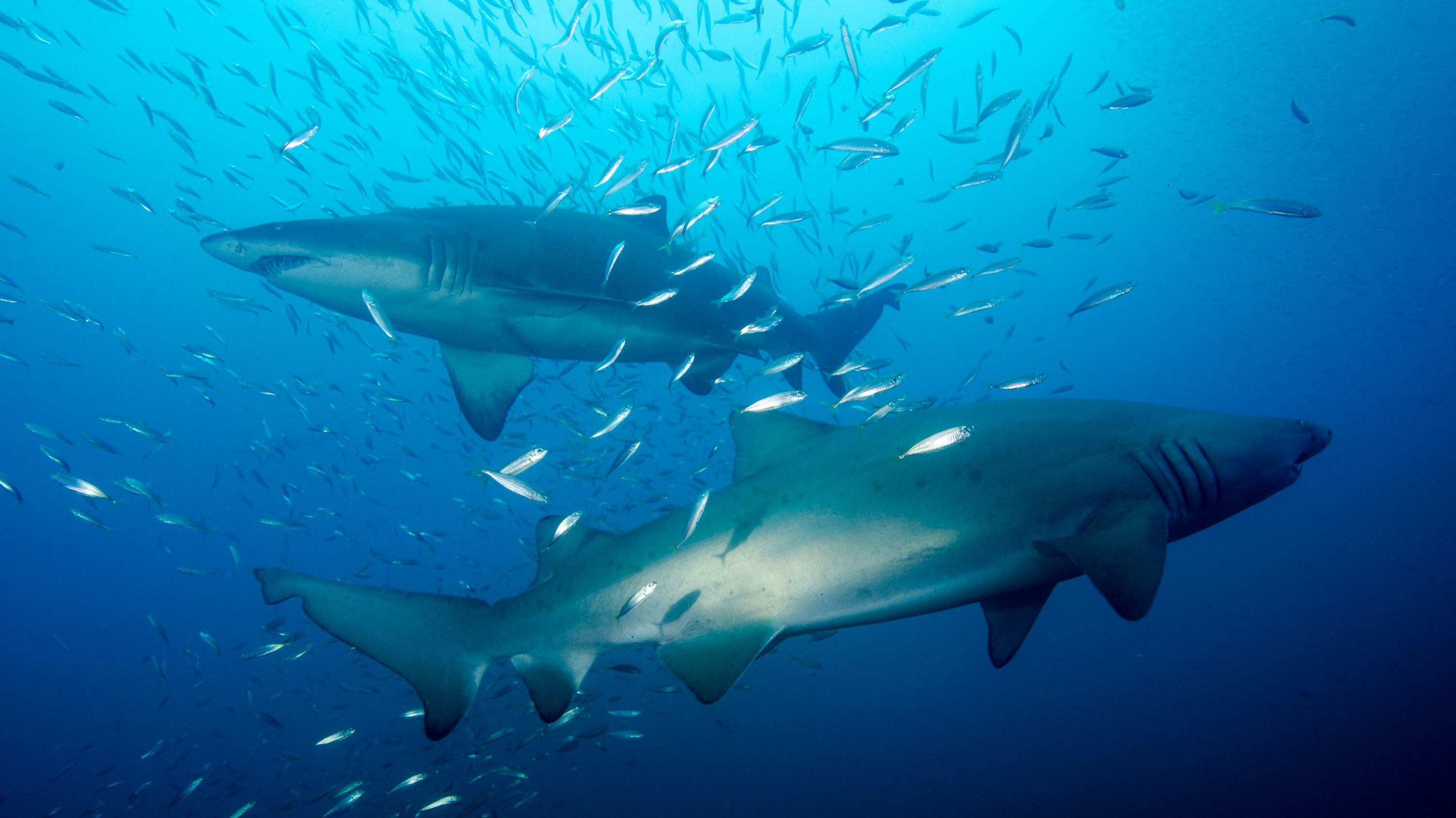
Shark Week is back for its 31st year and fans can bite into a new lineup of shows featuring some of the ocean's fiercest predators.
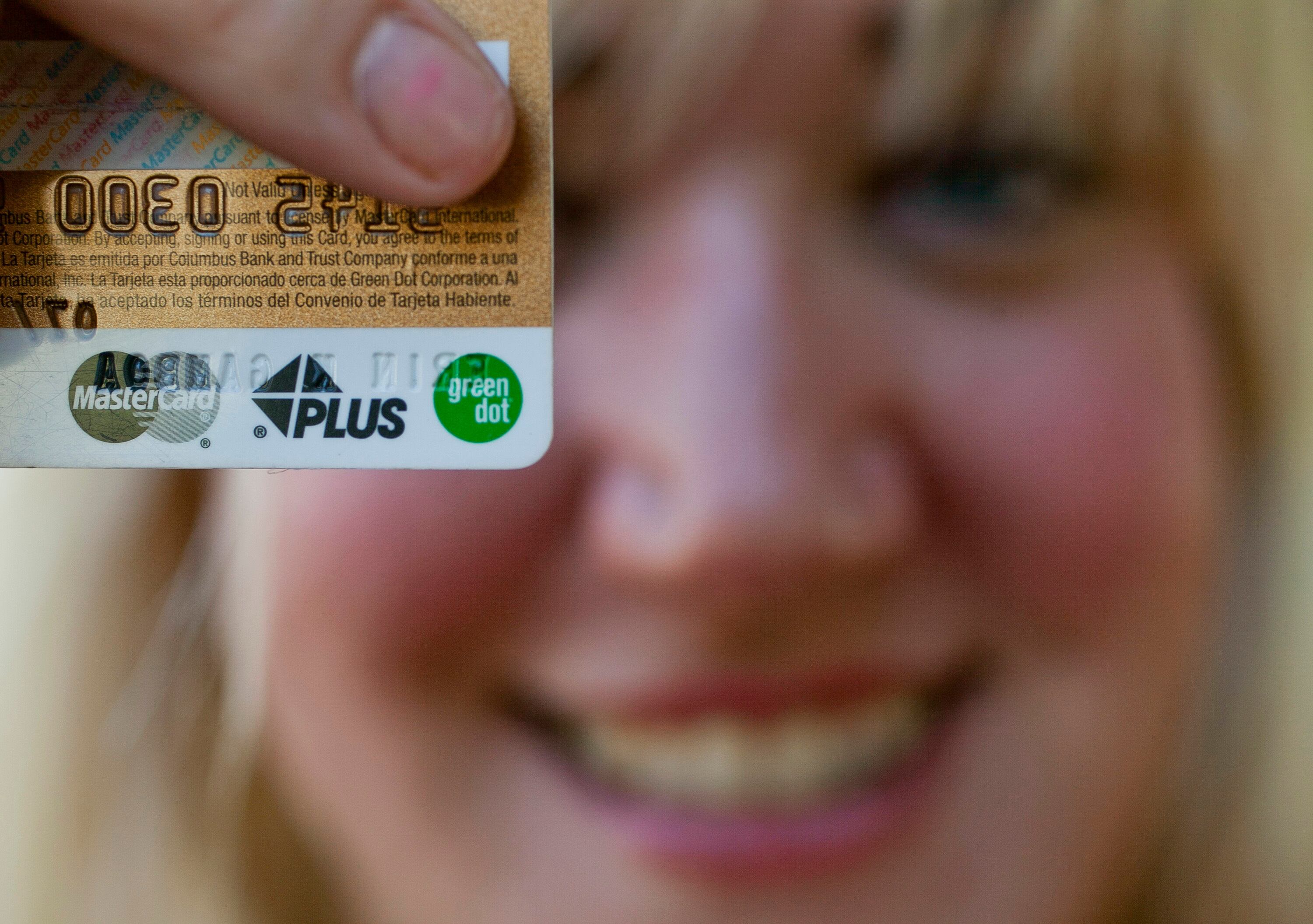
Green Dot, the inventor of prepaid debit cards and the invisible banking platform behind fintech startups and brands like Uber and Apple Pay, is becoming a direct-to-consumer brand with the launch of (yet another) high-yield savings account and a cash-back checking account.
With Project xCloud, Microsoft throws its hat in the ring against the upcoming Google Stadia and the already-existing PlayStation Now service, allowing games to stream from hardware located in the cloud network.
Chicago-based cannabis company Cresco Labs unveiled a new dispensary and retail cannabis shop concept on Monday. Called Sunnyside, the concept emphasizes health and wellness and aims to create an accessible, immersive retail environment that pushes Cresco along on its mission of creating a nationally-recognizable cannabis brand.
Cheddar spoke to Twitter's head of global operations and emerging businesses Yannis Dosios after the social media platform shared strong earnings with the number of monetizable daily active users going up.
From Wall Street to Silicon Valley, these are the top stories that moved markets and had investors, business leaders, and entrepreneurs talking this week on Cheddar.
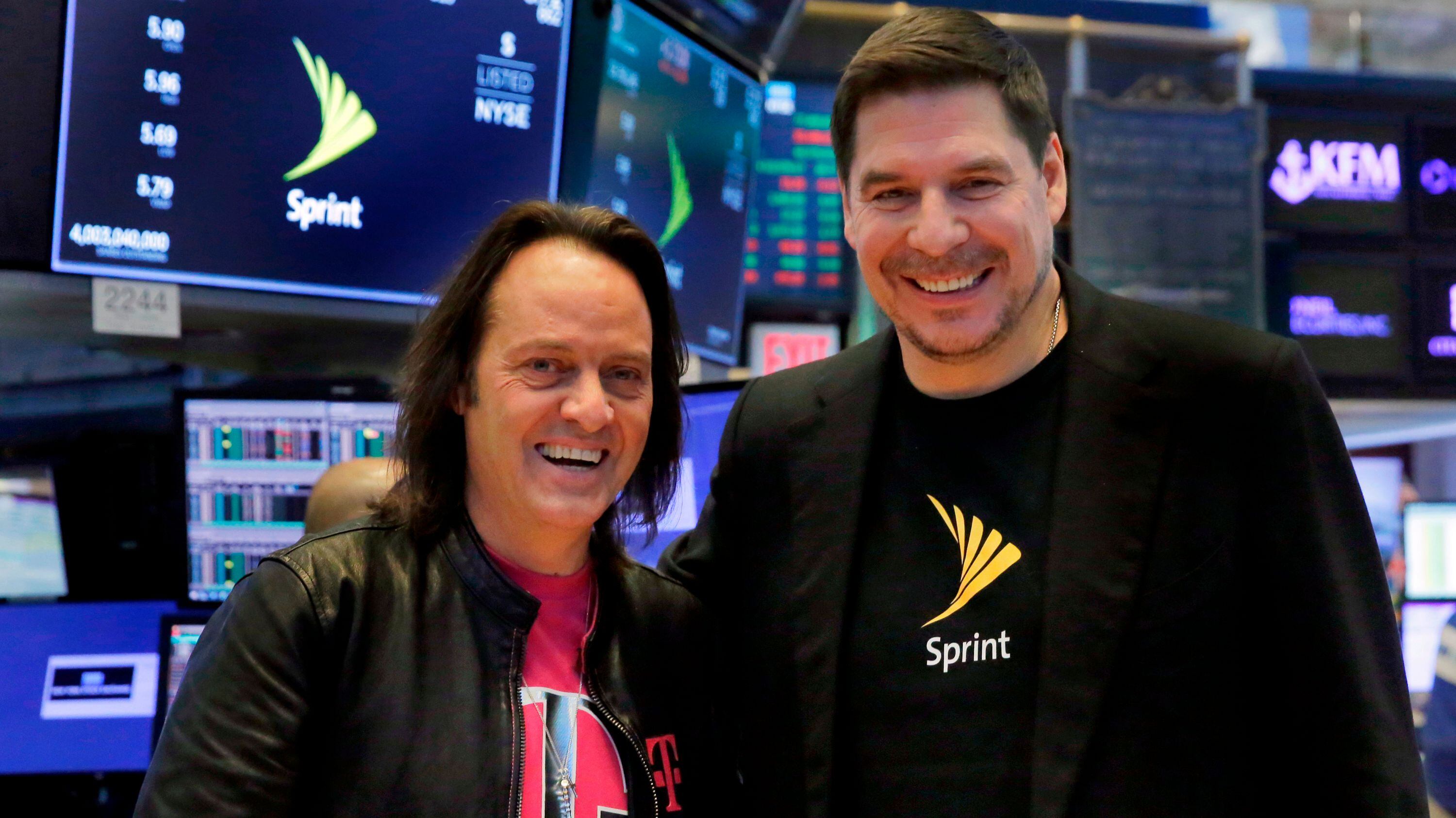
The Department of Justice has required that Sprint divest its prepaid division to Dish in a move worth about $1.4 billion. Sprint and T-Mobile must also make 200,000 cell sites available to that provider as well.
Digital health company Livongo had a successful public debut Thursday on the Nasdaq. It's the latest in a wave of digital health companies entering the public markets. Hemant Taneja, managing director at General Catalyst, joins Cheddar to discuss.
Shares of CannTrust surged 15 percent on Friday after the Canadian cannabis company announced it terminated CEO Peter Aceto in the midst of regulatory drama that has plundered the company's stock value. Jefferies' analyst Ryan Tomkins predicted the management shuffle in a Wednesday note, which called management's positions "untenable."
These are the headlines you Need 2 Know for Friday, July 26, 2019.