*By Conor White*
After losing $136 billion in market cap in less than a week, Facebook is looking for ways to reinvigorate its outlook at a time of slowing ad revenue growth, [continued fallout](https://cheddar.com/videos/facebook-stock-crushed-after-disappointing-earnings) from the Cambridge Analytical data privacy scandal, and the [latest revelation](https://www.nytimes.com/2018/07/31/us/politics/facebook-political-campaign-midterms.html) Tuesday that it's detected attempts to influence this November's midterm elections.
"It's been a long 2018 for Facebook," said Madison Malone Kircher, an associate editor at New York Magazine. "Which brings us to the one thing Facebook is doing right, and that's the Stories platform. It works really well on Instagram, which Facebook owns, and they've really been trying to push to make it work on Facebook."
Instagram Stories has 400 million daily users, double the number of users of rival Snapchat, and Facebook has been trying to lure advertisers to the Stories platform.
Kircher said in an interview Tuesday with Cheddar that neither of the social media companies has figured out how to make user-generated stories on their platforms profitable.
"Snapchat, which is the creator of this style of posting, has also struggled with it," Kircher said. "They rolled out a new platform called 'Commercials' this week, which is similarly trying to figure out how to sell ads against this style of content."
In the end, Kircher said Facebook can push Stories to advertisers all it wants, but it won't be successful until it's popular with users.
"It's a two-fold problem Facebook has," Kircher said. "One, trying to convince advertisers to buy ads in this space, but first they have to figure out how to get us to use it."
For more on this story, [click here](https://cheddar.com/videos/facebook-pushing-stories-feature-to-advertisers).
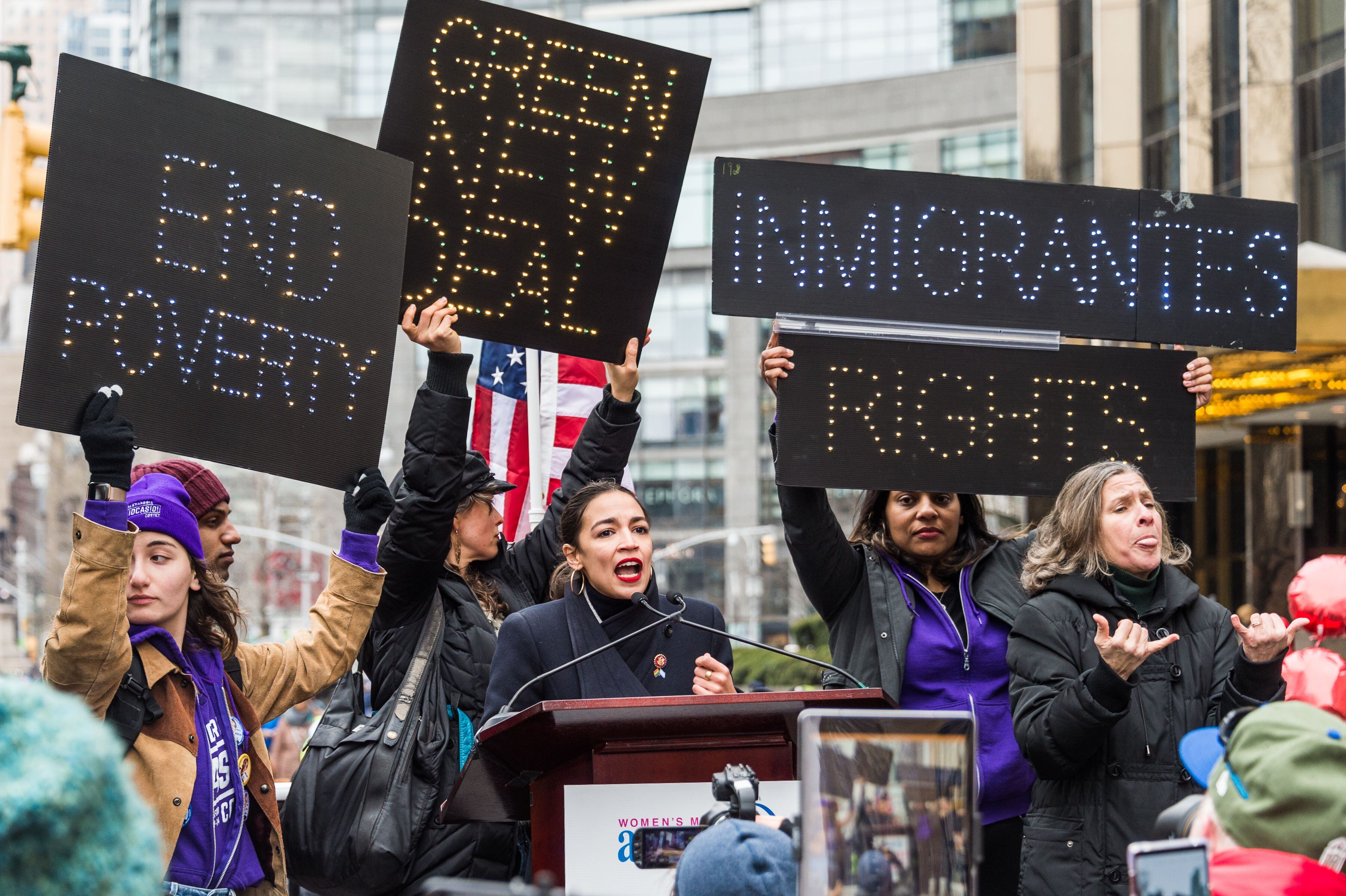
More than a decade after the term was coined by columnist Thomas Friedman in the New York Times, there is a Green New Deal proposal in Congress. Rep. Alexandria Ocasio-Cortez (D-NY) and Sen. Ed Markey (D-MA) have proposed a formal resolution that would frame climate change, economic sustainability and social justice together under a unifying theme, calling for a Depression-era national mobilization similar to FDR's New Deal, and serving as a litmus test for Democratic presidential candidates going forward.
Dave Hickey, president of diagnostics at BD Veritor, talked to Cheddar about Becton Dickinson's newly approved testing product and the need for widespread availability.
TikTok says it will stop operations in Hong Kong after the city enacted a sweeping national security law last week.
Zumba transitions to online courses as the coronavirus pandemic continues upend industries. Alberto Perlman, Zumba CEO, talks programs targeting families and content the company offers online.
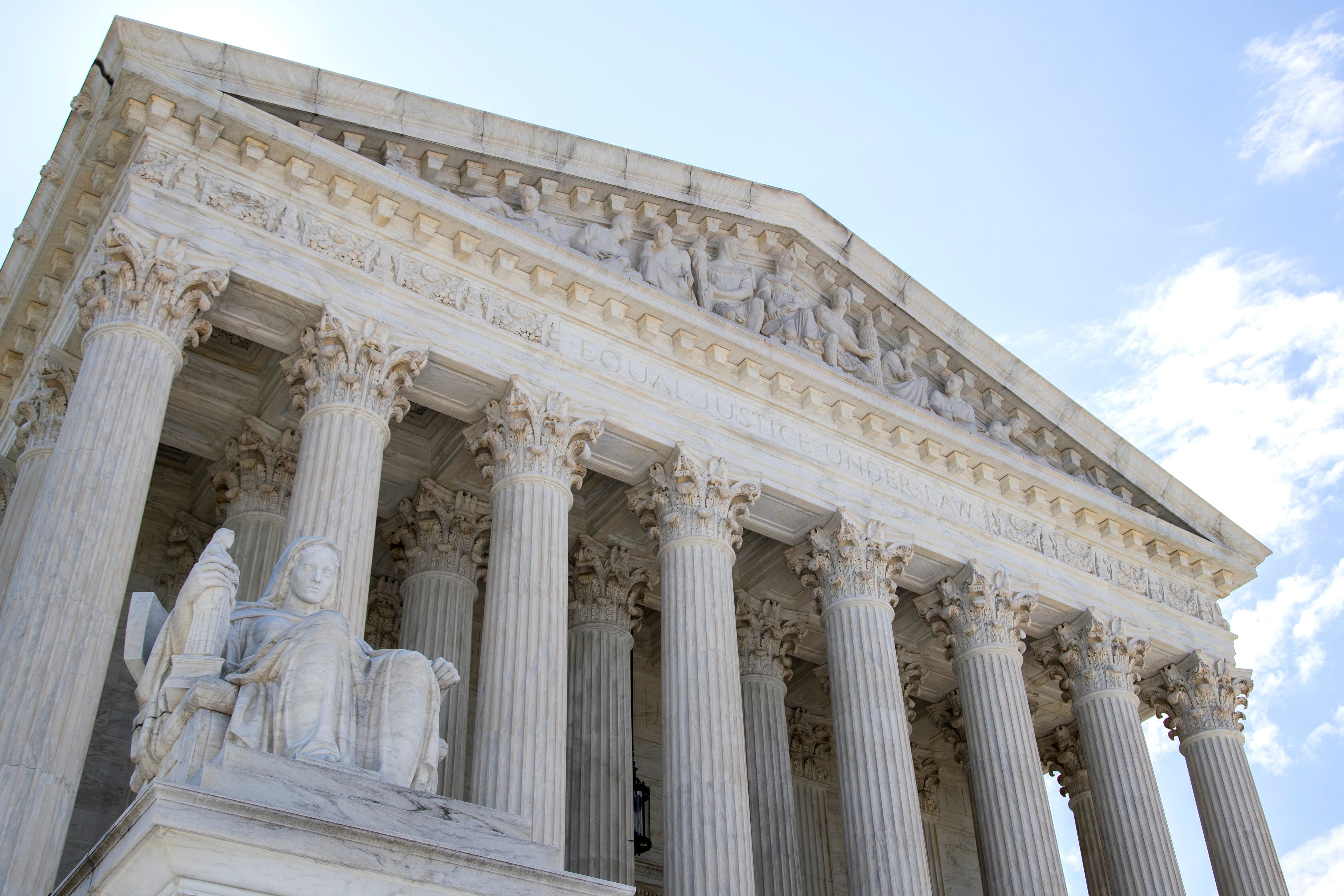
The Supreme Court has upheld a 1991 law that bars robocalls to cellphones.
Uber finally got its food delivery company, acquiring Postmates in a $2.65 billion all-stock deal, the ride-hailing giant has confirmed.
From Wall Street to Silicon Valley, these are the top stories that moved markets and had investors, business leaders, and entrepreneurs talking this week on Cheddar.
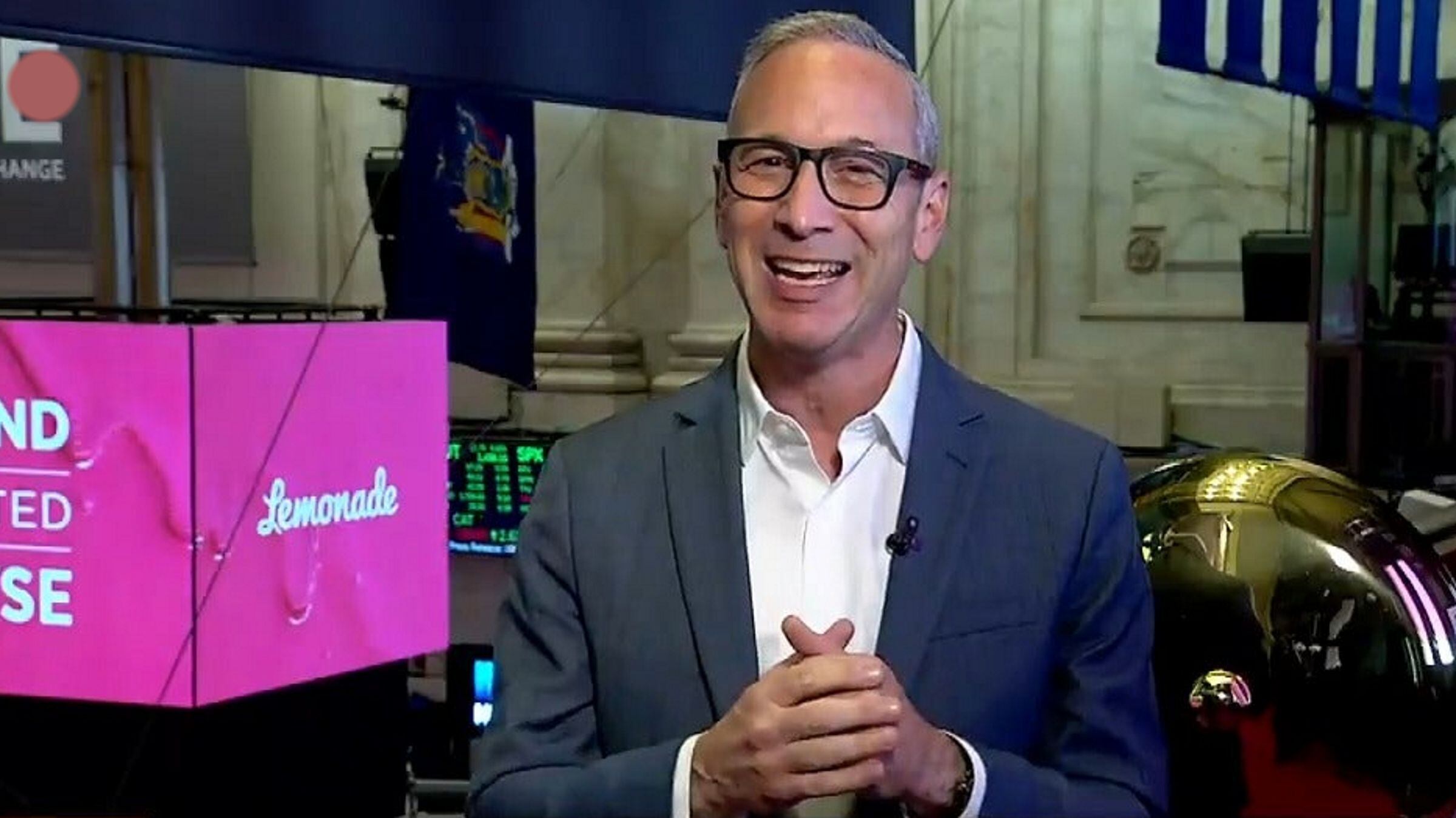
Lemonade Insurance makes its public trading debut as its shares doubled in price. Co-founder and CEO Daniel Schreiber, talks company success in non-traditional online insurance business and becoming profitable after going public.
As audiences move away from traditional TV, digital media made its pitch for advertising dollars at the 2020 NewFronts.
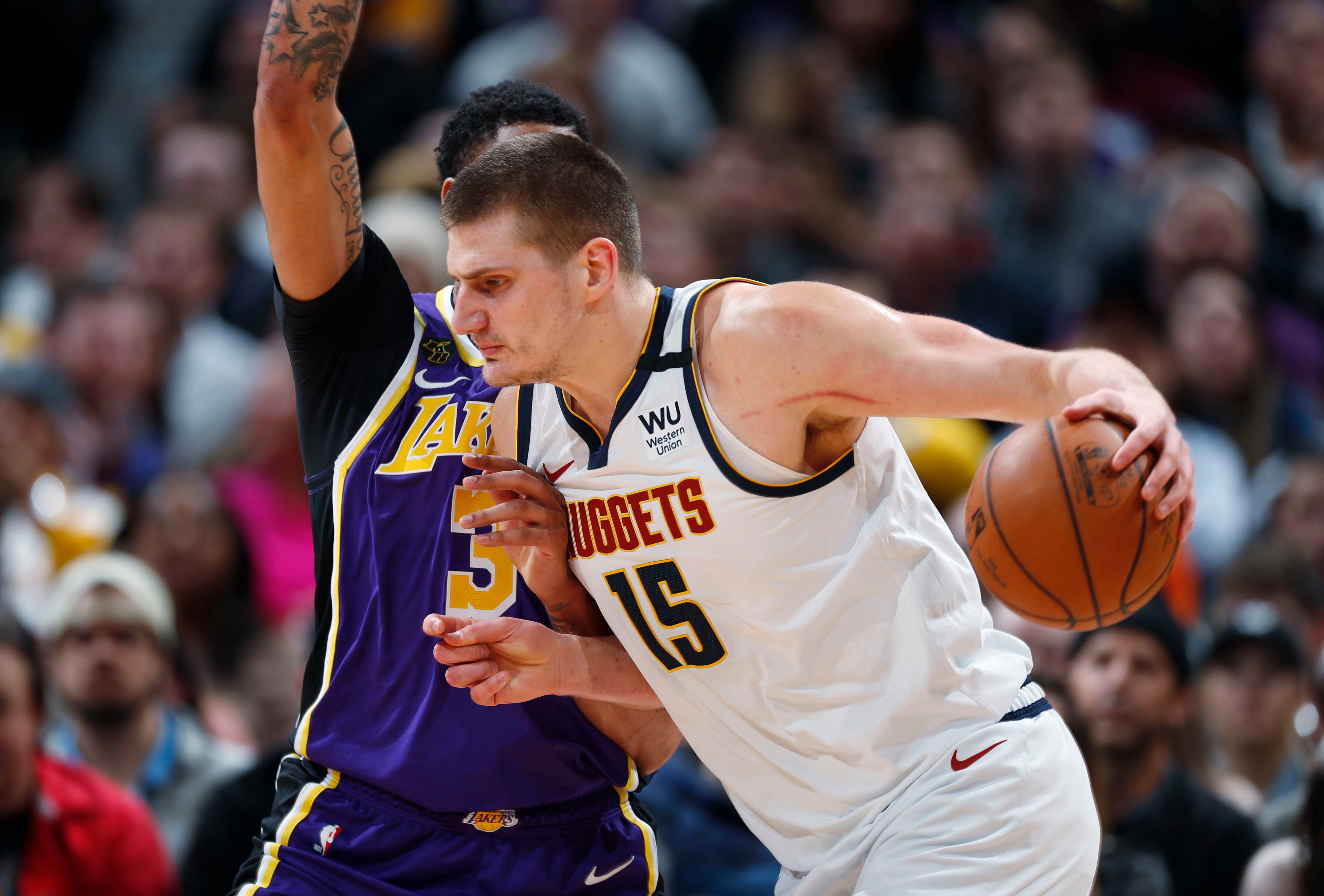
Oura CEO, Harpreet Singh, talks development of a wearable ring that detects symptoms of COVID-19 and partnership with the NBA as the league heads to Orlando to restart game play.