*By Conor White*
After losing $136 billion in market cap in less than a week, Facebook is looking for ways to reinvigorate its outlook at a time of slowing ad revenue growth, [continued fallout](https://cheddar.com/videos/facebook-stock-crushed-after-disappointing-earnings) from the Cambridge Analytical data privacy scandal, and the [latest revelation](https://www.nytimes.com/2018/07/31/us/politics/facebook-political-campaign-midterms.html) Tuesday that it's detected attempts to influence this November's midterm elections.
"It's been a long 2018 for Facebook," said Madison Malone Kircher, an associate editor at New York Magazine. "Which brings us to the one thing Facebook is doing right, and that's the Stories platform. It works really well on Instagram, which Facebook owns, and they've really been trying to push to make it work on Facebook."
Instagram Stories has 400 million daily users, double the number of users of rival Snapchat, and Facebook has been trying to lure advertisers to the Stories platform.
Kircher said in an interview Tuesday with Cheddar that neither of the social media companies has figured out how to make user-generated stories on their platforms profitable.
"Snapchat, which is the creator of this style of posting, has also struggled with it," Kircher said. "They rolled out a new platform called 'Commercials' this week, which is similarly trying to figure out how to sell ads against this style of content."
In the end, Kircher said Facebook can push Stories to advertisers all it wants, but it won't be successful until it's popular with users.
"It's a two-fold problem Facebook has," Kircher said. "One, trying to convince advertisers to buy ads in this space, but first they have to figure out how to get us to use it."
For more on this story, [click here](https://cheddar.com/videos/facebook-pushing-stories-feature-to-advertisers).
The latest news and headlines from Apple's latest product reveal including the latest on the Apple Watch, IPads, and more.
Jeff Thomas, Nasdaq's head of tech listings, joined Cheddar to discuss the spate of tech companies set to go public.
Oracle said Monday that the Chinese owner of TikTok has picked the U.S. company to be its “trusted technology provider,” beating out rival Microsoft in a deal that could help keep the popular video-sharing app running in the U.S.
As more people stay indoors and work from home amid the pandemic, home upkeep is surging. Chairish co-founder Anna Brockway joined Cheddar to discuss the surge in home decor and hot items people are buying.
Figuring out best practices when it comes to preventing airborne transmission is inherently challenging though, especially when it comes to the technical aspects of retrofitting ventilation systems.
Peloton reported a substantial jump in revenue, raking in more than $600 million in the fourth quarter
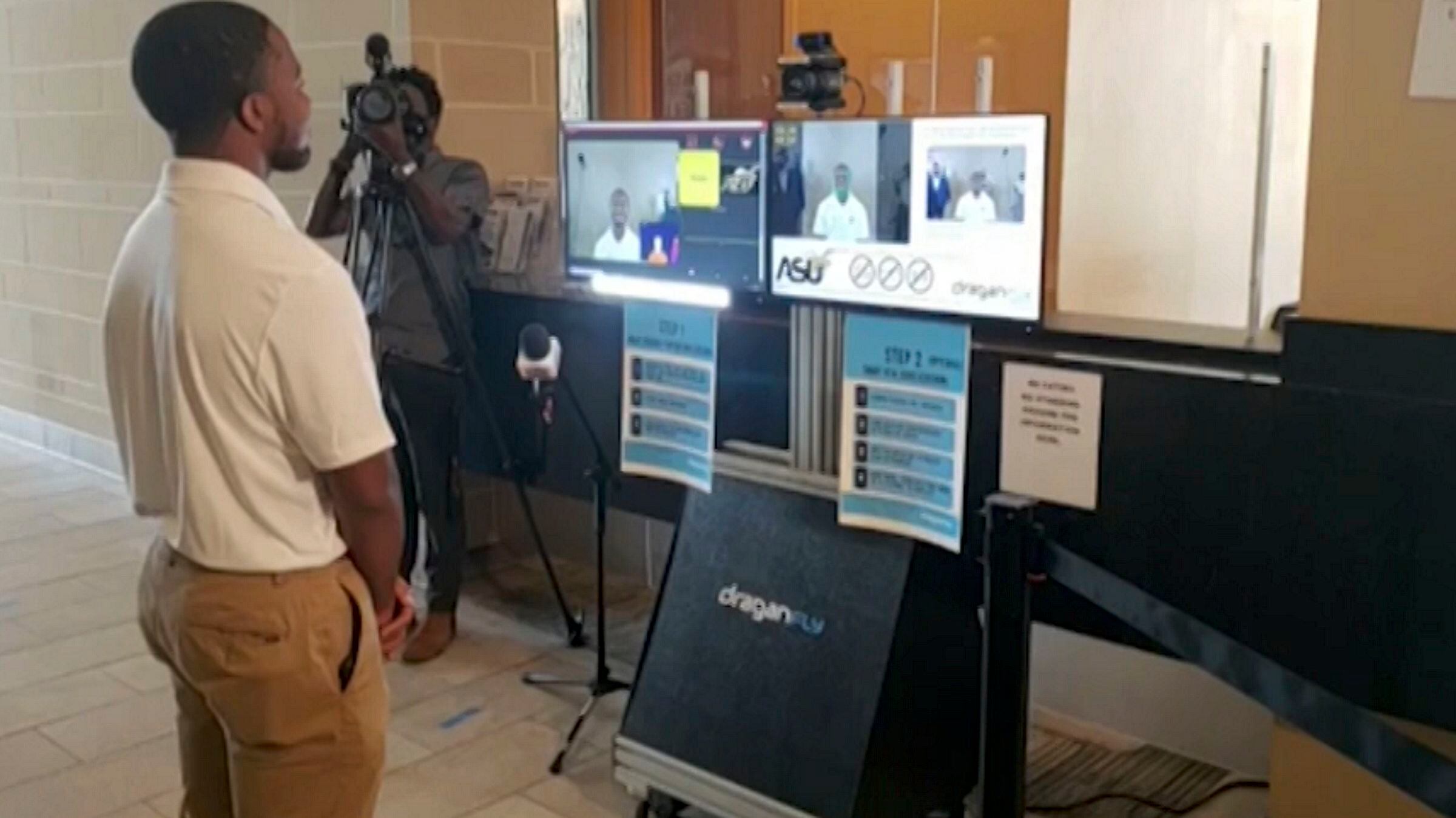
Alabama State University has managed to keep COVID-19 infections at zero despite rising cases on college campuses. University president, Quinton Ross, Jr, joined Cheddar to discuss new technology that scans for coronavirus symptoms.
In the 1980's and 90's, the solar car was deemed the future of transportation. Yet, just as quickly as it arrived, the solar car disappeared. But today, as the problems caused by our reliance on fossil fuels have grown, so has a demand for alternative sources of energy for our vehicles. While electric cars are rapidly gaining a larger share of the automotive market, this technology still relies on electricity from a grid often fueled by petroleum or coal. And this is why some companies today are again trying to harness the most powerful energy source we know: the sun.
Electric vehicle maker, Nikola, announced a partnership with General Motors to construct its electric pick up truck, the Badger. Founder and executive chairman, Trevor Milton, joined Cheddar to production timeline and benefits of joining GM.
From Wall Street to Silicon Valley, these are the top stories that moved markets and had investors, business leaders, and entrepreneurs talking this week on Cheddar.