*By Conor White*
After losing $136 billion in market cap in less than a week, Facebook is looking for ways to reinvigorate its outlook at a time of slowing ad revenue growth, [continued fallout](https://cheddar.com/videos/facebook-stock-crushed-after-disappointing-earnings) from the Cambridge Analytical data privacy scandal, and the [latest revelation](https://www.nytimes.com/2018/07/31/us/politics/facebook-political-campaign-midterms.html) Tuesday that it's detected attempts to influence this November's midterm elections.
"It's been a long 2018 for Facebook," said Madison Malone Kircher, an associate editor at New York Magazine. "Which brings us to the one thing Facebook is doing right, and that's the Stories platform. It works really well on Instagram, which Facebook owns, and they've really been trying to push to make it work on Facebook."
Instagram Stories has 400 million daily users, double the number of users of rival Snapchat, and Facebook has been trying to lure advertisers to the Stories platform.
Kircher said in an interview Tuesday with Cheddar that neither of the social media companies has figured out how to make user-generated stories on their platforms profitable.
"Snapchat, which is the creator of this style of posting, has also struggled with it," Kircher said. "They rolled out a new platform called 'Commercials' this week, which is similarly trying to figure out how to sell ads against this style of content."
In the end, Kircher said Facebook can push Stories to advertisers all it wants, but it won't be successful until it's popular with users.
"It's a two-fold problem Facebook has," Kircher said. "One, trying to convince advertisers to buy ads in this space, but first they have to figure out how to get us to use it."
For more on this story, [click here](https://cheddar.com/videos/facebook-pushing-stories-feature-to-advertisers).
A group of crypto enthusiasts pooled over $40 million dollars in an attempt to win a copy of the U.S. Constitution last week. However, their efforts came up short, as hedge fund billionaire Ken Griffin emerged as the victor in a $43.2 million Sotheby's auction. Matt Cutler, CEO & Co-Founder of Blocknative, joins Cheddar News' Closing Bell, where he explains why ConstitutionDAO ultimately came up short.
Gparency, a company that says its mission is to revolutionize the commercial mortgage industry, raised $15 million in its first funding round - representing the largest ever seed round in the commercial real estate space. Gparency's service will allow landlords and real estate developers to receive funding directly from banks, without the need for a mortgage broker. The company says its new approach will give power back to the consumer. Gparency founder and CEO Ira Zlotowitz joins Cheddar News' Closing Bell to discuss.
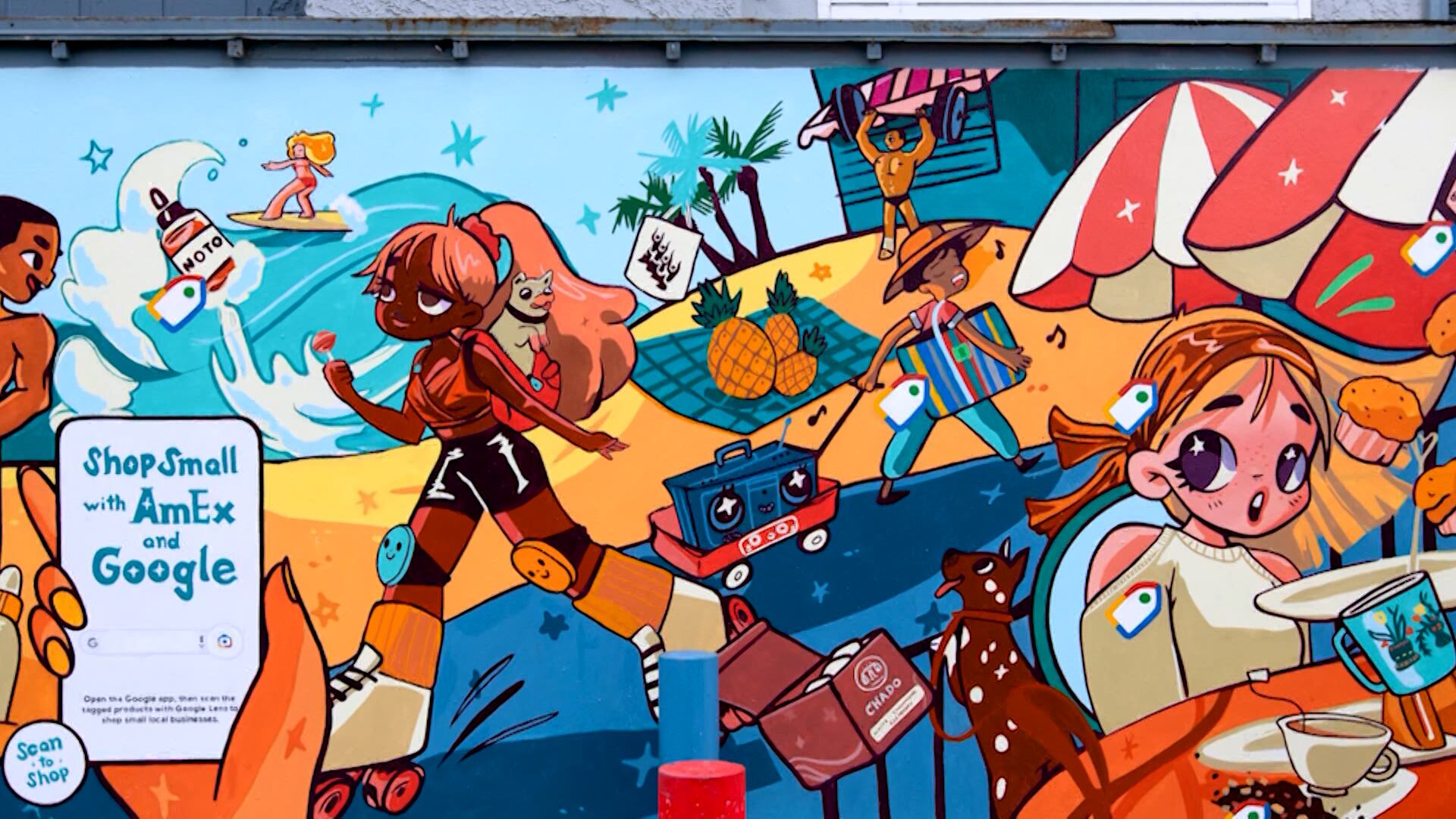
Rapper and singer T-Pain is teaming up with Google this holiday season to encourage shoppers to support Black-owned businesses on Black Friday. Stephanie Horton, the director of marketing for Google Shopping, joined Cheddar to provide some details about T-Pain's new song, featuring Normani, in a new shoppable interactive film for the promotion. She also explained how Google worked with local artists in various states to create shoppable murals, where products seen in the artwork are discoverable online by simply pointing your camera at it.
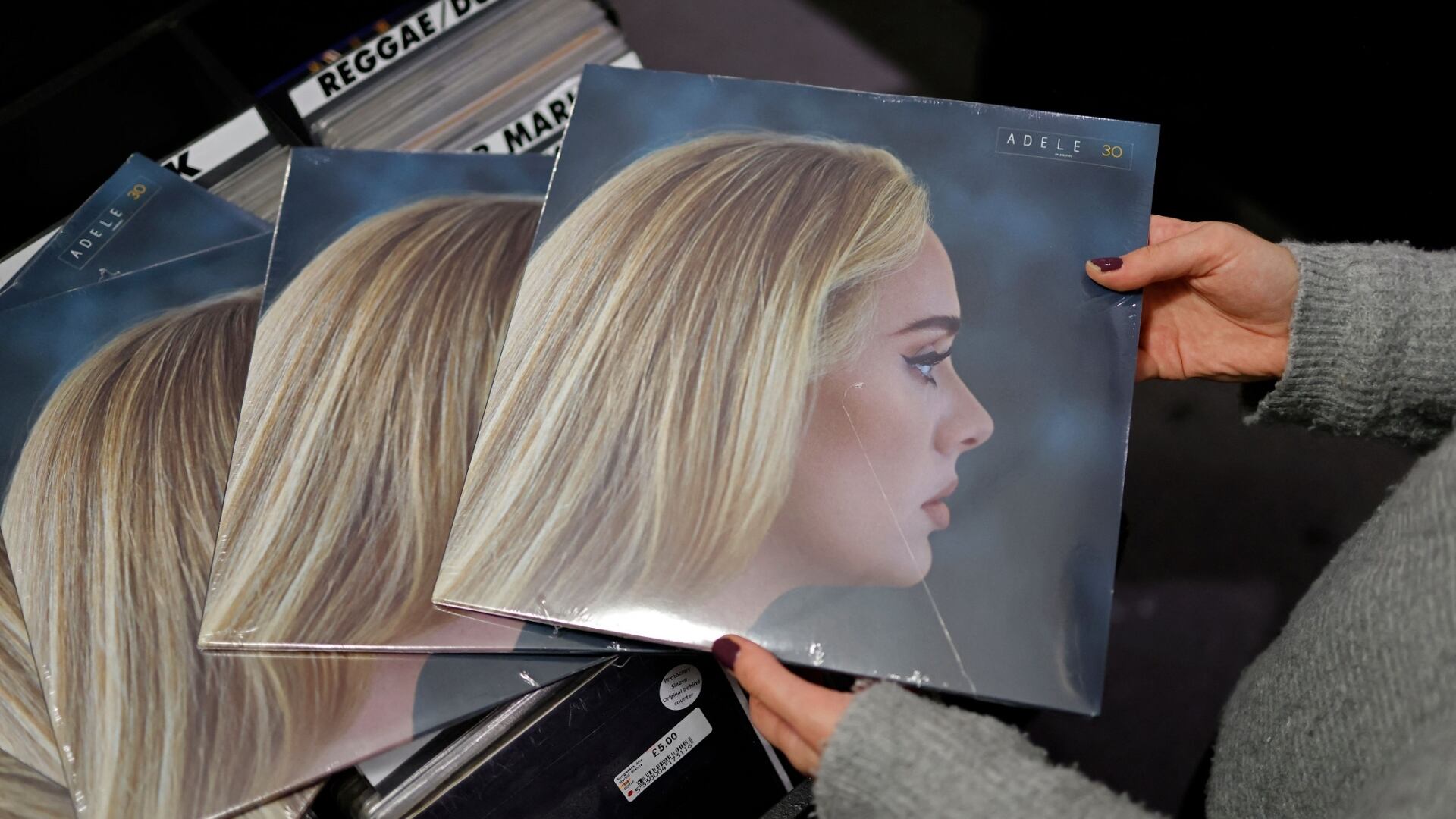
Per a request from the UK singing sensation Adele after her new album "30" dropped on Friday, Spotify removed shuffle play as the default for albums. Adele tweeted about her request to the streaming service, arguing that an album's track sequence is intentional and that the songs should be listened to in that order.
Caleb Silver, the Editor-in-Chief for Investopedia, joined Wake Up With Cheddar to break down the latest in the Activision Blizzard sexual misconduct scandal. After 1,700 of the embattled video game maker's employees signed a petition demanding CEO Bobby Kotick step down, Kotick reportedly said he would step down if he can't turn the toxic workplace culture around quickly. Silver noted that the allegations go back years with settlements and lawsuits that indicate Kotick would have to be claiming ignorance of his own business or deliberately obfuscating his knowledge of what happened under his watch.
In 2022, all 3G networks will shutdown permanently. Sprint will be leading the charge as the first network to go dark on New Year's Day, and the rest will follow shortly thereafter. Ryan Johnston of Next Century Cities joins Cheddar News to discuss the importance of the shutdown, and how users who may be affected can act fast before they're left disconnected.