*By Conor White*
After losing $136 billion in market cap in less than a week, Facebook is looking for ways to reinvigorate its outlook at a time of slowing ad revenue growth, [continued fallout](https://cheddar.com/videos/facebook-stock-crushed-after-disappointing-earnings) from the Cambridge Analytical data privacy scandal, and the [latest revelation](https://www.nytimes.com/2018/07/31/us/politics/facebook-political-campaign-midterms.html) Tuesday that it's detected attempts to influence this November's midterm elections.
"It's been a long 2018 for Facebook," said Madison Malone Kircher, an associate editor at New York Magazine. "Which brings us to the one thing Facebook is doing right, and that's the Stories platform. It works really well on Instagram, which Facebook owns, and they've really been trying to push to make it work on Facebook."
Instagram Stories has 400 million daily users, double the number of users of rival Snapchat, and Facebook has been trying to lure advertisers to the Stories platform.
Kircher said in an interview Tuesday with Cheddar that neither of the social media companies has figured out how to make user-generated stories on their platforms profitable.
"Snapchat, which is the creator of this style of posting, has also struggled with it," Kircher said. "They rolled out a new platform called 'Commercials' this week, which is similarly trying to figure out how to sell ads against this style of content."
In the end, Kircher said Facebook can push Stories to advertisers all it wants, but it won't be successful until it's popular with users.
"It's a two-fold problem Facebook has," Kircher said. "One, trying to convince advertisers to buy ads in this space, but first they have to figure out how to get us to use it."
For more on this story, [click here](https://cheddar.com/videos/facebook-pushing-stories-feature-to-advertisers).
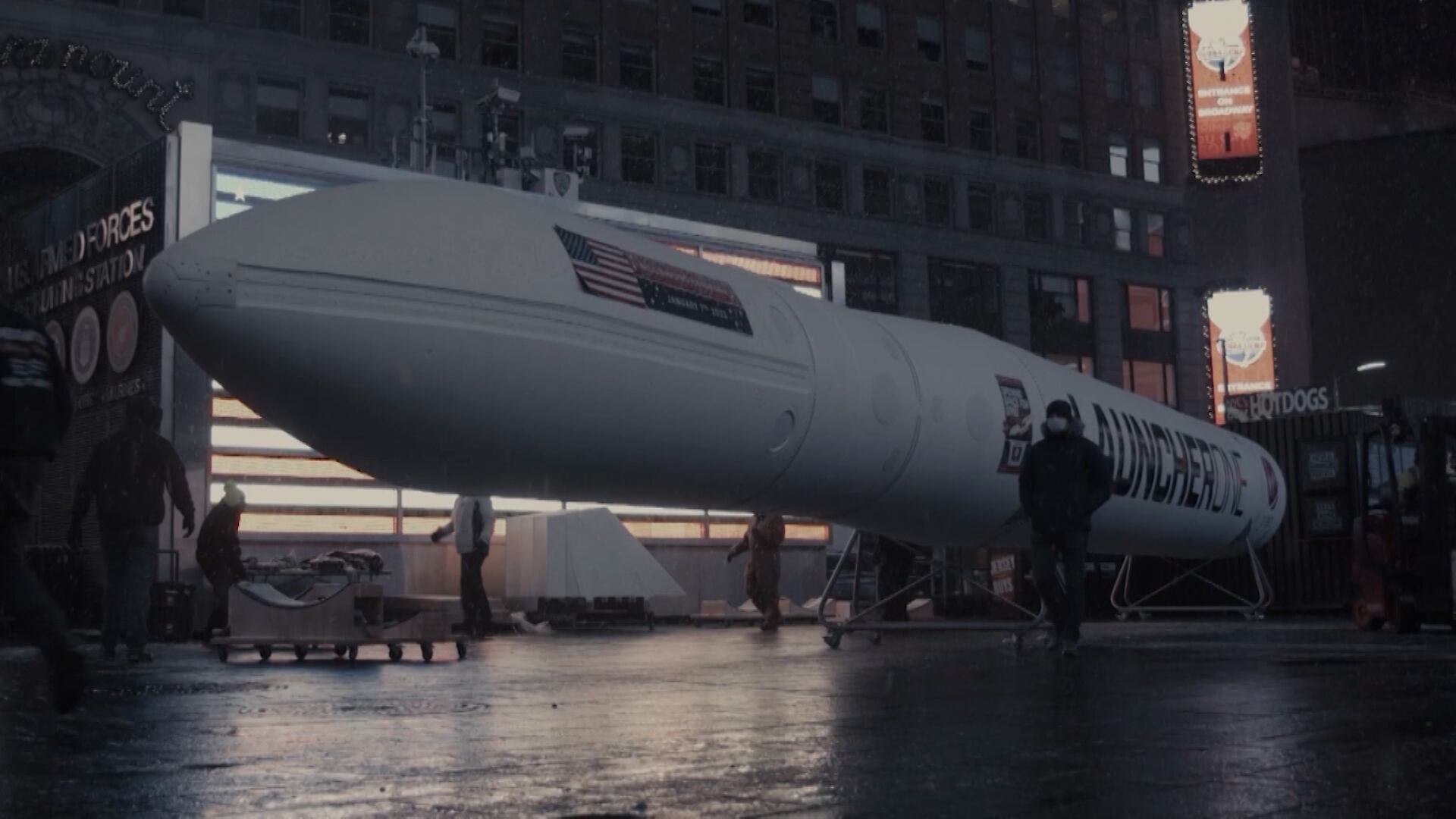
Satellite launch service Virgin Orbit has gone public on the Nasdaq via a SPAC merger with NextGen Acquisitions with a valuation of about $3.2 billion. CEO Dan Hart joined Cheddar's "Between Bells" from in front of his LauncherOne rocket in New York City's Times Square to talk about what's next after the IPO, an upcoming "Above the Clouds" mission to deliver commercial and national security payloads, and the benefits of their rockets being launched from commercial 747 aircraft. "We can launch anywhere in the world," he said. "There are almost 80 space agencies across the world, for instance, and about 10 of them have space launch. We can give them a space flight capability overnight by taking a runway and turning it into a spaceport."
Tech and entertainment giant Sony appears to be getting serious about automaking. An electric concept SUV — the Vision S-02 — was unveiled at CES 2022 and is slated to be produced by a new subdivision, Sony Mobility. This comes after the company revealed the Vision S concept Sedan at CES 2020.
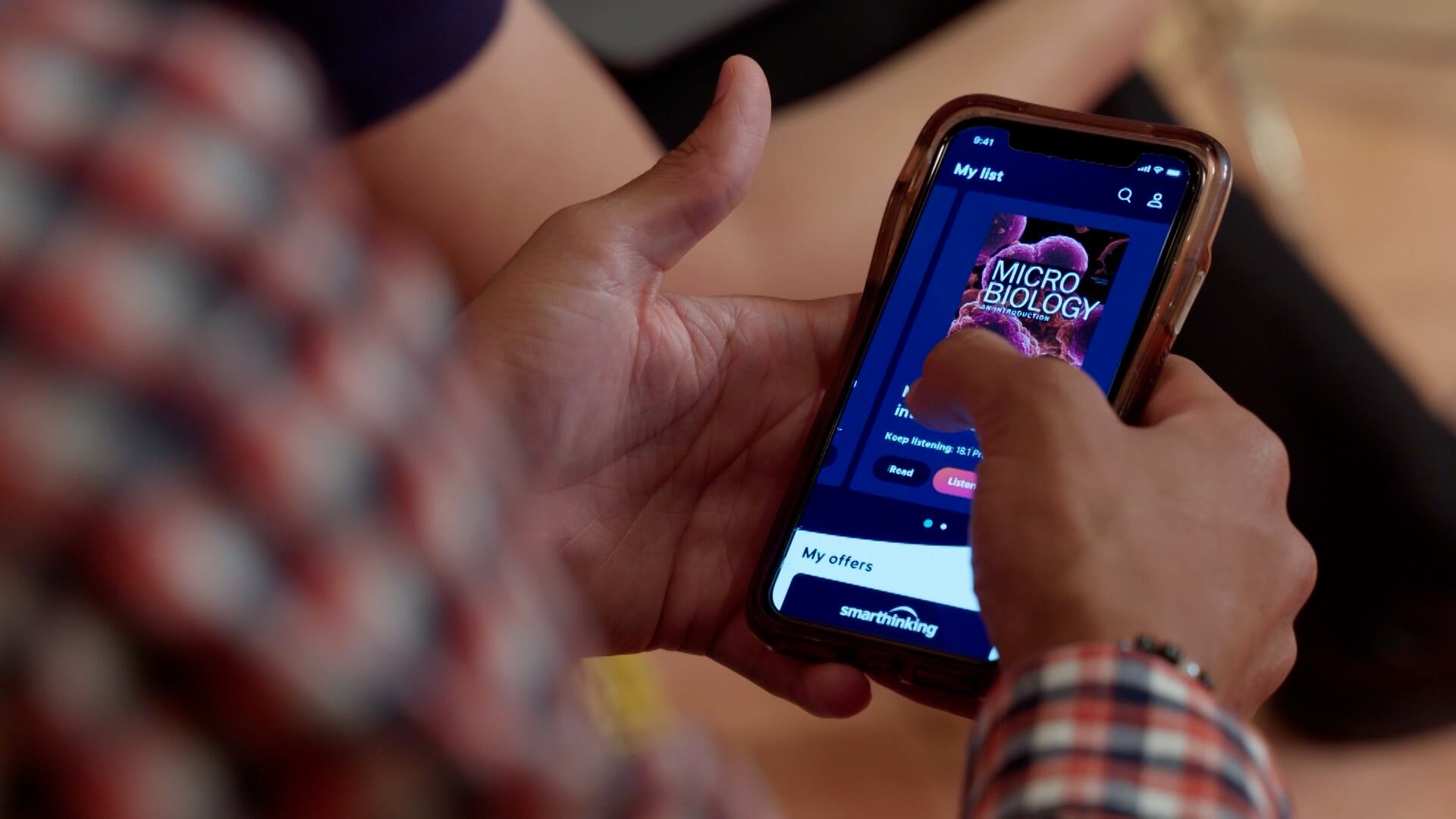
The highly transmissible omicron variant of COVID-19 has forced school districts nationwide to return to virtual instruction, but there remain concerns about the quality of education students are receiving online. Andy Bird, CEO of Pearson, an education publisher and assessment service provider, joined Cheddar's "Opening Bell" to talk about steps educators and parents can take to make the remote learning experience an easier one, noting that one of the biggest advantages teachers can have is flexibility. "You cannot take a rigid timetable that works in the analog world and replicate that in the digital world. You need to have flexibility. Asynchronous learning, I think, is a very important part," he told Cheddar.
Rob Dongoski, EY Food and Agriculture Leader, joins Cheddar News to discuss what advancements in tech will shape the future of food, and how we are going to see more and more personalization in the food system.
The year 2021 saw numerous natural disasters around the world, including extreme heat and wildfires, rare deep freezes, and historic flooding. This year's United Nations COP26 conference was key for getting world leaders on board with emissions reductions and other climate-focused policies as the UN Secretary-General said the agency's report on global warming is a 'code red for humanity.' In the U.S., President Joe Biden has focused most of his domestic agenda on slashing emissions and building climate-focused infrastructure. Guests from The Economist, UNC-Chapel Hill, Global Rescue, and more join Cheddar Climate's year-end special to discuss how the climate changed in 2021, and what to expect in 2022.