Iran Latest Bad Actor to Spread Misinformation on Facebook
*By Carlo Versano*
Facebook, Twitter, and Microsoft all announced this week they had shut down accounts and websites created to spread misinformation or malware almost immediately after discovering them.
But the scope of the threat remains unclear.
"I don't think anybody has a sense of how big the disinformation efforts are online by various foreign adversaries," said Washington Post technology reporter Craig Timberg. "It's not clear to me there are any systems set up to catch it."
The latest sweep targeted accounts and posts all traced to Iran ー hundreds, in the case of Facebook and Twitter ー though they pale in comparison to the coordinated misinformation campaign the Russians deployed in 2016, Timberg said Wednesday in an interview on Cheddar.
The speed with which these companies are alerting the public indicates they realize a need to be proactive about manipulation efforts on their platforms, said Sara Fischer, a reporter for Axios who also appeared Wednesday on Cheddar.
"I think it gives them a little bit of an upper hand every time they come out and say, 'We found something,'" Fisher said. The hope is that a "more holistic effort" will develop between the public and private sectors to take on cybersecurity issues, she added.
Fischer said that Silicon Valley's attempts at transparency are currying favor with regulators in Washington and strengthening users' trust in the platforms.
"This is evolving from being a tech policy and tech response conversation to a national security conversation," she said.
Facebook [announced](https://newsroom.fb.com/news/2018/08/more-coordinated-inauthentic-behavior) on Tuesday it removed 652 accounts and pages with ties to Iran. Soon after, Twitter [said](https://twitter.com/TwitterSafety/status/1032055161978585088) it suspended 284 accounts, many of which also originated in Iran, all meant to engage "in coordinated manipulation."
The Iranian Facebook campaigns included anti-Saudi and anti-Israel content and were aimed at users in the U.S., UK, Latin America, and the Middle East, according to [Fireye](https://www.fireeye.com/blog/threat-research/2018/08/suspected-iranian-influence-operation.html), a cybersecurity firm that worked with Facebook on the investigation.
Both announcements follow a [report](https://cheddar.com/videos/microsoft-uncovers-new-russian-hacking-scheme) earlier in the week from Microsoft that found Russian intelligence groups had built a suite of fake U.S. political sites in an attempted spear-phishing campaign.
It has been well-established that social media can be used as a tool for manipulation by bad actors, Timberg said.
"We shouldn't believe everything we read on the internet," he said.
For full interview, [click here] (https://cheddar.com/videos/iranian-fake-news-accounts-targeted-people-around-the-world).
Bitcoin had a successful 2021: reaching a new high of nearly $70,000, a $1 trillion market cap, and becoming legal tender in El Salvador. Investors also got the chance to invest in three Bitcoin futures-backed ETFs once they were approved. These developments set up the world's best-known digital coin for more success in 2022, but could altcoins like Ethereum, Litecoin, and others move into the top spot or impact Bitcoin's value? Matt Hougan, CIO of Bitwise Asset Management, joins Cheddar's Crypto Craze: The Year of the Token to discuss his 2022 outlook for Bitcoin, whether we could see an ETF backed by a physical coin, and more.
Coming off a 2021 campaign where the prices of Bitcoin, Ether, and other cryptocurrencies reached unpreceded levels, Bitwise Asset Management CIO Matt Hougan and OpenNode Co-Founder & CTO João Almeida join Cheddar News' Crypto Craze: The Year of the Token to discuss the ways the crypto market can soar even higher in 2022.
Howard Yu, LEGO professor of management and innovation at IMD Business School and author of "Leap: How to Thrive in a World Where Everything Can Be Copied," joined Cheddar to discuss the mania surrounding the concept of the metaverse. He particularly noted how companies in the retailing sector like Nike are leveraging it. "I think metaverse really opens up a window for brands to think about how can they, ongoing-wise, engage with the consumer, engage with the target audience, so their brand continues to stay refreshed in the changing environment," Yu said.
2021 was no walk in the park for the tech sector. However, despite the industry dealing with worldwide chip shortage and supply chain crisis, many companies managed to push innovations forward. All these innovations are also expected to accelerate its coolness in 2022. Editor at Large at CNET Ian Sherr, joined Cheddar to discuss more.
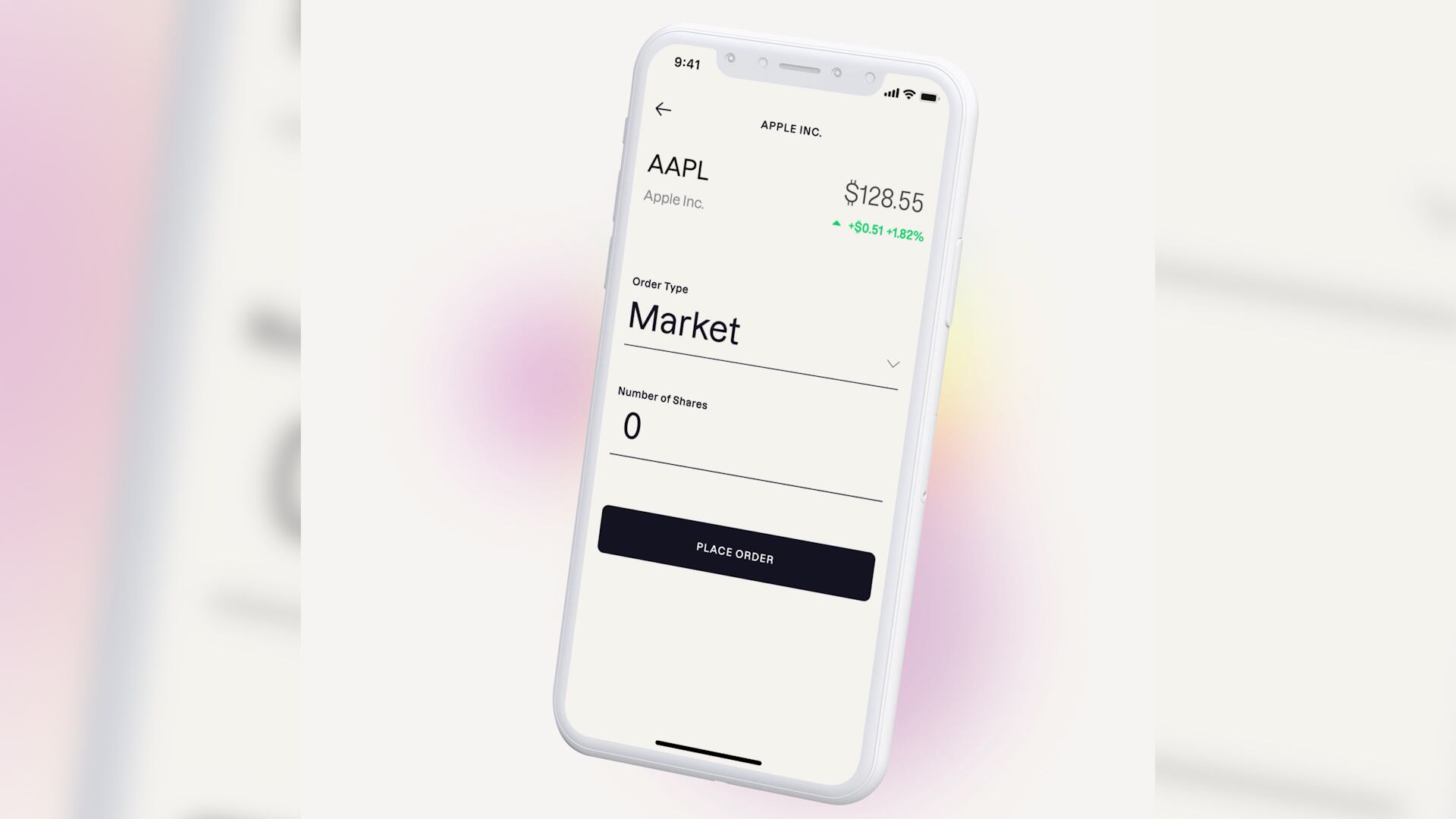
The mobile brokerage app, Tornado, says its the first investing platform that combines next-level tools and resources with hyper-tailored investing news. The more you engage within the app, the more intelligent of an investor you'll be, and the more you'll gain from the experience. 'Learn and earn,' the latest feature of the app serves to do just that, as it pays users to learn how to invest. CEO and co-founder of Tornado, Bernard George, joins Cheddar News to discuss.
Digital assets are the gifts that keep on giving, as they have the potential to make people serious cash if it's value increases over time. These gifts are ultimately just investments, in the form of art. Sunil Singhvi, chief business development officer at Rarible, joins Cheddar News to discuss.