Iran Latest Bad Actor to Spread Misinformation on Facebook
*By Carlo Versano*
Facebook, Twitter, and Microsoft all announced this week they had shut down accounts and websites created to spread misinformation or malware almost immediately after discovering them.
But the scope of the threat remains unclear.
"I don't think anybody has a sense of how big the disinformation efforts are online by various foreign adversaries," said Washington Post technology reporter Craig Timberg. "It's not clear to me there are any systems set up to catch it."
The latest sweep targeted accounts and posts all traced to Iran ー hundreds, in the case of Facebook and Twitter ー though they pale in comparison to the coordinated misinformation campaign the Russians deployed in 2016, Timberg said Wednesday in an interview on Cheddar.
The speed with which these companies are alerting the public indicates they realize a need to be proactive about manipulation efforts on their platforms, said Sara Fischer, a reporter for Axios who also appeared Wednesday on Cheddar.
"I think it gives them a little bit of an upper hand every time they come out and say, 'We found something,'" Fisher said. The hope is that a "more holistic effort" will develop between the public and private sectors to take on cybersecurity issues, she added.
Fischer said that Silicon Valley's attempts at transparency are currying favor with regulators in Washington and strengthening users' trust in the platforms.
"This is evolving from being a tech policy and tech response conversation to a national security conversation," she said.
Facebook [announced](https://newsroom.fb.com/news/2018/08/more-coordinated-inauthentic-behavior) on Tuesday it removed 652 accounts and pages with ties to Iran. Soon after, Twitter [said](https://twitter.com/TwitterSafety/status/1032055161978585088) it suspended 284 accounts, many of which also originated in Iran, all meant to engage "in coordinated manipulation."
The Iranian Facebook campaigns included anti-Saudi and anti-Israel content and were aimed at users in the U.S., UK, Latin America, and the Middle East, according to [Fireye](https://www.fireeye.com/blog/threat-research/2018/08/suspected-iranian-influence-operation.html), a cybersecurity firm that worked with Facebook on the investigation.
Both announcements follow a [report](https://cheddar.com/videos/microsoft-uncovers-new-russian-hacking-scheme) earlier in the week from Microsoft that found Russian intelligence groups had built a suite of fake U.S. political sites in an attempted spear-phishing campaign.
It has been well-established that social media can be used as a tool for manipulation by bad actors, Timberg said.
"We shouldn't believe everything we read on the internet," he said.
For full interview, [click here] (https://cheddar.com/videos/iranian-fake-news-accounts-targeted-people-around-the-world).
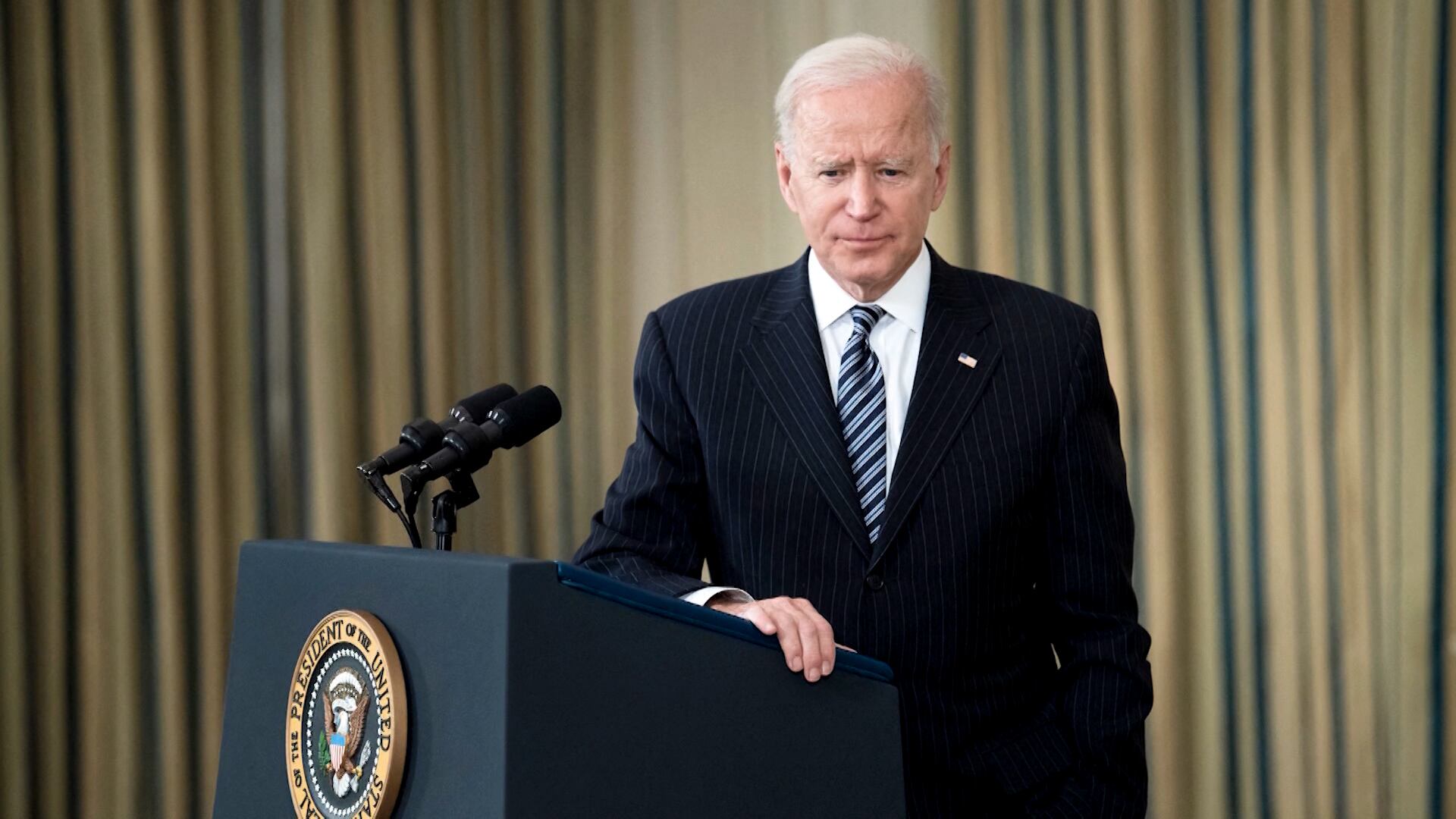
According to multiple reports, President Biden's upcoming executive order for the crypto marke would assign some government entities to study cryptocurrencies, stablecoins and NFT's with the goal of developing a workable regulatory framework. Douglas Borthwick, Chief Business Officer at INX, joins Cheddar News' Closing Bell, where he elaborates on what role the Biden administration would play under this order.
Nutritional supplement beverage company Athletic Greens has achieved unicorn status. The company announced a new $115 million funding round, bringing its valuation to $1.2 billion. The company's flagship product AG1 combines 75 different vitamins, minerals, and other nutrients into one daily serving. Athletic Greens says it is poised to reach the millions of consumers who are currently driving the health and wellness market's exponential growth. Athletic Greens founder and CEO Chris Ashenden joins Cheddar News' Closing Bell to discuss.
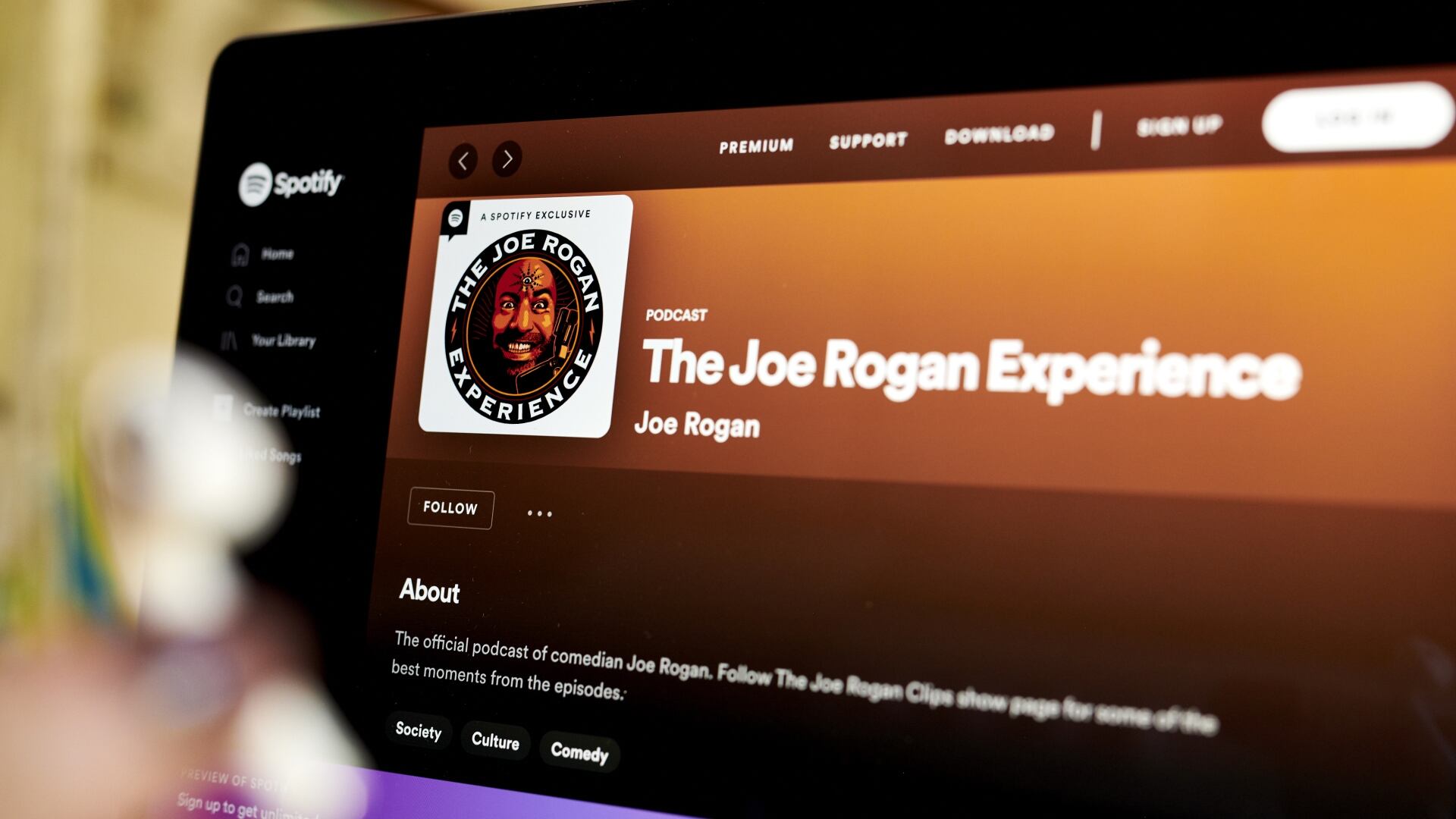
Is Spotify a platform for content creators, or is it a media company? The streaming giant may have to find an answer sooner rather than later amid a controversy involving its most popular podcast host, Joe Rogan. Rogan has hosted guests who have made false claims about COVID-19 vaccines, and in turn, some musicians like Neil Young and Joni Mitchell have removed their discographies from Spotify in protest. Rogan says he welcomes content advisories, and will balance out his guests going forward, but is it enough? And is Spotify liable in any way? John Freeman, Vice President of CFRA Research, joins Closing Bell to discuss Rogan's response to the controversy, whether Spotify should be considered a media company with responsibility for its content, and more.
The gaming industry has seen multiple large scales deals this month alone, including Microsoft's megadeal for Activision Blizzard. And, seemingly in response, rival Sony, picked up Bungie for $3.6 billion, a studio once owned by both Microsoft and Activision. The sector is reportedly on track to spend $150 billion on mergers and acquisitions just this year alone, a record-breaking total, according to investment firm Drake Star Partners. Michael Metzger, a partner at the firm specializing in technology, media, and communications, joined Cheddar to discuss the flurry of deals in the gaming space and what might be behind the hot M&A activity.
Ari Redbord, head of legal and government affairs and TRM Labs, joins Cheddar News to discuss why Facebook is ditching its crypto project and what that means for the space.
A virtual gathering in the online space, Decentraland, of Elvis Presley impersonators is looking to grab the Guinness World Record for most Elvis impersonators in one place after the record-keeping org recently approved the use of avatars as stand-ins for people.
Tesla reported record profits for an electric fourth quarter, but investors still have plenty of questions. The EV giant will not be releasing any new vehicles this year and provided no updates on its Cybertruck. Cheddar News was joined by Ed Butowsky, Chapwood Investments Managing Partner to go over Tesla's quarter and analyze its concerns going forward.