Iran Latest Bad Actor to Spread Misinformation on Facebook
*By Carlo Versano*
Facebook, Twitter, and Microsoft all announced this week they had shut down accounts and websites created to spread misinformation or malware almost immediately after discovering them.
But the scope of the threat remains unclear.
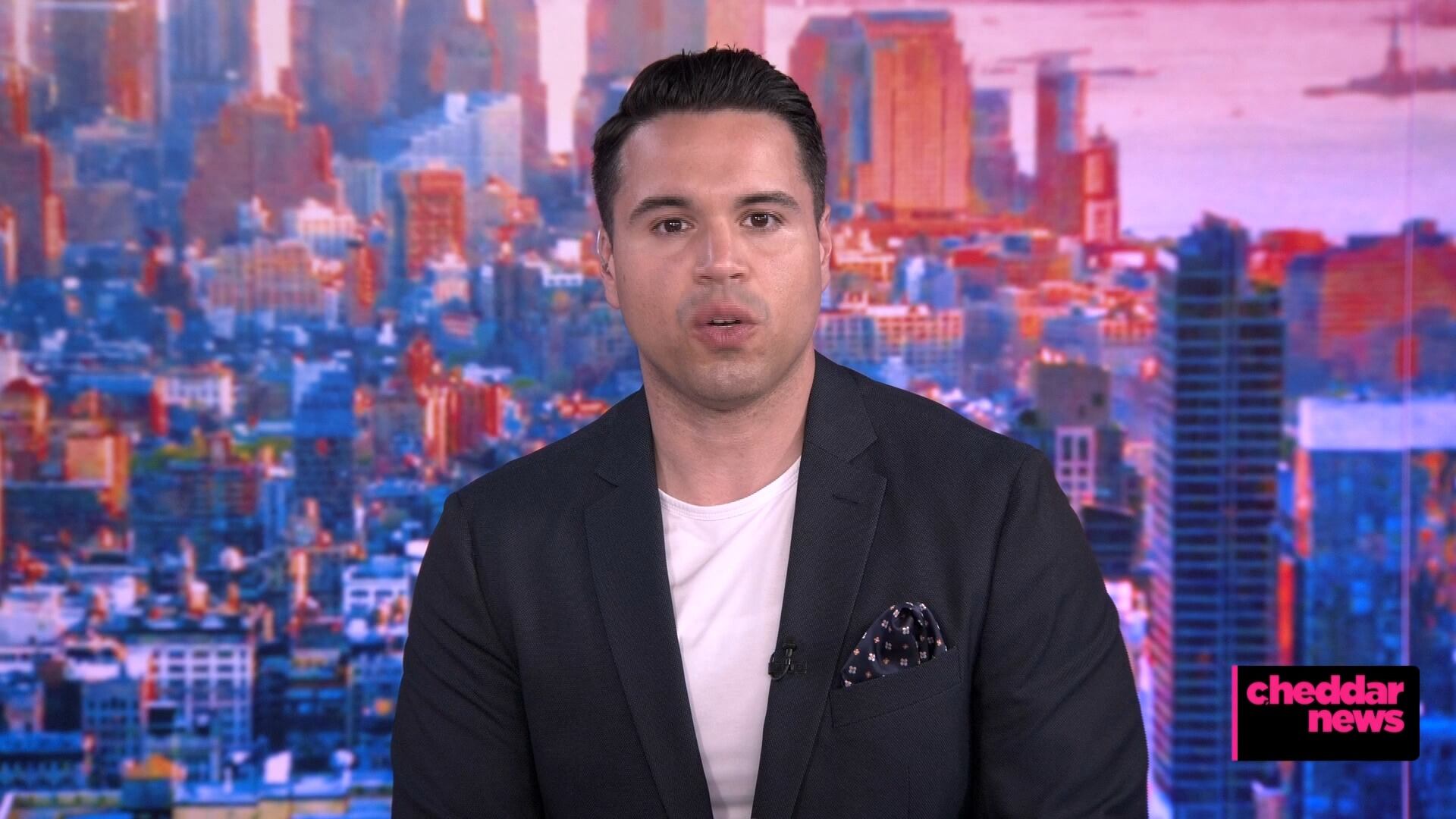
"I don't think anybody has a sense of how big the disinformation efforts are online by various foreign adversaries," said Washington Post technology reporter Craig Timberg. "It's not clear to me there are any systems set up to catch it."
The latest sweep targeted accounts and posts all traced to Iran ー hundreds, in the case of Facebook and Twitter ー though they pale in comparison to the coordinated misinformation campaign the Russians deployed in 2016, Timberg said Wednesday in an interview on Cheddar.
The speed with which these companies are alerting the public indicates they realize a need to be proactive about manipulation efforts on their platforms, said Sara Fischer, a reporter for Axios who also appeared Wednesday on Cheddar.
"I think it gives them a little bit of an upper hand every time they come out and say, 'We found something,'" Fisher said. The hope is that a "more holistic effort" will develop between the public and private sectors to take on cybersecurity issues, she added.
Fischer said that Silicon Valley's attempts at transparency are currying favor with regulators in Washington and strengthening users' trust in the platforms.
"This is evolving from being a tech policy and tech response conversation to a national security conversation," she said.
Facebook [announced](https://newsroom.fb.com/news/2018/08/more-coordinated-inauthentic-behavior) on Tuesday it removed 652 accounts and pages with ties to Iran. Soon after, Twitter [said](https://twitter.com/TwitterSafety/status/1032055161978585088) it suspended 284 accounts, many of which also originated in Iran, all meant to engage "in coordinated manipulation."
The Iranian Facebook campaigns included anti-Saudi and anti-Israel content and were aimed at users in the U.S., UK, Latin America, and the Middle East, according to [Fireye](https://www.fireeye.com/blog/threat-research/2018/08/suspected-iranian-influence-operation.html), a cybersecurity firm that worked with Facebook on the investigation.
Both announcements follow a [report](https://cheddar.com/videos/microsoft-uncovers-new-russian-hacking-scheme) earlier in the week from Microsoft that found Russian intelligence groups had built a suite of fake U.S. political sites in an attempted spear-phishing campaign.
It has been well-established that social media can be used as a tool for manipulation by bad actors, Timberg said.
"We shouldn't believe everything we read on the internet," he said.
For full interview, [click here] (https://cheddar.com/videos/iranian-fake-news-accounts-targeted-people-around-the-world).
Next-generation gaming ecosystem Joystick recently raised $8 million in a seed round and is in the process of raising a $110 million Series A funding round. Gaming ecosystems are a relatively new type of platform in the Web3 space, allowing users to maximize their play-to-earn gaming opportunities, exchange crypto-currencies, and sell their digital assets. Joystick says its platform is flipping the current model on its head by giving players the opportunity to keep 100% of the revenue they earn. Robin Defay, co-founder and CEO of Joystick, and Michael Le, co-founder of Joystick and TikTok content creator, join Cheddar News' Closing Bell to discuss.
The dating app Bumble has sponsored bills and pushed lawmakers to criminalize the online practice of sending unsolicited nudes or “cyberflashing." Payton Iheme, Bumble's head of public policy for the Americas, joined Cheddar News to discuss why the app was going after the harassing behavior beyond its own platform. "Now, while we went to work internally in the company, and we created something called private detector to automatically blur those images so the user can decide if they want to see them, there's nothing for the rest of the internet," she said. "And so that's why we went to work with these laws."
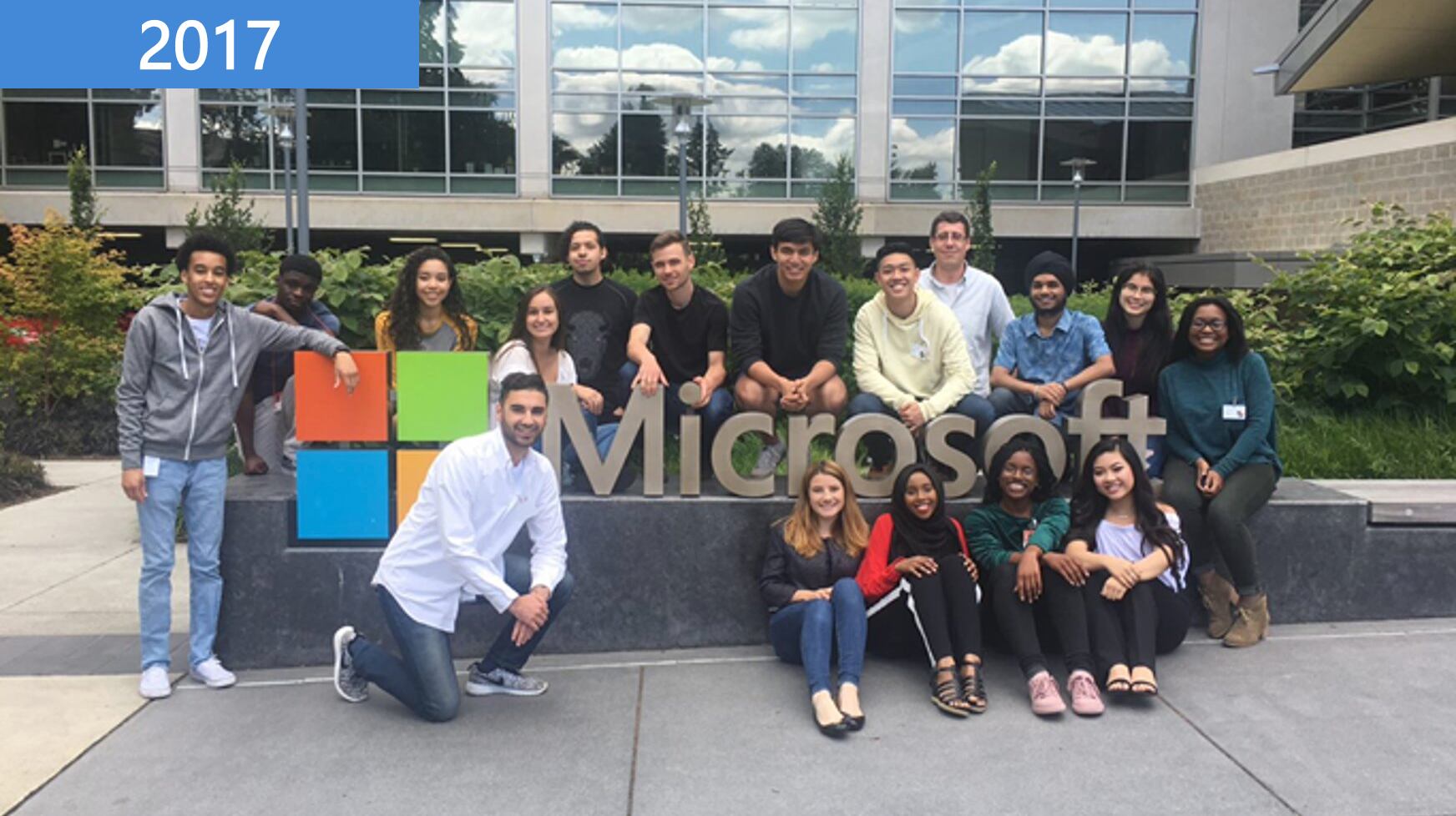
The founder and president of Cyborg Mobile Kobie Hatcher has been on a strong trajectory to disrupt his industry with a program called The New Technologists. It's not only meant to address the diversity gap within large tech companies but also help pave the way to transform the lives of young BIPOC students. He joined Cheddar News to talk about how he's working to make a difference with the lack of diversity in tech. “There's truly no lack of talent out there. It's just identifying them and letting them know that, hey, I've been in the tech sector for over 20 years. I see you. I know what you can bring, bring it, we need it," Hatcher said.
Constituent service platform Indigov recently raised $25 million in a Series B funding round. Indigov bills itself as a constituent relationship management tool that helps elected officials improve the way they organize, respond to, and engage those they serve. The startup's services are being used by federal, state, and local governments across the country, including the U.S. House of Representatives. Alex Kouts, founder & CEO of Indigov, joins Cheddar News' Closing Bell to discuss.
The 2022 NBA playoffs are intensifying as four teams vie for an NBA finals berth. Tonight, Stephen Curry and the Golden State Warriors can book their finals ticket with a win over the Dallas Mavericks, while Miami will be feeling the 'heat' tomorrow night, facing elimination against the Boston Celtics.
And with the growing popularity of sports betting, the NBA playoffs offers a potential money-making opportunity for fans. Trysta Krick, host of BetMGM Tonight, joins Cheddar News' Closing Bell to discuss.