Facebook is no longer using red flags next to fake news articles according to a new report by Axios. Sara Fischer, Media Reporter at Axios, explains why the social media giant is shifting its strategy, and her outlook for the digital ad space in 2018.
"They've been radically transparent about things that aren't necessarily working," says Fischer. New research indicates when you flag something as being bad, it actually can make more people click more on that questionable content.
Looking ahead to 2018, Amazon is expanding its advertising efforts. Fischer says introducing customer service videos as part of this push for the digital ad market is a way to take advantage of this growing trend of content.
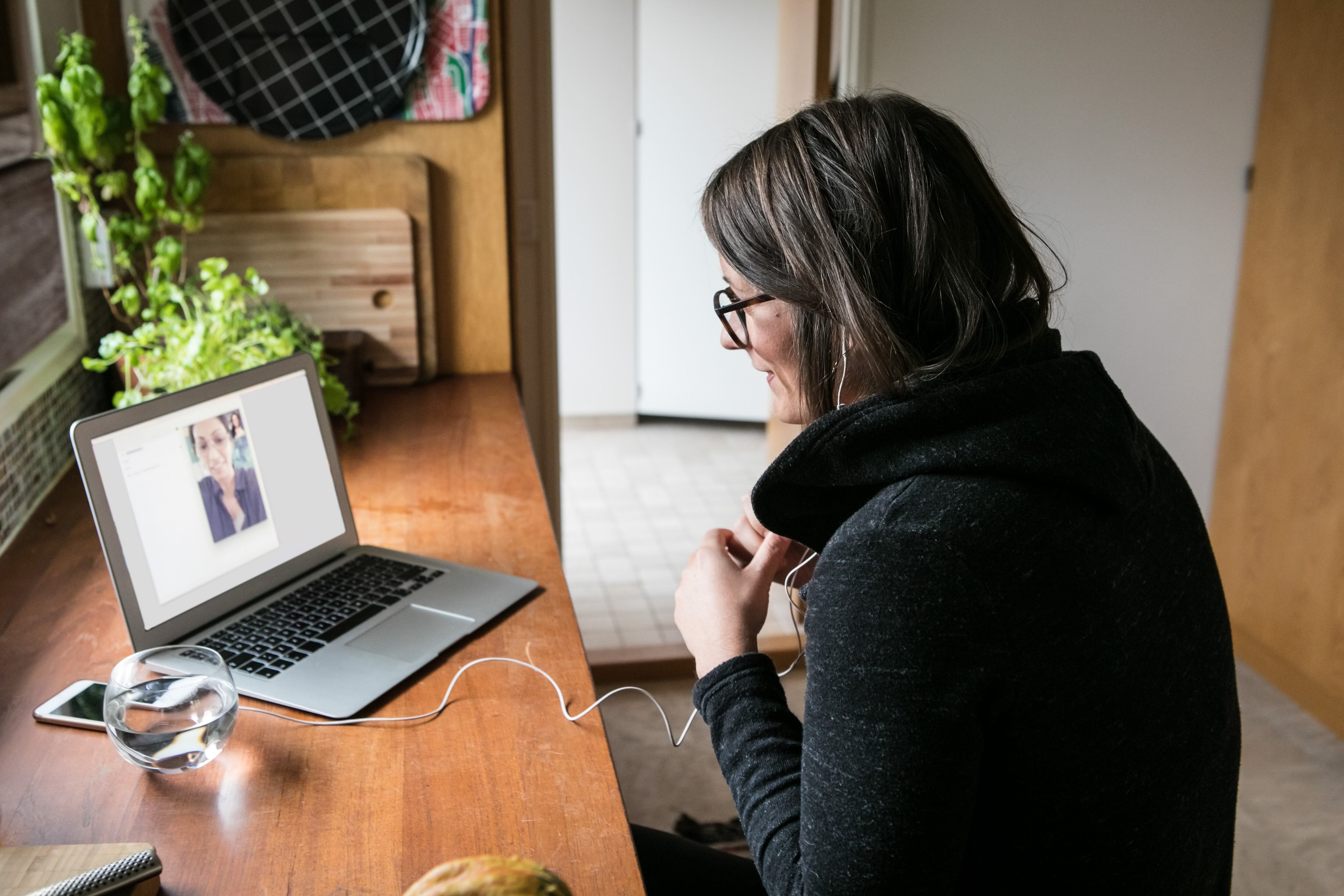
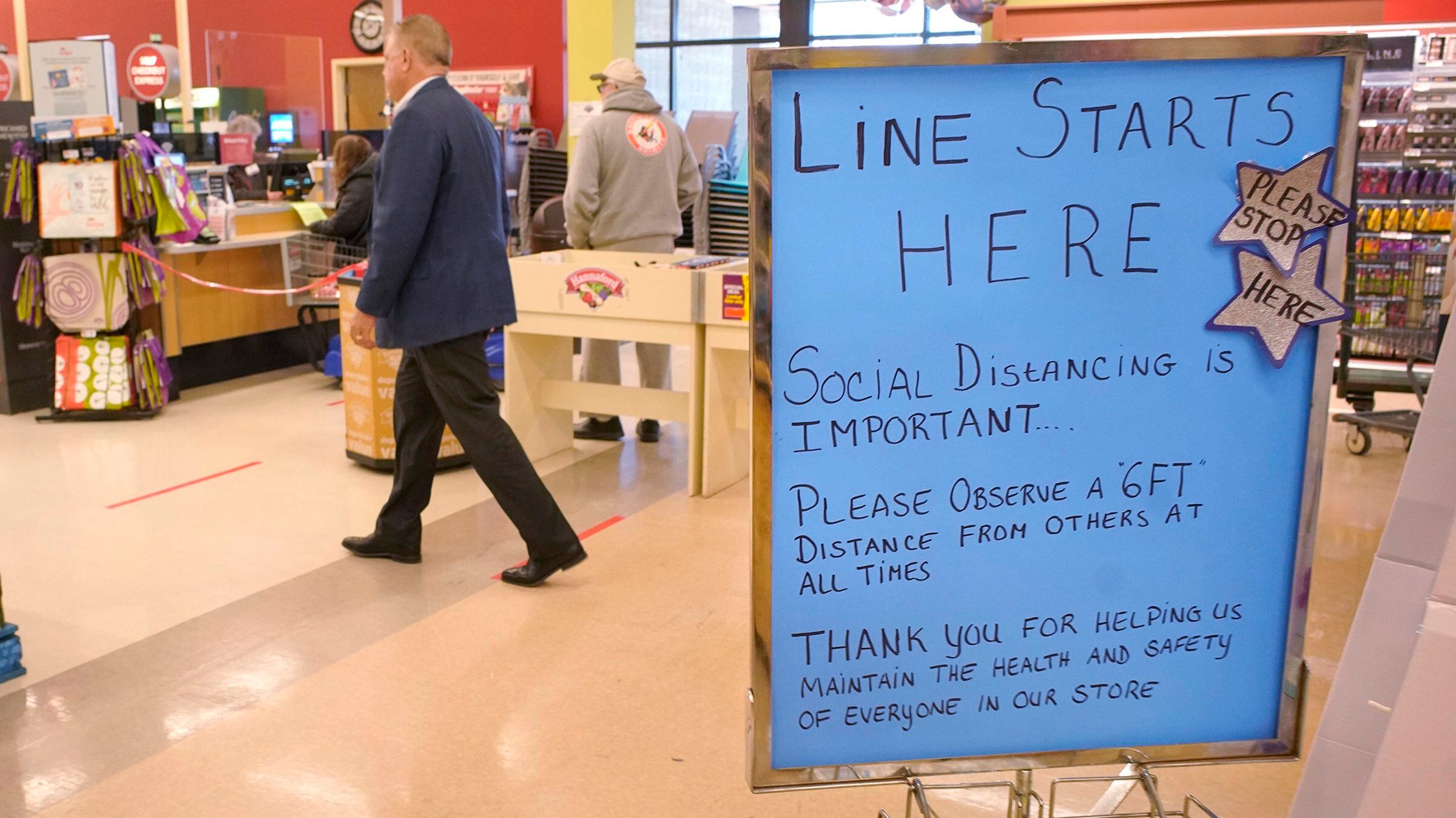
Experts maintain that despite social distancing and quarantining measures during the coronavirus pandemic, people should still attempt to socialize "serendipitously" and commit to acts of kindness to mitigate the stress.
New York Stock Exchange President Stacey Cunningham said Thursday that the floor of the exchange will "absolutely reopen" as soon as it is "safe to do so."
The coronavirus outbreak has triggered a stunning collapse in the U.S. workforce, with 10 million people losing their jobs in the past two weeks. Meanwhile, the number of confirmed infections worldwide has hit 1 million, with more than 50,000 deaths, according to the tally kept by Johns Hopkins University.
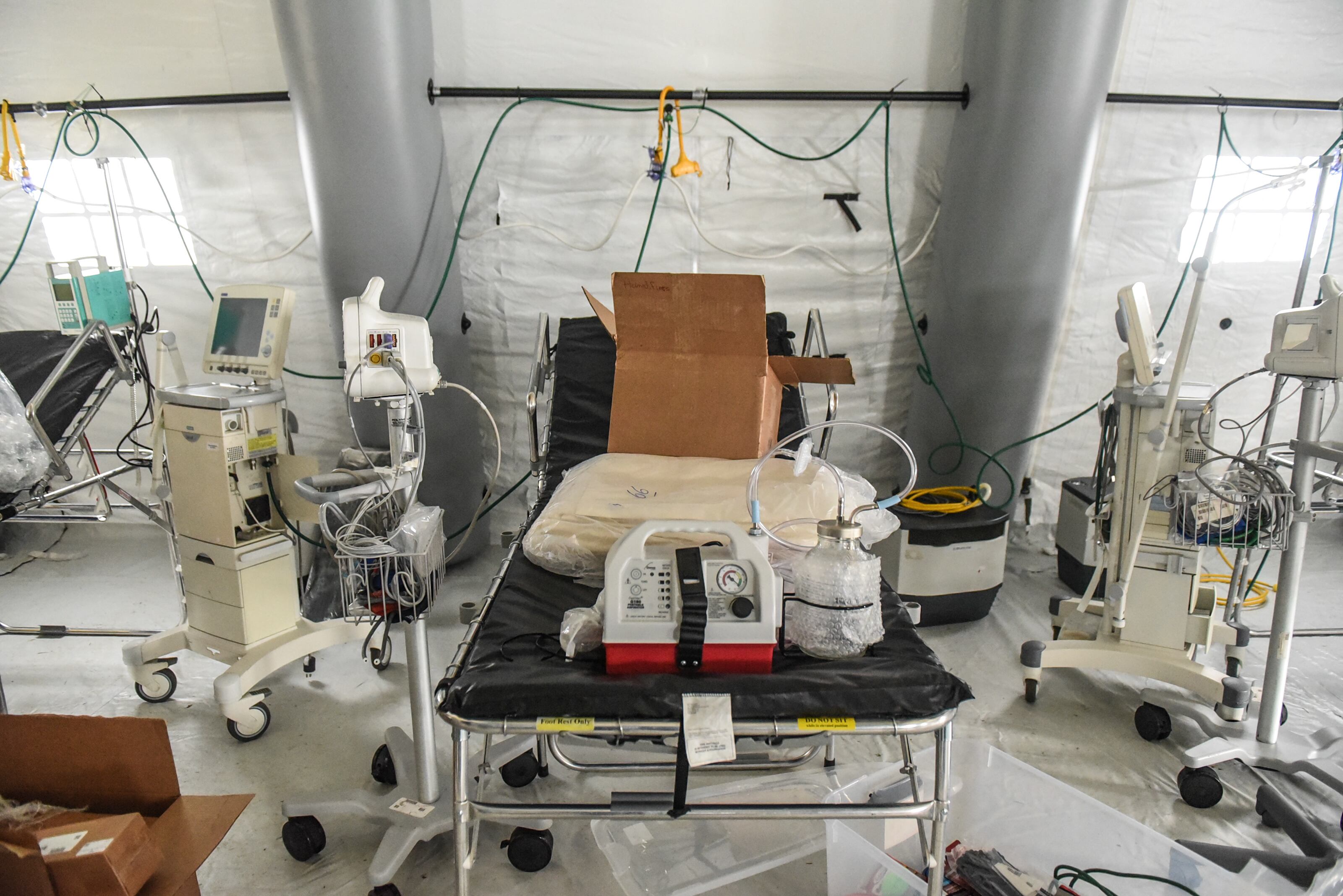
The automaker revealed that it will be able to produce 50,000 ventilators in the next 100 days. The ventilators' design has been simplified by the private medical company Airon for easy set-up and quick usage in emergency settings.
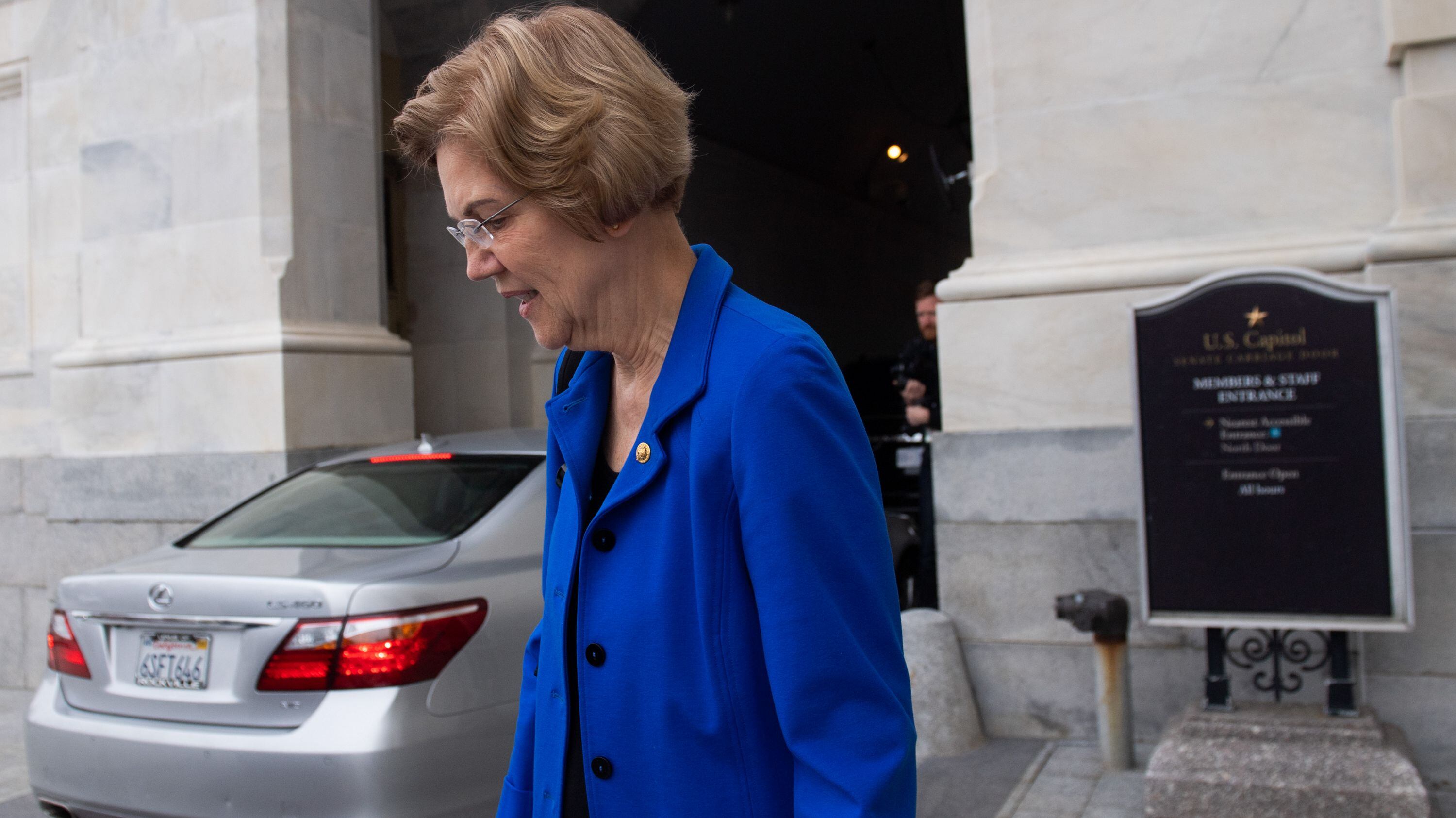
In a letter to CEOs of DoorDash, Grubhub, Instacart, and Uber, Senator Elizabeth Warren (D-Mass.) called on the employers to provide gig workers with "basic rights and protections" as they perform "essential delivery work."
Steve Hafner, CEO of OpenTable and KAYAK, said that the company is focusing on helping out in these difficult times.
Robintrack, a service that keeps counts of how many Robinhood users own a particular stock, shows that its userbase has been loading up on stocks harshly affected by the outbreak.
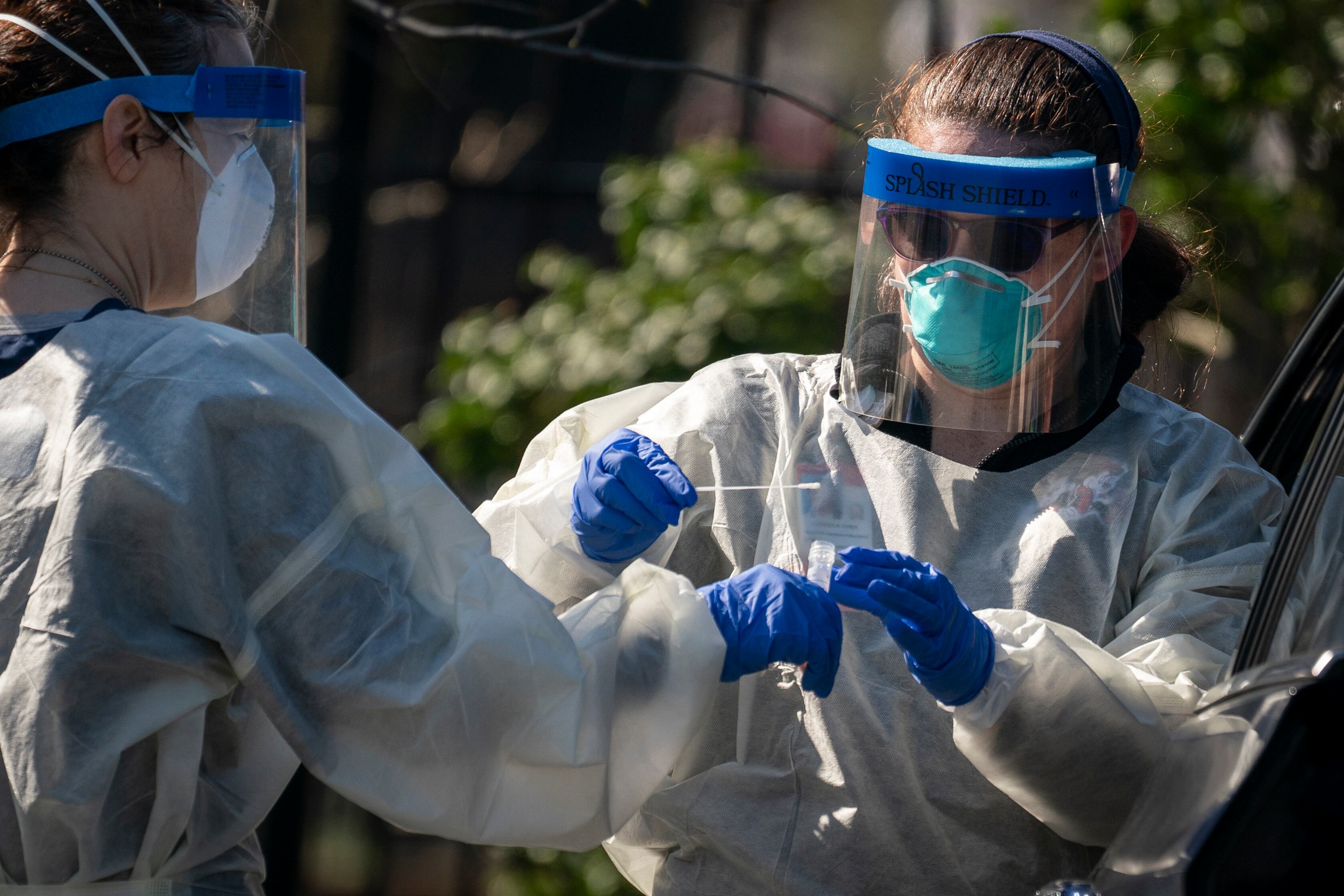
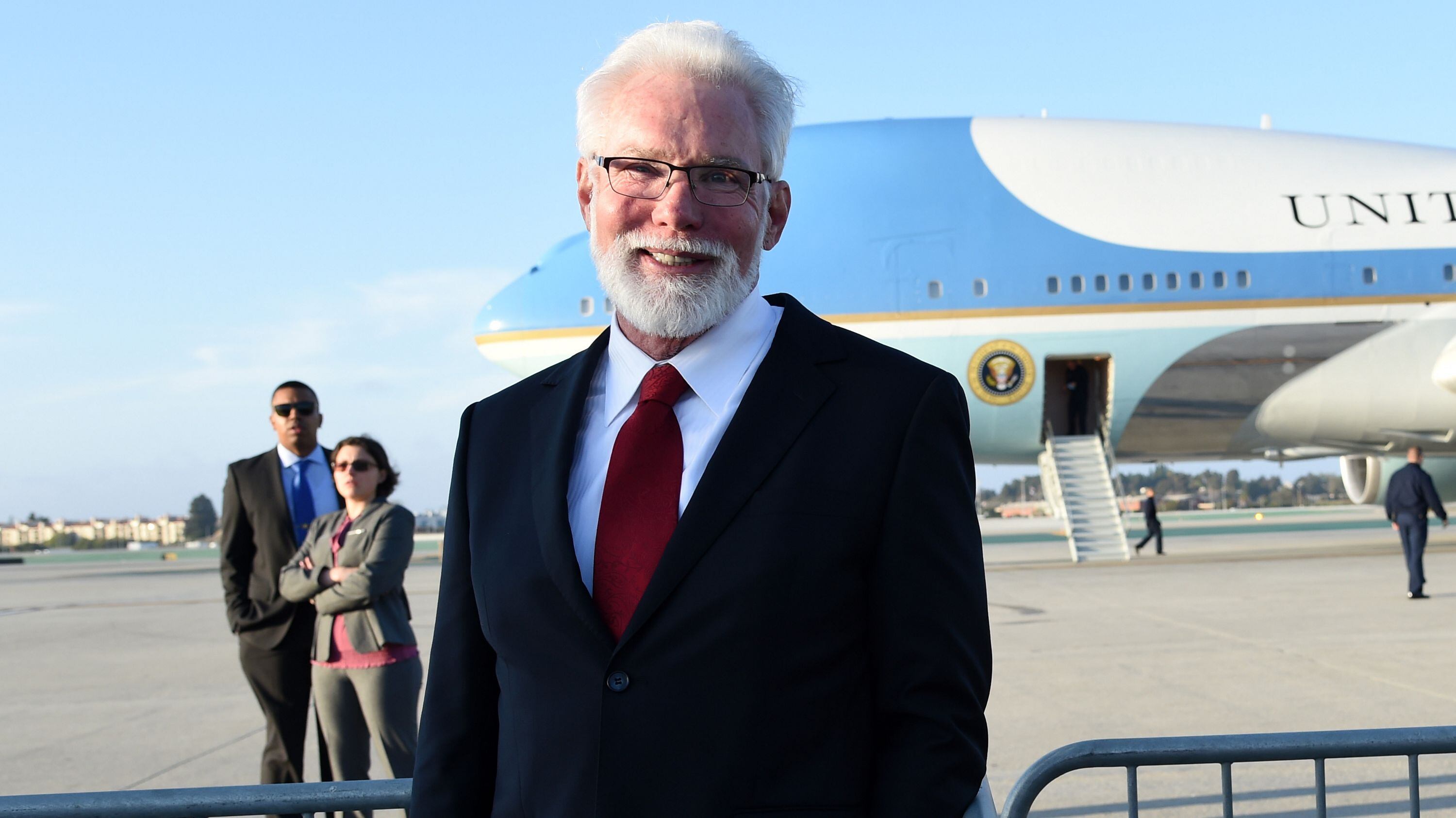
A city of about 150,000 just in northern Los Angeles County is preparing for the spread of the novel coronavirus by teaming up with the local aerospace companies to create ventilator substitutes and preparing an ordinance that would require wearing masks, according to Mayor R. Rex Parris.
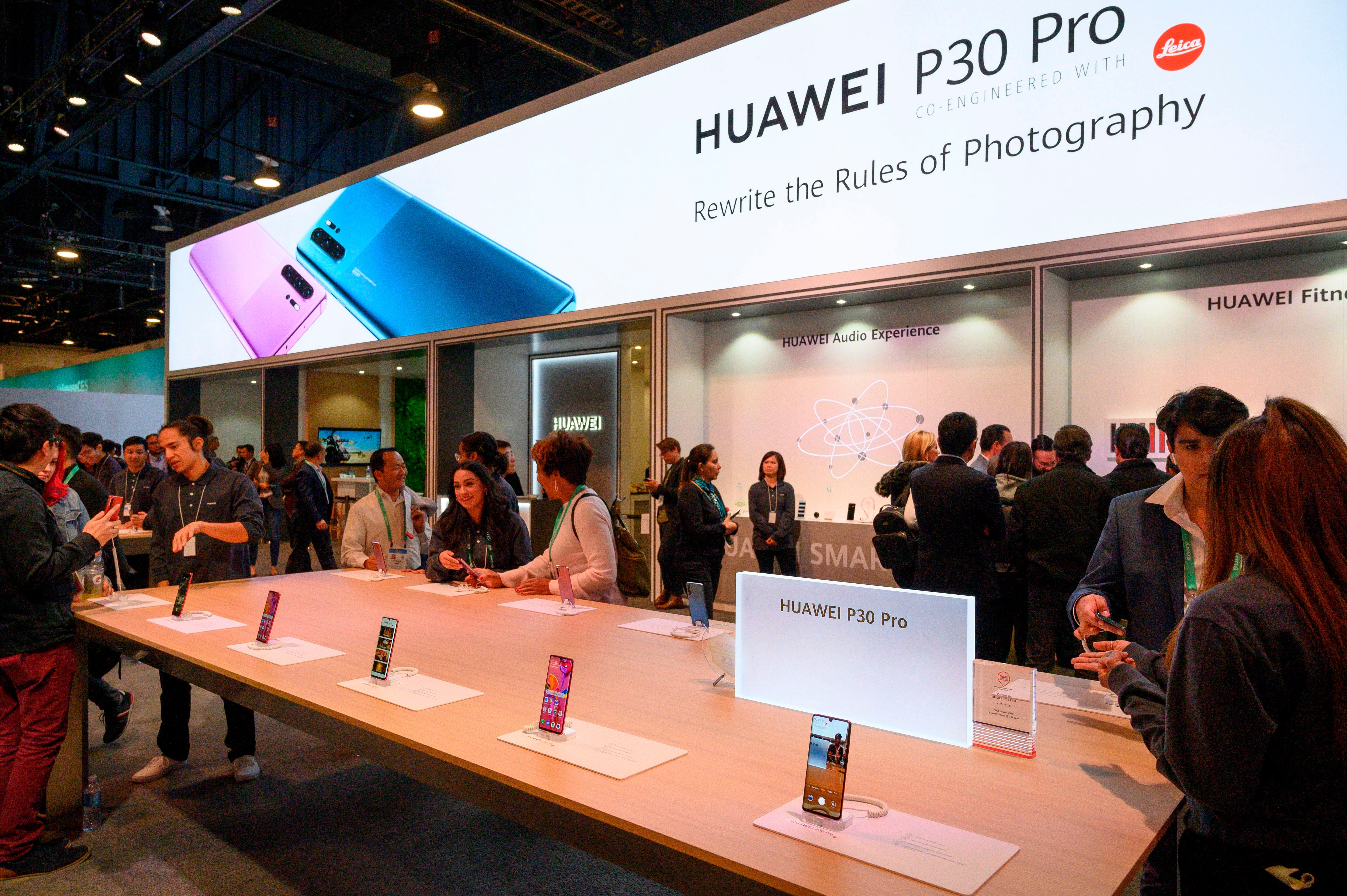
The world’s biggest telecom equipment provider is now seeing more growth from its consumer handset business.
The president took to Twitter last Friday and unleashed a furious series of attacks at GM and its chairman and CEO, Mary Barra, leaving company executives, officials inside the White House, and employees at a nonprofit who had helped broker the partnership between GM and Ventec flabbergasted.