Facebook is no longer using red flags next to fake news articles according to a new report by Axios. Sara Fischer, Media Reporter at Axios, explains why the social media giant is shifting its strategy, and her outlook for the digital ad space in 2018.
"They've been radically transparent about things that aren't necessarily working," says Fischer. New research indicates when you flag something as being bad, it actually can make more people click more on that questionable content.
Looking ahead to 2018, Amazon is expanding its advertising efforts. Fischer says introducing customer service videos as part of this push for the digital ad market is a way to take advantage of this growing trend of content.
IBM says it is getting out of the facial recognition business over concern about how it can be used for mass surveillance and racial profiling.
Contactless payments company Square has seen its clients forced to adapt to social distancing and stay-at-home orders with new technology.
Nikola motors goes public after developing zero emissions hydrogen and battery electric powered semi-trucks. A fleet of Nikola trucks are set to be manufactured in 2021 out of Germany.
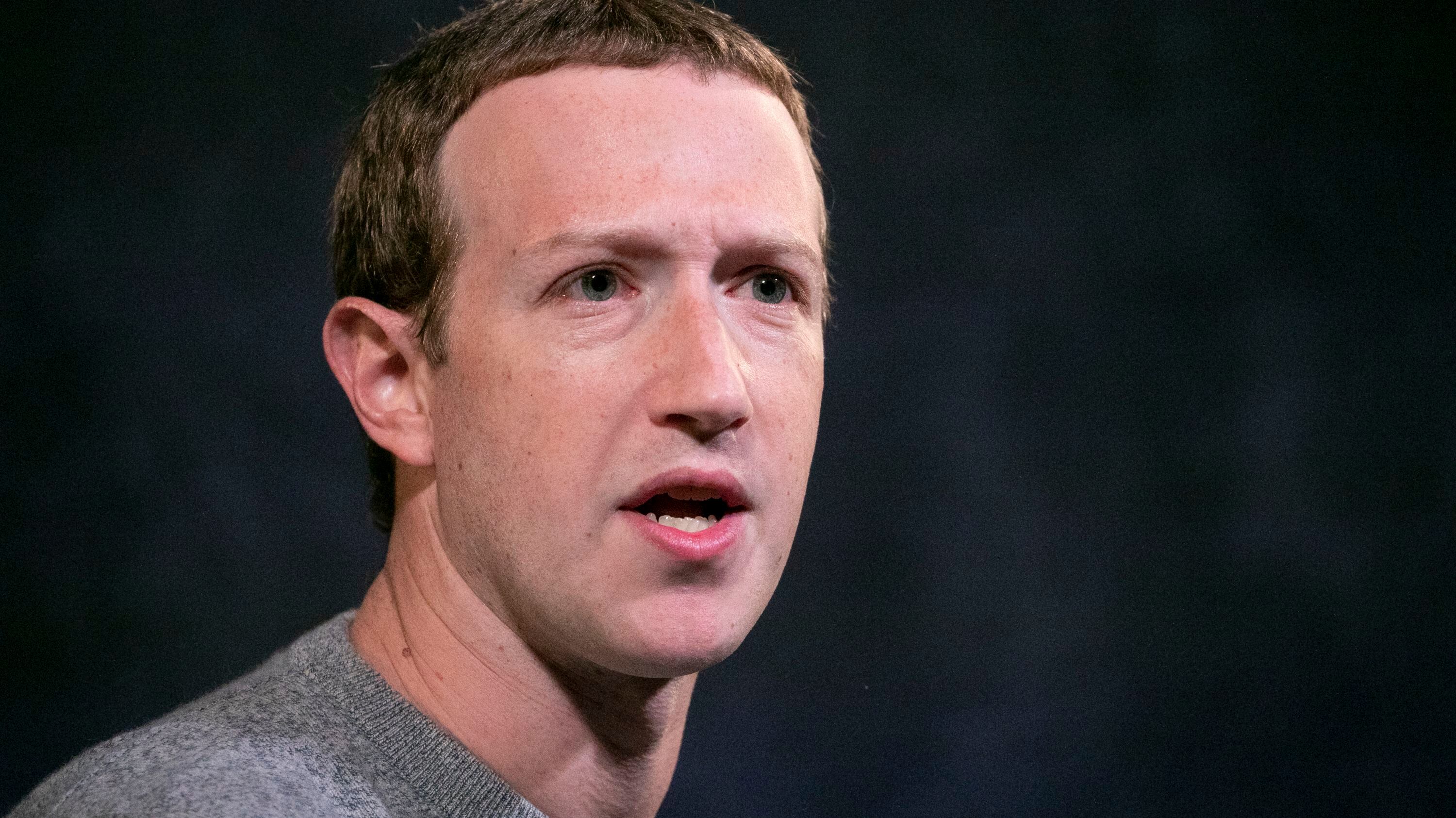
Facebook employees are using Twitter to register their frustration over CEO Mark Zuckerberg’s decision to leave up posts by President Donald Trump that suggested protesters in Minneapolis could be shot.
A growing number of writers, performers, musicians, and podcasters who have turned to fan-direct services such as Patreon, Substack, and OnlyFans to make a living. This trend has only been amplified under quarantine, as media consumption has increased dramatically worldwide.
From Wall Street to Silicon Valley, these are the top stories that moved markets and had investors, business leaders, and entrepreneurs talking this week on Cheddar.
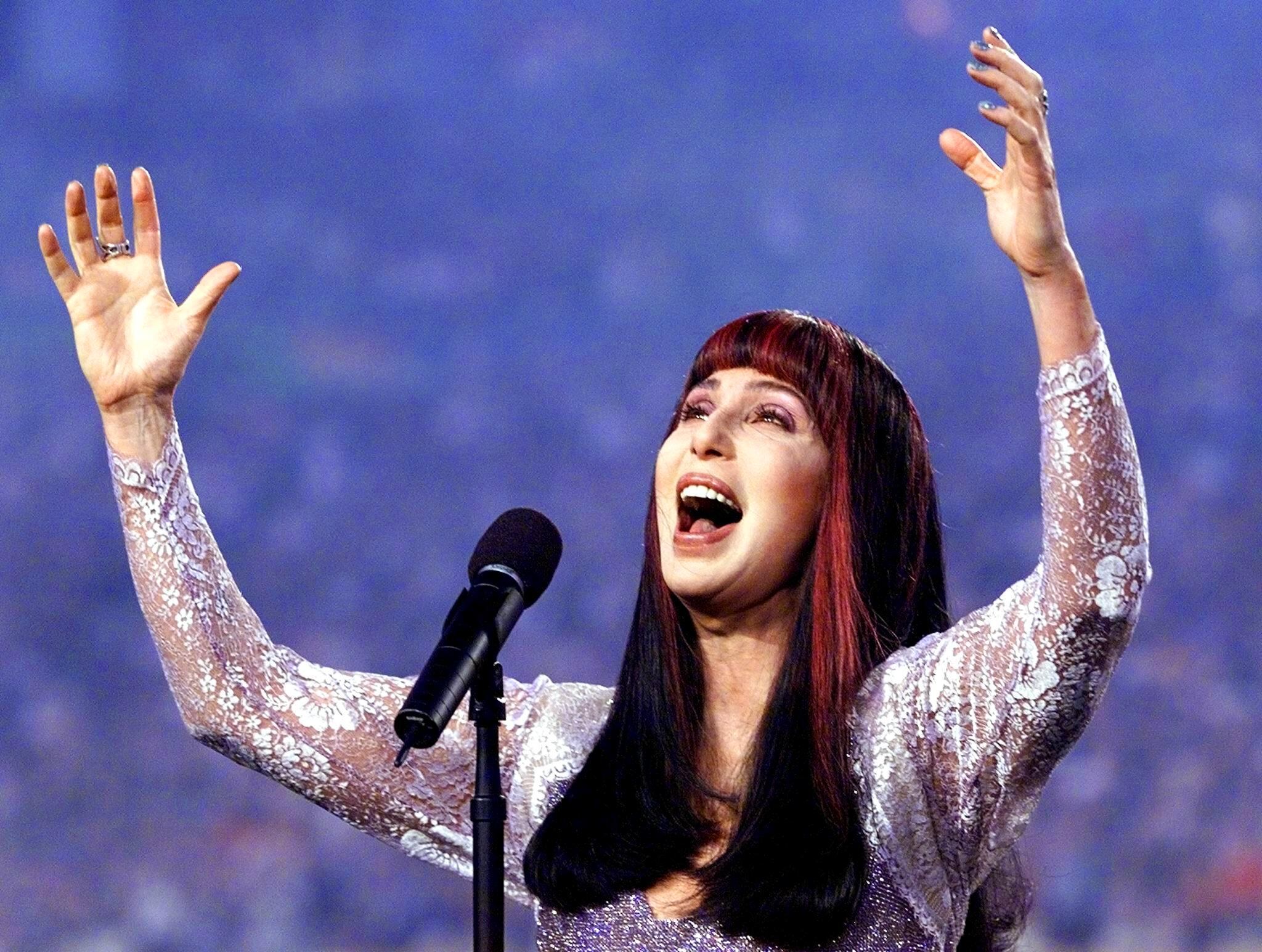
Autotune was a staple in pop hits throughout the 2000s. T-Pain, Nelly, Daft Punk, and almost every major pop artist embraced the technology. But most of these famous tunes were actually using Autotune incorrectly. So who started this trend and how did something so despised become so popular?
WarnerMedia's streaming service, which launched on Wednesday with 10,000 hours of content for $15 a month, now exists in a world no analyst could have predicted.
Max Simkoff, CEO and founder of States Title talked to Cheddar about the acceleration of digital dealmaking in the mortgage industry, which had been slow to adopt measures before the pandemic.
Wall Street’s rally ran out of fuel in the last hour of trading on Thursday, and the market fell to its first loss in four days amid worries about rising U.S.-China tensions.