Facebook is no longer using red flags next to fake news articles according to a new report by Axios. Sara Fischer, Media Reporter at Axios, explains why the social media giant is shifting its strategy, and her outlook for the digital ad space in 2018.
"They've been radically transparent about things that aren't necessarily working," says Fischer. New research indicates when you flag something as being bad, it actually can make more people click more on that questionable content.
Looking ahead to 2018, Amazon is expanding its advertising efforts. Fischer says introducing customer service videos as part of this push for the digital ad market is a way to take advantage of this growing trend of content.
Cheddar's Need2Know Podcast for Wed., June 17, 2020.
Cheddar's Need2Know Podcast for Tues., June 16, 2020.
From milk to canned tuna to shampoo, soy is in a good majority of our day-to-day products. It’s added to around 60% of the nation’s processed foods. Soy has been known to provide some real health benefits, like high protein. But there are legitimate health and environmental consequences that raise the question: why do we use so much soy? And should we?
Recent data shows that Quibi isn't gaining as much traction with viewers as one might expect, especially with the initial subscribers' three-month free trial period wrapping up in a few weeks.
From Wall Street to Silicon Valley, these are the top stories that moved markets and had investors, business leaders, and entrepreneurs talking this week on Cheddar.
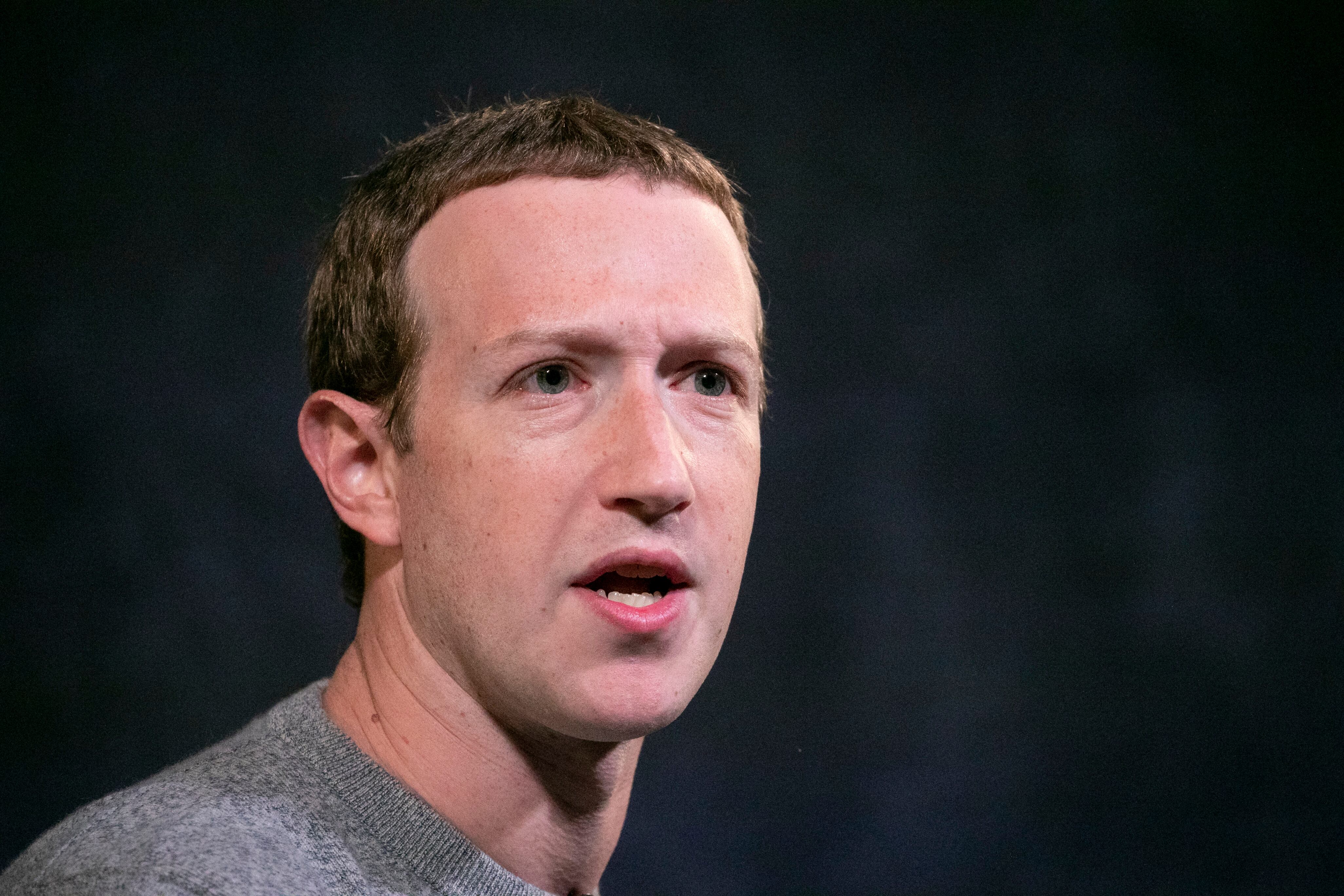
As Twitter waded into controversy for taking steps to fight misinformation and controversial remarks from perhaps its most famous tweeter, President Donald Trump, Facebook has taken the opposite tack, but with no less backlash.
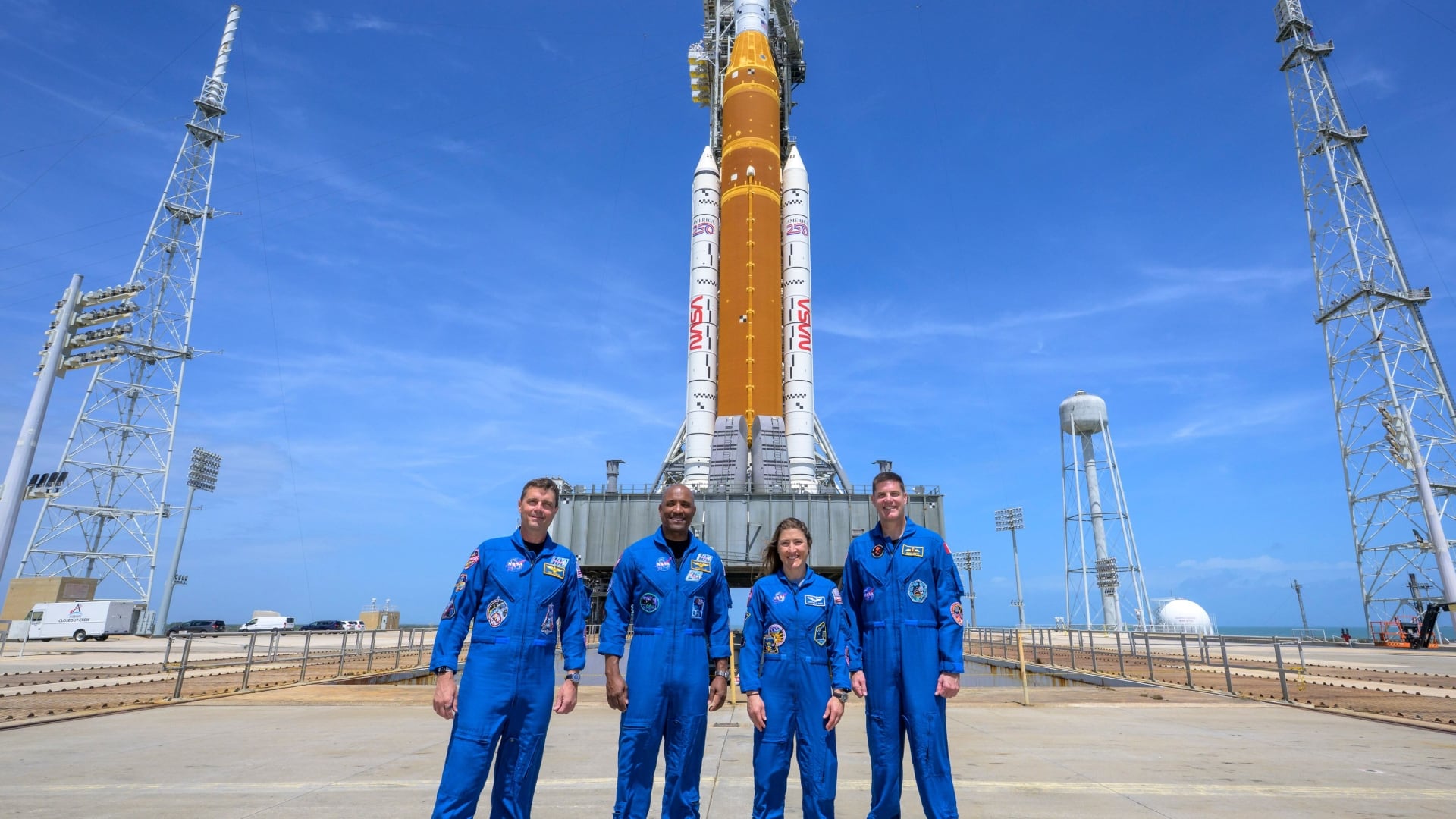
Nikola Motor Company, the hydroge-electric truck manufacturer,
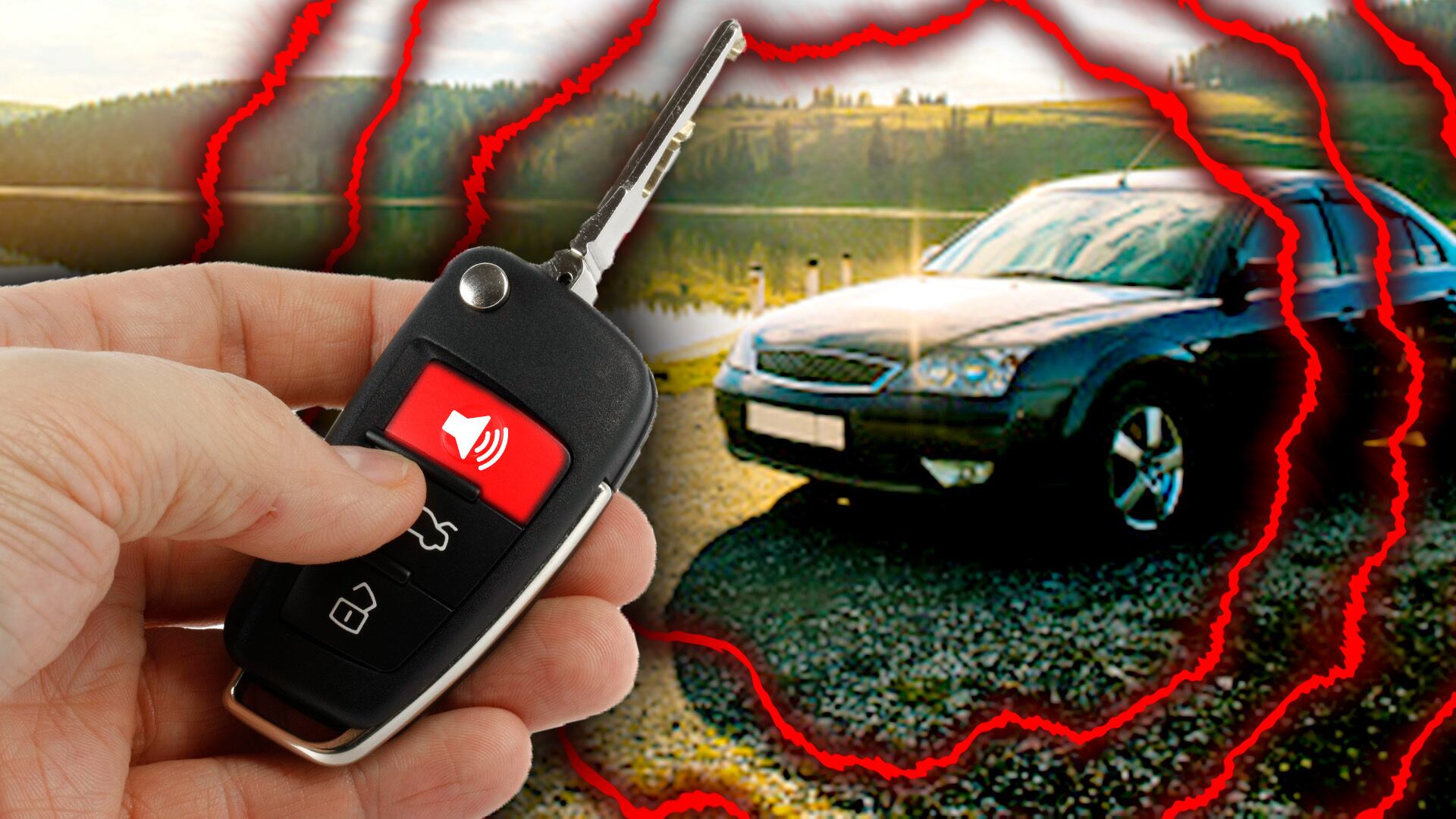
If you lived in a big city in the 90s, you're probably one of the unlucky people who was kept up at night on a regular basis by errant car alarms. But today, those in that same big city hear alarms far less often than you did. So where did car alarms go? How have they evolved, and did we ever need them to begin with?
The online used-car marketplace, Vroom, began trading on Nasdaq on Tuesday, doubling its IPO price.
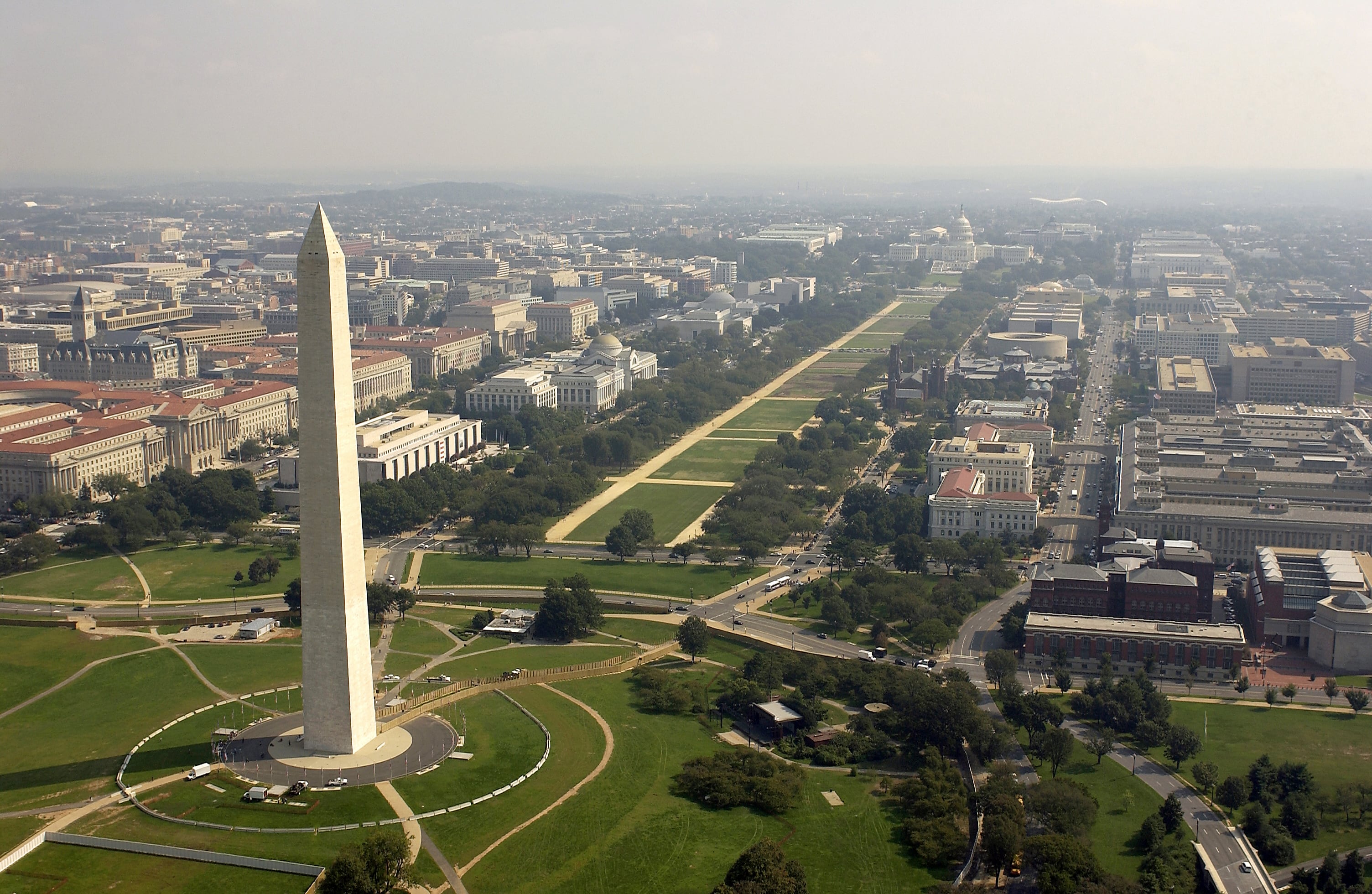
The skyline of Washington D.C. is stunted. You've probably heard that D.C. can't build skyscrapers taller than the U.S. Capital Building or the Washington Monument. But those are both myths from a bygone era. Cheddar tells the real story.