Facebook Dropping "Disputing Flags" From Fake Content
Facebook is no longer using red flags next to fake news articles according to a new report by Axios. Sara Fischer, Media Reporter at Axios, explains why the social media giant is shifting its strategy, and her outlook for the digital ad space in 2018.
"They've been radically transparent about things that aren't necessarily working," says Fischer. New research indicates when you flag something as being bad, it actually can make more people click more on that questionable content.
Looking ahead to 2018, Amazon is expanding its advertising efforts. Fischer says introducing customer service videos as part of this push for the digital ad market is a way to take advantage of this growing trend of content.
Between Bells EP Conor White recaps some of the biggest stories of the week, and teaches Baker Machado and Azia Celestino a thing or two at the same time. It's This Week in Trivia!
Chad Anderson, Managing Partner at Space Capital, explains how satellites are helping provide new information on climate change, while also discussing the latest on the space investment front and SpaceX's delayed mission.
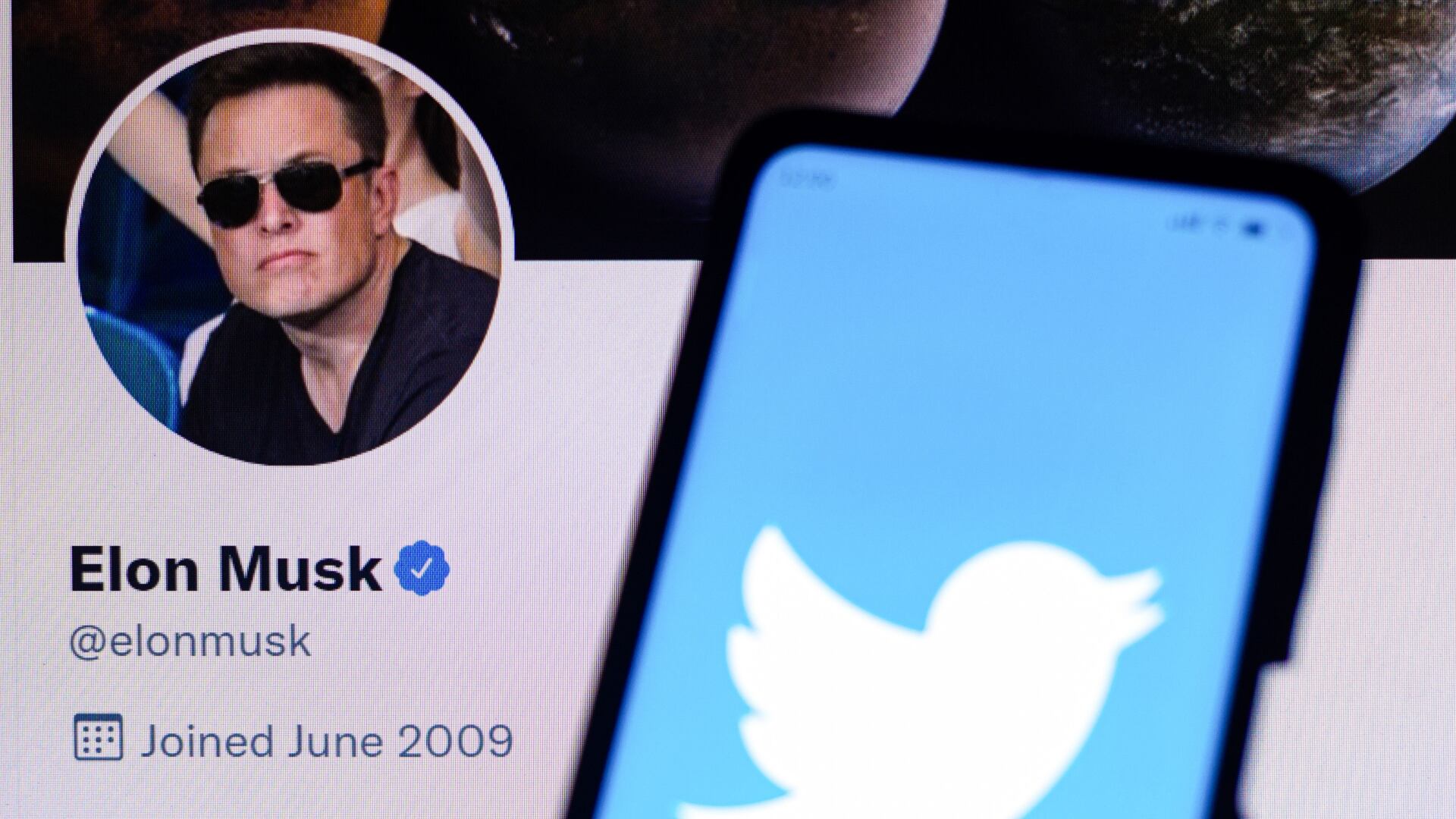
The saga surrounding Elon Musk's bid to buy Twitter has made its way to Washington, DC. A group of 18 House Republicans are calling on the social media platform's board to preserve all records and documents related to the company's response to the offer from the Tesla CEO. Caleb Silver, editor in chief of Investopedia, joined Closing Bell to discuss. "This is a long term play, but it's just a shot across the bow by congressional Republicans, who probably will end up taking the House, that they're going to be tough on Big Tech and they're going use Musk's bid for twitter to take it private, so that he can get the platform to be open source and remove its censorship."
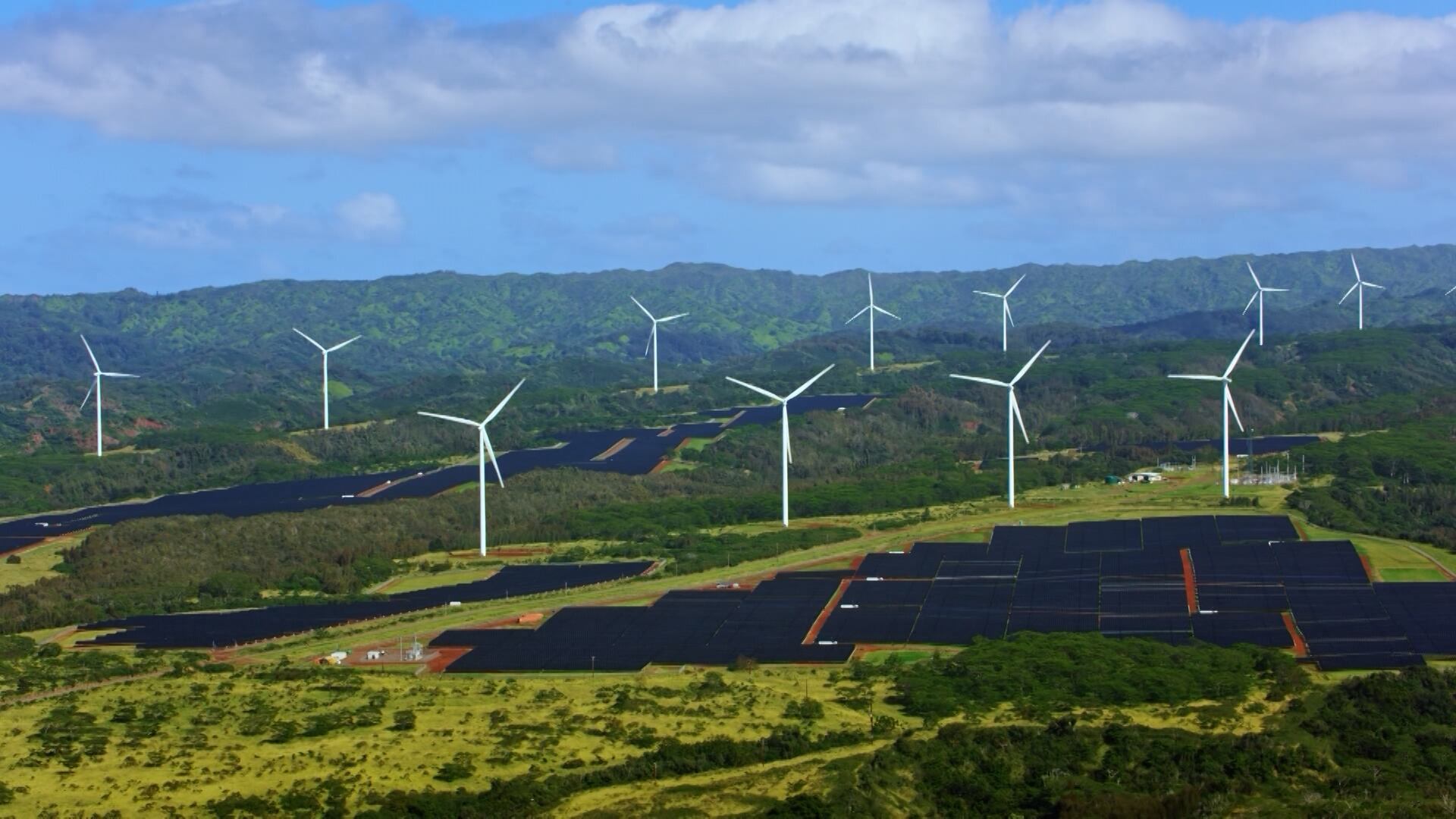
Removing carbon from our atmosphere has become a goal for scientists and entrepreneurs around the world, and while many have begun to develop promising technology solutions, a few big names in tech, including Stripe, Alphabet, Shopify, Meta and McKinsey, are committing nearly $1 billion dollars to fund carbon removal technology through 2030 through a new initiative called Frontier, an advanced market commitment to incentive following through on development. Hannah Bebbington, the head of strategy for Frontier, joined Cheddar News to discuss. "What Frontier aims to do is help get this market on track by sending that strong demand signal such that we can scale up capacity really significantly in the next couple of years," she said.
Jonah Goldman, the managing director at Bill Gates-founded Breakthrough Energy, joined Cheddar News to talk about the promising growth in the climate change-conscious investments the organization has made over the years. ”I mean when we're looking at some of the hard to abate technologies and cement and steel and aviation fuel, all of those have promising pathways that weren't there again just a few years ago," he said. "We invest across all of the technology areas that are driving emissions, greenhouse gas emissions and there really are exciting products and technologies coming out in almost every one of those sectors.”
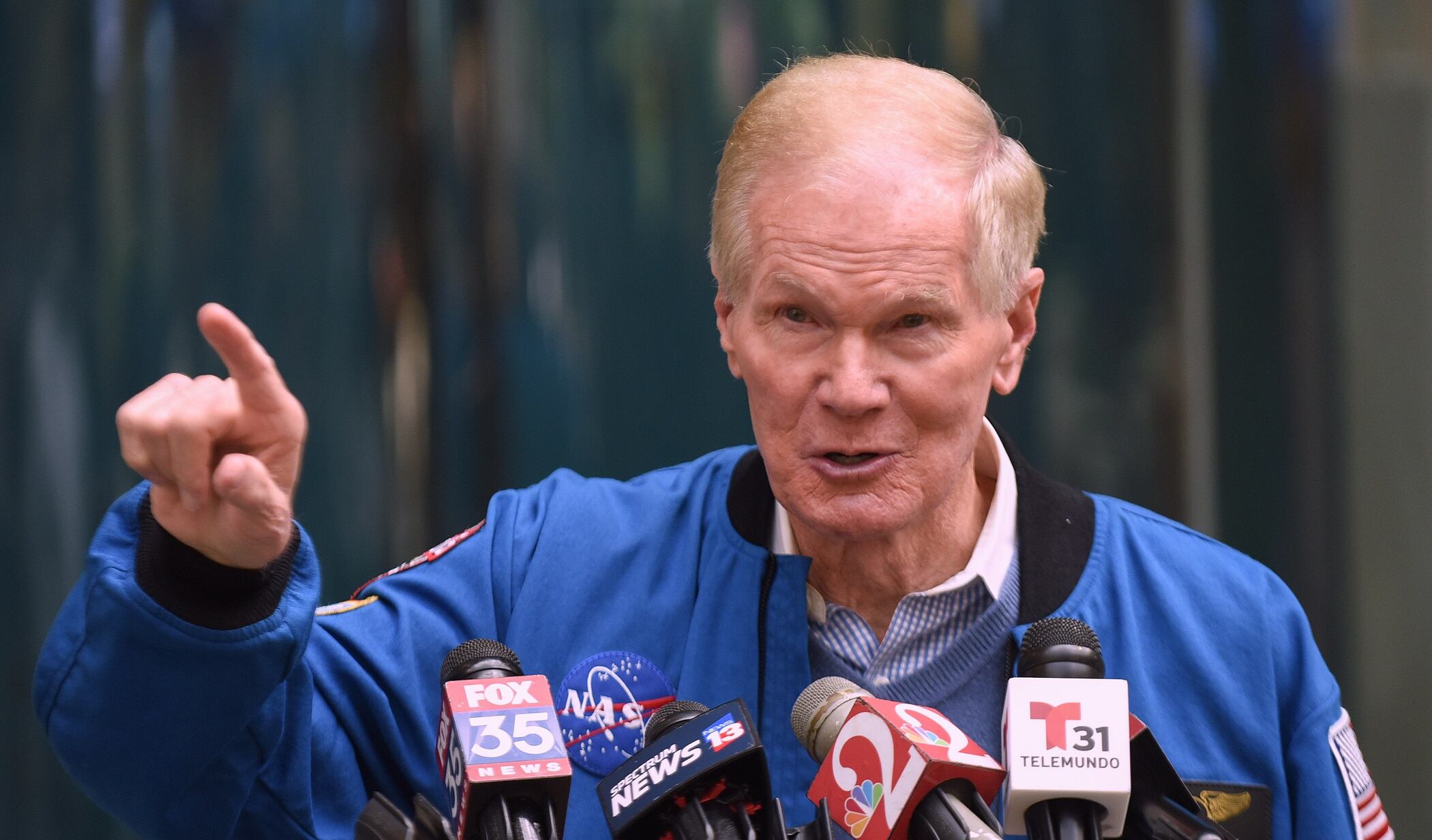
Cheddar's J.D. Durkin caught up with the head of NASA Bill Nelson, a former senator, who feels one thing that seems less rancorous on Capitol Hill these days is the work of the space agency.