Facebook announced on Wednesday a comprehensive ban on white nationalism and white separatism, two ideologies that the company previously viewed as different from white supremacy, which the social network blocked in 2018.
But activists and civil rights groups have long argued that the tenets make up distinctions without a difference.
“Today we’re announcing a ban on praise, support and representation of white nationalism and separatism,” the social media giant said in a statement. “It’s clear that these concepts are deeply linked to organized hate groups and have no place on our services.”
The new policy comes less than two weeks after a white supremecist killed 50 worshippers at two mosques in Christchurch, New Zealand. The accused terrorist live-streamed the attack in a horrifying 17-minute video. He also posted a manifesto laden with racist and white nationalist parlance on social media before going into the mosques.
Facebook said it did not originally include white nationalism and separatism in its ban on white supremacy because the company understood them in “broader concepts of nationalism and separatism — things like American pride and Basque separatism, which are an important part of people’s identity.”
In recent months, however, the company realized “that white nationalism and separatism cannot be meaningfully separated from white supremacy and organized hate groups.”
Facebook said its realization came after speaking with activists in civil society, academics, and other experts on race relations.
The Southern Poverty Law Center, which monitors hate groups in the U.S. and pressured Facebook to make the change, praised the decision on Twitter.
However, the group criticized the platform for banning white supremacy but allowing white nationalist and separatist content to spread “despite the lack of difference between ideologies.”
Facebook was also pressured by the social justice organization Lawyers' Committee for Civil Rights Under Law to update its policy.
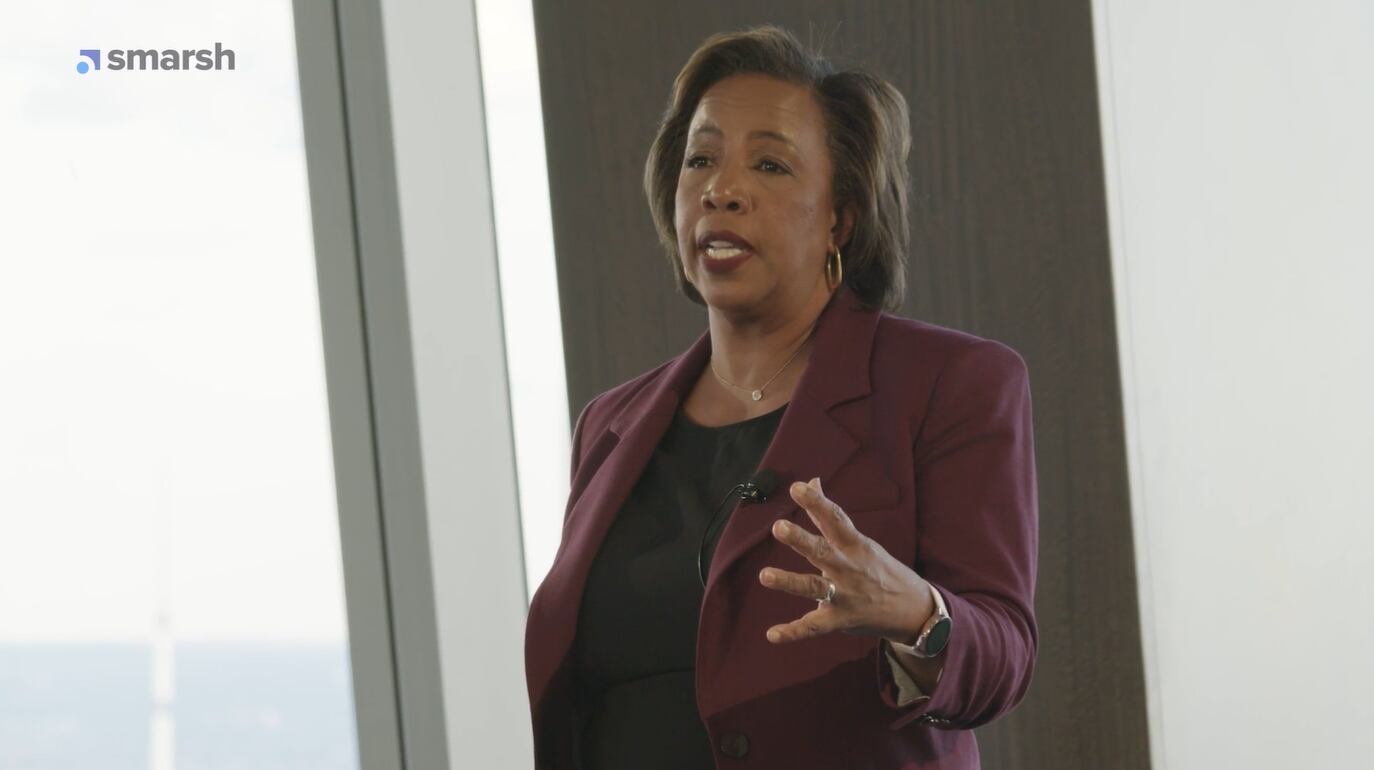
“Took hard work to achieve this victory but our work is not over,” tweeted Kristen Clarke, the group’s president and executive director. “We will be monitoring Facebook closely to ensure that they implement this policy fully. We can't allow violent white supremacists to incubate, organize & recruit on our online platforms.”
In addition to external counsel, Facebook said it conducted an internal review of hate figures and organizations on the platform, which revealed an overlap between white nationalism and separatism and white supremacy.
Moreover, when future users search for terms associated with white supremacy, Facebook will direct them to Life After Hate, a counter-extremist group that works to interrupt violence committed in the name of ideological or religious beliefs.
“Unfortunately, there will always be people who try to game our systems to spread hate,” Facebook’s statement added. “Our challenge is to stay ahead by continuing to improve our technologies, evolve our policies and work with experts who can bolster our own efforts.”
The ban will apply to Facebook and Instagram and go into effect next week.
Carolina Navas, Snap's head of AR product strategy and product marketing, joins Cheddar News to discuss how Snapchat's augmented reality is changing the shopping game this holiday season.
Anesthesiologist and newest cast member on 'The Real Housewives of Miami,' Dr. Nicole Martin, joins Cheddar News to discuss the latest season returning to Peacock.
The World Inequality Lab just released its inequality report, which looks at wealth and income inequality, gender inequality, and carbon emission inequality around the world. It is also the first global assessment of wealth and income inequality since the start of the pandemic. Matthew Post-Fisher, a coordinator with the World Inequality Lab and a research fellow at Harvard Kennedy school joins Cheddar News to discuss the findings.
Instagram Chief Executive Adam Mosseri is set to testify before Congress for the first time. Mosseri’s appearance follows reports that showed Facebook and Instagram are aware of the harms their apps and services cause, including to teen mental health. Nicole Gill, co-founder and executive director of Accountable Tech joins Cheddar News to preview the hearing.
Actor Hosea Chanchez joined Cheddar Wellness to discuss reprising his role in the Paramount+ reboot of the hit series "The Game '' and about the importance of mental wellness for Black men, identifying similarities between himself and the character he plays, Malik Wright. He noted that the role allowed him to submerge himself in the culture of athletes and let him explore and depict subjects that often go undiscussed in the Black community to draw attention to their relevance.
According to an Indeed survey, 77% of job seekers say work happiness is important when considering a future employer. Misty Gaither, Senior Director, Global Head of Diversity, Inclusion & Belonging, Indeed, joins Cheddar Wellness to discuss the importance of overall workplace happiness and how employees and employers can work towards that goal.
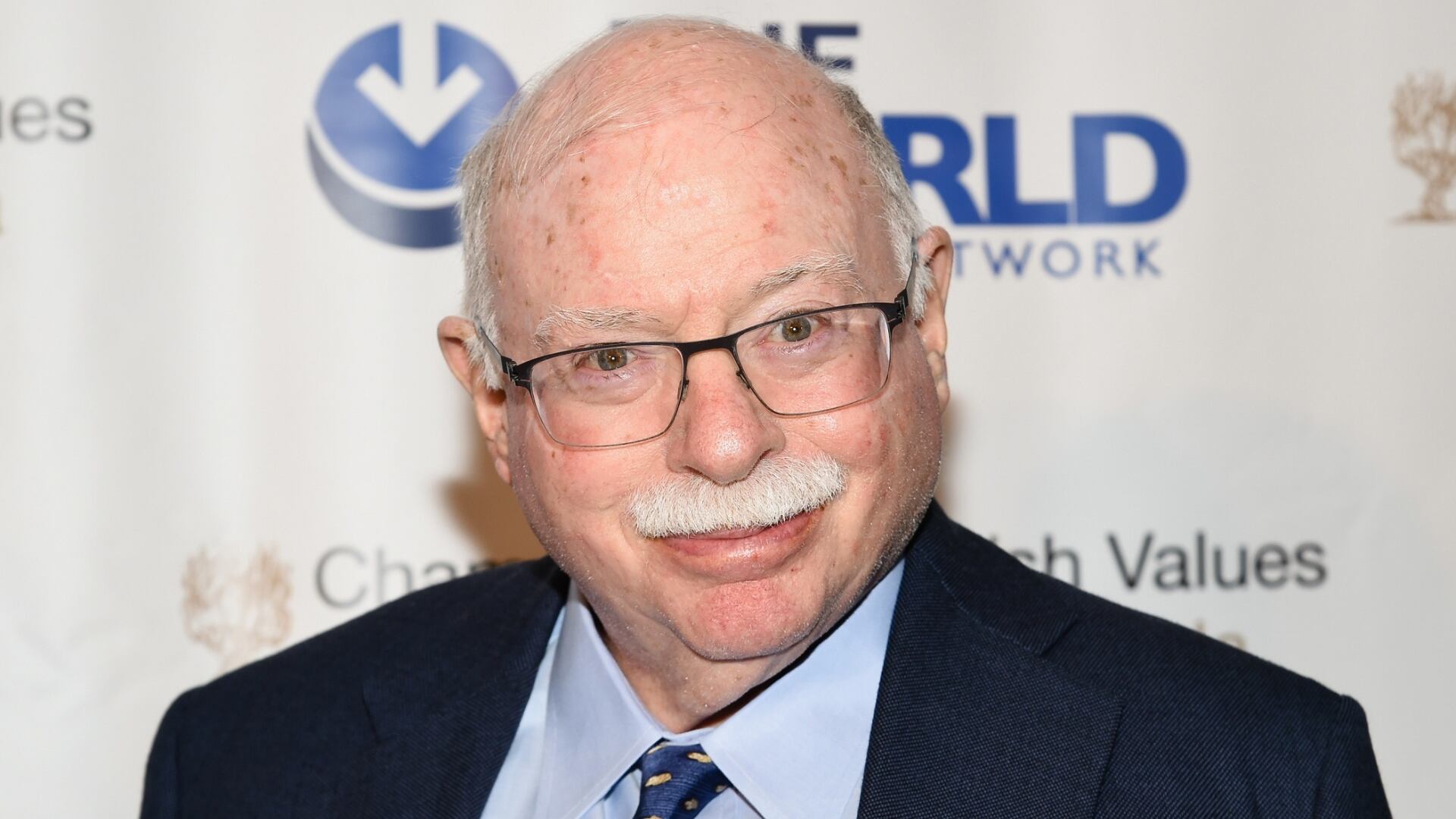
Michael Steinhardt, 81, has surrendered 180 stolen artifacts from 11 different countries worth $70 million. The former hedge fund manager has also received a lifetime ban from the antiquities market.
The U.S. has seen several retailers across the country forced to close their brick-and-mortar stores amid the rise of e-commerce over the past few years. However, we are in the midst of a brick-and-mortar boom, with retailers expected to open more stores this year than they close, for the first time since 2017, according to an analysis of more than 900 chains by IHL Group, a research and advisory company. At the same time, the e-commerce businesses of retailers have become more dependent on physical stores to fulfill orders, especially during the holiday shopping season. Lionesque Group CEO Melissa Gonzalez joins Cheddar News' Closing Bell to discuss.
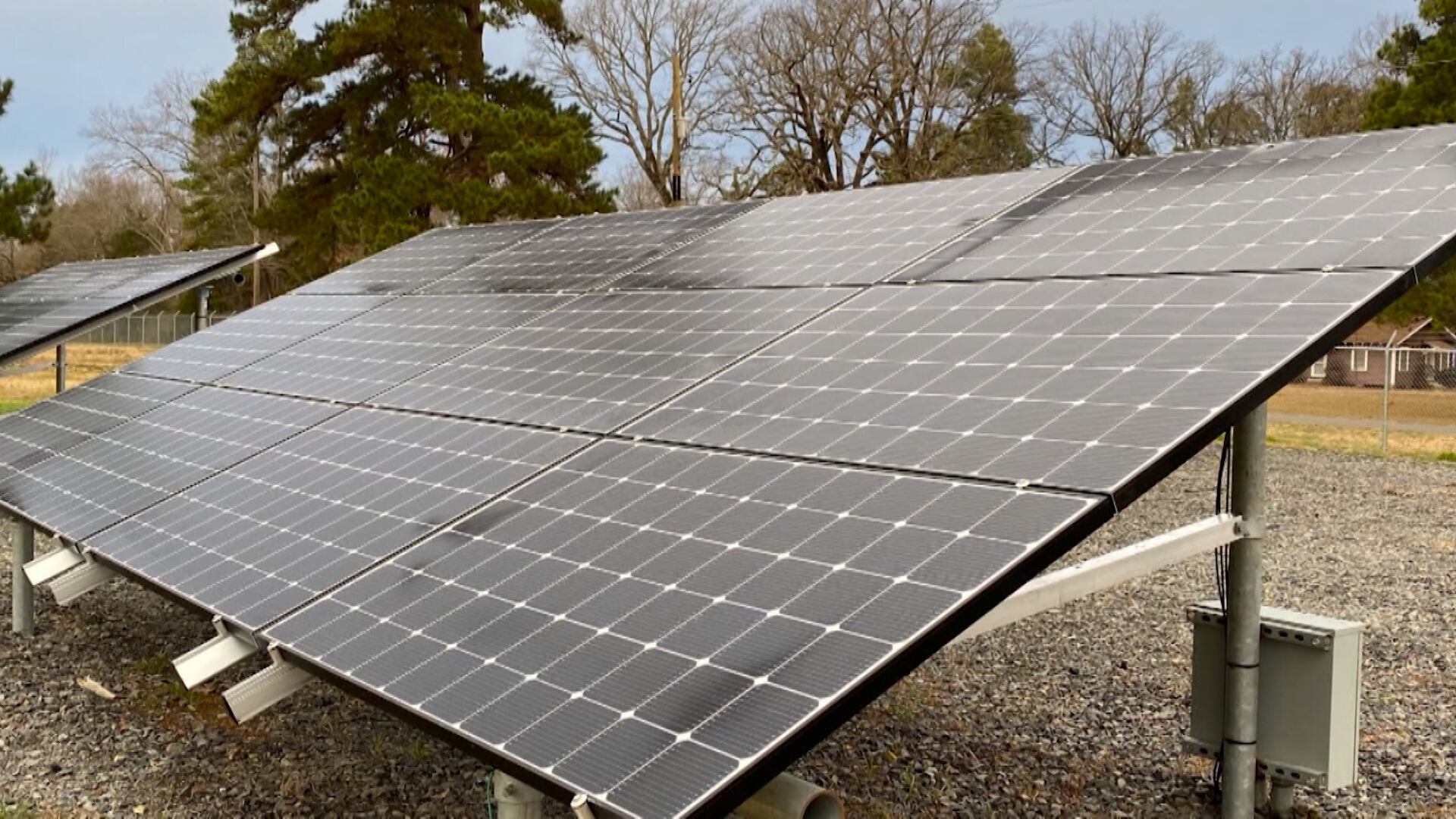
Heila Technologies, a startup that develops hardware and software to integrate renewables and batteries on a microgrid, is helping to power the first clean energy microgrid for Auto Mercado, a top supermarket chain in Costa Rica. The plant will reduce 20 tons of CO2 emissions per year. Heila Technologies CEO Francisco Morocz joins Cheddar Climate to discuss.