Facebook announced on Wednesday a comprehensive ban on white nationalism and white separatism, two ideologies that the company previously viewed as different from white supremacy, which the social network blocked in 2018.
But activists and civil rights groups have long argued that the tenets make up distinctions without a difference.
“Today we’re announcing a ban on praise, support and representation of white nationalism and separatism,” the social media giant said in a statement. “It’s clear that these concepts are deeply linked to organized hate groups and have no place on our services.”
The new policy comes less than two weeks after a white supremecist killed 50 worshippers at two mosques in Christchurch, New Zealand. The accused terrorist live-streamed the attack in a horrifying 17-minute video. He also posted a manifesto laden with racist and white nationalist parlance on social media before going into the mosques.
Facebook said it did not originally include white nationalism and separatism in its ban on white supremacy because the company understood them in “broader concepts of nationalism and separatism — things like American pride and Basque separatism, which are an important part of people’s identity.”
In recent months, however, the company realized “that white nationalism and separatism cannot be meaningfully separated from white supremacy and organized hate groups.”
Facebook said its realization came after speaking with activists in civil society, academics, and other experts on race relations.
The Southern Poverty Law Center, which monitors hate groups in the U.S. and pressured Facebook to make the change, praised the decision on Twitter.
However, the group criticized the platform for banning white supremacy but allowing white nationalist and separatist content to spread “despite the lack of difference between ideologies.”
Facebook was also pressured by the social justice organization Lawyers' Committee for Civil Rights Under Law to update its policy.
“Took hard work to achieve this victory but our work is not over,” tweeted Kristen Clarke, the group’s president and executive director. “We will be monitoring Facebook closely to ensure that they implement this policy fully. We can't allow violent white supremacists to incubate, organize & recruit on our online platforms.”
In addition to external counsel, Facebook said it conducted an internal review of hate figures and organizations on the platform, which revealed an overlap between white nationalism and separatism and white supremacy.
Moreover, when future users search for terms associated with white supremacy, Facebook will direct them to Life After Hate, a counter-extremist group that works to interrupt violence committed in the name of ideological or religious beliefs.
“Unfortunately, there will always be people who try to game our systems to spread hate,” Facebook’s statement added. “Our challenge is to stay ahead by continuing to improve our technologies, evolve our policies and work with experts who can bolster our own efforts.”
The ban will apply to Facebook and Instagram and go into effect next week.
A new report from CNBC says Instagram recently reached a new milestone -- 2 billion monthly active users. It comes amid a year of controversy for the photo-sharing app and its parent company, Meta. SocialFlow CEO Jim Anderson joins Cheddar News' Closing Bell to discuss.
A report from KPMG International found that global mergers and acquisitions in 2021 reached $5.1 trillion in transactions. Carol Streicher, U.S. deal advisory and strategy service group leader for KPMG, joined Cheddar's "Closing Bell" to talk about the record-breaking year and next year's outlook, which KPMG says could be even more staggering. "We're not seeing any slow down in '22," she said, regarding survey results of 350 business leaders. "Things that were tailwinds for us in M&A activity this past year are going to continue to be tailwinds for us in 2022."
MotorTrend named the Rivian R1T as the 2022 truck of the year - a prestigious title given by the publication as a way for automakers to tout third-party validation. Rivian beat out traditional, legacy truck favorites like Ford and General Motors.
MotorTrend said the company earned high marks for safety, efficiency, value, advanced design, engineering excellence, and performance of intended function. MotorTend head of editorial Ed Loh joins Cheddar News' Closing Bell to discuss.
There is a new way for investors to bet on cannabis - the AdvisorShares Poseidon Dynamic Cannabis ETF targets about 20 of the biggest names in U.S. cannabis. It comes at a time when it's still difficult for investors to access the space. Cheddar News cannabis reporter Chloe Aiello spoke with co-founder and managing director for Poseidon Investment Management, Emily Paxhia.
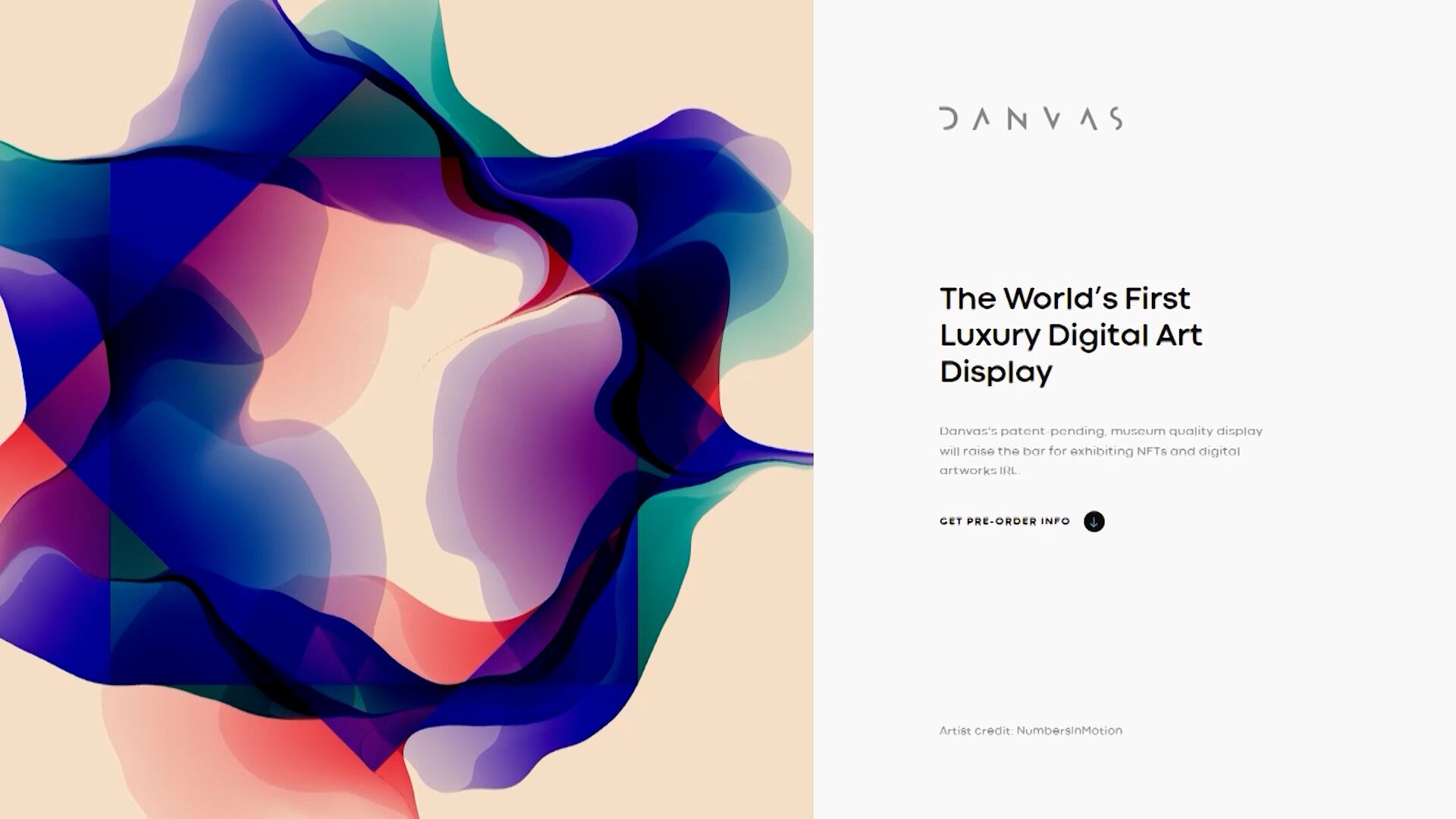
Danvas is a new company that aims to bring NFTs and digital artwork into the real world through an interactive, museum-quality display. The company says its product is the first premium, luxury digital art canvas, which it hopes will accelerate the world's appreciation of digital artists and their work, and empower collectors to acquire more NFT art. Danvas also just announced its launch this week, with a $7 million seed round from some big-name backers. Danvas co-founder and CEO Jeanne Anderson joins Cheddar News' Closing Bell to discuss.
LaFawn Davis, SVP of ESG at Indeed, joins Cheddar Wellness to break down why empathy is so important in the workplace, how to improve empathetic skills at work, and what the future of empathy looks like in the workplace.
Actor, pastor, and now author Kel Mitchell joined Cheddar's 'Between Bells' to talk about his new book 'Blessed Mode: 90 Days to Level Up Your Faith' and what inspired him to write it. Mitchell said the book aims to help people boost their physical, mental, and spiritual wellbeing. Ordained as a pastor in 2019, he talked about his service in the church. He also talked about what it was like working with former castmates on Nickelodeon's 'All That' reboot.
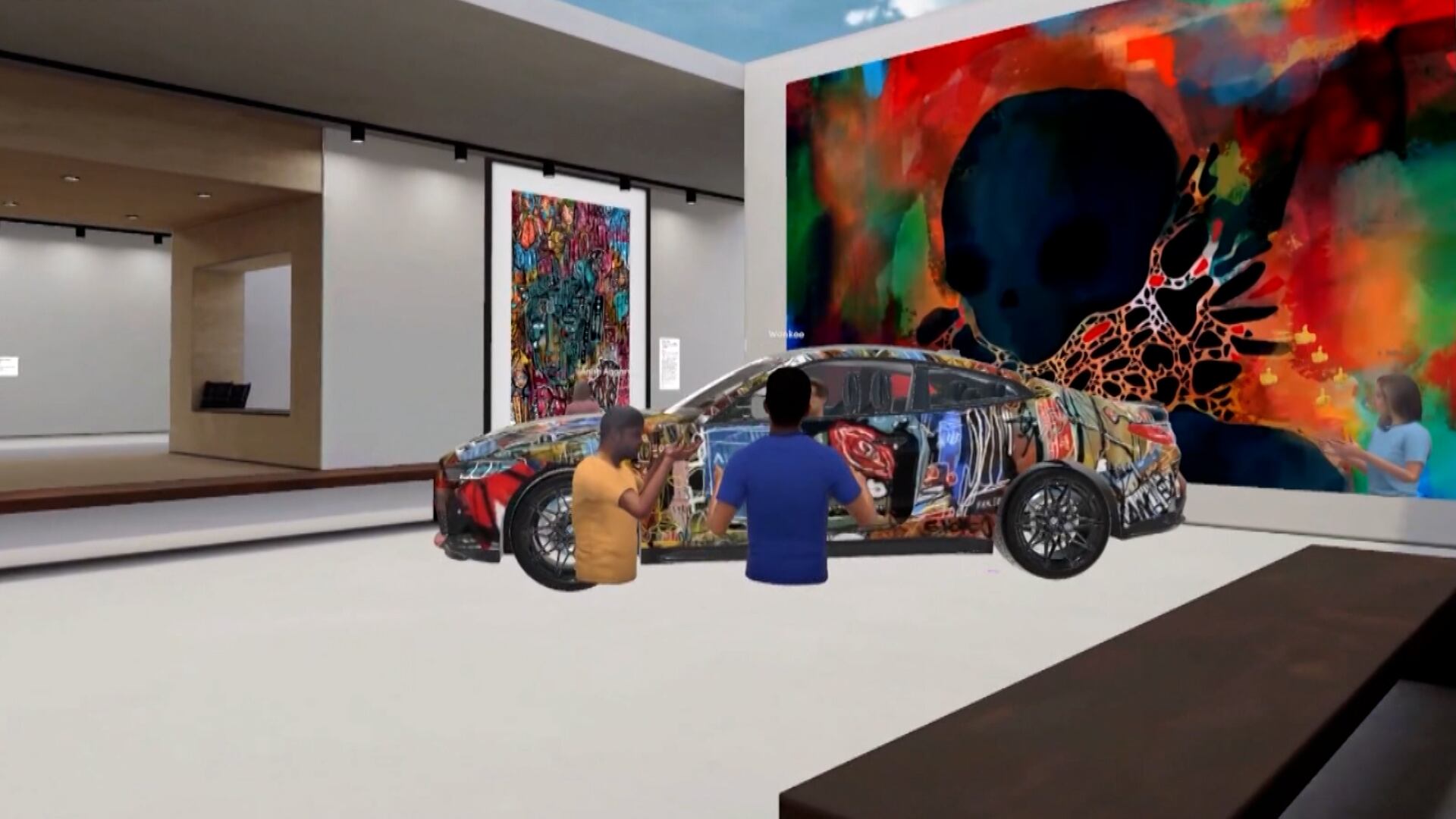
VR/AR collaboration platform Spatial is diving head first into the Metaverse. The company is switching up its image--now branding itself as 'the metaverse for cultural events,' aiming to become the new virtual hub for NFT galleries, brand experiences, and large-scale conferences. Jacob Loewenstein, Head of Business, Spatial, joined Cheddar's Opening Bell to discuss the company's pivot.