Facebook announced on Wednesday a comprehensive ban on white nationalism and white separatism, two ideologies that the company previously viewed as different from white supremacy, which the social network blocked in 2018.
But activists and civil rights groups have long argued that the tenets make up distinctions without a difference.
“Today we’re announcing a ban on praise, support and representation of white nationalism and separatism,” the social media giant said in a statement. “It’s clear that these concepts are deeply linked to organized hate groups and have no place on our services.”
The new policy comes less than two weeks after a white supremecist killed 50 worshippers at two mosques in Christchurch, New Zealand. The accused terrorist live-streamed the attack in a horrifying 17-minute video. He also posted a manifesto laden with racist and white nationalist parlance on social media before going into the mosques.
Facebook said it did not originally include white nationalism and separatism in its ban on white supremacy because the company understood them in “broader concepts of nationalism and separatism — things like American pride and Basque separatism, which are an important part of people’s identity.”
In recent months, however, the company realized “that white nationalism and separatism cannot be meaningfully separated from white supremacy and organized hate groups.”
Facebook said its realization came after speaking with activists in civil society, academics, and other experts on race relations.
The Southern Poverty Law Center, which monitors hate groups in the U.S. and pressured Facebook to make the change, praised the decision on Twitter.
However, the group criticized the platform for banning white supremacy but allowing white nationalist and separatist content to spread “despite the lack of difference between ideologies.”
Facebook was also pressured by the social justice organization Lawyers' Committee for Civil Rights Under Law to update its policy.
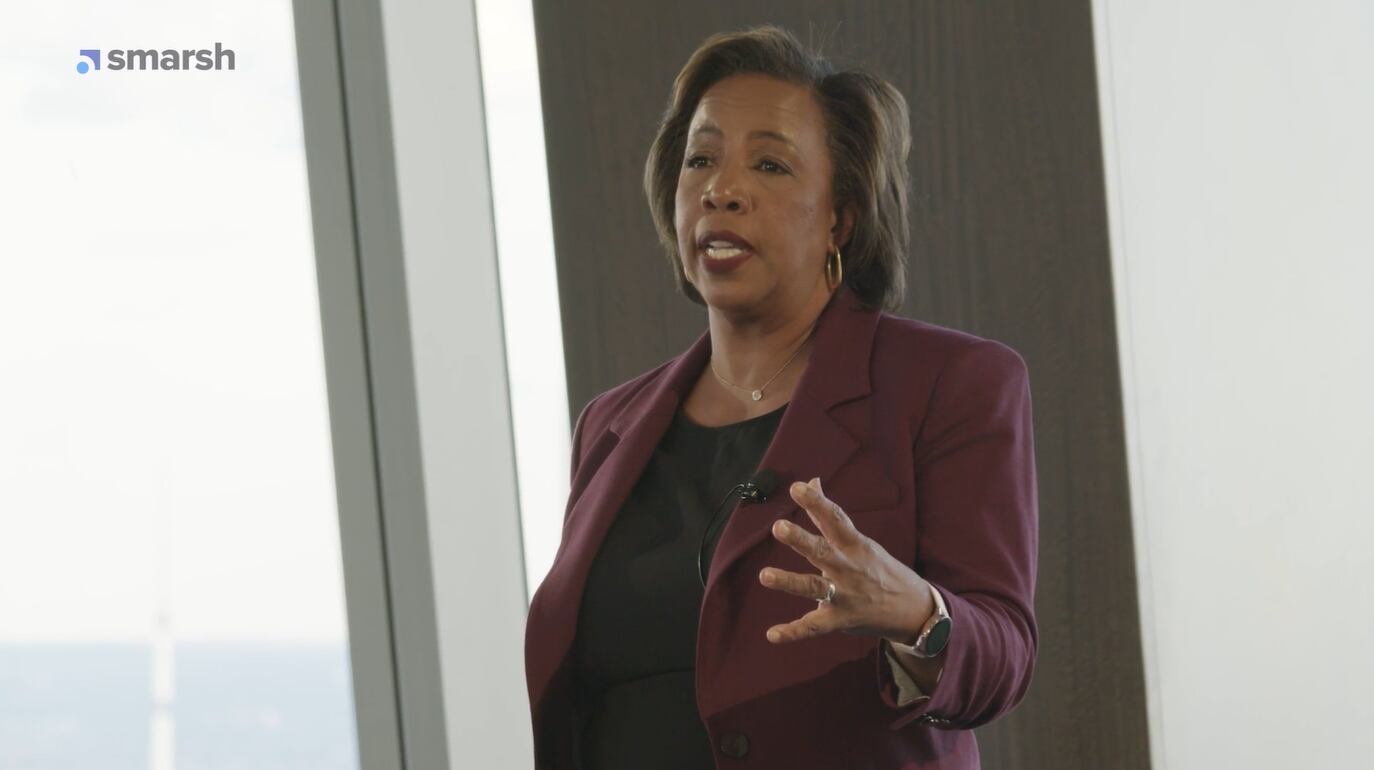
“Took hard work to achieve this victory but our work is not over,” tweeted Kristen Clarke, the group’s president and executive director. “We will be monitoring Facebook closely to ensure that they implement this policy fully. We can't allow violent white supremacists to incubate, organize & recruit on our online platforms.”
In addition to external counsel, Facebook said it conducted an internal review of hate figures and organizations on the platform, which revealed an overlap between white nationalism and separatism and white supremacy.
Moreover, when future users search for terms associated with white supremacy, Facebook will direct them to Life After Hate, a counter-extremist group that works to interrupt violence committed in the name of ideological or religious beliefs.
“Unfortunately, there will always be people who try to game our systems to spread hate,” Facebook’s statement added. “Our challenge is to stay ahead by continuing to improve our technologies, evolve our policies and work with experts who can bolster our own efforts.”
The ban will apply to Facebook and Instagram and go into effect next week.
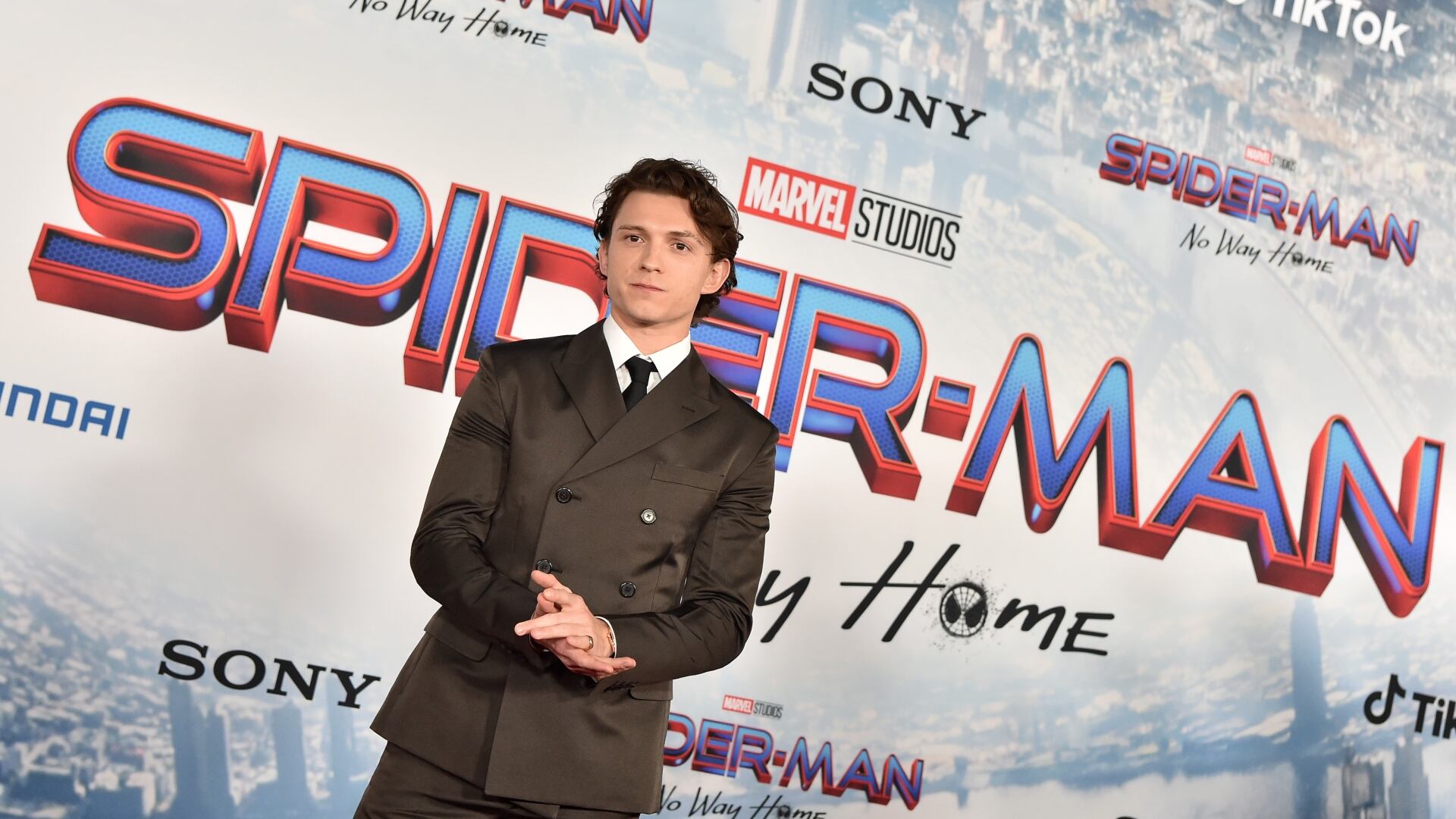
'Spider-Man: No Way Home' is finally in theaters and fans everywhere are very excited. Before you rush to the theaters to see it, we're telling you everything you need to know about the MCU film.
There's a new ETF designed to offer investors exposure to 'meme stocks.' Roundhill Investments launched it earlier this month and says the ETF is the first that is explicitly designed to track the performance of meme stocks. Roundhill Investments Vice President of Research Mario Stefanidis joins Cheddar News' Closing Bell to discuss.
Mobile bill payment application Papaya recently raised $50 million in a series B round led by Bessemer Venture Partners.
Papaya lets users take a photo of any bill, and the app's AI-powered 'bill understanding technology' pays the bill in seconds. The company says its goal is to help people spend more time on things that matter, by making bill-paying as painless and quick as possible. Papaya CEO and co-founder Patrick Kann joined Cheddar News' Closing Bell to discuss.
According to the CDC, Black women are three to four times more likely to die from pregnancy-related causes than white women. The grim statistic is one of the main reasons why two organizations came together to do something. The Bump and the National Medical Association are partnering to launch The Black Maternal Health hub. The online resource will help expecting mothers feel supported, informed, and empowered throughout pregnancy and the early days of parenting. Jennifer Lee at The Bump and Dr. Rachel Villanueva, a clinical assistant professor of OB/GYN and member of the National Medical Association join Cheddar News to talk about the initiative.
If you're looking for a date, 2022 might be your year. Online dating platform Bumble is buzzing with dating predictions from its latest survey. Shan Boodram, sex and relationships expert at Bumble, joined Cheddar to discuss some of the findings and what people can expect from the future dating landscape. Some of the results showed that public displays of affection are back on the rise as more people get vaccinated and that more users are opting for alcohol-free first dates. She also explained the trend of "explori-dating," a way that users are attempting to get out of their comfort zone. "People are willing to date outside of their city to get to that," she said.
Cheddar is looking back at the 12 biggest buzzwords of the year leading up to Christmas. The seventh term in the countdown is Transitory. Definition: (adjective) of brief gratification, not permanent.
On this episode of Cheddar Innovates: Omorpho Co-Founder explains the innovation driving gravity sportswear; Cool Beans CEO breaks down the science behind 'good mood food;' A look at Curiosity Stream's 'Building The James Webb Telescope.'
Stefan Olander, Co-Founder of Omorpho, joins Cheddar Innovates to discuss how they are bringing innovation into athleticwear by creating 'gravity sportswear.'
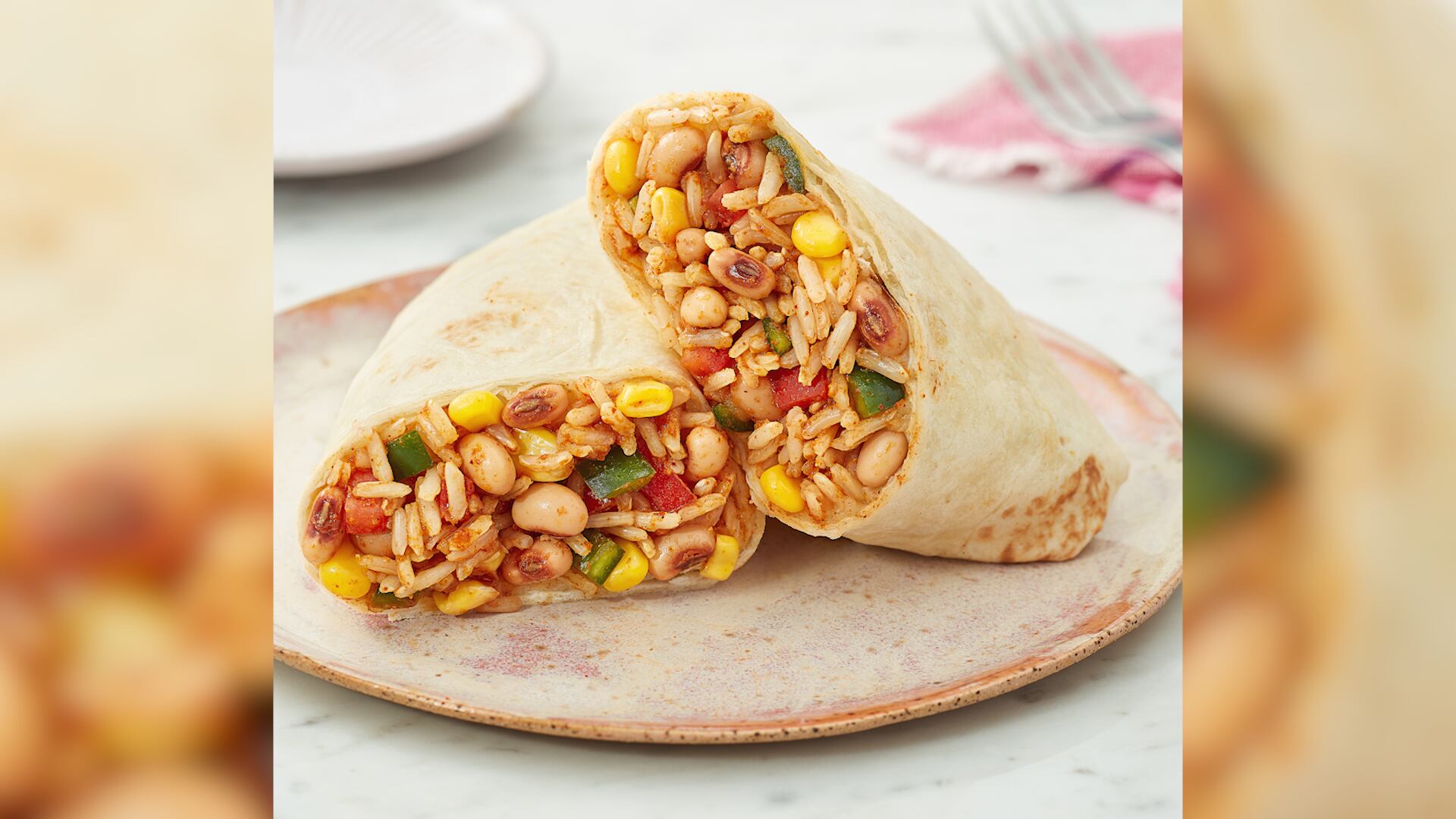
Tyler Mayoras, CEO of Cool Beans, joins Cheddar Innovates to discuss the science behind being a 'good mood food,' and what makes these burritos good for the environment.