Facebook announced on Wednesday a comprehensive ban on white nationalism and white separatism, two ideologies that the company previously viewed as different from white supremacy, which the social network blocked in 2018.

But activists and civil rights groups have long argued that the tenets make up distinctions without a difference.

“Today we’re announcing a ban on praise, support and representation of white nationalism and separatism,” the social media giant said in a statement. “It’s clear that these concepts are deeply linked to organized hate groups and have no place on our services.”

The new policy comes less than two weeks after a white supremecist killed 50 worshippers at two mosques in Christchurch, New Zealand. The accused terrorist live-streamed the attack in a horrifying 17-minute video. He also posted a manifesto laden with racist and white nationalist parlance on social media before going into the mosques.

Facebook said it did not originally include white nationalism and separatism in its ban on white supremacy because the company understood them in “broader concepts of nationalism and separatism — things like American pride and Basque separatism, which are an important part of people’s identity.”

In recent months, however, the company realized “that white nationalism and separatism cannot be meaningfully separated from white supremacy and organized hate groups.”

Facebook said its realization came after speaking with activists in civil society, academics, and other experts on race relations.

The Southern Poverty Law Center, which monitors hate groups in the U.S. and pressured Facebook to make the change, praised the decision on Twitter.

However, the group criticized the platform for banning white supremacy but allowing white nationalist and separatist content to spread “despite the lack of difference between ideologies.”

Facebook was also pressured by the social justice organization Lawyers' Committee for Civil Rights Under Law to update its policy. “Took hard work to achieve this victory but our work is not over,” tweeted Kristen Clarke, the group’s president and executive director. “We will be monitoring Facebook closely to ensure that they implement this policy fully. We can't allow violent white supremacists to incubate, organize & recruit on our online platforms.”

In addition to external counsel, Facebook said it conducted an internal review of hate figures and organizations on the platform, which revealed an overlap between white nationalism and separatism and white supremacy.

Moreover, when future users search for terms associated with white supremacy, Facebook will direct them to Life After Hate, a counter-extremist group that works to interrupt violence committed in the name of ideological or religious beliefs.

“Unfortunately, there will always be people who try to game our systems to spread hate,” Facebook’s statement added. “Our challenge is to stay ahead by continuing to improve our technologies, evolve our policies and work with experts who can bolster our own efforts.”

The ban will apply to Facebook and Instagram and go into effect next week.
Share:
More In Culture
Climate Change and its Impact on Weather Conditions
2021 has been a year filled with extreme weather conditions. Hundreds of thousands of people recently saw the effects of massive tornados that swept across six states. Now, experts say climate change could have played a major role. Jennifer Marlon, research scientist and lecturer at the Yale School of the Environment, joins Cheddar News to discuss.
Integrity Marketing Group Gifts $125 Million to its Employees
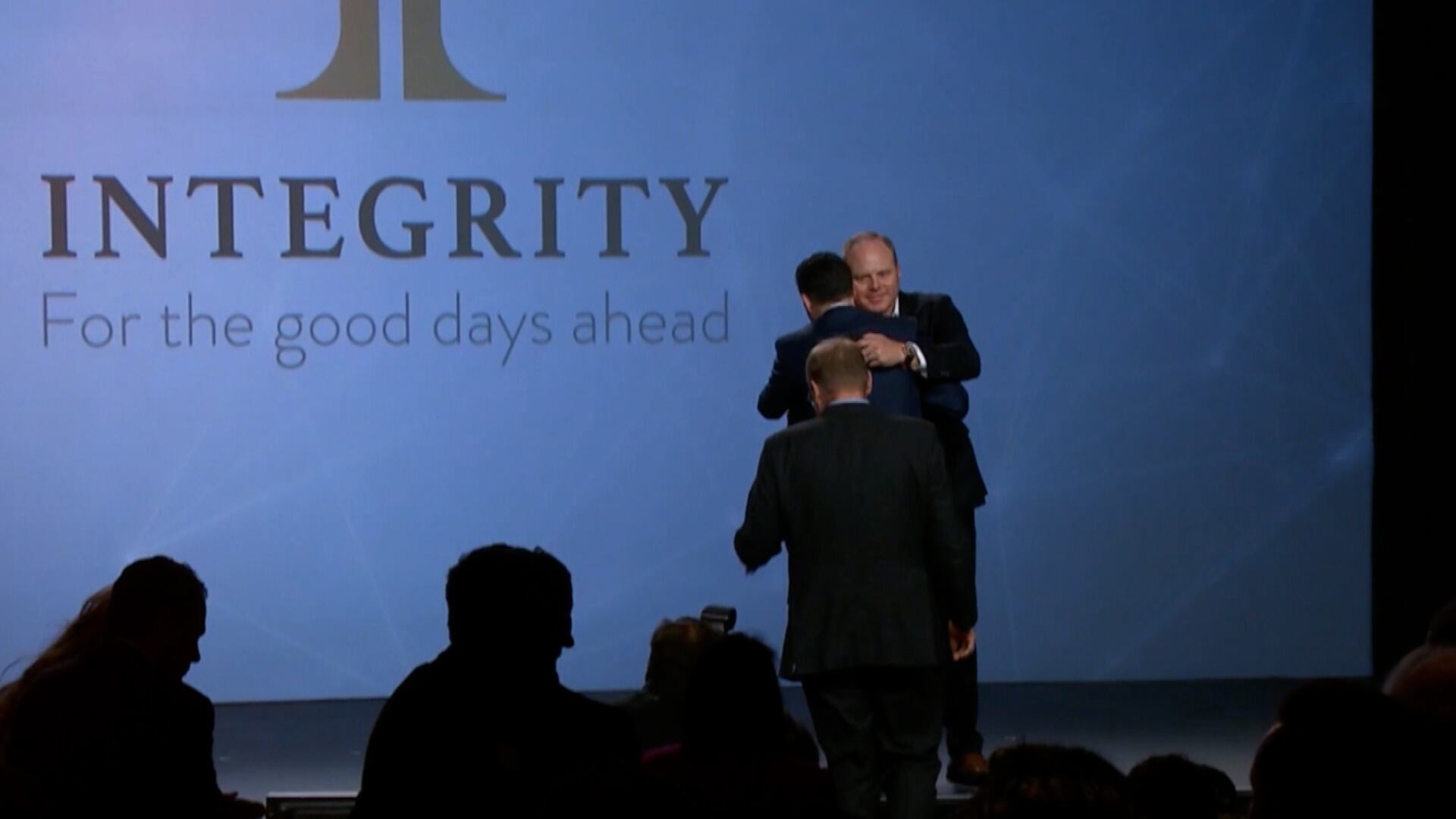
Integrity Marketing Group, nation's largest independent distributor of life and health insurance products, is showing its employees it cares. The company surprised its 5,500 employees with $125 million in cash payouts to those participating in the company's Employee Ownership Plan. Bryan Adams, CEO of at Integrity Marketing Group, and Steve Young, NFL Hall of Famer and chairman of the board at Integrity Marketing Group, join Cheddar News to talk about the announcement.
Pro Sports Scramble Over Covid-19 Omicron Variant
Anthony Tall, sports agent and president of Miracle Sports Agency, joins Cheddar News to talk about the challenges professional sports leagues are facing amid a surge in coronavirus cases across the U.S.
Pepsi Launches First-Ever NFT Collection
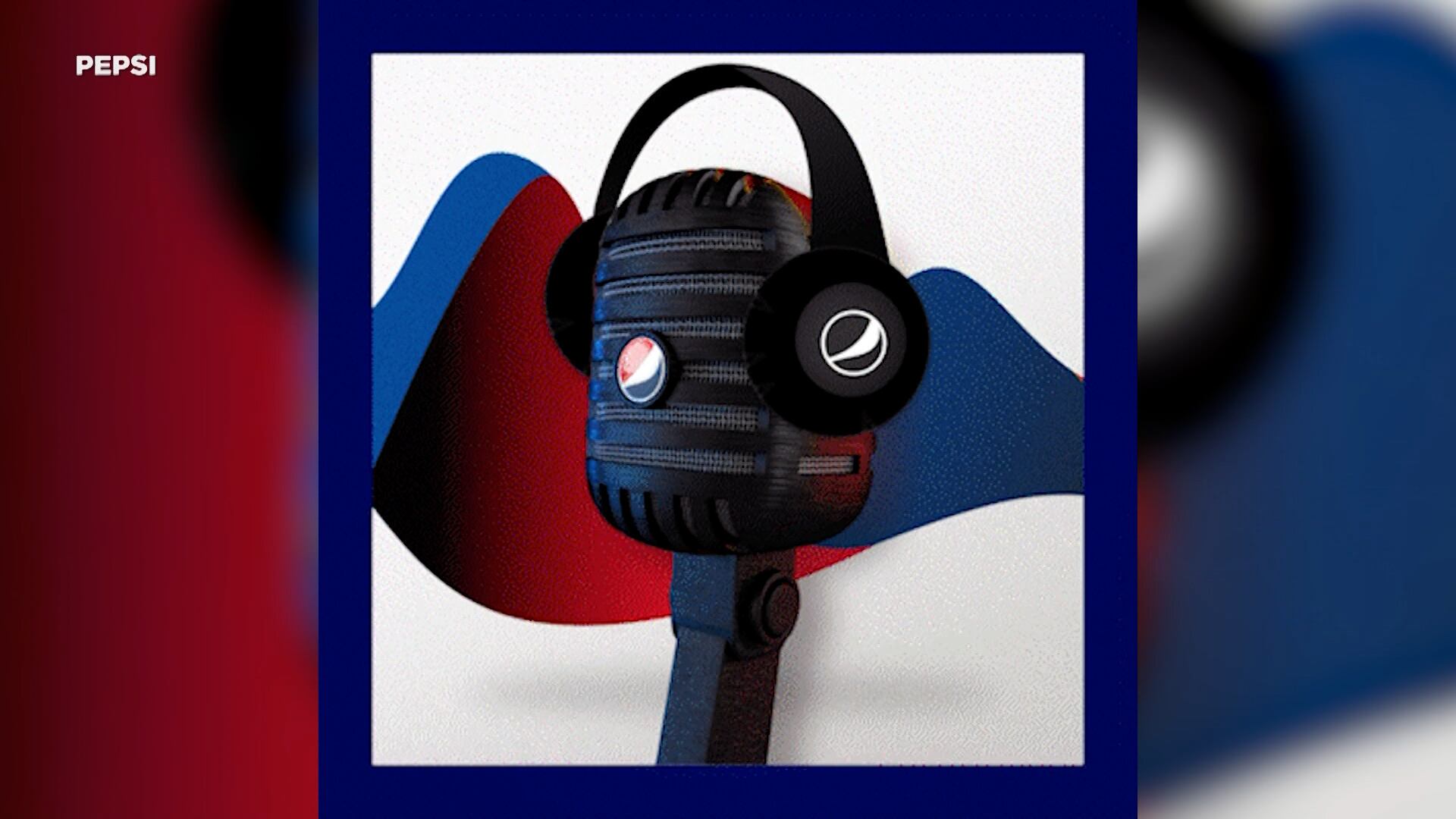
Todd Kaplan, Pepsi's Vice President of Marketing, joins Cheddar News to discuss the company's first-ever non-fungible token with its Pepsi Mic Drop genesis NFT collection.
Pricier Christmas Trees Reflect Great Recession-Related Supply, COVID Pressures
This year, consumers might not be as surprised by what's under their trees as by the trees themselves. Despite a tighter market for trees, Stew Leonard's was able to secure its entire stock of Christmas trees from a supplier in Quebec. But some prices jumped this year as a result of increased costs for shipping and labor amid the COVID-19 pandemic. Cheddar's Chloe Aiello reports.
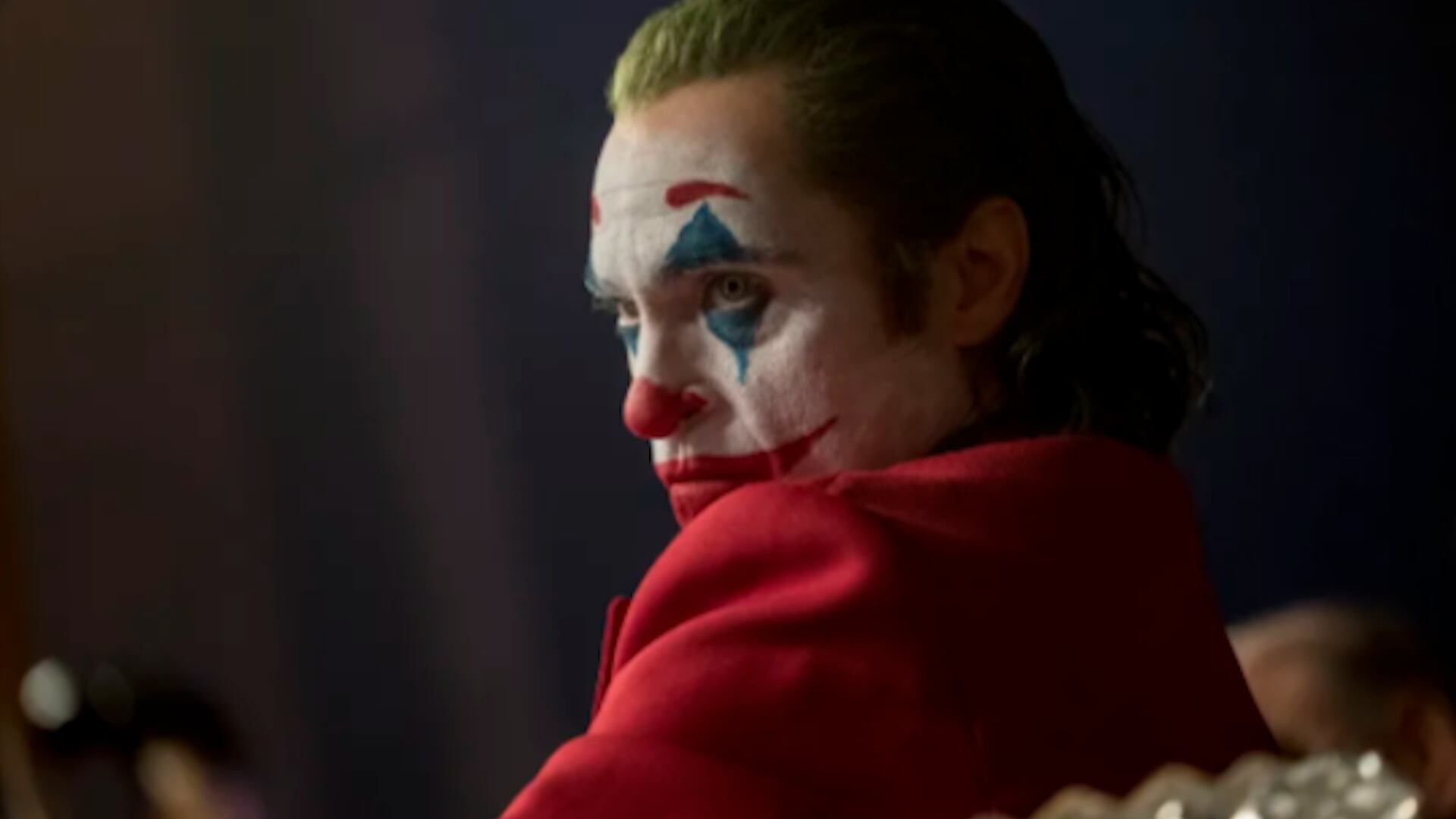
Why We Love to Celebrate The Joker
Dr. Travis Langley, Professor of Psychology at Henderson State University, joins Cheddar Reveals to discuss why the Joker is widely considered the best villain of all time and a prevailing figure in pop culture and provides insight into the psychological and cultural reasons we find him so fascinating.
Why The Joker is So Revered; Diversity & Inclusion Efforts Among the Superhero Community
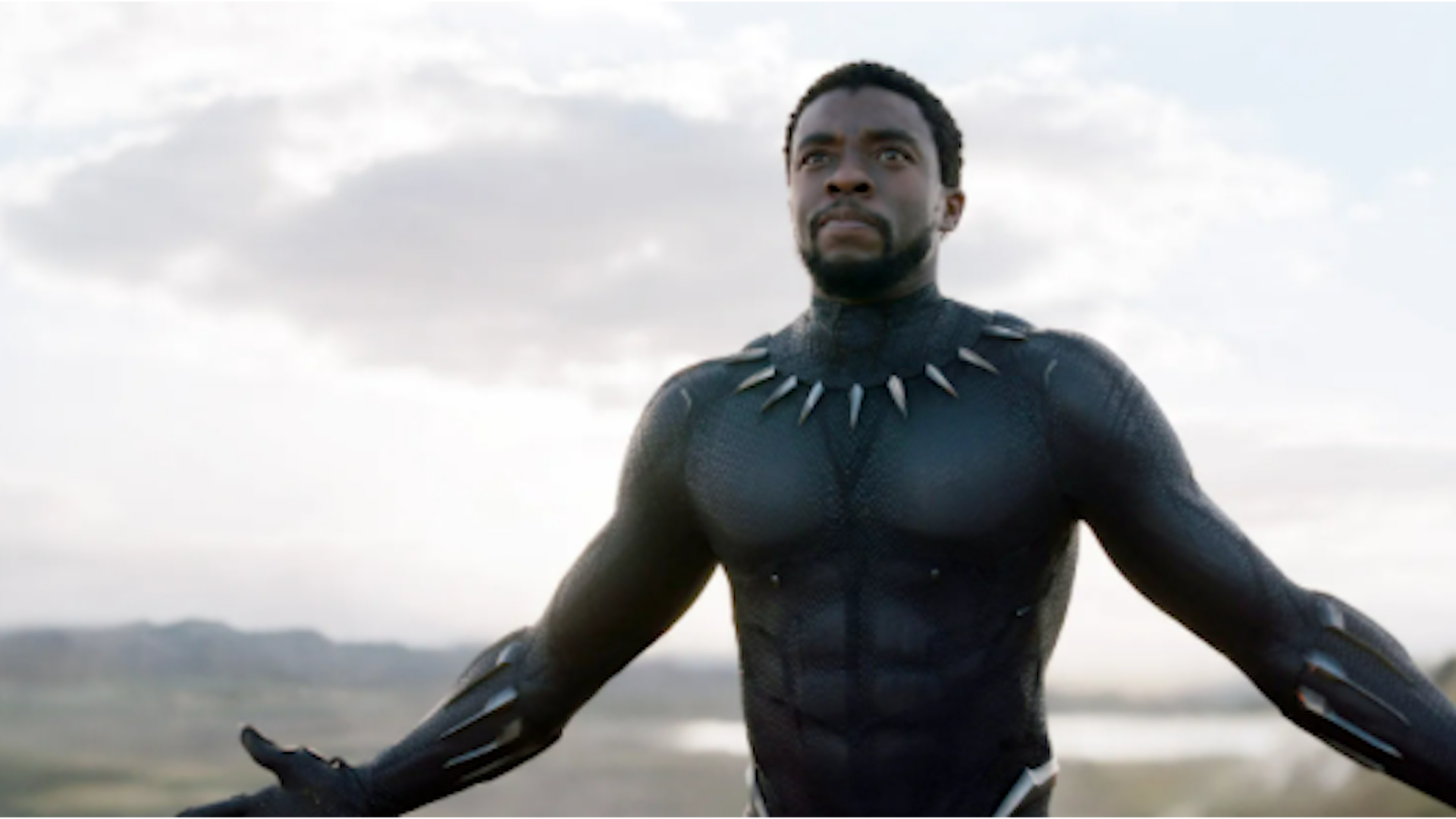
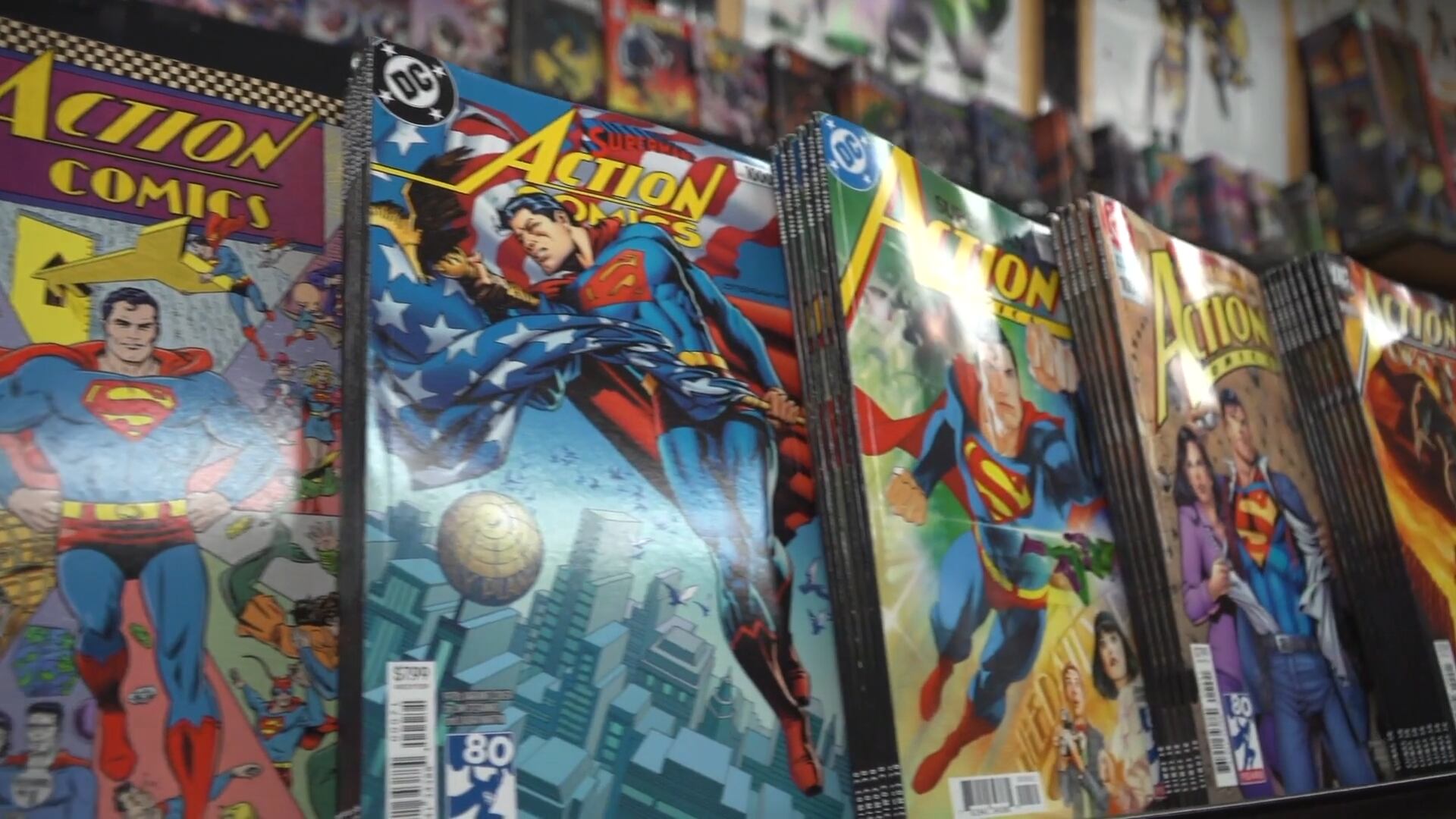
On this episode of Cheddar Reveals, Dr. Travis Langley, Professor of Psychology, Henderson State University, discusses why the Joker is widely considered the best villain of all time and a prevailing figure in pop culture and provides insight into psychological and cultural reasons we find him so fascinating; Jonathan Gayles Professor and Chair, Department of Africana Studies at Georgia State University, dissects the diversity efforts in representations of superheroes and villains in comics and Hollywood films; Cheddar gets a look at Curiosity Stream's 'My Comic Shop Country.'
Inclusivity & Representation Among Superheroes
Jonathan Gayles Professor and Chair, Department of Africana Studies at Georgia State University, joins Cheddar Reveals to dissect the diversity efforts in representations of superheroes and villains in comics and Hollywood films.
Load More