Facebook announced on Wednesday a comprehensive ban on white nationalism and white separatism, two ideologies that the company previously viewed as different from white supremacy, which the social network blocked in 2018.
But activists and civil rights groups have long argued that the tenets make up distinctions without a difference.
“Today we’re announcing a ban on praise, support and representation of white nationalism and separatism,” the social media giant said in a statement. “It’s clear that these concepts are deeply linked to organized hate groups and have no place on our services.”
The new policy comes less than two weeks after a white supremecist killed 50 worshippers at two mosques in Christchurch, New Zealand. The accused terrorist live-streamed the attack in a horrifying 17-minute video. He also posted a manifesto laden with racist and white nationalist parlance on social media before going into the mosques.
Facebook said it did not originally include white nationalism and separatism in its ban on white supremacy because the company understood them in “broader concepts of nationalism and separatism — things like American pride and Basque separatism, which are an important part of people’s identity.”
In recent months, however, the company realized “that white nationalism and separatism cannot be meaningfully separated from white supremacy and organized hate groups.”
Facebook said its realization came after speaking with activists in civil society, academics, and other experts on race relations.
The Southern Poverty Law Center, which monitors hate groups in the U.S. and pressured Facebook to make the change, praised the decision on Twitter.
However, the group criticized the platform for banning white supremacy but allowing white nationalist and separatist content to spread “despite the lack of difference between ideologies.”
Facebook was also pressured by the social justice organization Lawyers' Committee for Civil Rights Under Law to update its policy.
“Took hard work to achieve this victory but our work is not over,” tweeted Kristen Clarke, the group’s president and executive director. “We will be monitoring Facebook closely to ensure that they implement this policy fully. We can't allow violent white supremacists to incubate, organize & recruit on our online platforms.”
In addition to external counsel, Facebook said it conducted an internal review of hate figures and organizations on the platform, which revealed an overlap between white nationalism and separatism and white supremacy.
Moreover, when future users search for terms associated with white supremacy, Facebook will direct them to Life After Hate, a counter-extremist group that works to interrupt violence committed in the name of ideological or religious beliefs.
“Unfortunately, there will always be people who try to game our systems to spread hate,” Facebook’s statement added. “Our challenge is to stay ahead by continuing to improve our technologies, evolve our policies and work with experts who can bolster our own efforts.”
The ban will apply to Facebook and Instagram and go into effect next week.
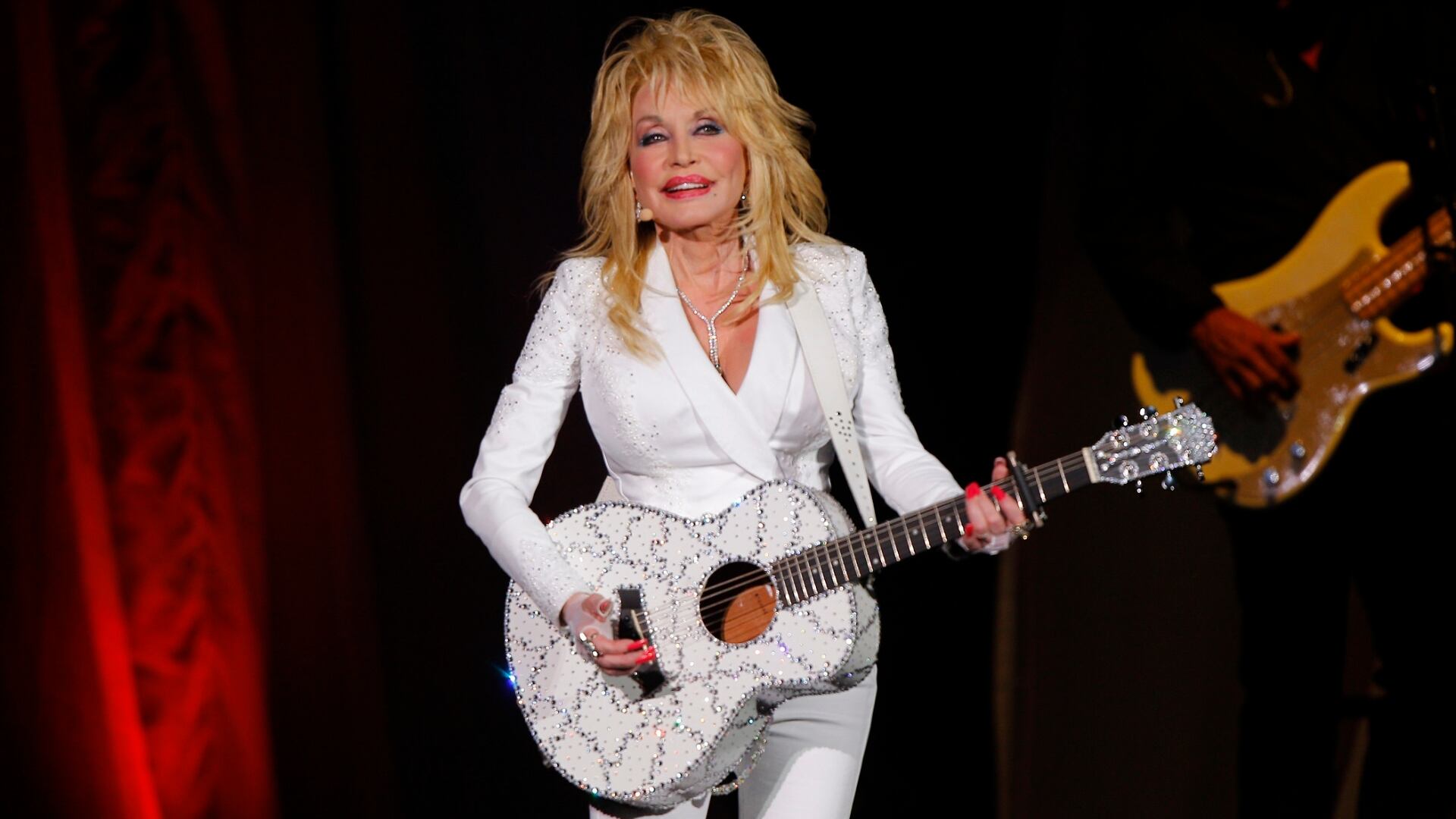
Dolly Parton, Eminem, Lionel Richie, and Carly Simon are just a few of the nominees announced for the Rock & Roll Hall of Fame 2022 induction. Results of the voting will be released in May, however, the ceremony date has yet to be announced.
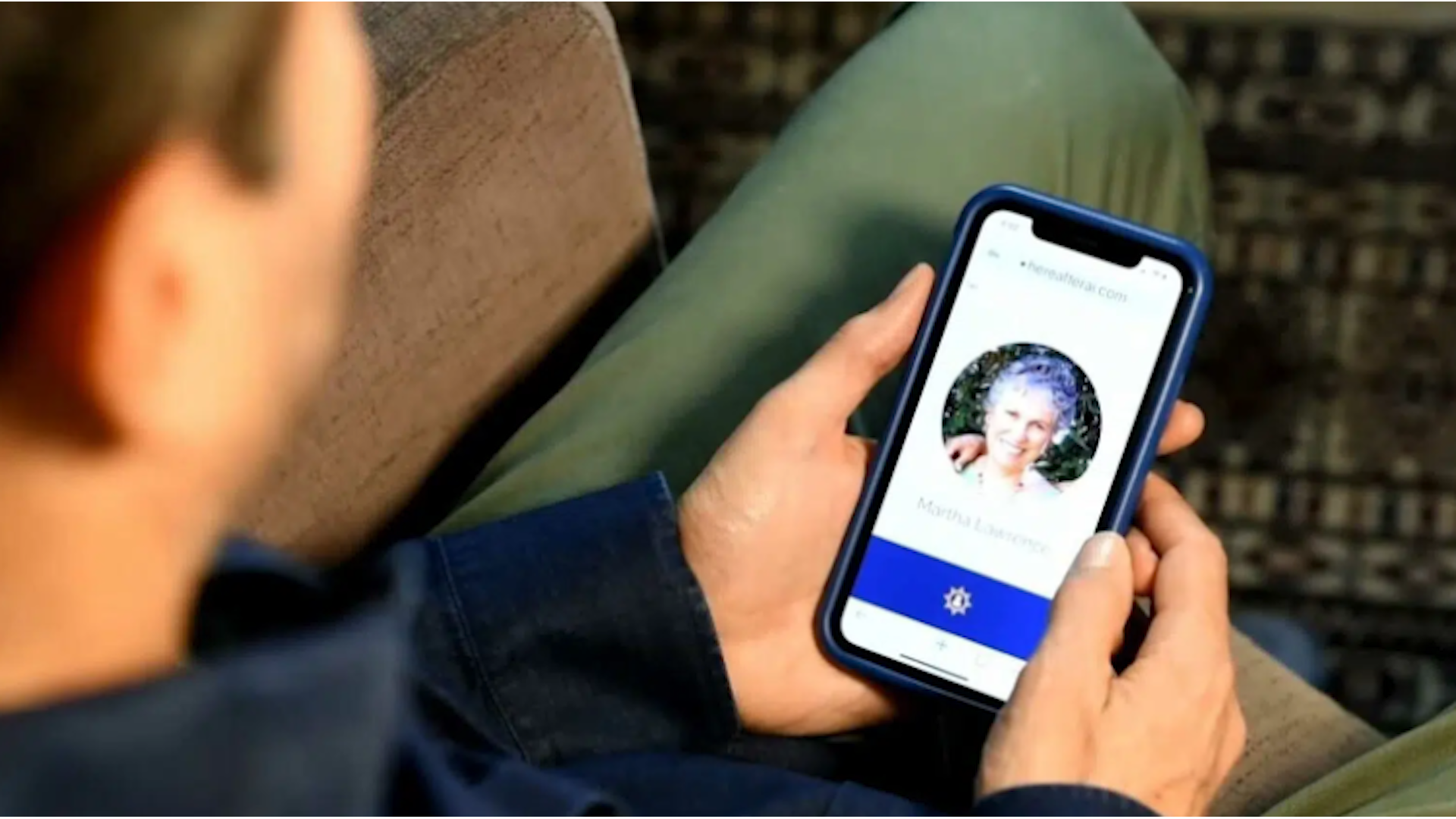
On this episode of Cheddar Innovates: CEO of HereAfter AI discusses how artificial intelligence can be used to preserve family history and stories, and allow you to 'talk' to loved ones that have passed; Creator of the board game 'Travel Explore Discover' explains how she came up with the idea for this informative and educational board game, and how she's using the proceeds to give back to her community; Cheddar gets a look at Curiosity Stream's 'The Humboldt Current.'
According to the Federal Reserve, the investment gap between Black and white Americans has remained substantial, with only 34 percent of Black households joining in on the historic rise in the markets. Stacey Tisdale, the first Black woman to have reported from the NYSE and the CEO and president of Mind Money Media Inc., said that the data might not be as disheartening as it seems. "I think that number is very deceiving. That Federal Reserve study is actually from 2019, and it's very important that we all look beneath that number and look beneath the surface because there is nothing short of an investing revolution going on in the Black community," Tisdale said.
James Vlahos, Co-Founder and CEO of HereAfter AI, joins Cheddar Innovates to discuss how artificial intelligence can be used to preserve family history and stories, and allow you to 'talk' to loved ones that have passed.
Ava Rathenberg, Creator of the board game 'Travel Explore Discover,' joins Cheddar Innovates to discuss how she came up with the idea for this informative and educational board game, and how she's using the proceeds to give back to her community.
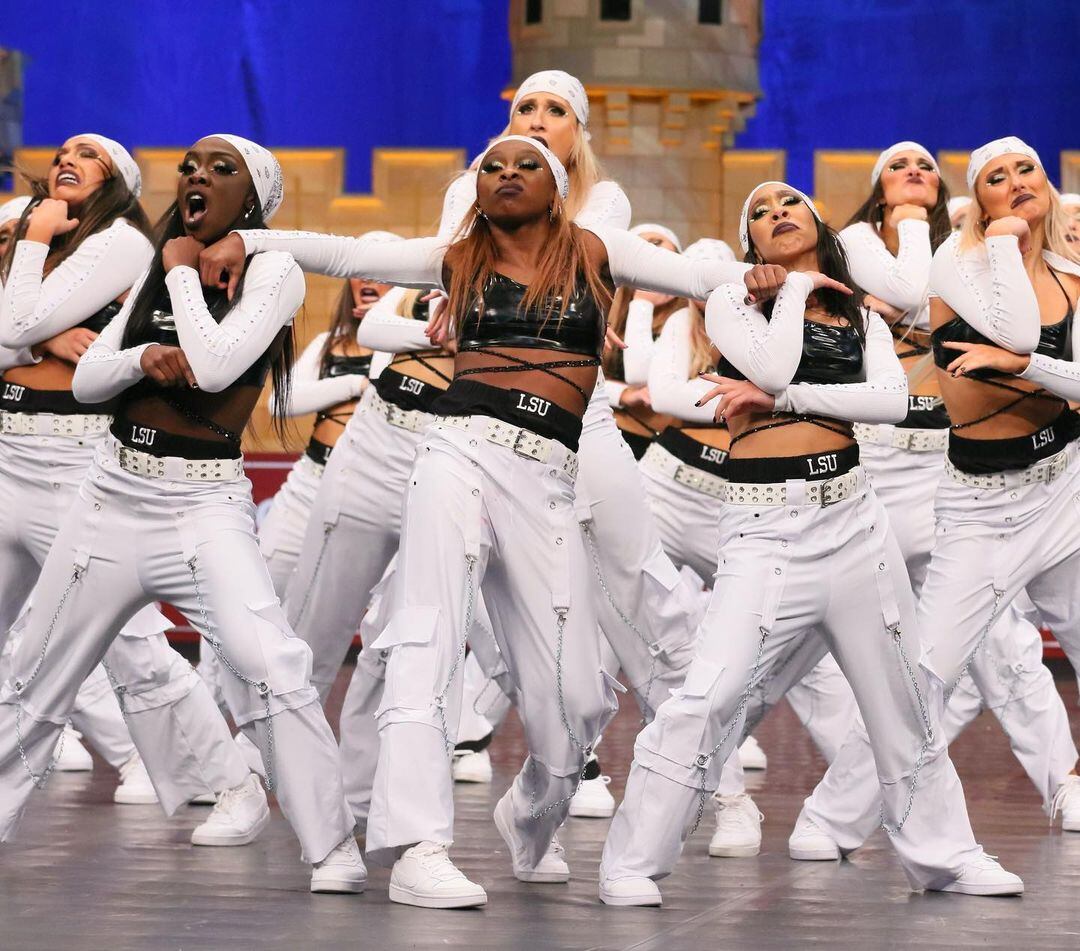
An award-winning performance by the LSU Tiger Girls dance team is going viral on TikTok, but like many other viral tiktoks, this one had a larger story to tell. The story goes back to 2021 when for the first time in 22 years, the LSU dance team was informed it could not compete at Universal Dance Association Nationals. The team made their anticipated return to UDA Nationals this year with a performance that delivered a strong and clear message to their university. The LSU Tiger Girls walked away from the competition with their first national championship title in 12 years, redemption against the university that held them back, and of course- millions of new fans and friends on TikTok.
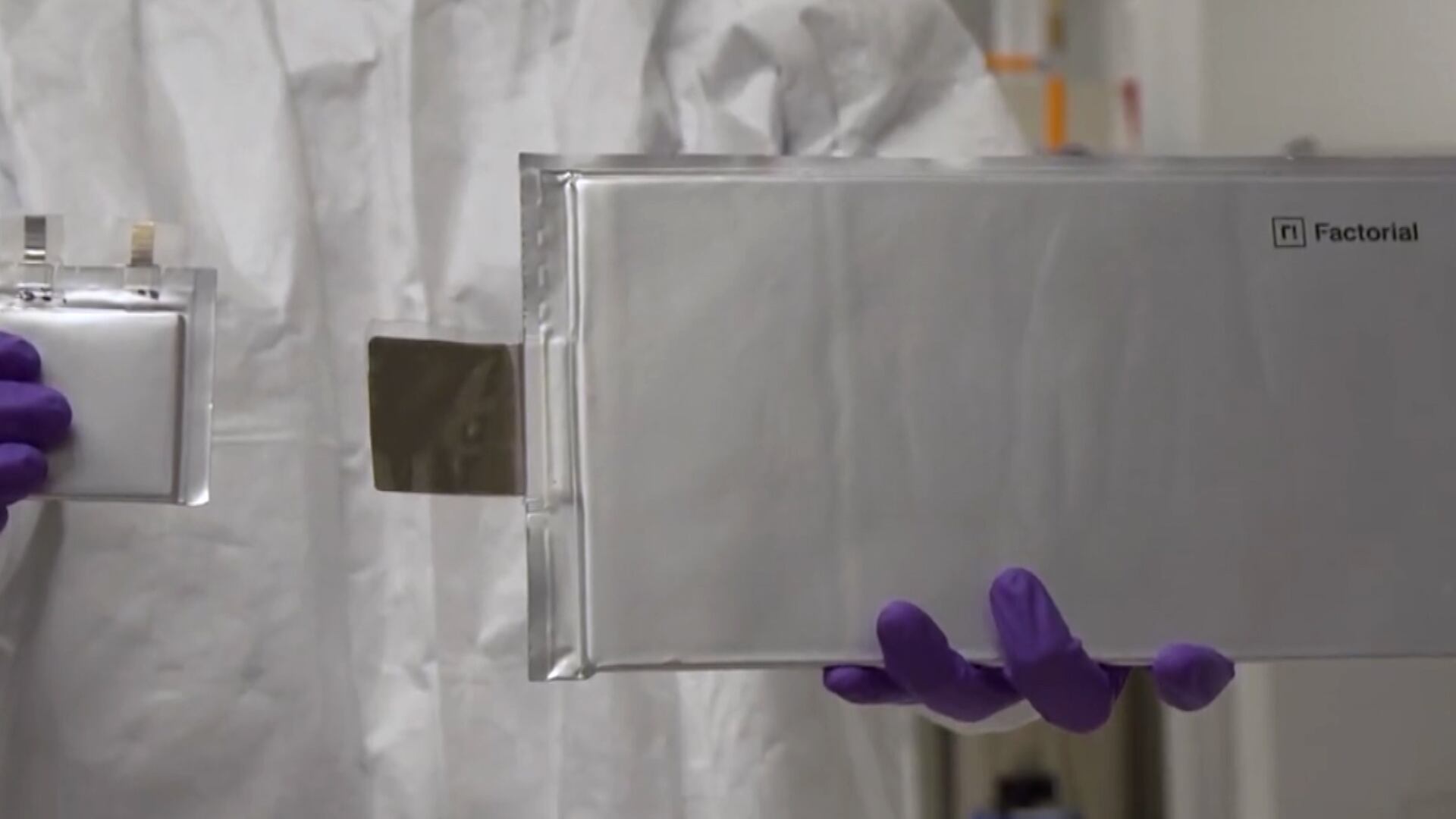
Solid-state battery maker Factorial Energy recently raised $200 million in a Series D round led by Mercedes-Benz and Stellantis. Factorial says the funding will be used to accelerate commercial production and deployment of its solid-state battery technology, which the company says is safer, and offers up to 50% more driving range than current lithium-ion technology. Factorial also has joint development agreements (announced in late 2021) with Mercedes-Benz, Stellantis, and Hyundai, three of the top 10 global automotive manufacturers, to commercialize its batteries. Factorial CEO Siyu Huang joined Cheddar News' Closing Bell to discuss.
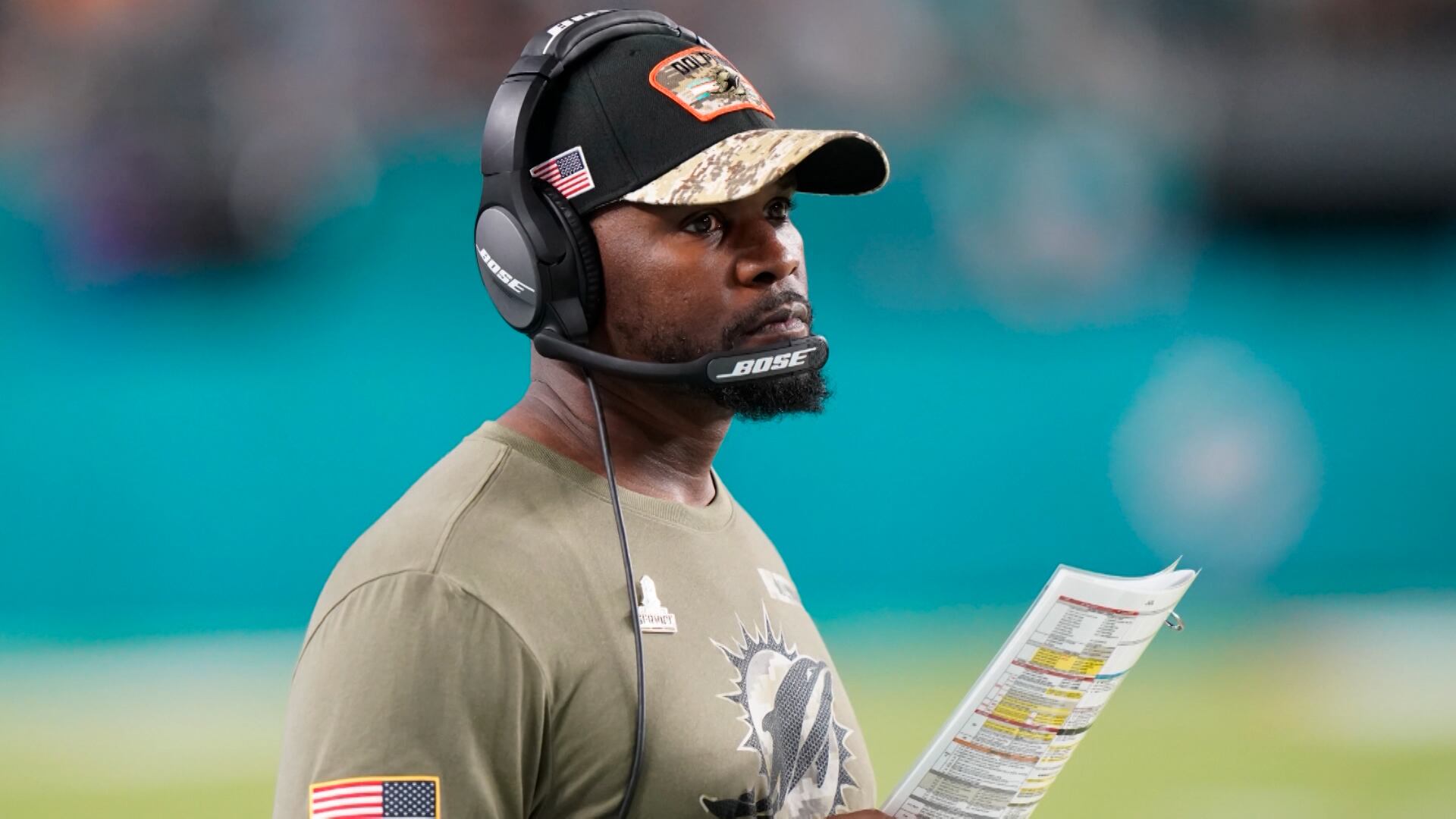
Former Dolphins coach Brian Flores filed a lawsuit against the NFL over racial discrimination, exposing a long-running problem the NFL has had with diversity in its top coaching and management positions. Eric Mitchell, the president and CEO of public relations and communications company LifeFlip Media, joined Cheddar News to delve into the scandal rocking the pro football world just before the Super Bowl. "There is a problem. If you look at who owns teams in the NFL, it's right, it's a good old boys club, it's a bunch of old white guys," he said. "So, it's exposing something that's been around for ages and now that we're sitting in 2022 has come up."
This April, Madison Square Garden will be hosting the first-ever women's boxing match to headline at the arena in its 140 years of history in boxing. Undisputed lightweight champion, Katie Taylor, and seven-division champion, Amanda Serrano, will go head-to-head for a career-high guaranteed seven-figure purse for both of them. The pair joined Cheddar News to talk about the upcoming "fight of their lives." "I mean, this is the first step I believe," said Serrano. "Unheard of, two women headlining the Garden, we get in the biggest paydays of our career, I hope it continues to break down barriers."