Facebook announced on Wednesday a comprehensive ban on white nationalism and white separatism, two ideologies that the company previously viewed as different from white supremacy, which the social network blocked in 2018.
But activists and civil rights groups have long argued that the tenets make up distinctions without a difference.
“Today we’re announcing a ban on praise, support and representation of white nationalism and separatism,” the social media giant said in a statement. “It’s clear that these concepts are deeply linked to organized hate groups and have no place on our services.”
The new policy comes less than two weeks after a white supremecist killed 50 worshippers at two mosques in Christchurch, New Zealand. The accused terrorist live-streamed the attack in a horrifying 17-minute video. He also posted a manifesto laden with racist and white nationalist parlance on social media before going into the mosques.
Facebook said it did not originally include white nationalism and separatism in its ban on white supremacy because the company understood them in “broader concepts of nationalism and separatism — things like American pride and Basque separatism, which are an important part of people’s identity.”
In recent months, however, the company realized “that white nationalism and separatism cannot be meaningfully separated from white supremacy and organized hate groups.”
Facebook said its realization came after speaking with activists in civil society, academics, and other experts on race relations.
The Southern Poverty Law Center, which monitors hate groups in the U.S. and pressured Facebook to make the change, praised the decision on Twitter.
However, the group criticized the platform for banning white supremacy but allowing white nationalist and separatist content to spread “despite the lack of difference between ideologies.”
Facebook was also pressured by the social justice organization Lawyers' Committee for Civil Rights Under Law to update its policy.
“Took hard work to achieve this victory but our work is not over,” tweeted Kristen Clarke, the group’s president and executive director. “We will be monitoring Facebook closely to ensure that they implement this policy fully. We can't allow violent white supremacists to incubate, organize & recruit on our online platforms.”
In addition to external counsel, Facebook said it conducted an internal review of hate figures and organizations on the platform, which revealed an overlap between white nationalism and separatism and white supremacy.
Moreover, when future users search for terms associated with white supremacy, Facebook will direct them to Life After Hate, a counter-extremist group that works to interrupt violence committed in the name of ideological or religious beliefs.
“Unfortunately, there will always be people who try to game our systems to spread hate,” Facebook’s statement added. “Our challenge is to stay ahead by continuing to improve our technologies, evolve our policies and work with experts who can bolster our own efforts.”
The ban will apply to Facebook and Instagram and go into effect next week.
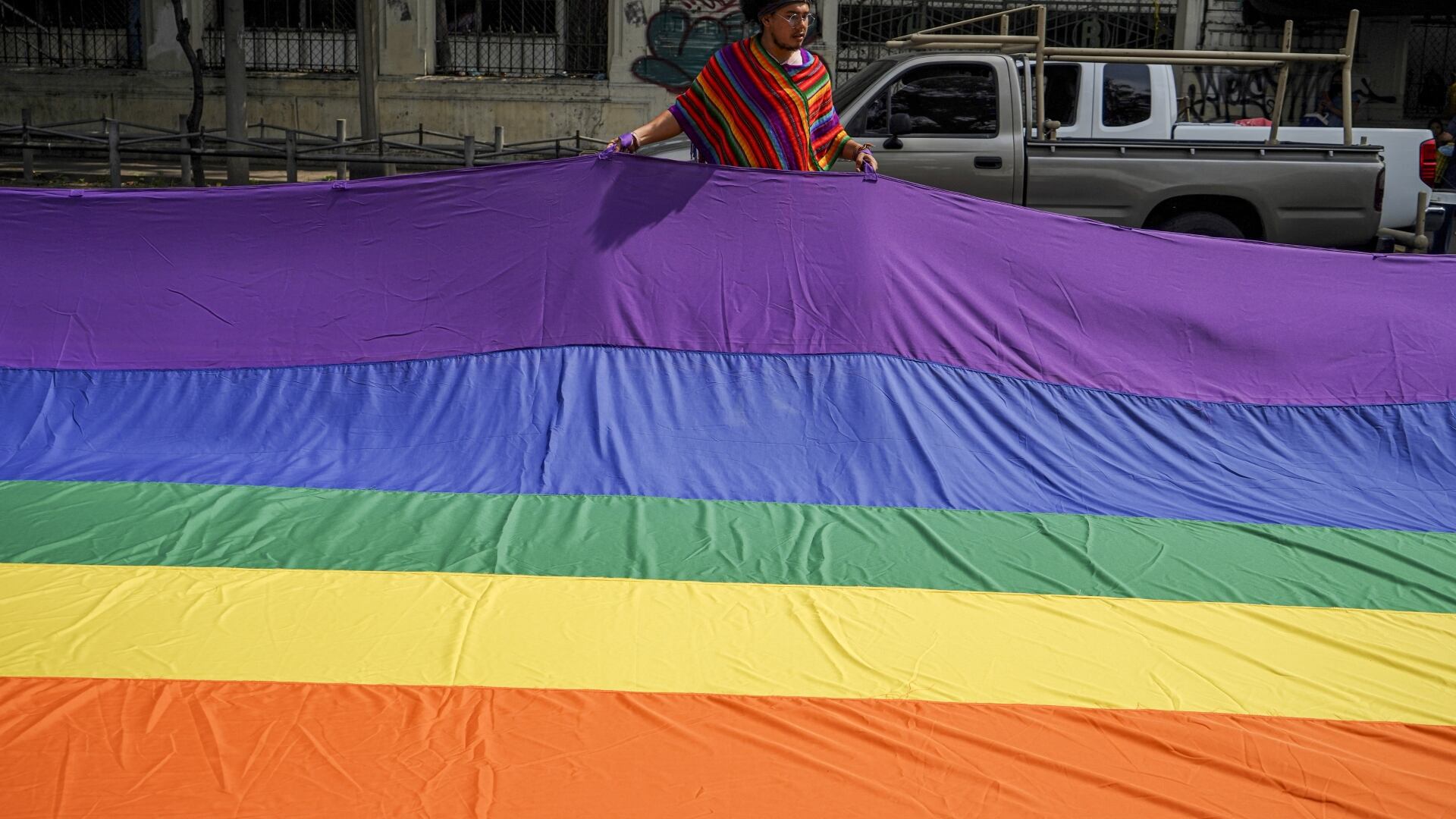
Liana Guzmán, CEO of FOLX Health, joins Cheddar News to discuss the company launching billboards across the country in response to anti-LGBTQ+ legislation.
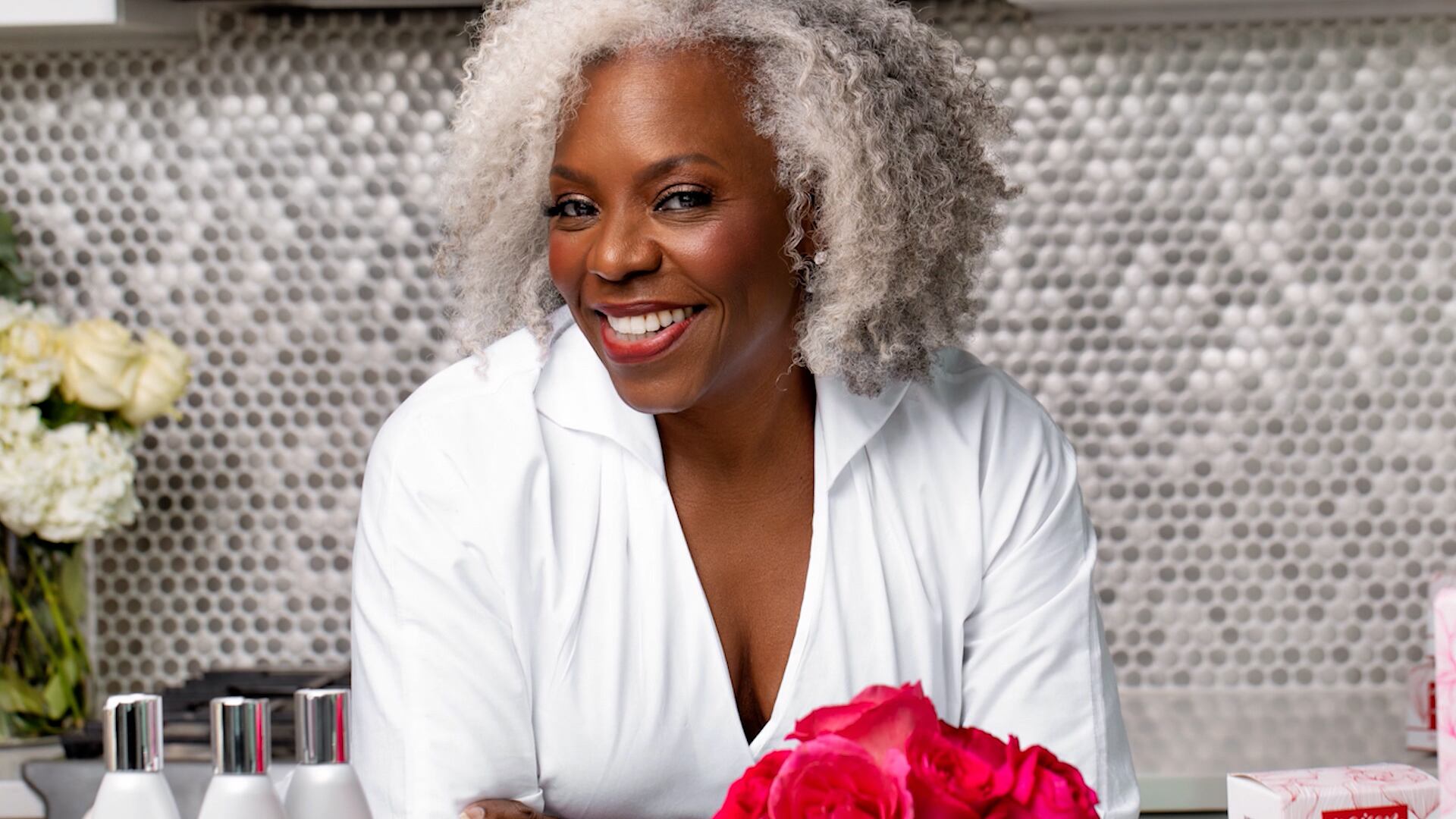
Angel Cornelius, Founder & CEO of Maison 276, joins ChedHER to discuss how she created her own beauty solutions right from her kitchen using plant-based, sustainable ingredients and why it's important to celebrate women of all ages and races.
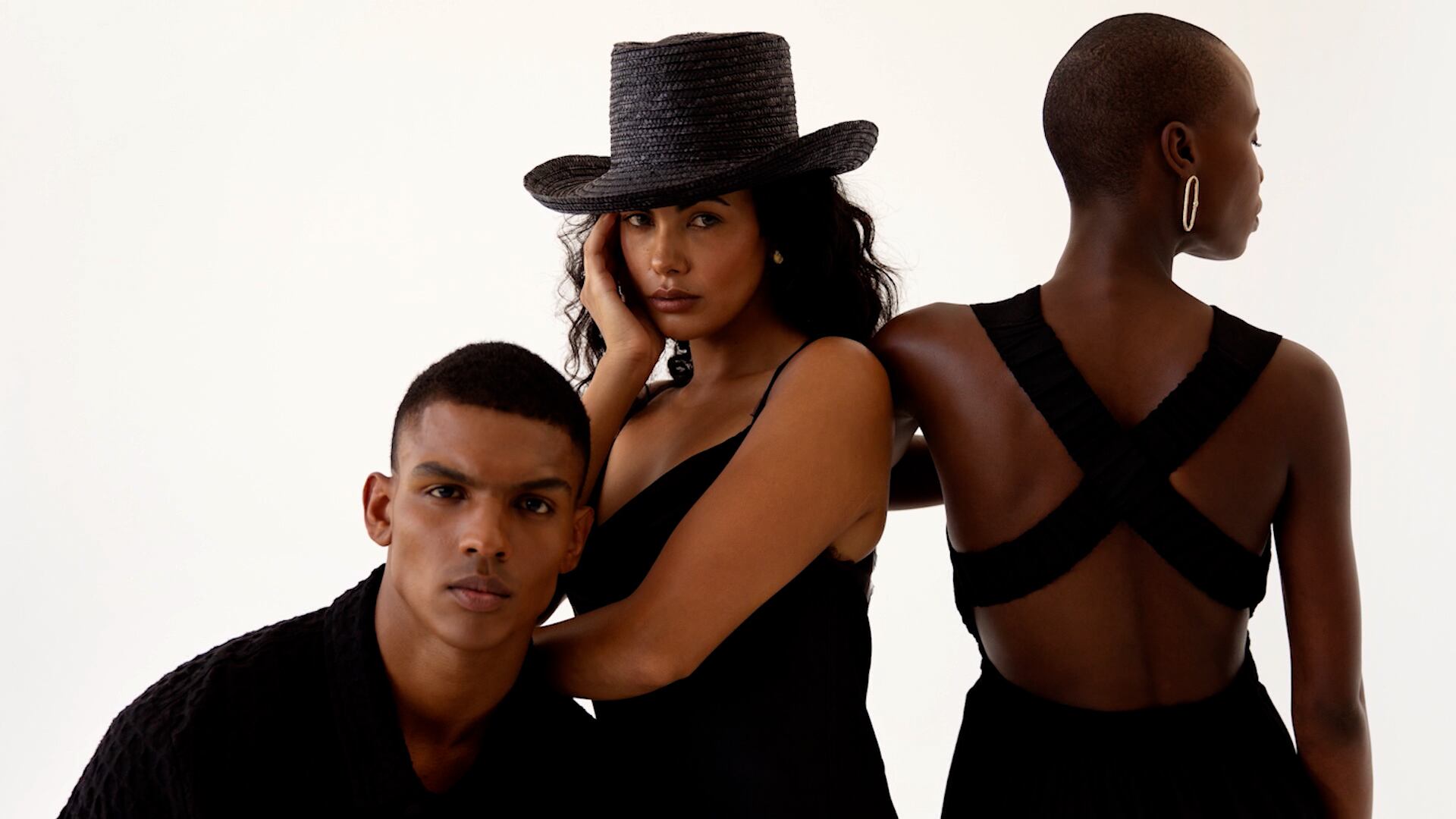
On this episode of ChedHER:PWR WMN Co-Founders discuss how they are building an apparel brand to make women feel confident and powerful; Founder & CEO of Jack & Annie's breaks down the benefits to jackfruit, and how our meat consumption impacts the environment; Founder & CEO of Maison 276 explains how she created her own beauty solutions right from her kitchen using plant-based, sustainable ingredients and why it's important to celebrate women of all ages and races.
Catching you up on what you need to know on April 18, 2022, with Russian missile attacks on the Ukrainian city of Lviv killing seven, mass shootings in South Carolina and Pittsburgh, Lucky Charms cereal under official investigation by the FDA, and more.
Lisa Whalen, Automotive and Mobility Analyst at Morning Consult, joined Cheddar News' Closing Bell to break down the famed auto show's emphasis on electric vehicles this year, reflecting a shift toward electrification in the automotive industry.
On this episode of ChedHER, Amira Rasool, CEO and Founder of The Folklore, discusses her $1.7 million pre-seed funding round and why she's being intentional about the investors she's working with; Brittany Merrill-Yeng, co-founder Skrewball Whiskey, reveals the origins of Skrewball Whisky, experiencing a period of rapid growth, and navigating a male-dominated industry; Suz Hernandez, Owner of MamaP, breaks down how her company is combining eco-friendly and sustainable products with a mission to donate to non-profits that help people and the planet.
On this episode of ChedHER: Founder and CEO of IvyWise discusses how the higher education industry has evolved over the past 20 years; CEO and Founder of Stax Payments breaks down how to get more female founders to break $1 million in revenue; Chief Impact Officer & SVP at The Minneapolis Foundation explains how the foundation is driving action for the greatest civic, social, and economic needs.
On this episode of Cheddar Innovates: President of The Pillow Bar breaks down how everyone can benefit from a pillow customized to their unique way of sleeping; CEO of H2Pro explains how to bring environmentally friendly hydrogen to scale; Cheddar gets a look at Curiosity Stream's 'Suppressed Science.'
On this episode of Cheddar Reveals, Andrea Swift, Chair of NYFA Documentary Department, discusses the documentary filmmaking process and why they remain so important in 2022; Nina Gilden Seavey, Founding Director, The Documentary Center Research at George Washington University, dissects the evolution of documentaries in the streaming age; Cheddar gets a look at Curiosity Stream's 'Nature Through Her Eyes.'
On this episode of ChedHER: Founder and CEO at Allara Health discusses how she's creating a platform for women with Polycystic Ovary Syndrome or PCOS; General Manager of the Run/Train Business Unit at Puma breaks down how Puma is approaching a hybrid work model, and ways to empower women in the workplace; Founder and CEO of Mi Golondrina explains how she's empowering over 600 artisans from Mexico.