In this March 29, 2018, file photo is the Facebook logo on screens at the Nasdaq MarketSite, in New York's Times Square. A once-ambitious Facebook-backed digital currency project — formerly known as Libra, now called Diem — is shifting operations from Switzerland to the U.S. and said it plans to launch a cryptocurrency tied to the U.S. dollar later in 2021. (AP Photo/Richard Drew, File)
By Barbara Ortutay
A once-ambitious Facebook-backed digital currency project — formerly known as Libra, now called Diem — is shifting operations from Switzerland to the U.S. and said it plans to launch a cryptocurrency tied to the U.S. dollar later this year.
As part of the move, Diem said it is also withdrawing its application for a payment system license from the Swiss Financial Markets Authority, which it has not been able to secure thus far.
The Diem Association, which includes Facebook and 25 other companies, said Wednesday has it entered a partnership with Silvergate Capital Corp. to issue a “stablecoin” backed by the U.S. dollar. A stablecoin is a digital currency backed by real-world assets such as national currencies or other commodities.
As the name implies, stablecoins are designed to not fluctuate wildly in value. That's in sharp contrast to cryptocurrencies like Bitcoin, whose value is not tied to a real-world currency and whose price has ranged between roughly $9,000 and $63,000 over the past year.
Facebook announced the Libra project in 2019, at the time envisioning it as a stablecoin based on a basket of national currencies. Since then, the effort has been scaled back considerably amid regulatory and commercial backlash. It underwent a name change in December 2020.
Wednesday's announcement represents a further scaling back as Diem shifts focus to the U.S. from its original ambitions to become a global currency for the unbanked around the world.
Co-founder and CEO of Colossal Ben Lamm explains how the company is working to bring back extinct species and shares early details of the upcoming documentary from the ‘My Octopus Teacher’ filmmaker.
Soundhound AI co-founder, president, and CEO Keyvan Mojaver discusses bringing its audio tools to cars and drive-thrus, plus why smaller companies may benefit from the A.I. boom.
Deiya Pernas, co-founder of Pernas Research, breaks down Nvidia’s blockbuster earnings, why energy is a sector to watch, and why the A.I. trend is far from over.
The NBA is organizing its next media rights deal to figure out which networks and streaming services will show their games for the next decade. Last time, most of the prominent streaming services didn't exist yet.
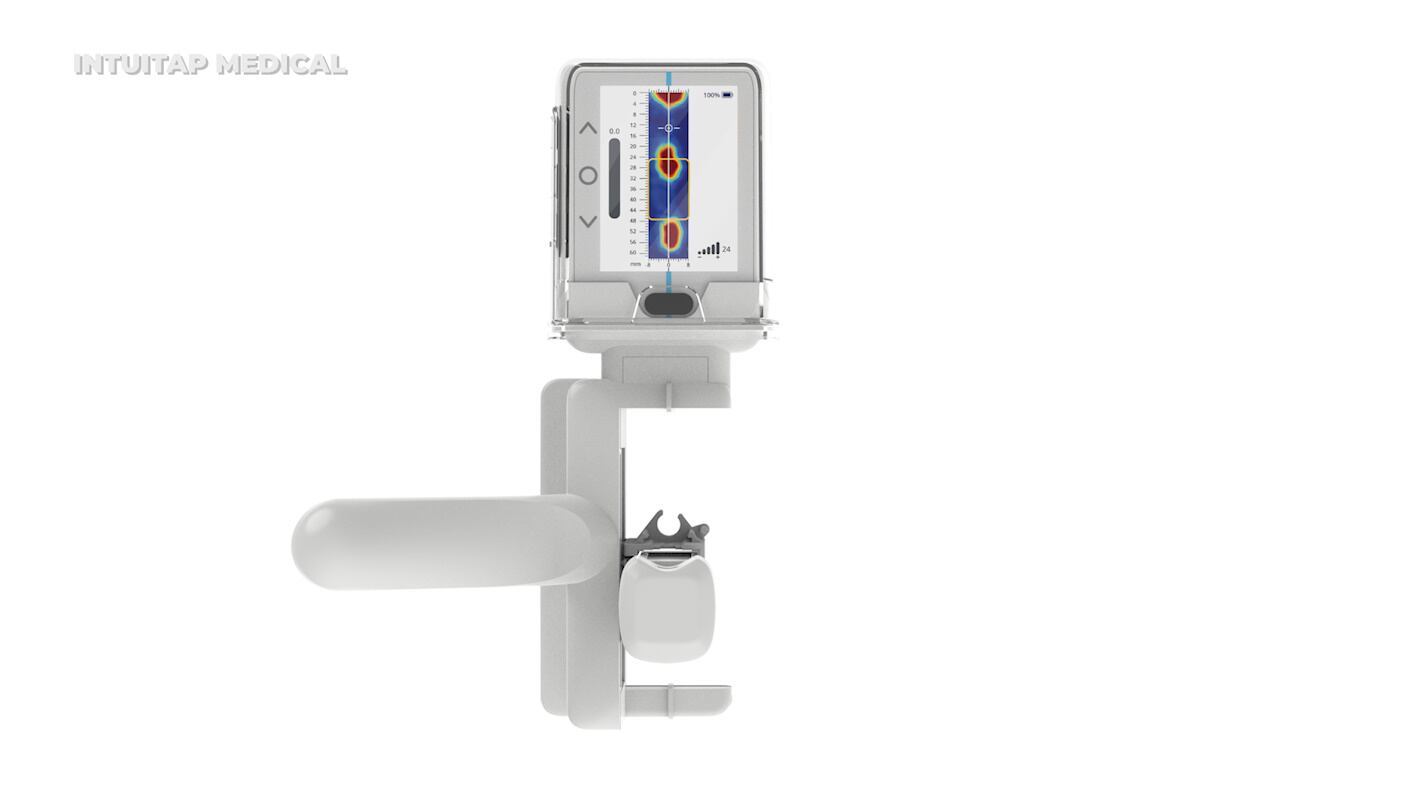
Jessica Traver Ingram, CEO and co-founder of IntuiTap Medical, discusses developing the company's Ver Touch device, the crucial FDA approval it just won, and why innovation in spinal blocks and epidurals is long overdue.