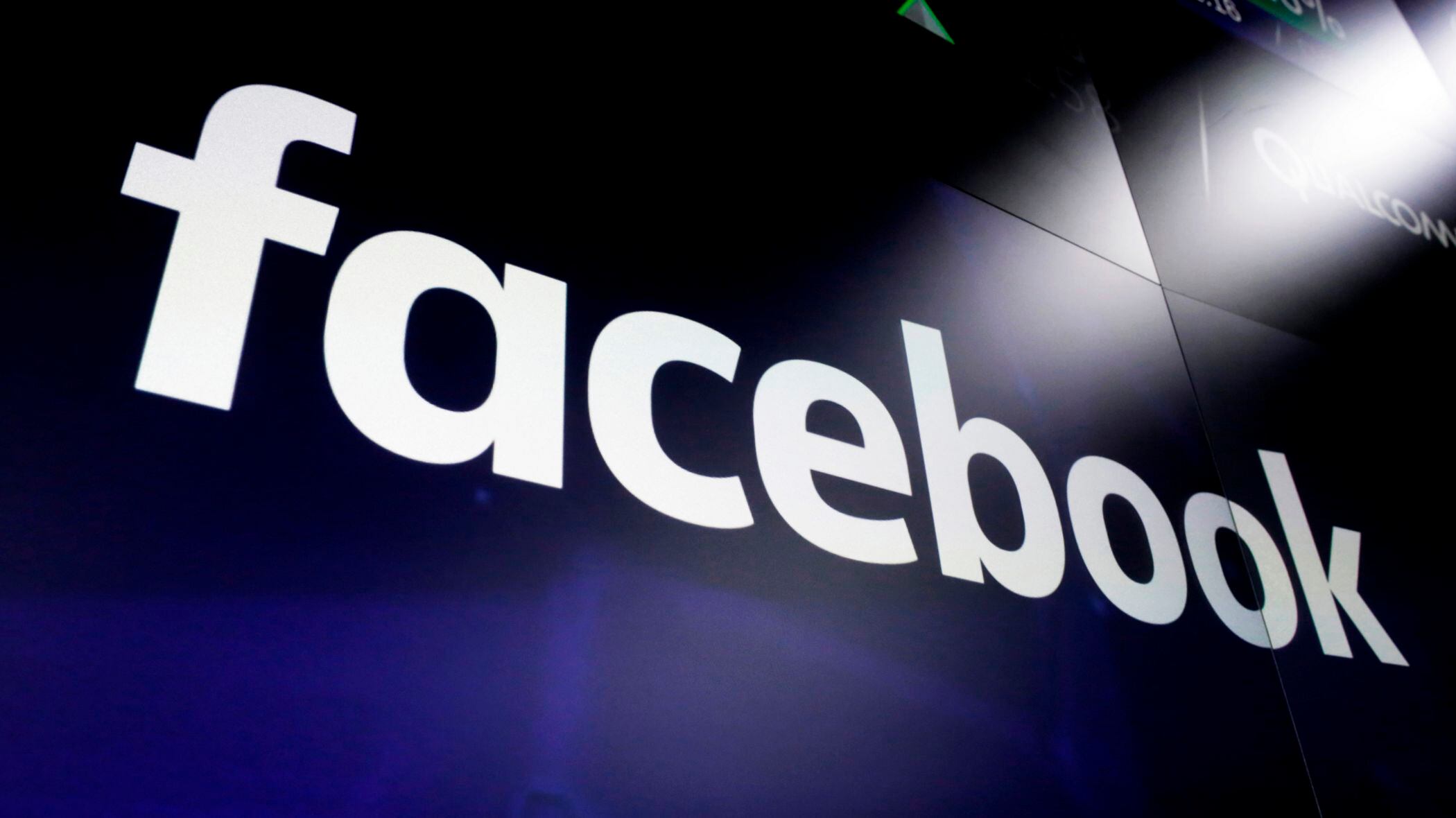
In this March 29, 2018, file photo is the Facebook logo on screens at the Nasdaq MarketSite, in New York's Times Square. A once-ambitious Facebook-backed digital currency project — formerly known as Libra, now called Diem — is shifting operations from Switzerland to the U.S. and said it plans to launch a cryptocurrency tied to the U.S. dollar later in 2021. (AP Photo/Richard Drew, File)
By Barbara Ortutay
A once-ambitious Facebook-backed digital currency project — formerly known as Libra, now called Diem — is shifting operations from Switzerland to the U.S. and said it plans to launch a cryptocurrency tied to the U.S. dollar later this year.
As part of the move, Diem said it is also withdrawing its application for a payment system license from the Swiss Financial Markets Authority, which it has not been able to secure thus far.
The Diem Association, which includes Facebook and 25 other companies, said Wednesday has it entered a partnership with Silvergate Capital Corp. to issue a “stablecoin” backed by the U.S. dollar. A stablecoin is a digital currency backed by real-world assets such as national currencies or other commodities.
As the name implies, stablecoins are designed to not fluctuate wildly in value. That's in sharp contrast to cryptocurrencies like Bitcoin, whose value is not tied to a real-world currency and whose price has ranged between roughly $9,000 and $63,000 over the past year.
Facebook announced the Libra project in 2019, at the time envisioning it as a stablecoin based on a basket of national currencies. Since then, the effort has been scaled back considerably amid regulatory and commercial backlash. It underwent a name change in December 2020.
Wednesday's announcement represents a further scaling back as Diem shifts focus to the U.S. from its original ambitions to become a global currency for the unbanked around the world.
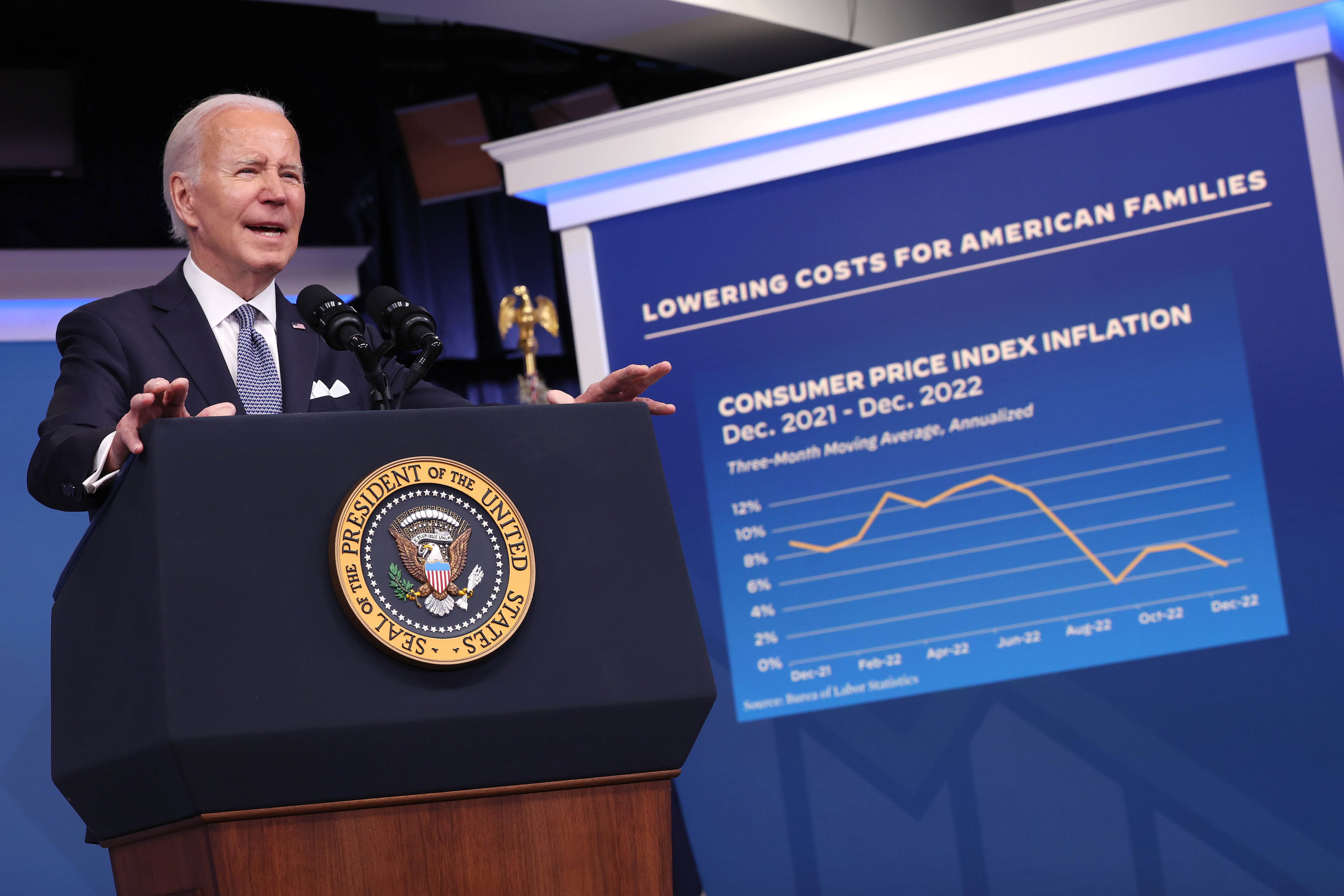
Boeing continues their terrifying trend of having their planes fall apart mid-flight, inflation — checks notes — is still up and the future of AI looks terrifying. Cheery!
Food waste – uneaten scraps or leftovers sent to landfills – is responsible for 10% of global emissions. Mill, a new product from the co-founder of Nest, thinks technology can play a role in eliminating it.
By the time the 2024 election is over, be prepared to see some form of a recession – but this shouldn’t be as bad as what we experienced in 2020 or 2008.
International Master Alice Lee defeated grandmaster Irina Krush to win the American Cup – becoming one of the best women players in the world in the process – but she’s not stopping there.
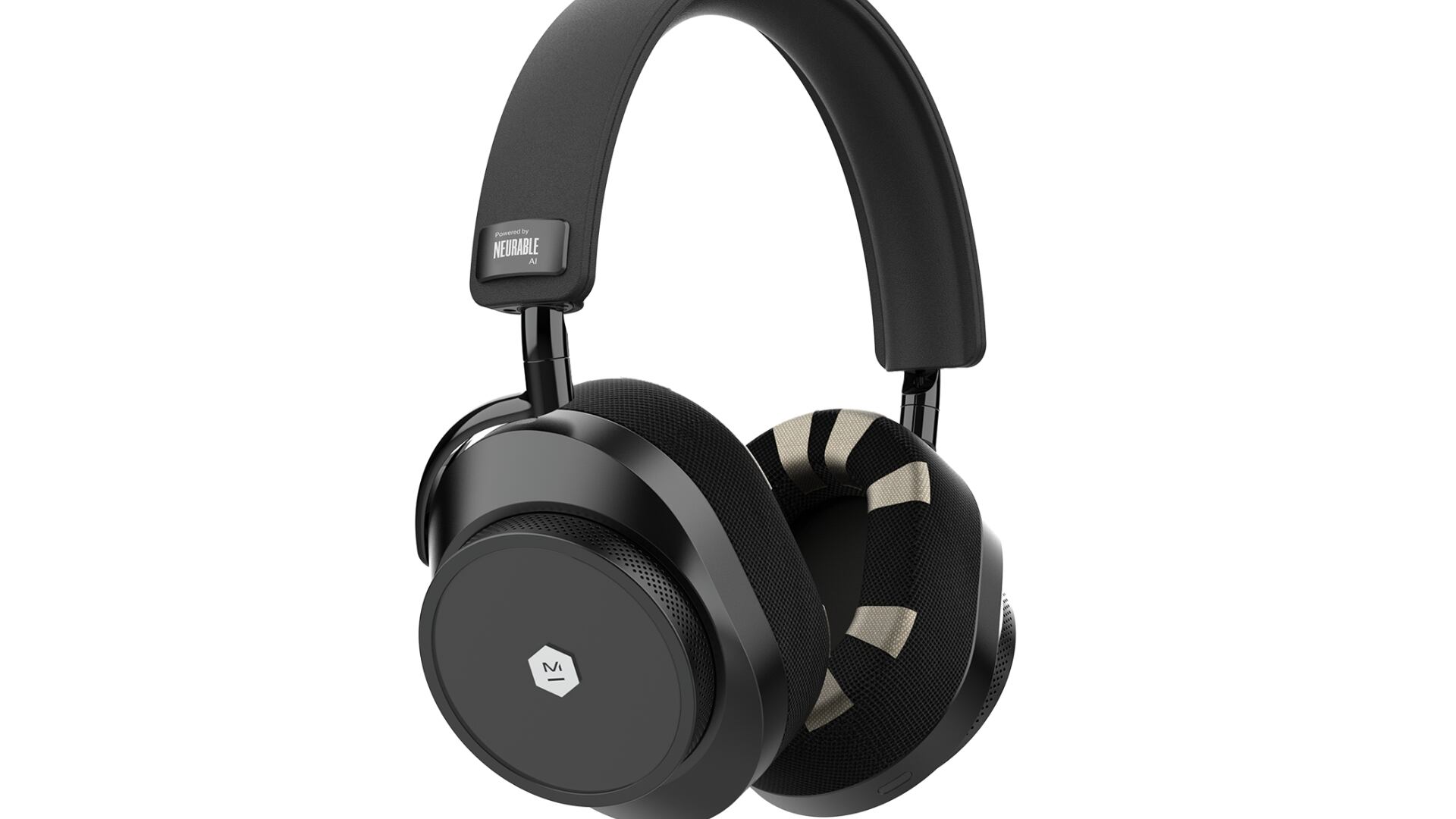
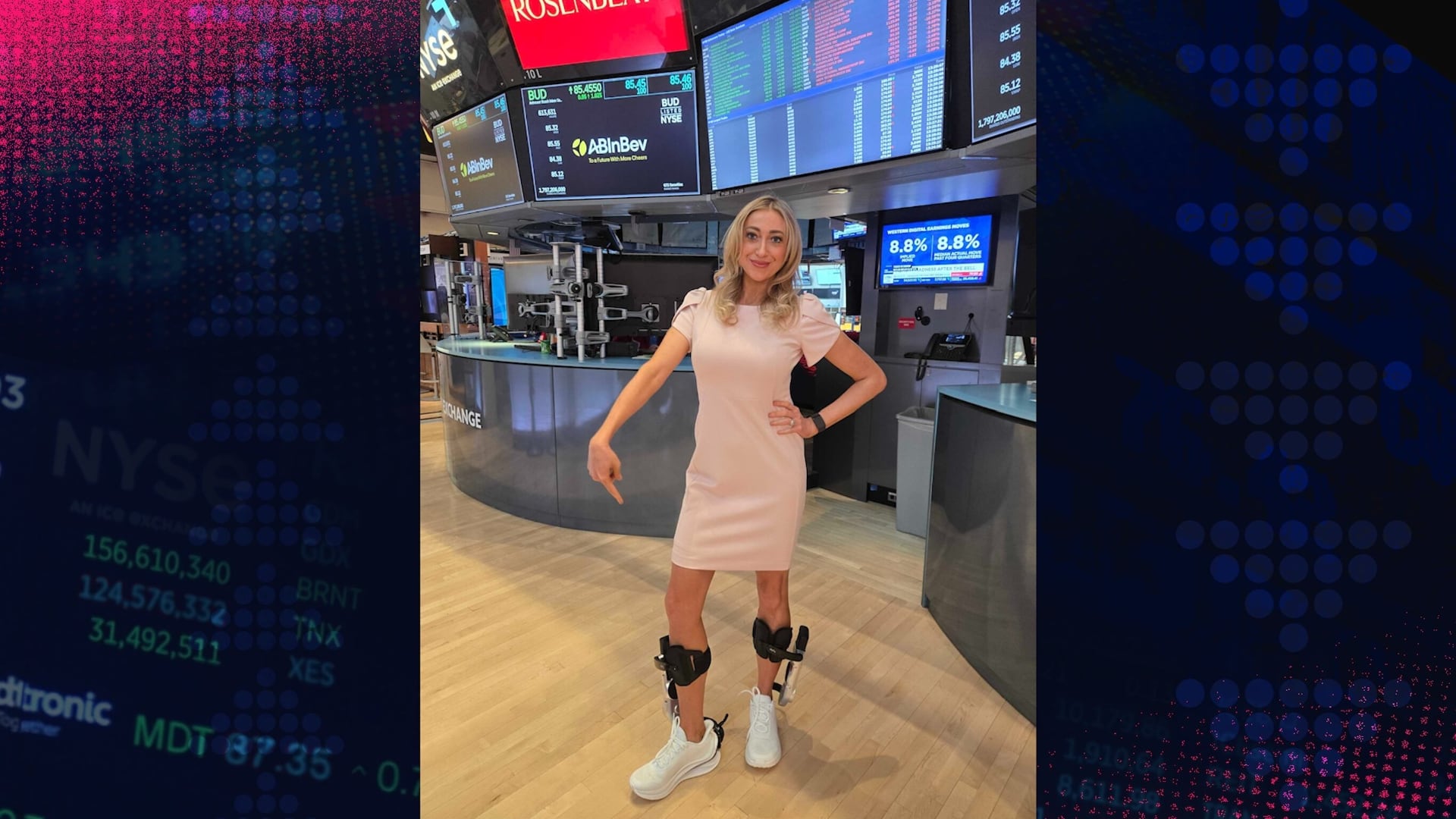
You can track your sleep habits or heart rate, but how about your brain? Neurable's MW75-Neuro headphones turn your focus and productivity into data you can use to avoid burnout – here's how they do it.
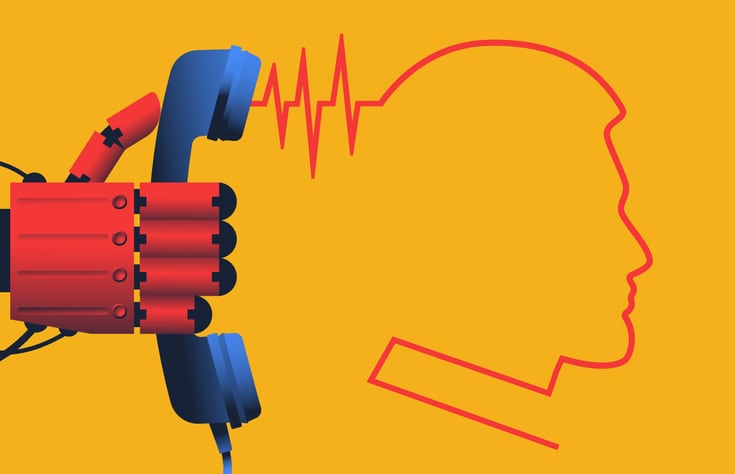
Whether it’s a deepfake video of actor Tom Cruise discovering gum in a lollipop or President Joe Biden discouraging people from voting via telephone, you’ve likely come across a deepfake video, photo or audio recording.
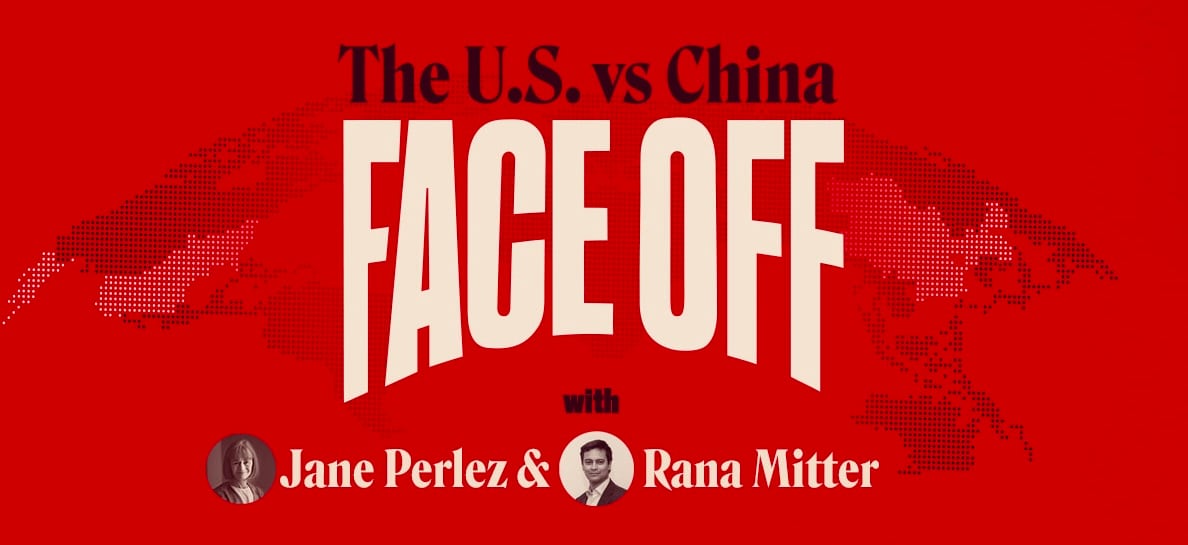
Tensions in the South China Sea, Apple moving to India, and banning TikTok? The podcast ‘Face Off: The U.S. Versus China’ helps explain how we got here.