By Eric Tucker, Zeke Miller, and Mike Schneider

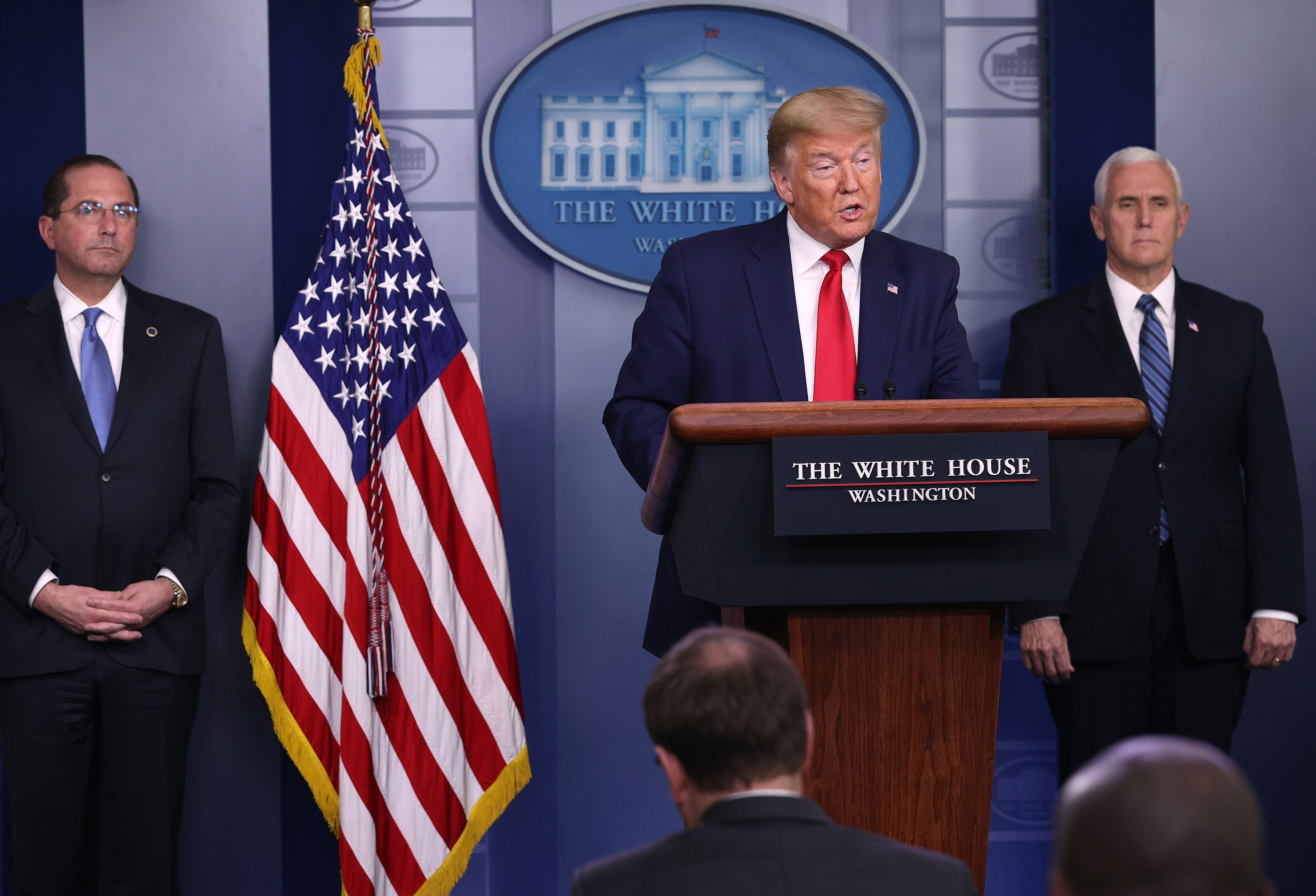
President Donald Trump announced new federal guidelines Friday recommending that Americans wear face coverings when in public to help fight the spread of the new coronavirus. The president immediately said he had no intention of following the advice himself, saying, “I'm choosing not to do it."

The new guidance from the Centers for Disease Control and Prevention encourages people, especially in areas hit hard by the spread of the coronavirus, to use rudimentary coverings like T-shirts, bandannas and non-medical masks to cover their faces while outdoors.

The president exempted himself from his administration's own guidelines, saying he could not envision himself covering his face while sitting in the Oval Office greeting world leaders.

“It's a recommendation, they recommend it," Trump said. “I just don't want to wear one myself.”

The new guidance announced at a time when states are bracing for critical shortfalls like those that other parts of the world have experienced, raises concern that it could cause a sudden run on masks if Americans turn to private industry to meet the expected surge in demand.

Trump and other administration officials sought to minimize any burden by stressing the recommendations did not amount to requirements and a variety of homemade coverings were perfectly acceptable. Federal officials stressed that surgical masks and N95 respirators should be left for those on the front lines of fighting the spread of the infection.

Friday's announcement capped an evolution in messaging from the White House that officials acknowledged has at times been confusing.

First lady Melania Trump embodied the ever-changing messaging with a tweet saying, “As the weekend approaches I ask that everyone take social distancing & wearing a mask/face covering seriously."

The administration has said states should have done more to stockpile medical supplies, but it's not clear if anyone is prepared for the potential rush that could ensue if people try to obtain medical masks for themselves.

In rural Florida, Okeechobee Discount Drugs has been sold out of face masks for almost two weeks, and “we don’t know where you can find any masks at this point,” said Stacey Nelson, one of the pharmacy’s owners.

“It’s very hard to get these products, but people want them,” Nelson said. “They’ve been getting mixed messages and people aren’t sure if they should be wearing masks in our daily lives. It’s very confusing. Wear them, or don’t wear them?”

For most people, the new coronavirus causes mild or moderate symptoms, such as fever and cough that clear up in two to three weeks. For some, especially older adults and people with existing health problems, it can cause more severe illness, including pneumonia, and death.

In fashioning the recommendations, the administration appears to be striving to balance political concerns about wanting to preserve as much normalcy as possible with public health concerns that some infections are being spread by people who seem to be healthy, which could infect areas that so far have been mostly spared.

The White House has faced pushback against rigorous social distancing guidelines from states with lesser rates of infection. For the hardest-hit areas, where social distancing has already been in place for some time, the White House coronavirus task force thought there would be less risk of people ignoring the other guidance if they covered their faces.

Dr. Deborah Birx, the task force coordinator, said Thursday she was concerned that people would be lulled into a false sense of security by covering their faces, and wouldn’t abide by the more critical and effective measures to slow the spread of the virus: staying six feet apart, frequently washing their hands and refraining from touching their faces.

As with other public health guidance, the recommendation on face covering has been a moving target for the administration. Under the previous guidance, only the sick or those at high risk of complications from the respiratory illness were advised to wear masks.

Surgeon General Jerome Adams wrote on Twitter at the end of February that people should “STOP BUYING MASKS" and said they were not effective in protecting the general public.

On Monday, he noted that the World Health Organization does not recommend masks for healthy members of the population. Three days later, he tweeted that though there remains “scant" evidence that wearing a mask, especially improperly, can protect the wearer, “emerging data suggests facial coverings may prevent asymptomatic disease transmission to others."

____

Schneider reported from Orlando, Florida. Associated Press writer Jill Colvin in Washington contributed to this report.
Share:
More In Politics
Chicago Cancels School After Teachers Vote to Go Remote Over Lack of COVID Safety
After the Chicago teachers union voted to work remotely due to what they say is a lack of safety protocols amid the COVID-19 surge, the school system canceled classes on Wednesday, citing harm that remote learning has done to the city's children. Randi Weingarten, president of the American Federation of Teachers, joined Cheddar to discuss the issues surrounding the latest dispute between educators and schools. She said that the return to in-person learning would likely be halted until more COVID tests could be provided for districts. "This is a terrible situation for everybody, and we need the testing, and we need the masks," she said. "It's the omicron surge that has created this disruption, and we are trying to do the best we can. And this is the only school district that has this kind of action right now." The teachers might not be returning to their schools for at least two weeks amid the ongoing tensions.
White House Devotes $1 Billion To Independent Meat and Poultry Producers
On Monday, President Biden announced his new plan to take on inflation by taking down the big meat monopolies - turning to the federal government's antitrust authorities to investigate the major meatpackers that control a significant share of the market. The White House plans to devote one billion dollars to aiding independent meat and poultry producers in an effort to undercut the few powerful meat producers that have control of the sector. Austin Frerick, deputy director of Thurman Arnold Project at Yale, joins Cheddar News to discuss.
430,000 New Businesses Launched in November
As the pandemic drags on, so does the widespread great resignation. In November alone, 4.5 million Americans quit their jobs, marking a new record high, and showing a 9 percent jump from the month prior. On the flip side, the number of people filing tax paperwork to start new businesses is surging, with over 430,000 new businesses launching in November. Rhett Buttle, the founder of Public Private Strategies and national business advisor to the Biden for President campaign, joined Wake Up with Cheddar to discuss.
New York Attorney General Issues Subpoenas to Trump Children
New York Attorney General Letitia James is ramping up a civil investigation into The Trump Organization. The AG's office has subpoenaed Ivanka Trump and Donald Trump Jr. They have refused to comply with the subpoenas. Bradley Moss, national security attorney, joins Cheddar News to discuss the next steps in this investigation.
Colorado Gov. Polis Reduces Truck Driver Sentence To 10 Years
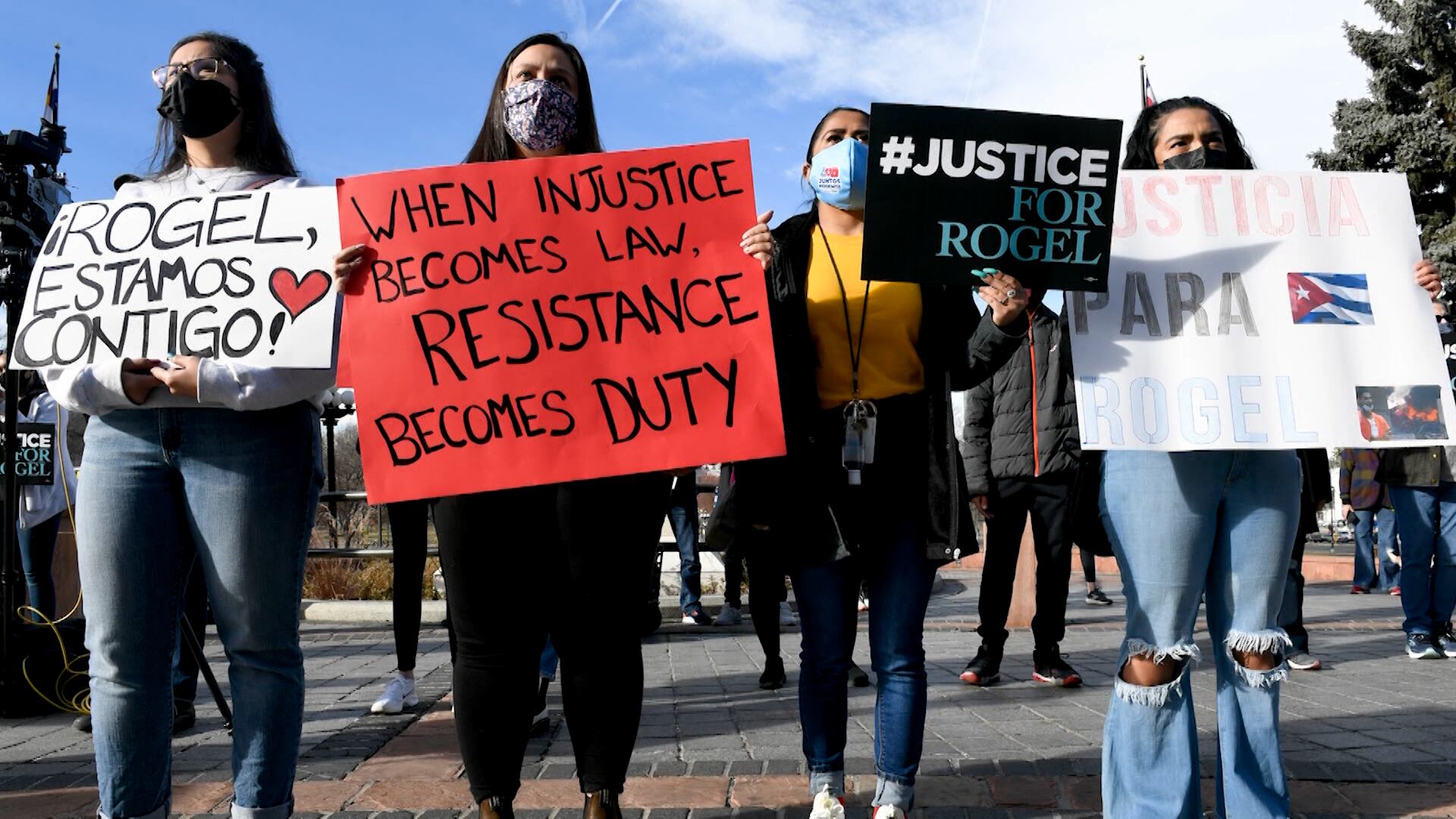
Colorado Gov. Jared Polis has officially reduced the 110-year prison sentence of truck driver Rogel Aguilera-Mederos to 10 years, calling the initial lengthy sentence “unjust.” Dan Gilleon, constitutional attorney at Gilleon Law Firm APC, joined Cheddar to discuss more.
Eric Adams Becomes 110th Mayor Of New York City
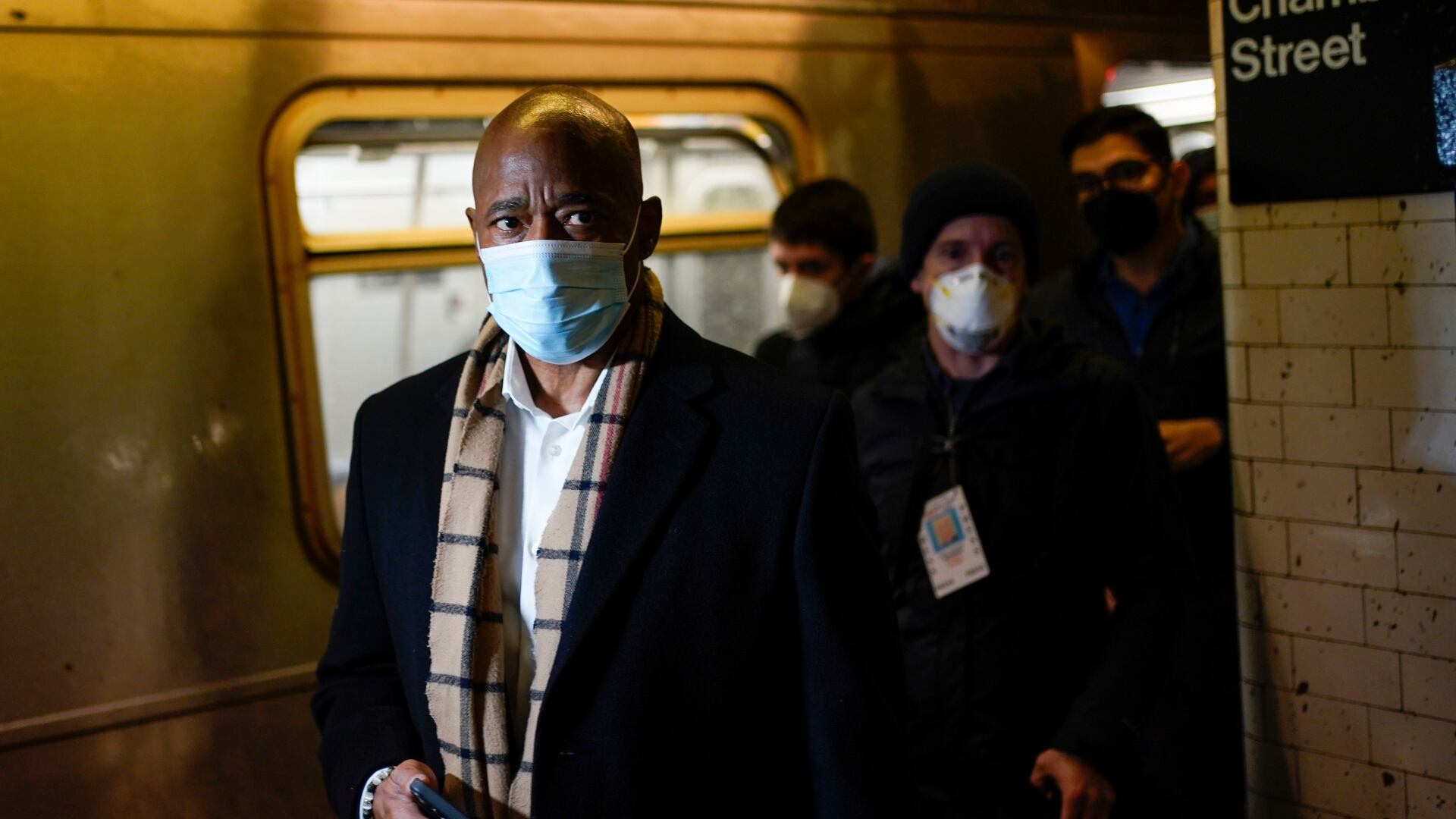
Former Brooklyn Borough President Eric Adams was sworn in as the newest Mayor of New York City. Adams is now expected to work on a number of issues such as crime and coronavirus. Erin Durkin,, reporter at PoliticoNY, joins Cheddar News to discuss more.
California Starts Largest U.S. Food Waste Recycling Program
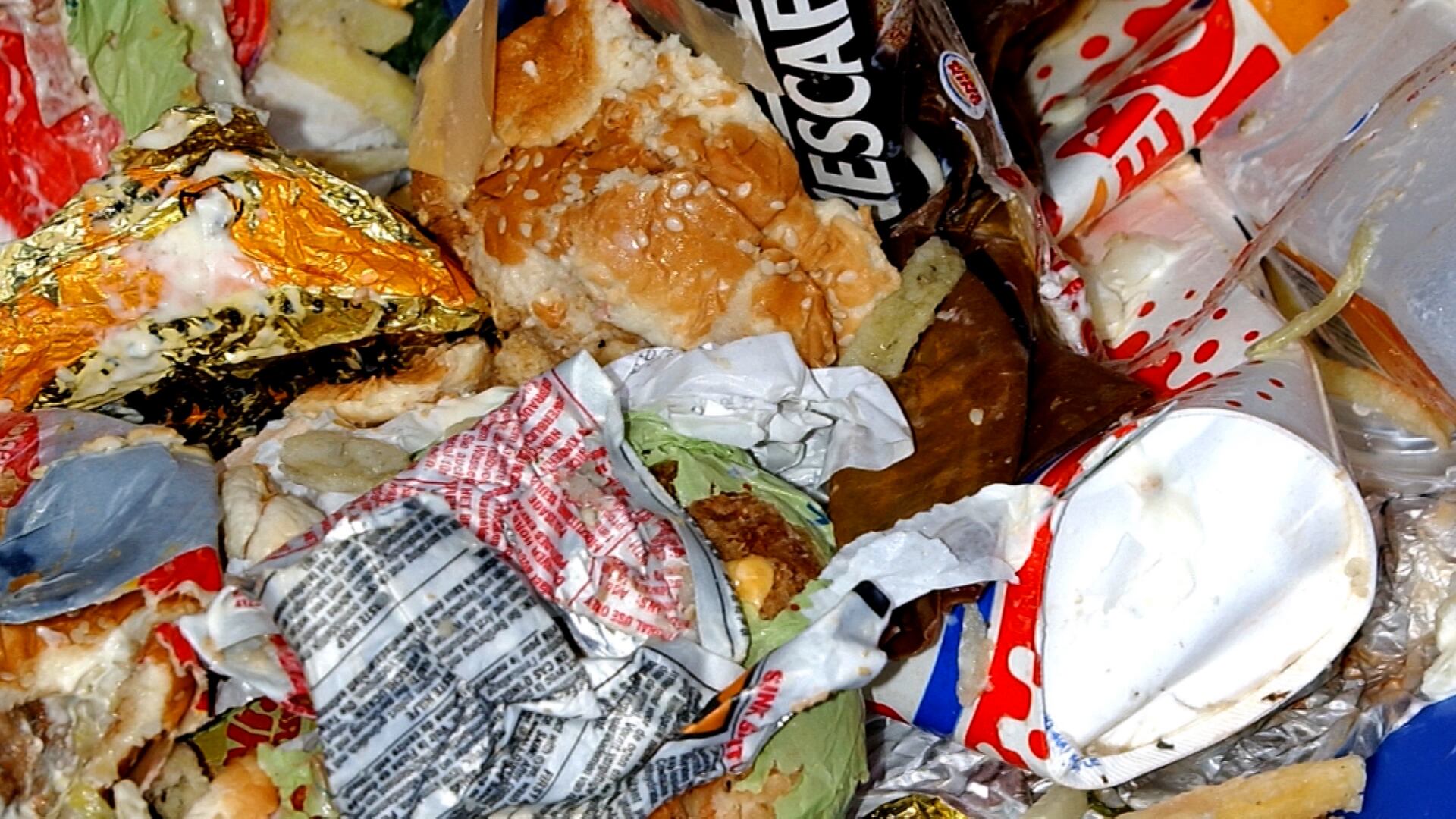
California's new composting law will affect what residents do in their kitchens. As of this week, Californians will have to recycle excess food in an effort to reduce emissions caused by food waste. Cities and counties will turn recycled food into compost or use it as a renewable energy source. California's new law is the largest mandatory residential food waste recycling program in the country. Rachel Wagoner, Director of the California Department of Resources, Recycling and Recovery called the law 'the biggest change to trash' since recycling started in the 1980s. She joined Cheddar Climate to discuss.
'American Insurrection' Documentary Updated With New Info a Year After January 6 Attacks
As the U.S. comes up on the first anniversary of the January 6 insurrection.,A.C. Thompson, investigative reporter at ProPublica, joined Cheddar's Baker Machado to discuss updates to American Insurrection by FRONTLINE, ProPublica and Berkeley Journalism’s Investigative Reporting Program. The documentary investigates the attack on the Capitol touched off by the lie that the presidential election was stolen from Donald Trump but with new information gleaned since the event including interviews with lawmakers and law enforcement and the evolution of groups like the Boogaloo Boys and the Proud Boys behind the attack. "In some ways those groups that were kind of the vanguard of January 6 are maybe no longer relevant because their message is everywhere," he said.
Load More