By Eric Tucker, Zeke Miller, and Mike Schneider

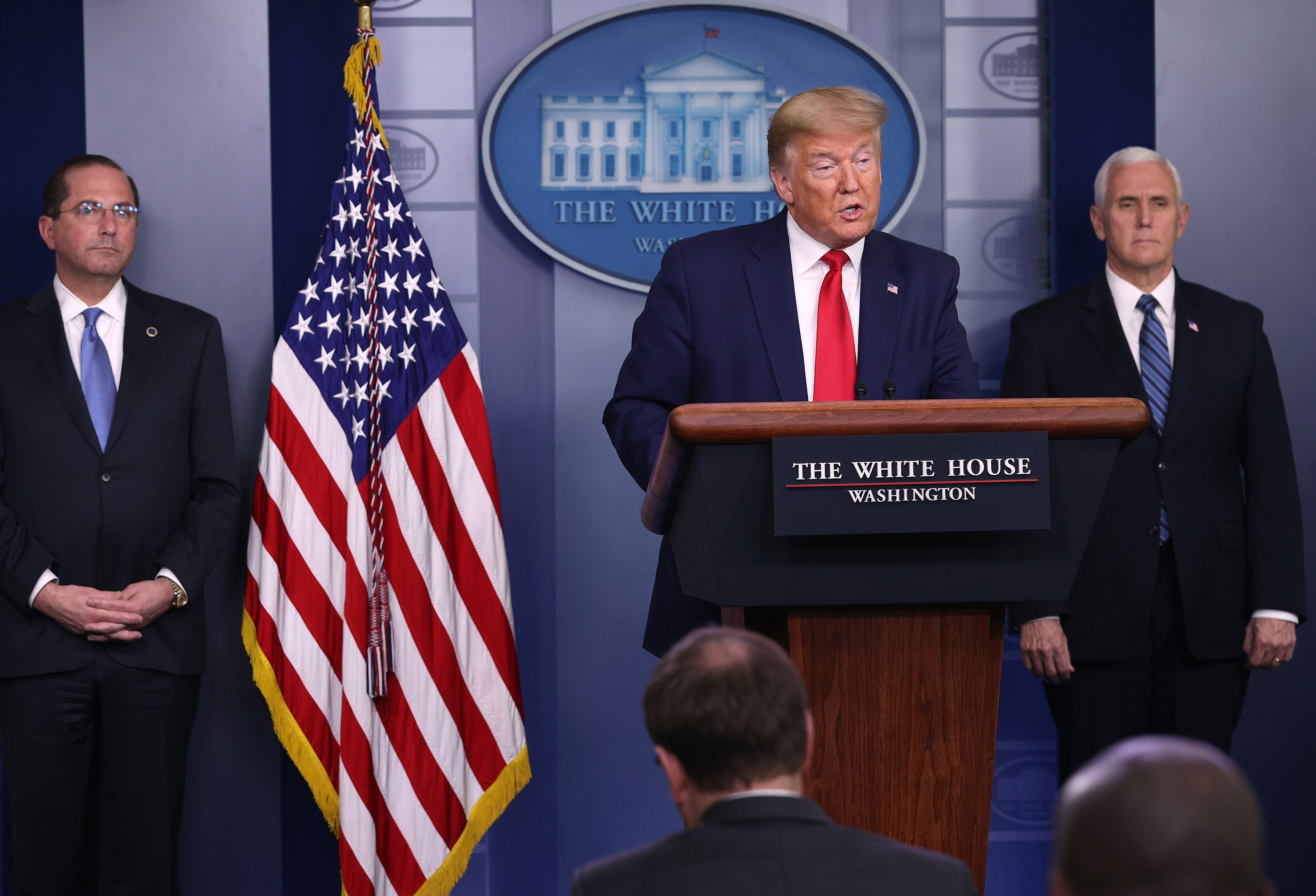
President Donald Trump announced new federal guidelines Friday recommending that Americans wear face coverings when in public to help fight the spread of the new coronavirus. The president immediately said he had no intention of following the advice himself, saying, “I'm choosing not to do it."

The new guidance from the Centers for Disease Control and Prevention encourages people, especially in areas hit hard by the spread of the coronavirus, to use rudimentary coverings like T-shirts, bandannas and non-medical masks to cover their faces while outdoors.

The president exempted himself from his administration's own guidelines, saying he could not envision himself covering his face while sitting in the Oval Office greeting world leaders.

“It's a recommendation, they recommend it," Trump said. “I just don't want to wear one myself.”

The new guidance announced at a time when states are bracing for critical shortfalls like those that other parts of the world have experienced, raises concern that it could cause a sudden run on masks if Americans turn to private industry to meet the expected surge in demand.

Trump and other administration officials sought to minimize any burden by stressing the recommendations did not amount to requirements and a variety of homemade coverings were perfectly acceptable. Federal officials stressed that surgical masks and N95 respirators should be left for those on the front lines of fighting the spread of the infection.

Friday's announcement capped an evolution in messaging from the White House that officials acknowledged has at times been confusing.

First lady Melania Trump embodied the ever-changing messaging with a tweet saying, “As the weekend approaches I ask that everyone take social distancing & wearing a mask/face covering seriously."

The administration has said states should have done more to stockpile medical supplies, but it's not clear if anyone is prepared for the potential rush that could ensue if people try to obtain medical masks for themselves.

In rural Florida, Okeechobee Discount Drugs has been sold out of face masks for almost two weeks, and “we don’t know where you can find any masks at this point,” said Stacey Nelson, one of the pharmacy’s owners.

“It’s very hard to get these products, but people want them,” Nelson said. “They’ve been getting mixed messages and people aren’t sure if they should be wearing masks in our daily lives. It’s very confusing. Wear them, or don’t wear them?”

For most people, the new coronavirus causes mild or moderate symptoms, such as fever and cough that clear up in two to three weeks. For some, especially older adults and people with existing health problems, it can cause more severe illness, including pneumonia, and death.

In fashioning the recommendations, the administration appears to be striving to balance political concerns about wanting to preserve as much normalcy as possible with public health concerns that some infections are being spread by people who seem to be healthy, which could infect areas that so far have been mostly spared.

The White House has faced pushback against rigorous social distancing guidelines from states with lesser rates of infection. For the hardest-hit areas, where social distancing has already been in place for some time, the White House coronavirus task force thought there would be less risk of people ignoring the other guidance if they covered their faces.

Dr. Deborah Birx, the task force coordinator, said Thursday she was concerned that people would be lulled into a false sense of security by covering their faces, and wouldn’t abide by the more critical and effective measures to slow the spread of the virus: staying six feet apart, frequently washing their hands and refraining from touching their faces.

As with other public health guidance, the recommendation on face covering has been a moving target for the administration. Under the previous guidance, only the sick or those at high risk of complications from the respiratory illness were advised to wear masks.

Surgeon General Jerome Adams wrote on Twitter at the end of February that people should “STOP BUYING MASKS" and said they were not effective in protecting the general public.

On Monday, he noted that the World Health Organization does not recommend masks for healthy members of the population. Three days later, he tweeted that though there remains “scant" evidence that wearing a mask, especially improperly, can protect the wearer, “emerging data suggests facial coverings may prevent asymptomatic disease transmission to others."

____

Schneider reported from Orlando, Florida. Associated Press writer Jill Colvin in Washington contributed to this report.


Share:
More In Politics
U.S.-Russia Talks Hit a Wall as Ukrainian Tensions Remain
U.S. officials spoke to Russian leaders for nearly eight hours earlier this week, in hopes of reducing tensions between Russia and Ukraine. Russia forced the west to the negotiating table by massing 100,000 troops near the Ukrainian border, sparking fears of an invasion, and then submitted a set of demands which the west rejected. Joel Rubin, former Deputy Assistant Secretary of State & President at Washington Strategy Group explains what the rest of the week might look like, and why other European nations may be on the side of the U.S.
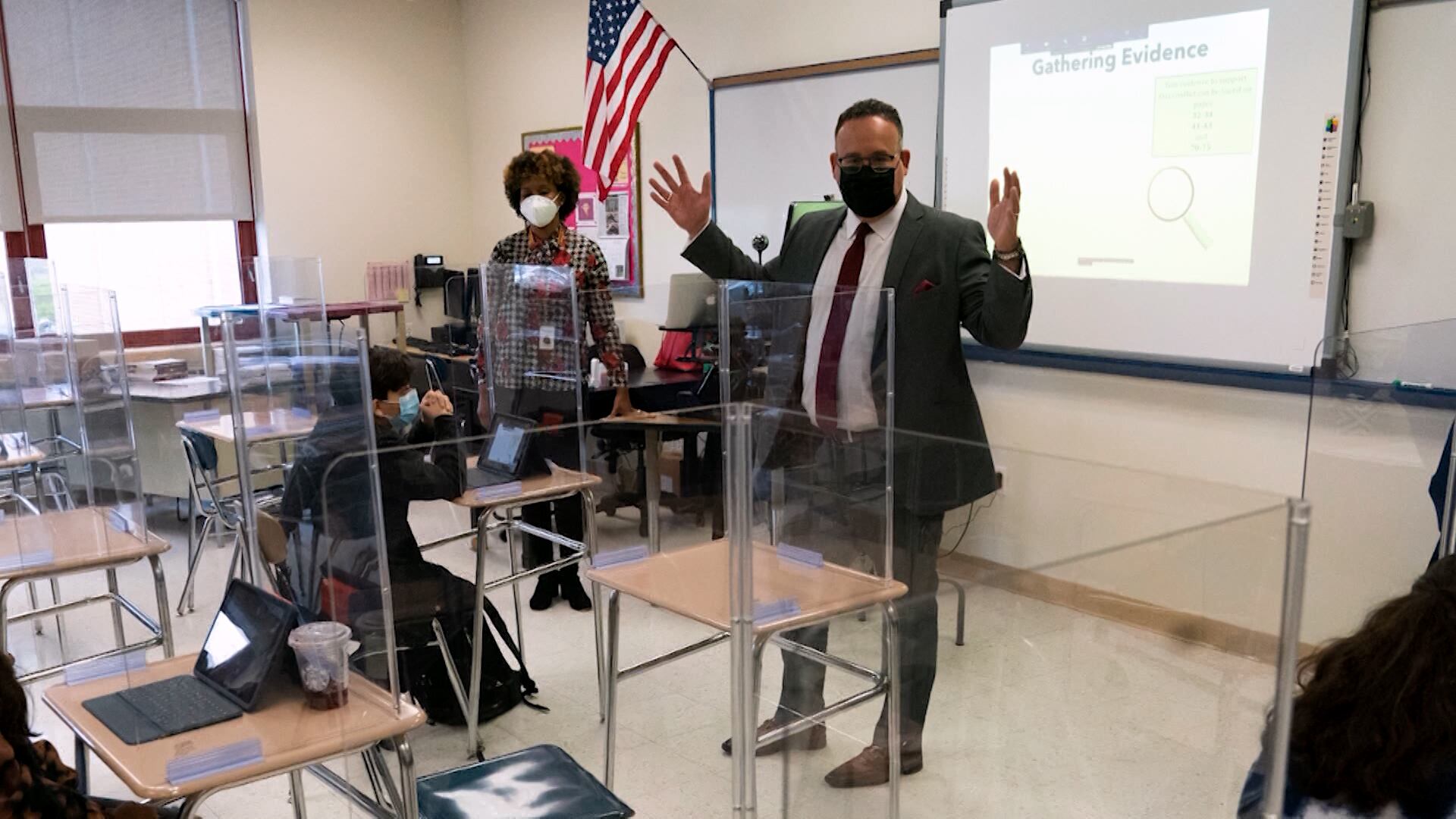
Schools Open Across the Nation Amid Omicron Anxiety
Chicago schools opened their doors again following a dispute between the teachers union and the city over as the omicron variant continues to surge, but the safety issues they fought over weren't just limited to the Windy City. Dr. Bayo Curry-Winchell, family medicine and urgent care doctor, joined Cheddar in discussing concerns of parents, teachers, and students as schools try to operate amid COVID and noted what she's been observing as the number of infections among children rises. "I am seeing them contract the illness from so many different aspects," she said. "It could be from a fellow classmate. It could be from a parent. All of those things really play in the effect of transmission as well as contracting the illness."
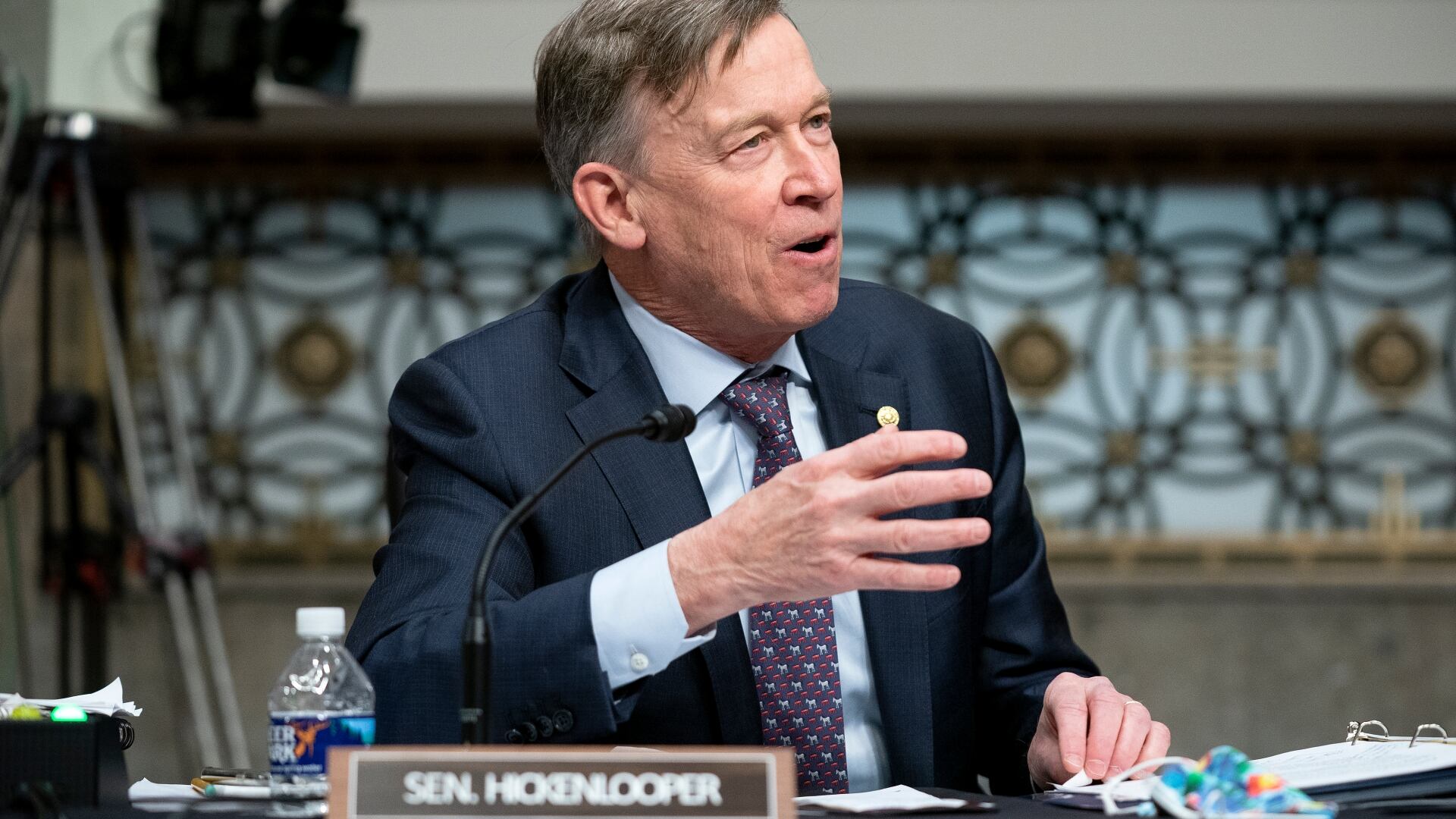
Sen. Hickenlooper Calls for a Federal Impairment Standard for Driving While High
Sen. John Hickenlooper (D-Colo.) is looking for clarification about a federal standard regarding THC impairment while driving. "I think in terms of marijuana, the fact that it's still a Schedule 1 narcotic — it's treated the same as heroin and cocaine — it means that we can't get standards developed," he said about the lack of cohesive regulations. The lawmaker also explained his previous opposition to cannabis legalization in Colorado when he was governor and why his position changed.
Rep. James Clyburn on Honoring Martin Luther King Jr. and Fate of the Filibuster
With Martin Luther King Jr. Day fast approaching, Rep. James Clyburn (D-S.C. 6th District), the House Majority Whip, talked about the importance of honoring the iconic civil rights activist. "As we consider the life and celebrate the legacy of Martin Luther King Jr., let's think about who and what we are as a country, and whether or not we're going to give up on the ideals of this country or continue to press forward," he said. Clyburn also discussed the push for new voting legislation, the For the People Act and the John Lewis Act, as well as the fate of the Senate filibuster.
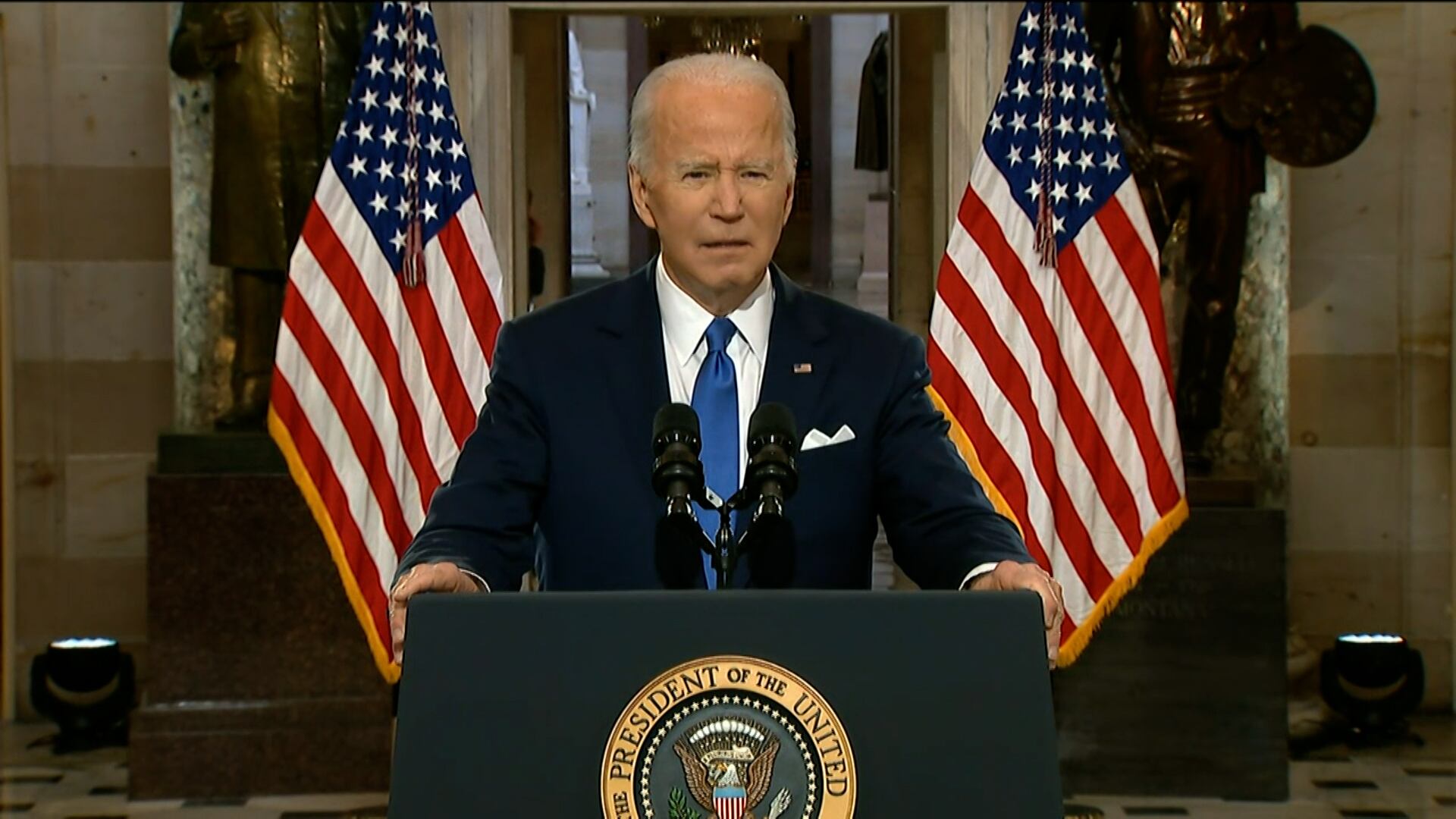
One Year Later, America Is Still Divided On January 6
One year after the attack on Capitol Hill, America is still deeply divided and politically broken. Zoe Tillman, senior reporter for BuzzFeed News, breaks down President Biden's remarks on January 6, and why the country disagrees on its views over the violent insurrection.
Americans' Finances Grew More Secure During Pandemic
While the pandemic caused financial troubles for many, the unique circumstances of the last two years proved helpful to many Americans. Whether it was the federal government's stimulus checks, expanded unemployment insurance, or general lockdowns, recent data reveals that the covid-19 pandemic helped many reach financial security. Neale Godfrey, Financial Expert and New York Times #1 Best Selling Author joined Cheddar's Opening Bell to discuss.
Markets Trade Higher Despite Hot Inflation Data
U.S. markets opened higher despite red-hot inflation data which showed the highest surge in nearly 40 years. Jon Maier, CIO, GlobalX ETFs joined Cheddar's Opening Bell to discuss this historic report.
Facebook Parent Meta Loses Bid to Dismiss FTC Antitrust Lawsuit
Meta's request to have a Federal Trade Commission antitrust lawsuit dismissed was rejected by a federal judge. Prosecutors presented enough evidence in their latest filing to go forward with the case accusing the tech giant of operating a social networking monopoly through Facebook, Instagram, and WhatsApp.
As the Covid Crisis in Schools Ramps Up, Educational Leaders Struggle
Covid cases have started to spike again across the nation, and this time they seem to be hitting some of our youngest and most vulnerable - school-aged children. School districts across the nation - including the country's largest public school system in New York City- are all grappling with what to do as teachers and students alike continue to miss school in droves. Katie Honan, reporter for the New York City-based non profit news organization, The City explains how educational leaders across the country are handling covid demands from both teachers and parents alike.
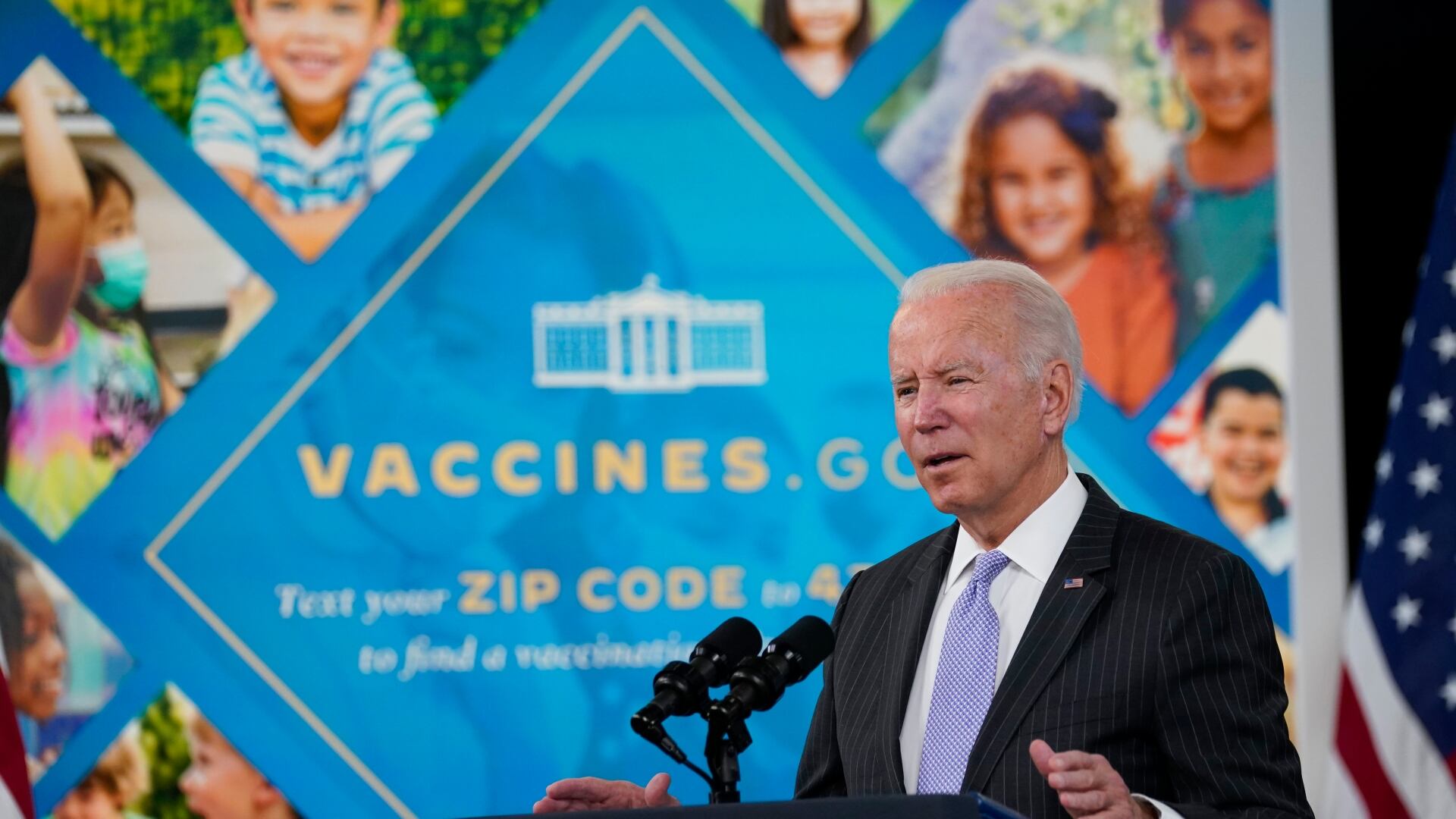
Federal Vaccine Mandates Face Supreme Court Review
Last week, the Supreme Court began here to hear arguments on two of the President's COVID-19 vaccine mandates. The vaccine or testing requirement for employees of large businesses, as well as the vaccine mandate for health care providers who get funding through either Medicare or Medicaid. The justices in DC will ultimately decide whether or not federal agencies even have the authority to issue these types of mandates. Editor at large of employment at Law 360, Vin Gurrieri, joined Cheddar to discuss more.
Load More