By Eric Tucker, Zeke Miller, and Mike Schneider

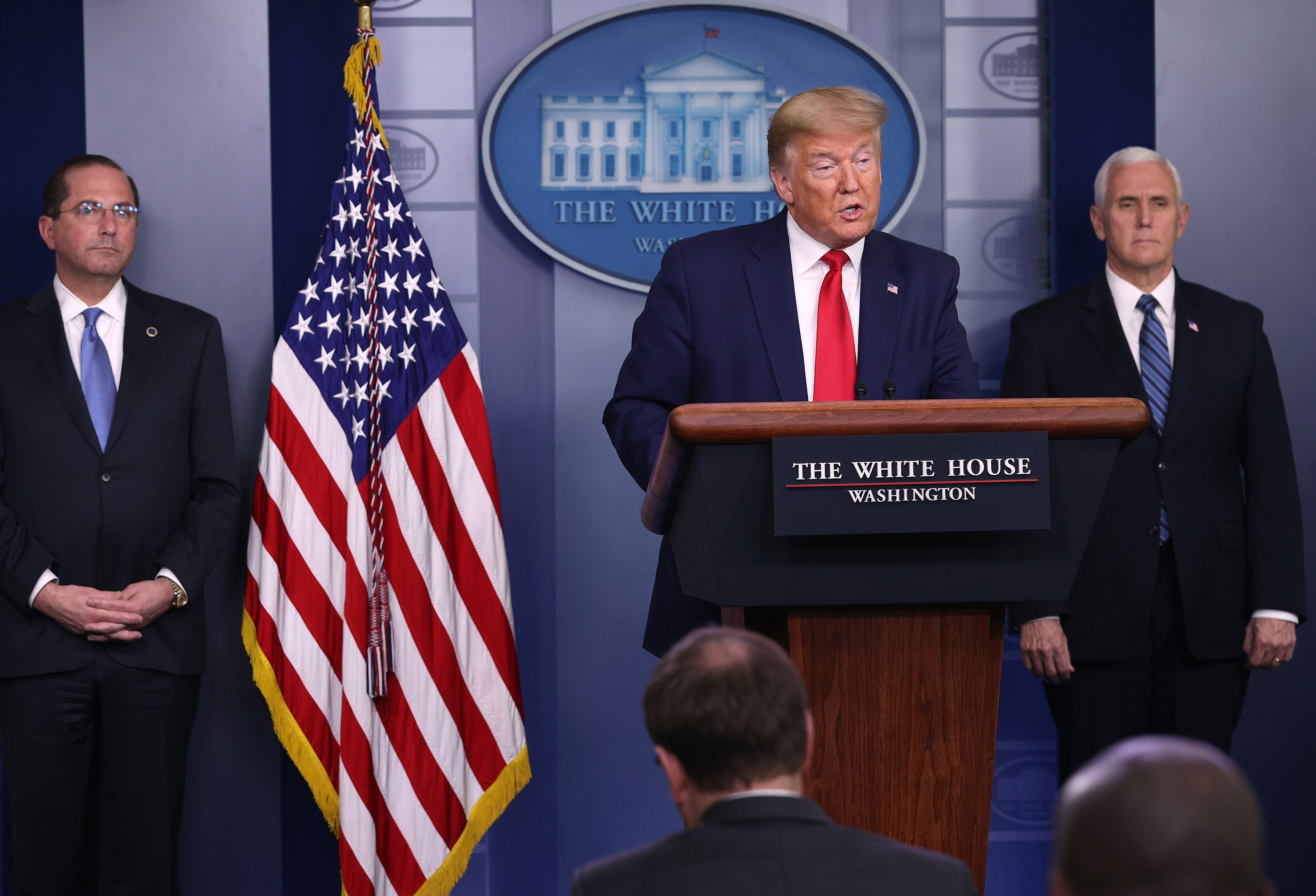
President Donald Trump announced new federal guidelines Friday recommending that Americans wear face coverings when in public to help fight the spread of the new coronavirus. The president immediately said he had no intention of following the advice himself, saying, “I'm choosing not to do it."

The new guidance from the Centers for Disease Control and Prevention encourages people, especially in areas hit hard by the spread of the coronavirus, to use rudimentary coverings like T-shirts, bandannas and non-medical masks to cover their faces while outdoors.

The president exempted himself from his administration's own guidelines, saying he could not envision himself covering his face while sitting in the Oval Office greeting world leaders.

“It's a recommendation, they recommend it," Trump said. “I just don't want to wear one myself.”

The new guidance announced at a time when states are bracing for critical shortfalls like those that other parts of the world have experienced, raises concern that it could cause a sudden run on masks if Americans turn to private industry to meet the expected surge in demand.

Trump and other administration officials sought to minimize any burden by stressing the recommendations did not amount to requirements and a variety of homemade coverings were perfectly acceptable. Federal officials stressed that surgical masks and N95 respirators should be left for those on the front lines of fighting the spread of the infection.

Friday's announcement capped an evolution in messaging from the White House that officials acknowledged has at times been confusing.

First lady Melania Trump embodied the ever-changing messaging with a tweet saying, “As the weekend approaches I ask that everyone take social distancing & wearing a mask/face covering seriously."

The administration has said states should have done more to stockpile medical supplies, but it's not clear if anyone is prepared for the potential rush that could ensue if people try to obtain medical masks for themselves.

In rural Florida, Okeechobee Discount Drugs has been sold out of face masks for almost two weeks, and “we don’t know where you can find any masks at this point,” said Stacey Nelson, one of the pharmacy’s owners.

“It’s very hard to get these products, but people want them,” Nelson said. “They’ve been getting mixed messages and people aren’t sure if they should be wearing masks in our daily lives. It’s very confusing. Wear them, or don’t wear them?”

For most people, the new coronavirus causes mild or moderate symptoms, such as fever and cough that clear up in two to three weeks. For some, especially older adults and people with existing health problems, it can cause more severe illness, including pneumonia, and death.

In fashioning the recommendations, the administration appears to be striving to balance political concerns about wanting to preserve as much normalcy as possible with public health concerns that some infections are being spread by people who seem to be healthy, which could infect areas that so far have been mostly spared.

The White House has faced pushback against rigorous social distancing guidelines from states with lesser rates of infection. For the hardest-hit areas, where social distancing has already been in place for some time, the White House coronavirus task force thought there would be less risk of people ignoring the other guidance if they covered their faces.

Dr. Deborah Birx, the task force coordinator, said Thursday she was concerned that people would be lulled into a false sense of security by covering their faces, and wouldn’t abide by the more critical and effective measures to slow the spread of the virus: staying six feet apart, frequently washing their hands and refraining from touching their faces.

As with other public health guidance, the recommendation on face covering has been a moving target for the administration. Under the previous guidance, only the sick or those at high risk of complications from the respiratory illness were advised to wear masks.

Surgeon General Jerome Adams wrote on Twitter at the end of February that people should “STOP BUYING MASKS" and said they were not effective in protecting the general public.

On Monday, he noted that the World Health Organization does not recommend masks for healthy members of the population. Three days later, he tweeted that though there remains “scant" evidence that wearing a mask, especially improperly, can protect the wearer, “emerging data suggests facial coverings may prevent asymptomatic disease transmission to others."

____

Schneider reported from Orlando, Florida. Associated Press writer Jill Colvin in Washington contributed to this report.


Share:
More In Politics
Senate Committee Votes to Advance Big Tech Antitrust Bill
Members of Congress have voted to advance a bill meant to address antitrust concerns related to tech giants including Amazon, Apple, Google, and Meta. The 'American Innovation and Choice Online Act' is largely seen as one of the best chances for the government to reign in Big Tech's dominance Seth Schachner, Managing Director StratAmericas; Digital Business Executive joined Cheddar's Opening Bell to discuss.
Biden Touts Intel's Chip Factory Plans Amid Shortages
American semiconductor company, Intel officially announcing plans to build a new $20 billion chip manufacturing complex outside Columbus, Ohio. This comes as the global chip shortage continues to hamper production of everything from smart phones, to cars. Jennifer Smith - Logistics and Supply Chain Reporter, WSJ joined Cheddar's Opening Bell to discuss.
U.S. Puts Troops On High Alert As Russia Increases Presence Near Ukraine Border
The U.S. has put more than 8,000 American troops on high alert for possible deployment to Eastern Europe as the West prepares for a potential Russian invasion of Ukraine. With Russia building up more than 100,000 troops near the Ukrainian border, concerns over the country's behavior are mounting. Joel Rubin, Former Deputy Assistant Secretary of State and President of the Washington Strategy Group, joined Cheddar to discuss what this means for U.S.-Russia relations, and where the conflict might be heading next.
As Midterm Elections Loom, Biden's Approval Rating Continues Decline
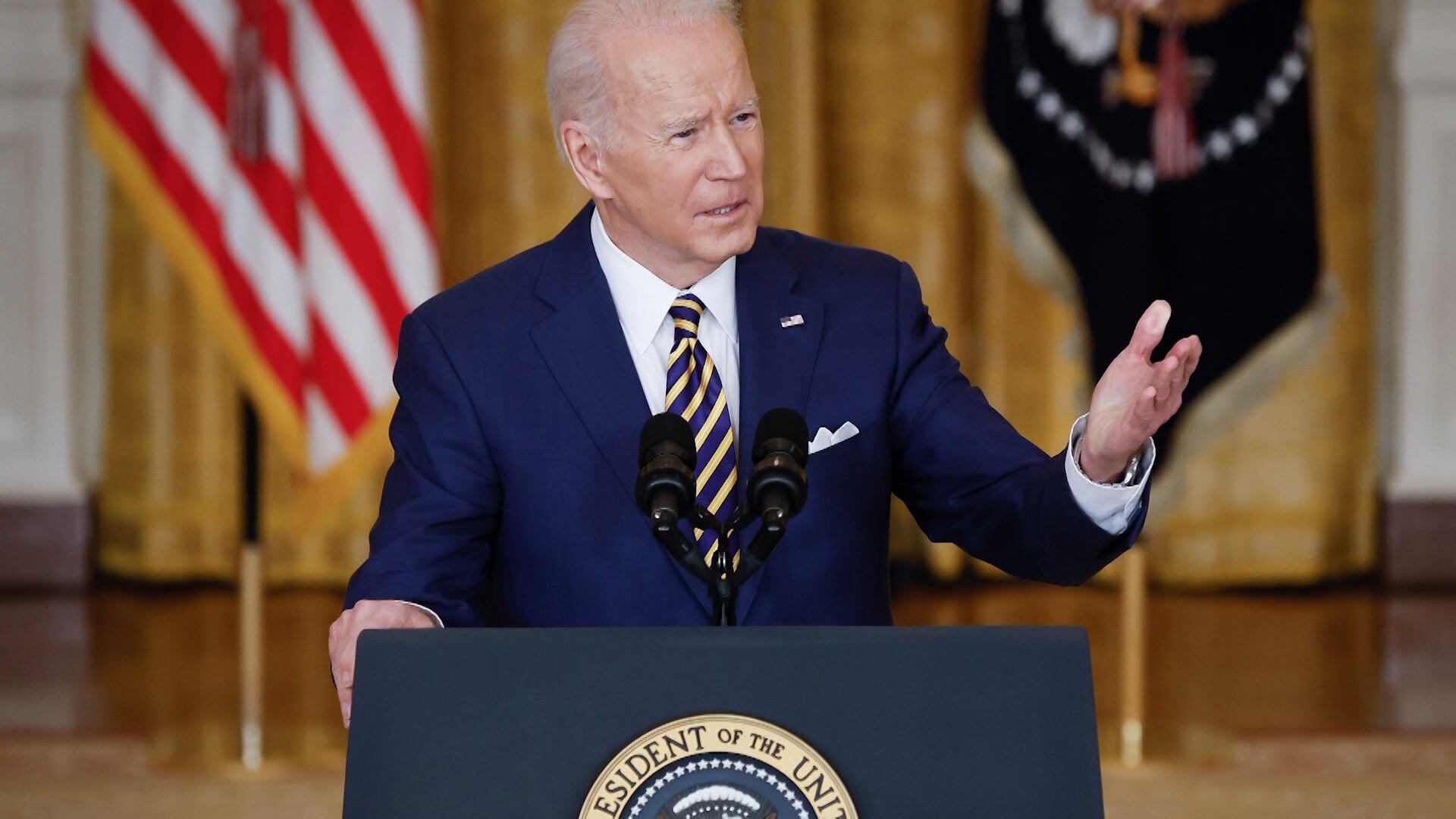
As the midterm election looms, things aren't looking too promising for President Joe Biden. One year into his term as president, Biden is facing one of the lowest approval ratings of any modern-day president, threatening his party's control of the House in 2022. Brian Bennett, Senior White House Correspondent for TIME, joined Cheddar's Opening Bell to discuss.
The Biden Administration: One Year Down, Three to Go
A full one year into his term as President of The United States, President Biden addressed the nation on Wednesday, facing questions on everything from inflation to chip shortages and covid-19. As Biden enters his second year in office, he is facing one of the lowest approval ratings of any modern-day president. Kate Davidson, Reporter, POLITICO joined Cheddar's Opening Bell to discuss.
New Documentary Highlights the Life and Role of Congresswoman Barbara Lee
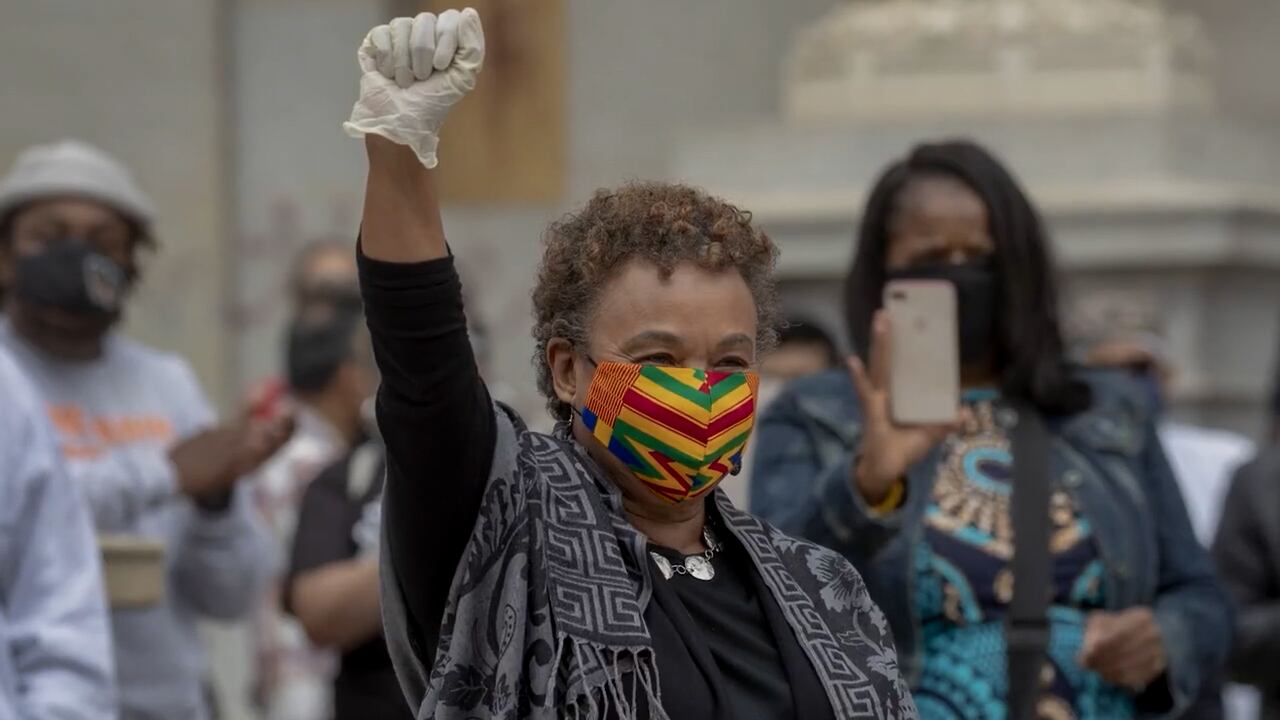
"Barbara Lee: Speaking Truth to Power" is the story of how the longtime House Democrat became, as she Is known to some, as "the Conscience of Congress." The film also shows Representative Lee from her days working to fight community poverty to famously becoming the only member of Congress to vote "no" against the war in Afghanistan days after 9/11. The film is nominated for an NAACP Image Award, and Premieres on Starz on February 1. Film director Abby Ginzberg and Rep. Barbara Lee (D-Calif. 13th District), joined Cheddar to discuss more.
New San Diego Law Funnels Grocery Waste To Food Banks
San Diego has just implemented a new law that could set the stage for how the country deals with food waste. This new law hopes to make a dent in that. Businesses and groceries stores out in San Diego will need to put a plan in place to *donate edible food rather than toss it straight to the trash. Food Rescue Manager at Feeding San Diego, Kate Garret
Bronx Twin Parks Apartment Fire Leaves 17 People Dead
Earlier this month, New York City experienced one of the deadliest fires it has seen in decades. 17 people lost their lives in the Fordham section of the Bronx. This was due to a faulty space heater which reportedly began on the lower floor of the 120 unit building. Thanks to the F. D. N. Y. And heroic neighbors, many were able to get out in time. Unfortunately, the toxic smoke surged upwards through a safety door. Now, many advocates say negligence by policymakers and landlords has led to the deaths in black and brown communities from fires that honestly could have been preventable. Legislative Director of Citizen Action of New York, Rebecca Garrard, and the Chair of Journalism and New Media Studies at St. Joseph's College Theodore Hamm, joined Cheddar to discuss more.
SCOTUS Denies Bid To Block Texas Abortion Law
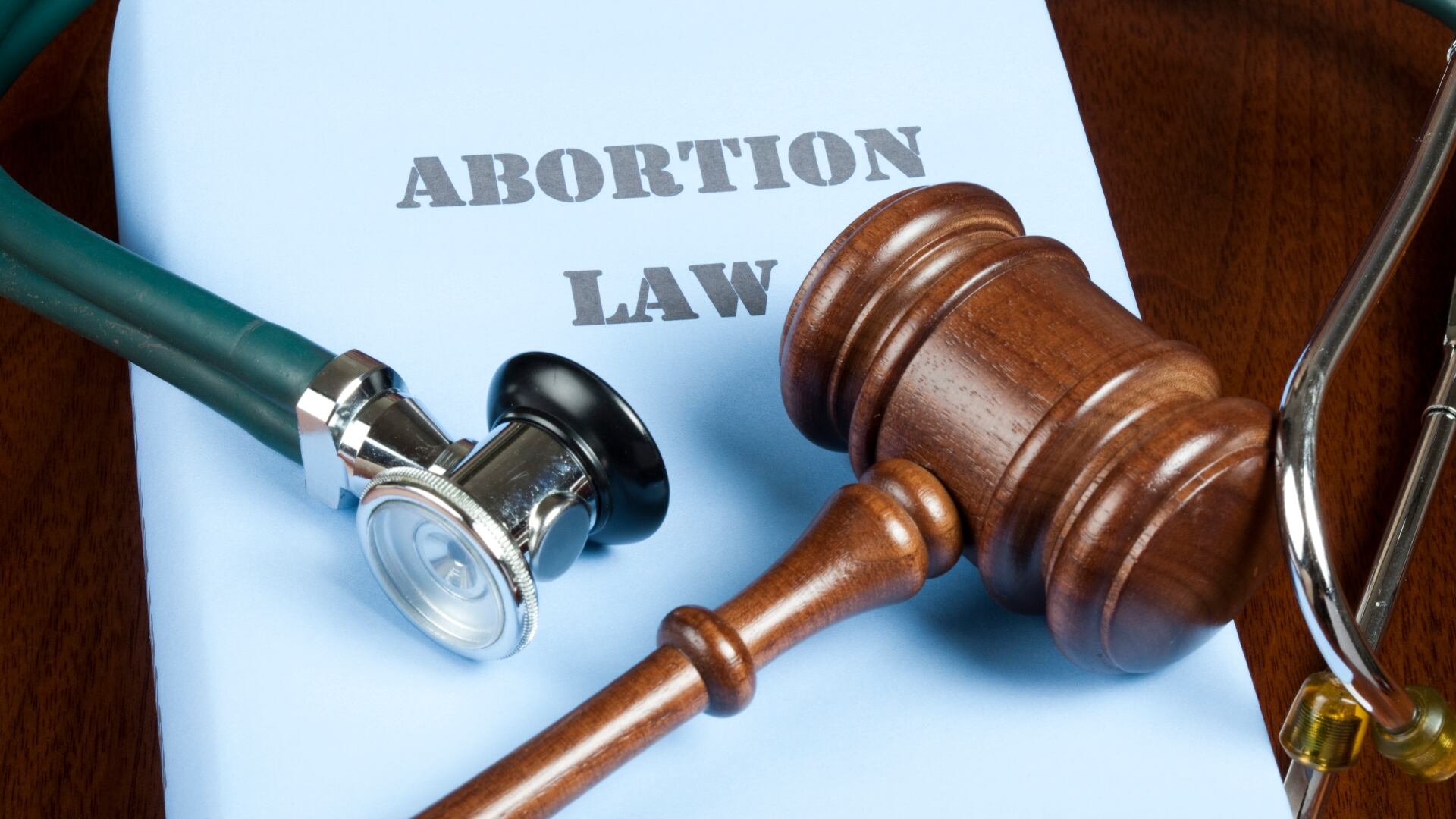
The Supreme Court has declined to order the Texas Abortion case back to the original trial judge for further proceedings. Essentially if Texas abortion providers were able to get their case back to the lower court., It would have greatly helped the group move against the law. However, this decision is likely to prolong the case legal battle. Professor and Author of "The Turnaway Study: Ten Years, a Thousand Women, and the Consequences of Having — Or Being Denied — An Abortion", Diane Foster, joined Cheddar to discuss more.
Supreme Court Denies Bid to Block Texas Abortion Law
The Supreme Court rejected yet another bid by abortion providers to block Texas's law - which bans most abortions after six weeks of pregnancy. This is the fourth time that advocates have tried and failed to block the most restrictive abortion ban in the country. Leah Litman, assistant professor of law at The University of Michigan and co-host of the "Strict Scrutiny" podcast, joins Cheddar News to discuss.
Load More