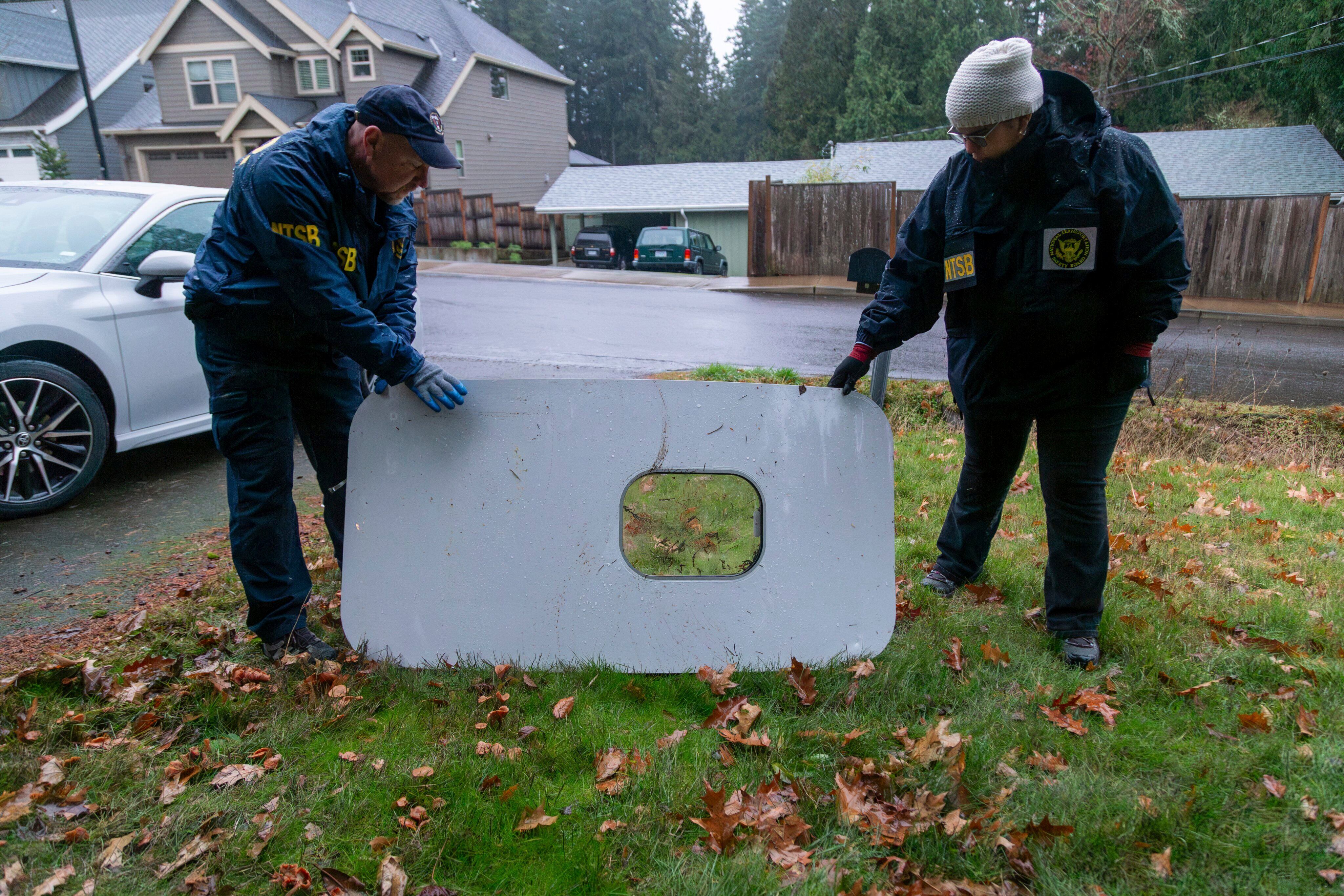
This photo released by the National Transportation Safety Board shows the door plug from Alaska Airlines Flight 1282 on Monday, Jan. 8, 2024, in Portland, Ore. A panel used to plug an area reserved for an exit door on the Boeing 737 Max 9 jetliner blew out Jan. 5, shortly after the flight took off from Portland, forcing the plane to return to Portland International Airport. (National Transportation Safety Board via AP)
Federal officials are investigating whether Boeing failed to make sure a panel that blew off a jetliner in midflight last week was safe and manufactured to meet the design that regulators approved.
The Federal Aviation Administration said Thursday that the investigation is focusing on plugs used to fill spots for extra exits when those doors are not required on Boeing 737 Max 9 jetliners.
The plug that blew off an Alaska Airlines Max 9 was found near Portland, Oregon, and will be be examined in a government laboratory.
“This incident should have never happened and it cannot happen again,” the FAA said in a statement. “Boeing’s manufacturing practices need to comply with the high safety standards they’re legally accountable to meet.”
The FAA notified Boeing of the investigation in a letter dated Wednesday and asked it to respond within 10 business days.
The agency said Boeing's response should include “the root cause of the encountered condition(s)" and steps the company is taking to prevent a recurrence.
The FAA has grounded Max 9 jets, including all 65 operated by Alaska and 79 used by United Airlines until Boeing can develop inspection guidelines and planes can be examined. Alaska has canceled all flights by Max 9s through Saturday.
Investigators with the National Transportation Safety Board said this week they have not been able to find four bolts that are used to help secure the 63-pound door plug. They are not sure whether the bolts were there before the plane took off.
Despite a hole in the side of the plane, pilots were able to return to Portland and make an emergency landing. No serious injuries were reported.
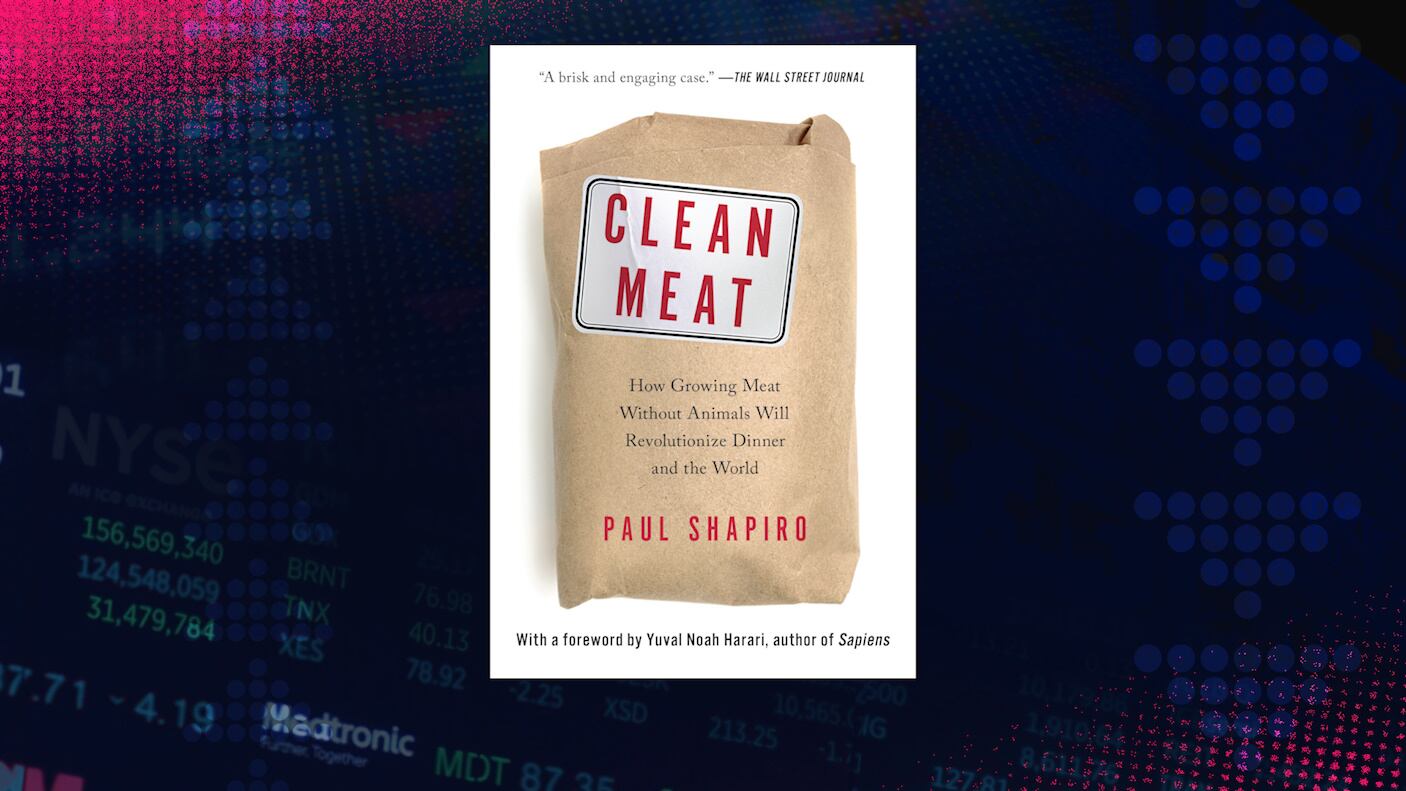
Author of 'Clean Meat,' Paul Shapiro joins Cheddar to discuss how the cellular agricultural revolution helps lower rates of foodborne illness and greatly improves environmental sustainability. Plus, how his company The Better Meat Co. is bringing healthier food options to the table.
Recent headlines might make it sound like World War III is imminent, but when it comes to your finances, it's not the time to panic. The market is coming off its longest winning streak since 2011.
You may have noticed fewer new venture capital-backed startups (like Airbnb or Uber) lately. The market slowed to a crawl after 2021, but things are expected to take off again in 2025.
Corporate earnings season is underway, that time when companies share their billions in sales or double-digit profits. But the data shows even companies are struggling with high inflation and interest rates.
Boeing continues their terrifying trend of having their planes fall apart mid-flight, inflation — checks notes — is still up and the future of AI looks terrifying. Cheery!
Food waste – uneaten scraps or leftovers sent to landfills – is responsible for 10% of global emissions. Mill, a new product from the co-founder of Nest, thinks technology can play a role in eliminating it.
By the time the 2024 election is over, be prepared to see some form of a recession – but this shouldn’t be as bad as what we experienced in 2020 or 2008.
International Master Alice Lee defeated grandmaster Irina Krush to win the American Cup – becoming one of the best women players in the world in the process – but she’s not stopping there.
You can track your sleep habits or heart rate, but how about your brain? Neurable's MW75-Neuro headphones turn your focus and productivity into data you can use to avoid burnout – here's how they do it.