As the U.S. inches closer to the summer traveling season, the Federal Aviation Administration is looking to avoid another season of mass delays.
A shortage in air traffic controllers and overall staffing at airports caused multiple travel delays since the early days of the pandemic. As a fix, the FAA is implementing a few guidelines it hopes will make flying a bit more seamless.
In New York City and Washington, DC, airlines will have reduced flight slot requirements during takeoffs and landings in an effort to cut down congestion. Slots provide airlines the right to enter and exit specific airports at designated times.
Despite the plan, the agency said it still expects the rate of delays to jump 45 percent from 2022.
The FAA is also leaning on airlines to help navigate the delay issue and will host a brainstorming summit.
Delta Airlines said it supports the agency's efforts to clear up congestion at airports.
"Delta is reviewing our network to ensure the best customer experience throughout the summer travel season, and we are committed to working with the FAA on measures to ensure the safety and efficiency of operations at the NY/NJ airports," the airlines stated according to CNBC.
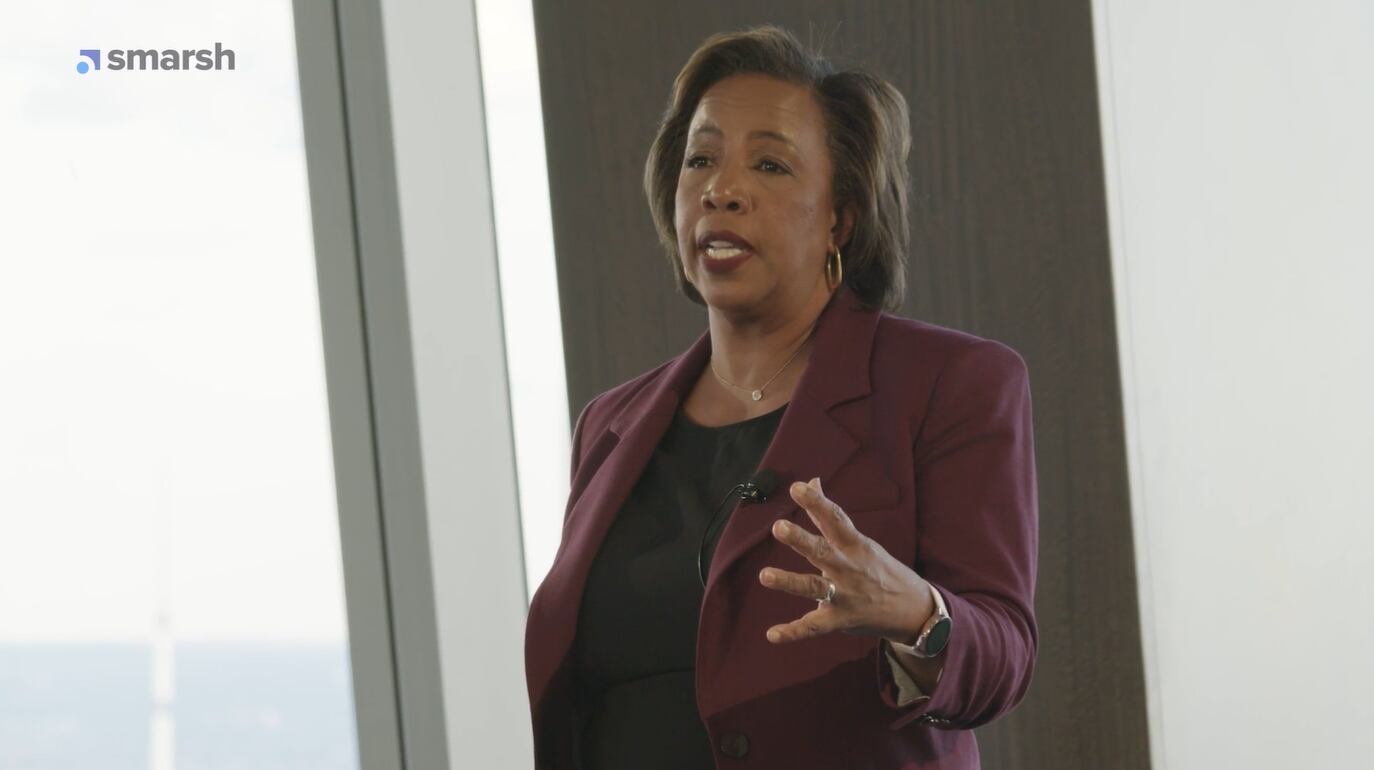
Pittsburgh International Airport CEO, Christina Cassotis talks the airport’s upcoming upgrades and why you can’t count out business travel, even in a post-pandemic world.
Fresh off of speaking at the UN, Amalya Yeghoyan, Executive Director of FAR’s Gyumri Information Technology Center, discusses her work to empower women through tech.
Veetahl Eilat-Raichel, Founder and CEO of Sorbet, shares how employees can harness the value of their time off – and how companies can use PTO to employees’ benefit.
Brooke May, Managing Partner at Evans May Wealth, weighs in on how the market is expected to perform through the rest of 2024, plus why she’s still bullish on tech but cautious when it comes to financials.
Pete Nicoletti, Global CISO at Check Point, explains why it’s so difficult to legislate against A.I. disinformation and why it’s a concern going into the 2024 election.