The landmark case between the Justice Department and Microsoft, which hit the Supreme Court Tuesday, will have major implications for the U.S. government’s access to data and the way that tech companies function around the world today, says Steven Overly, tech reporter at Politico.
“Microsoft is arguing that we’re basically legislating current day technology based on decades-old law,” he says.
“What they really want is to see our laws updated so that it better addresses the technology that we all use today.” For that, Microsoft wants Congress -- not the courts -- to deliberate on the future of data protection.
The case revolves around emails stored in a data center in Ireland. A search warrant in 2013 demanded that Microsoft hand over access to those files because they were pertinent to a drug investigation. Officials cited a 1986 law -- the Stored Communications Act (SCA) -- that was written back before email and international data centers were the norm.
Microsoft refused the warrant, arguing emails stored overseas are beyond the jurisdiction of U.S. warrants in the same way that physical information overseas would be, explains Overly.
“We need 21st century laws to protect 21st century technology,” said Brad Smith, President and Chief Legal Officer at Microsoft, on Tuesday.
“There is only one institution in this country that can balance all of the careful nuances that need to be considered, and that is...the United States Congress,” added Smith.
The case could also have direct consequences for the consumer, Overly told Cheddar.
“What does this mean for how our own government accesses our information and how foreign governments access our information?” he asked.
A ruling in the case is expected in June.
For the full interview, [click here](https://cheddar.com/videos/breaking-down-the-u-s-vs-microsoft-supreme-court-case).
After the 2021 boom, IPO activity slowed down significantly, in part due to monetary policy – but things are getting moving again with tech-friendly companies like Iboutta and Rubrik making a public debut.
With an increasing demand for mental health services, one person wanted to change the therapy game. In 2017, CEO Alex Katz founded Two Chairs, a company that uses technology to match patients with the right therapist.
Not only is April Financial Literacy Month, it’s also the kickoff of the spring homebuying season. So now is the time to make sure you have a financial plan in place – and why it might not be wise for that to include buying your first home.
While the U.S. may slowly be on the path to lowering inflation (and therefore interest rates), Europe has thoroughly trounced America, putting it on the path to lower rates by this summer.
April's release of the monthly Housing Starts and Building Permits reports by the Census Bureau provides crucial insights into the construction activity in the housing market. These reports are an economic indicator, shedding light on the current state of the housing market and its broader economic impact.
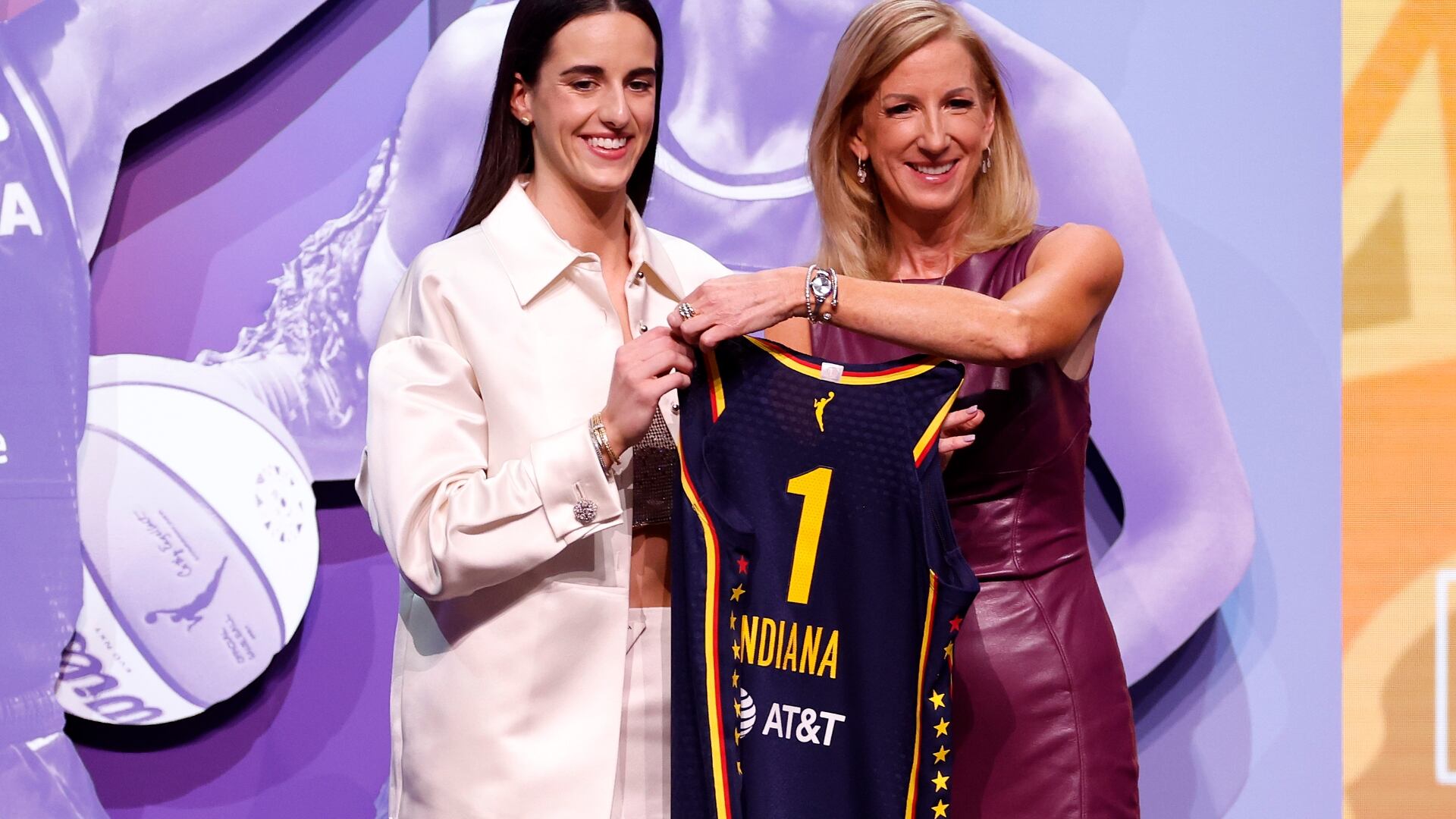
Caitlin Clark is heading to the Indiana Fever, the number one draft pick and the highest-scoring college basketball player of all time. And while she may not be getting millions from the WNBA, there's a few ways she'll net compensation for her generational talents.
Author of 'Clean Meat,' Paul Shapiro joins Cheddar to discuss how the cellular agricultural revolution helps lower rates of foodborne illness and greatly improves environmental sustainability. Plus, how his company The Better Meat Co. is bringing healthier food options to the table.
Recent headlines might make it sound like World War III is imminent, but when it comes to your finances, it's not the time to panic. The market is coming off its longest winning streak since 2011.
You may have noticed fewer new venture capital-backed startups (like Airbnb or Uber) lately. The market slowed to a crawl after 2021, but things are expected to take off again in 2025.
Corporate earnings season is underway, that time when companies share their billions in sales or double-digit profits. But the data shows even companies are struggling with high inflation and interest rates.