The landmark case between the Justice Department and Microsoft, which hit the Supreme Court Tuesday, will have major implications for the U.S. government’s access to data and the way that tech companies function around the world today, says Steven Overly, tech reporter at Politico.
“Microsoft is arguing that we’re basically legislating current day technology based on decades-old law,” he says.
“What they really want is to see our laws updated so that it better addresses the technology that we all use today.” For that, Microsoft wants Congress -- not the courts -- to deliberate on the future of data protection.
The case revolves around emails stored in a data center in Ireland. A search warrant in 2013 demanded that Microsoft hand over access to those files because they were pertinent to a drug investigation. Officials cited a 1986 law -- the Stored Communications Act (SCA) -- that was written back before email and international data centers were the norm.
Microsoft refused the warrant, arguing emails stored overseas are beyond the jurisdiction of U.S. warrants in the same way that physical information overseas would be, explains Overly.
“We need 21st century laws to protect 21st century technology,” said Brad Smith, President and Chief Legal Officer at Microsoft, on Tuesday.
“There is only one institution in this country that can balance all of the careful nuances that need to be considered, and that is...the United States Congress,” added Smith.
The case could also have direct consequences for the consumer, Overly told Cheddar.
“What does this mean for how our own government accesses our information and how foreign governments access our information?” he asked.
A ruling in the case is expected in June.
For the full interview, [click here](https://cheddar.com/videos/breaking-down-the-u-s-vs-microsoft-supreme-court-case).
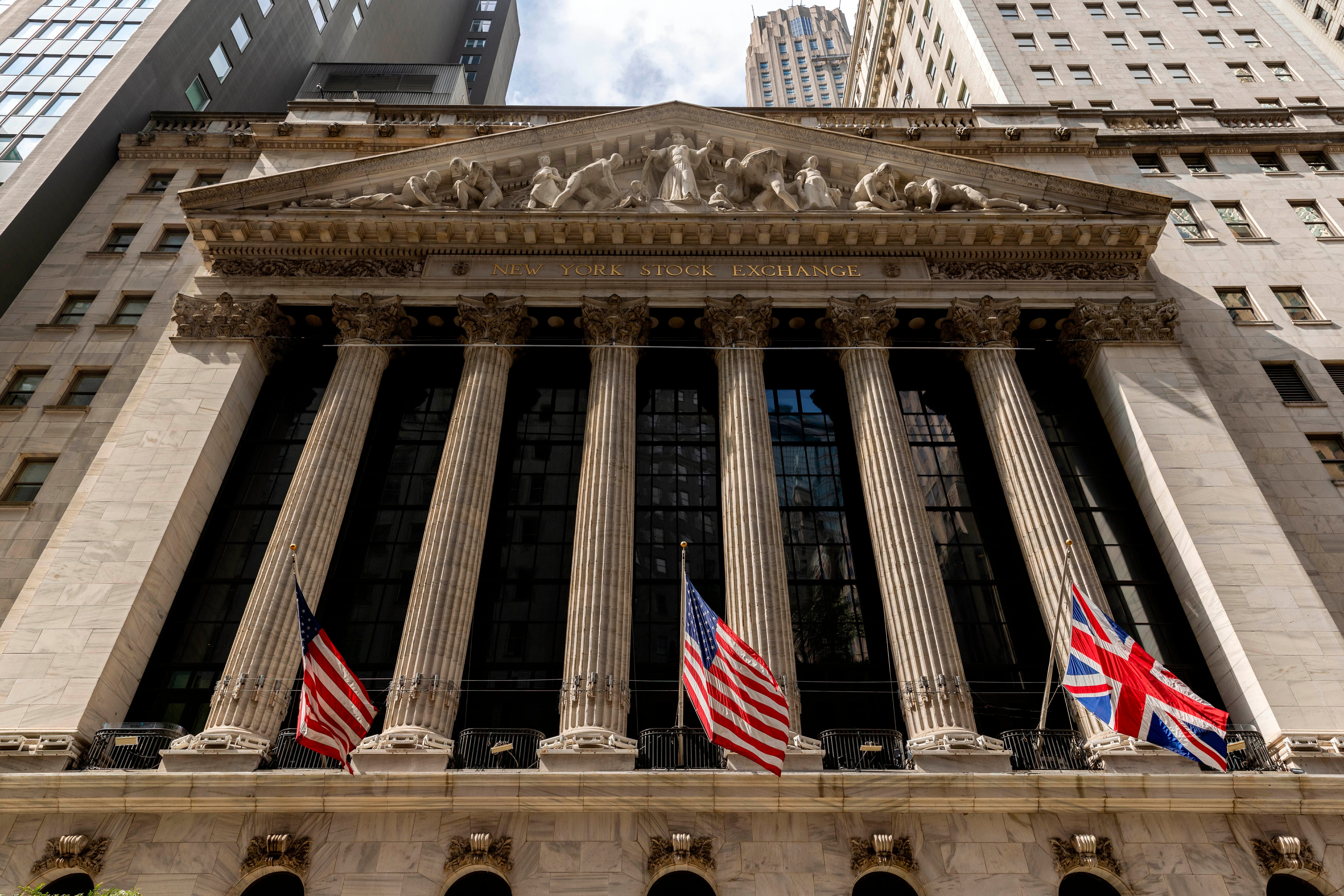
Wall Street was quiet early following a lackluster session a day earlier as markets await U.S. inflation data and high-profile corporate earnings reports later in the week.
The World Economic Forum says false and misleading information supercharged with cutting-edge artificial intelligence is the top immediate risk to the global economy.
CES 2024 starts this week in Las Vegas. It's set to feature swaths of the latest advances and gadgets across personal tech, transportation, health care, sustainability and more. Here's a list of the coolest announcements so far.
Astronauts will have to wait until next year before flying to the moon and another few years before landing on it. NASA on Tuesday announced the latest round of delays in its Artemis moon-landing program.
The Biden administration has enacted a new labor rule that aims to prevent the misclassification of workers as independent contractors. The labor department rule going into effect Tuesday replaces a scrapped Trump-era standard that lowered the bar for classifying employees as contractors
The KC-46 was to be the ideal candidate for a fixed-price development program. Instead, it has cost Boeing billions, and made industry wary of such deals.
Dave Long, CEO and Co-Founder of Orangetheory Fitness joins Cheddar to chat trends in the industry for 2024. He updates us on the company's plans to expand and what the state of the economy has meant for business.
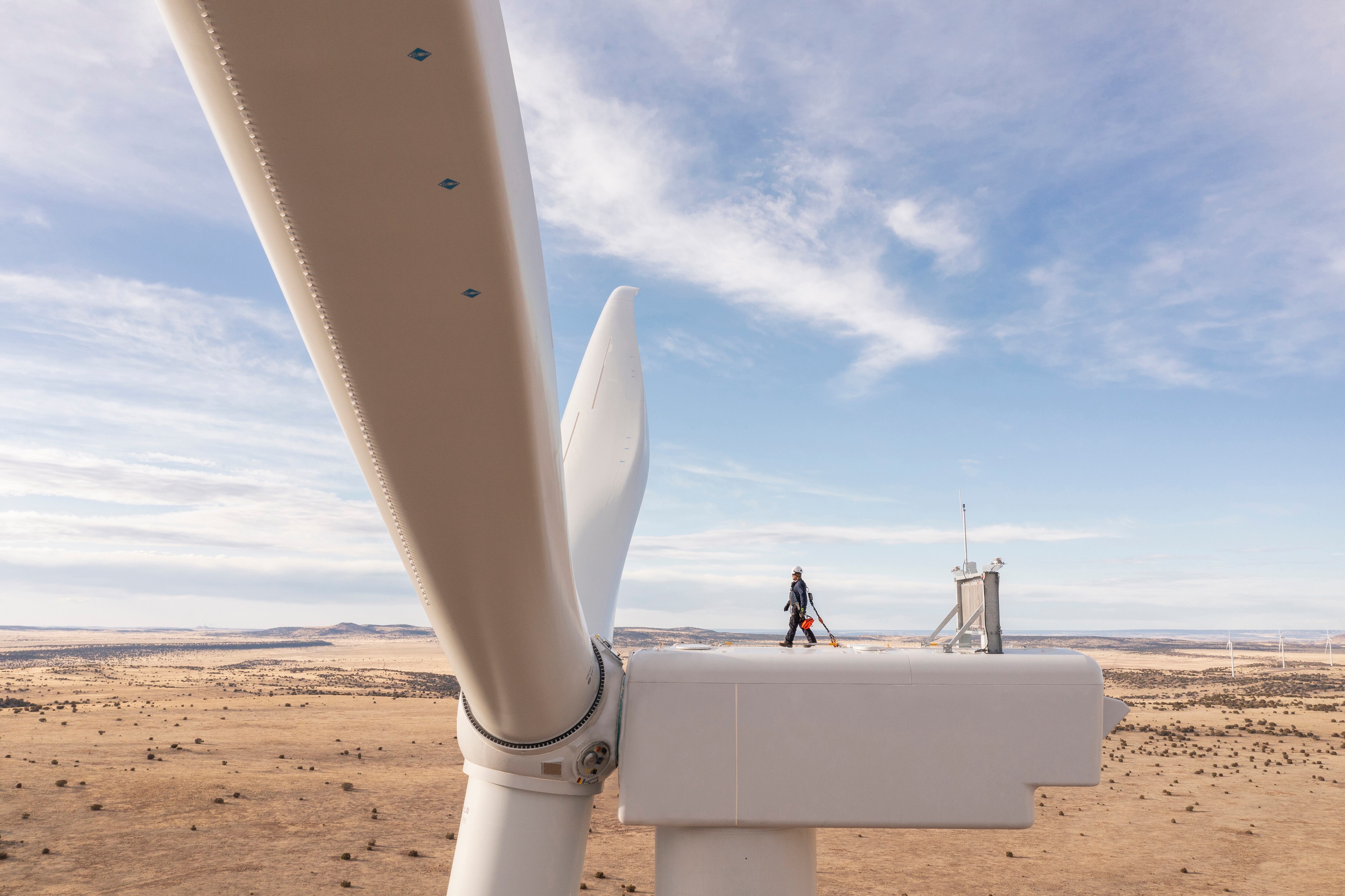
One of the world's largest renewable energy developers will be getting hundreds of wind turbines from General Electric spinoff GE Vernova as part of a record equipment order and long-term service deal.