The landmark case between the Justice Department and Microsoft, which hit the Supreme Court Tuesday, will have major implications for the U.S. government’s access to data and the way that tech companies function around the world today, says Steven Overly, tech reporter at Politico.
“Microsoft is arguing that we’re basically legislating current day technology based on decades-old law,” he says.
“What they really want is to see our laws updated so that it better addresses the technology that we all use today.” For that, Microsoft wants Congress -- not the courts -- to deliberate on the future of data protection.
The case revolves around emails stored in a data center in Ireland. A search warrant in 2013 demanded that Microsoft hand over access to those files because they were pertinent to a drug investigation. Officials cited a 1986 law -- the Stored Communications Act (SCA) -- that was written back before email and international data centers were the norm.
Microsoft refused the warrant, arguing emails stored overseas are beyond the jurisdiction of U.S. warrants in the same way that physical information overseas would be, explains Overly.
“We need 21st century laws to protect 21st century technology,” said Brad Smith, President and Chief Legal Officer at Microsoft, on Tuesday.
“There is only one institution in this country that can balance all of the careful nuances that need to be considered, and that is...the United States Congress,” added Smith.
The case could also have direct consequences for the consumer, Overly told Cheddar.
“What does this mean for how our own government accesses our information and how foreign governments access our information?” he asked.
A ruling in the case is expected in June.
For the full interview, [click here](https://cheddar.com/videos/breaking-down-the-u-s-vs-microsoft-supreme-court-case).
What do Arnold Schwarzenegger, Aubrey Plaza, and Tom Brady all have in common? You'll see them on Super Bowl Sunday, but not on the field. If you only watch the Super Bowl for the ads, here's a sneak peek.
The Federal Communications Commission knows (to loosely quote Drake) "when that [AI robocall] hotline bling, that can only mean one thing" — deception. The agency says bad actors have been using these voices to misinform voters.
David Stryzewski, CEO of Sound Planning Group, breaks down Disney’s latest results, from adding Taylor Swift to building out ESPN, and why Bob Iger’s leadership is crucial.
Kevin Cohee, CEO and chairman of OneUnited Bank, discusses the power of financial literacy and how education and technology can help bridge the racial wealth gap.
Alex McGrath, Chief Investment Officer at NorthEnd Private Wealth, discusses why the A.I. hype can’t power the market forever and how to position investments in the current market.
Paul Verna of Insider Intelligence breaks down how the company is positioned, whether they can make their streaming service profitable, and the upper limit of streaming bundle prices.
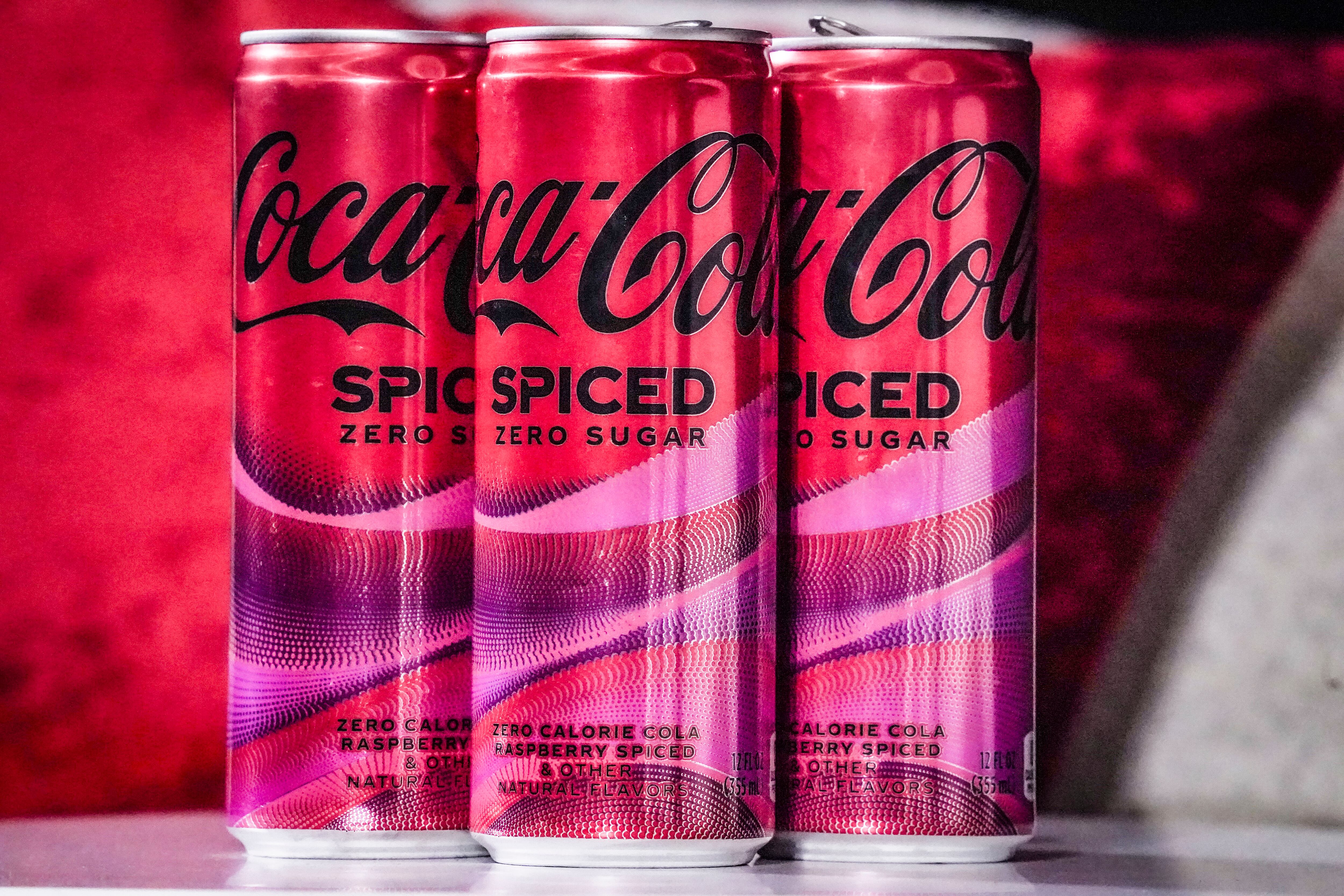
From Flamin’ Hot Cheetos to Sweet Heat Starburst, America’s snacks are getting spicier. Now, Coca-Cola wants in on the trend. The beverage giant introduced Coca-Cola Spiced, the first new permanent offering to its North American portfolio in three years.
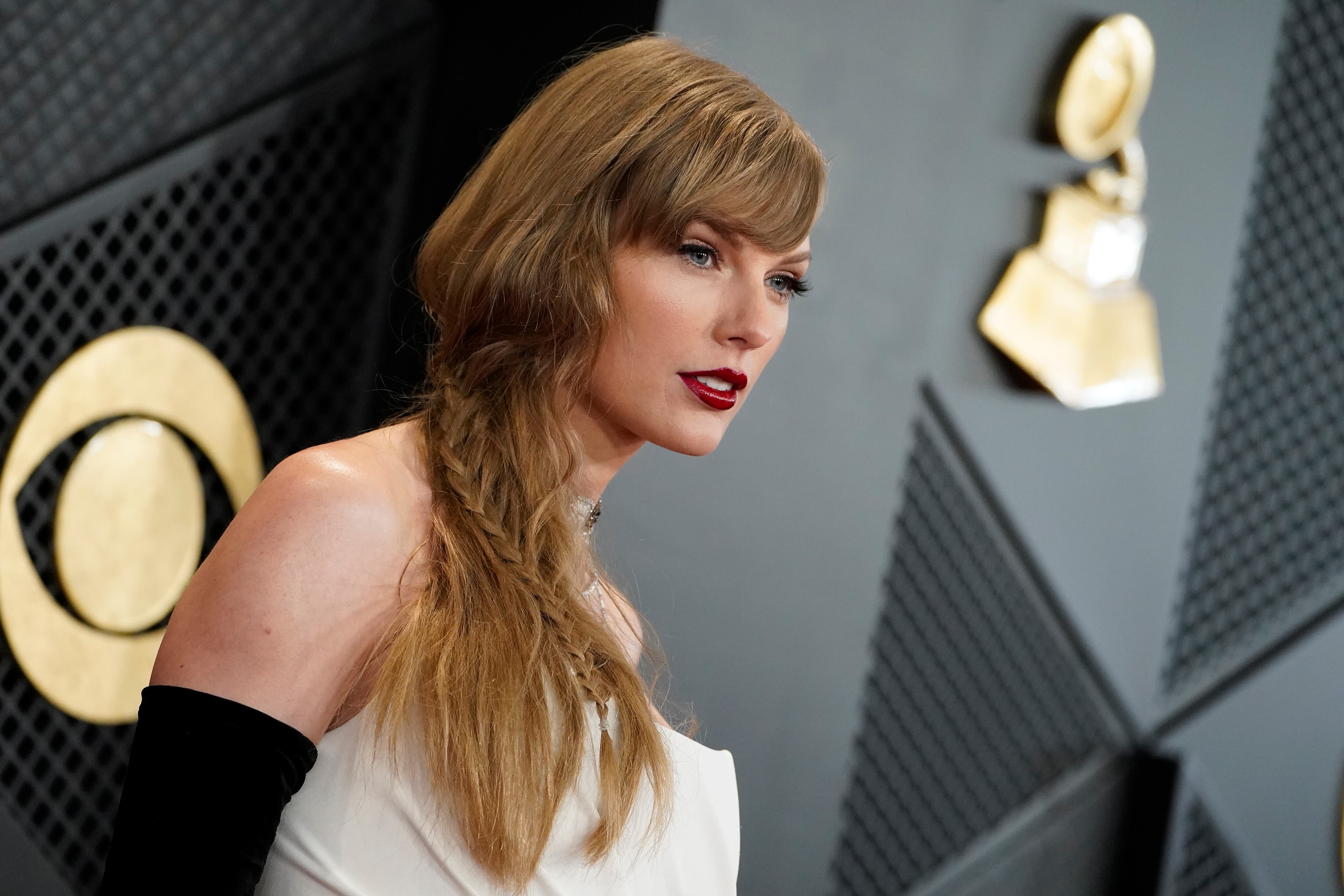
Taylor Swift’s camp is hitting Jack Sweeney, a junior at the University of Central Florida, with a cease-and-desist letter that blamed his automated tracking of her private jet for tipping off stalkers as to her location.