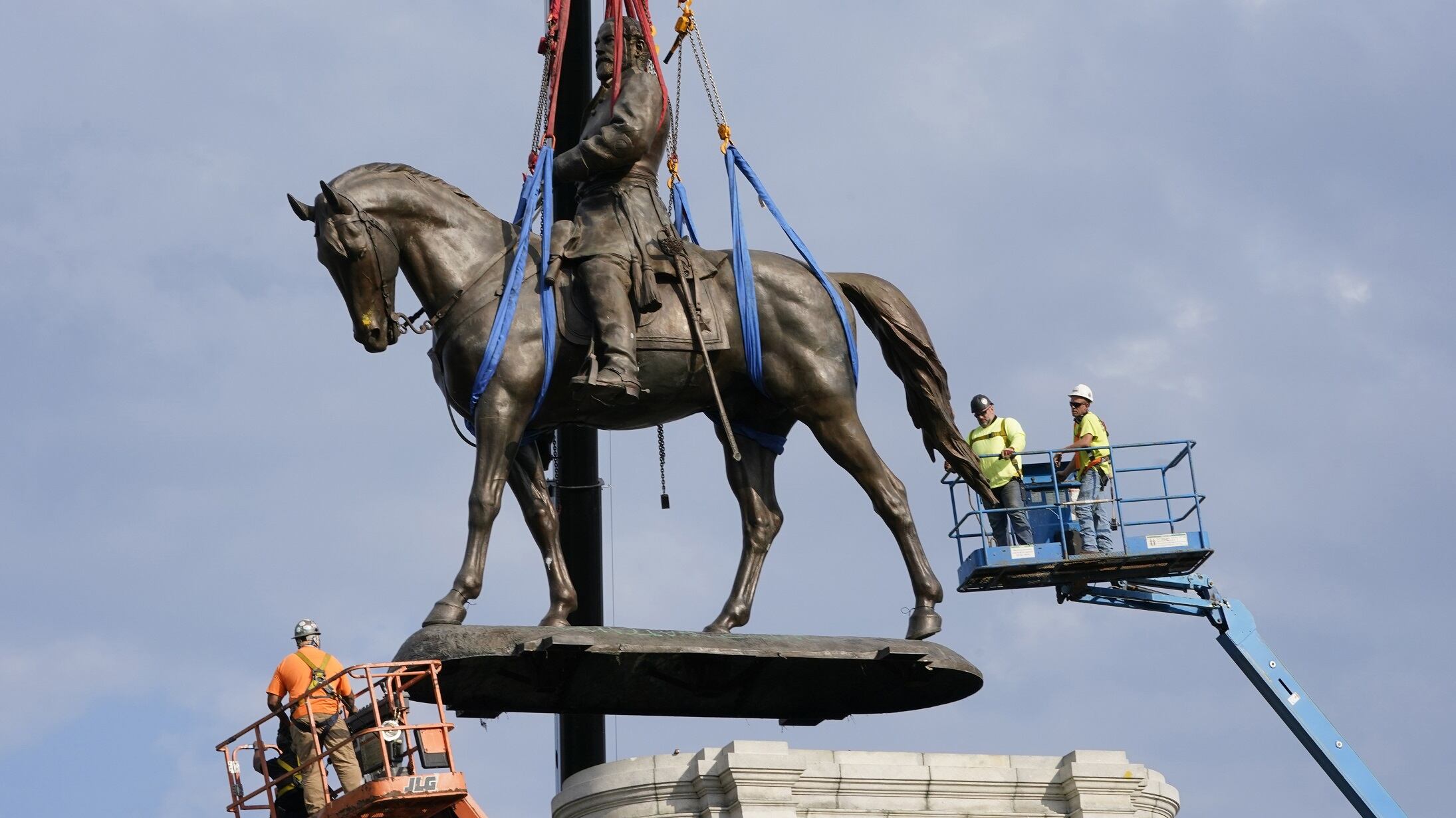
Crews remove one of the country's largest remaining monuments to the Confederacy, a towering statue of Confederate General Robert E. Lee on Monument Avenue in Richmond, Va., Wednesday, Sept. 8, 2021. The movement to identify and reckon with structural racism moved forward in 2021. As local and state governments grappled with the removal of statues of racist historical figures, local school boards fought over how to teach the uneasy history of racism in the United States. (AP Photo/Steve Helber, File)
By Sarah Rankin
Conservation experts in Virginia’s capital pulled books, money, ammunition, documents and other artifacts Tuesday from a long-sought-after time capsule found in the remnants of a pedestal that once held a statue of Confederate Gen. Robert E. Lee.
Over the course of about two hours, the team sliced open the 36-pound copper box and meticulously pried apart and documented the damp contents. The box had been tucked in a foundation cornerstone of the massive — and now mostly deconstructed — Richmond monument since 1887.
The time capsule had drawn substantial interest, both because it proved to be elusive during an earlier search and because historical records had led to some speculation it might contain a rare photo of President Abraham Lincoln after his death. Ultimately, such a photo was not found.
The conservation team was able to identify many of the items immediately as they were pulled from the box, though some materials were warped from water damage and required further study. Experts were on hand to triage the artifacts.
“They were more waterlogged than we had hoped but not as bad as it could have been," said Kate Ridgway, the lead conservator for the Virginia Department of Historic Resources.
The time capsule had been found a day earlier — buried and sitting in water — by workers wrapping up the removal of the Lee statue pedestal.
Virginia Gov. Ralph Northam ordered the enormous equestrian statue of Lee removed in 2020, amid the global protest movement sparked by the police killing of George Floyd. Litigation pushed back his plans, and the statue was not removed until September, after a court cleared the way.
Contemporaneous news accounts from the late 1800s detailed the placement of the box in the cornerstone of the pedestal, but a lengthy search during the statue removal came up empty.
Ridgway said the measurements and copper material of the box opened Tuesday matched historical accounts. As the contents inside were unpacked, they largely lined up with the items listed in a newspaper article from the time.
One tidbit in that newspaper article had led to some conjecture that the capsule might contain a historically significant photo of Lincoln. It listed among the contents a “picture of Lincoln lying in his coffin.”
On Tuesday, conservators found a printed image from an 1865 issue of Harper’s Weekly that they said seemed to show a figure grieving over Lincoln’s grave — but it was not the much-anticipated photo.
“It was not an original. It was perhaps taken from a photograph, but it is an engraving,” said Sue Donovan, conservator for special collections at the University of Virginia Library.
The contents of the tightly packed box had expanded from the dampness and stuck together, making unpacking difficult, so conservators decided to relieve pressure by cutting down one side.
“Not ideal, but it’s the way it is,” Ridgway said.
After Ridgway and other team members meticulously extracted each object, other conservators would cart the pieces to the back of the lab for further study and cataloging. The team made sure to photograph each object before manipulating it.
Along with several waterlogged books, pamphlets and newspapers, the box contained an envelope of Confederate money, which conservators carefully separated, and two carved artifacts — a Masonic symbol and a Confederate flag said to have be made from the tree that grew over Gen. Stonewall Jackson’s original grave.
Conservators also pulled buttons, coins and Minié balls, a type of bullet used in the Civil War, from the box. A bomb squad had checked the capsule Monday, partly to make sure there was no live ammunition inside.
Ridgway told reporters after the box had been emptied that there was some question about whether calling the vessel a time capsule was the most accurate terminology, as it did not appear to have a definitive date when it was expected to have been opened.
“A cornerstone box is probably more accurate,” she said.
No inscription could be seen on the box's interior or exterior, though Ridgway said it was possible that any such carving could have corroded away with time.
The Lee monument used to be part of a collection of Confederate statuary that dotted historic Monument Avenue in Richmond, which was capital of the Confederacy for most of the Civil War. The other Confederate statues, which were the property of the city, were removed last year.
AT&T announced earlier today it is spinning off its media properties in WarnerMedia in a merger with Discovery in a $43 billion deal.Scott Rostan, founder and CEO at Training The Street, joined Cheddar to talk about what the unwinding of the telecom giant's Time Warner media properties means for investors. "I think the investor sentiment is they're digesting the new information, and they're looking into the dividend, especially the reduction of the dividend," said Rostan, noting the transaction allows AT&T to focus on its core telecommunications business.
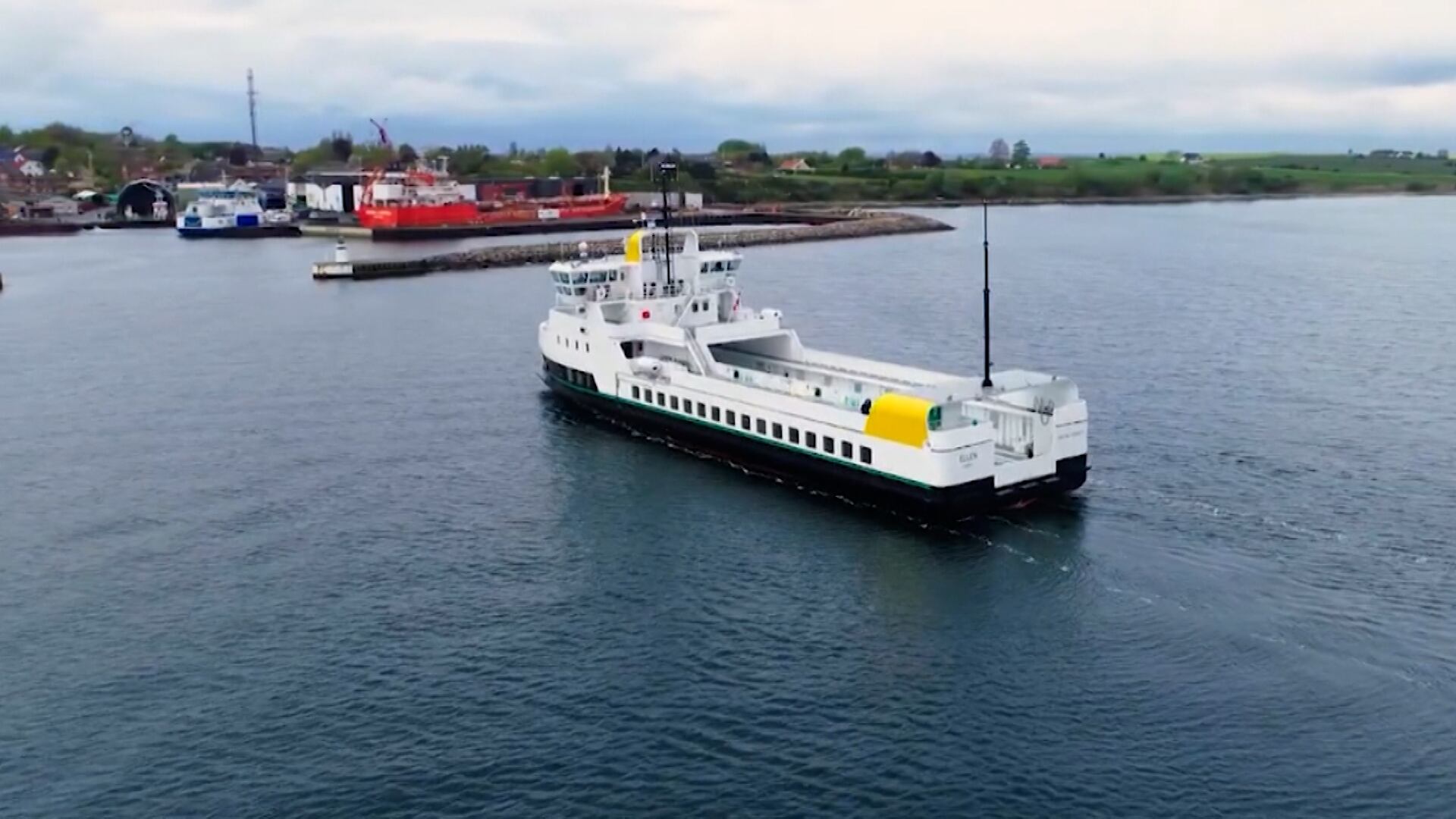
A 2021 report from UK Research and Innovation found that the shipping industry makes up at least 2.5 percent of the world's total CO2 emissions. It's a problem that energy solutions company, Leclanché, is trying to solve. Founded in 1909, the company has been developing and producing batteries for more than 100 years. Today, Leclanché's lithium-ion battery is used to electrify not just ships, but also railroad locomotives, trucks, and specialty vehicles. Cheddar News spoke with Pierre Blanc, chief technology and industrial officer of Leclanché, to discuss.
Amazon is betting that ammonia could be the fuel of the future, participating in a Series A round for the Brooklyn-based company Amogy in December. Amogy aims to de-carbonize transportation with a clean energy system that uses ammonia as a renewable fuel. Amogy is partnering with Amazon on its first commercial product - an ammonia-powered cargo-shipping vessel. Amogy CEO Seonghoon Woo joins Cheddar Climate to discuss.
One of the world's largest transport companies is kicking off Black History Month with a new initiative aimed at the next generation of business leaders. Today, FedEx announced the launch of its Student Ambassador Program. Participants selected from eight historically black colleges and universities will receive career guidance from FedEx executives. The program is part of FedEx's ongoing commitment to HBCUs and will also help the company expand its pipeline for diverse talent. Cheddar News welcomes senior vice president at FedEx, Jenny Robertson, and Jerryl Briggs, President of Mississippi Valley State University, to discuss.
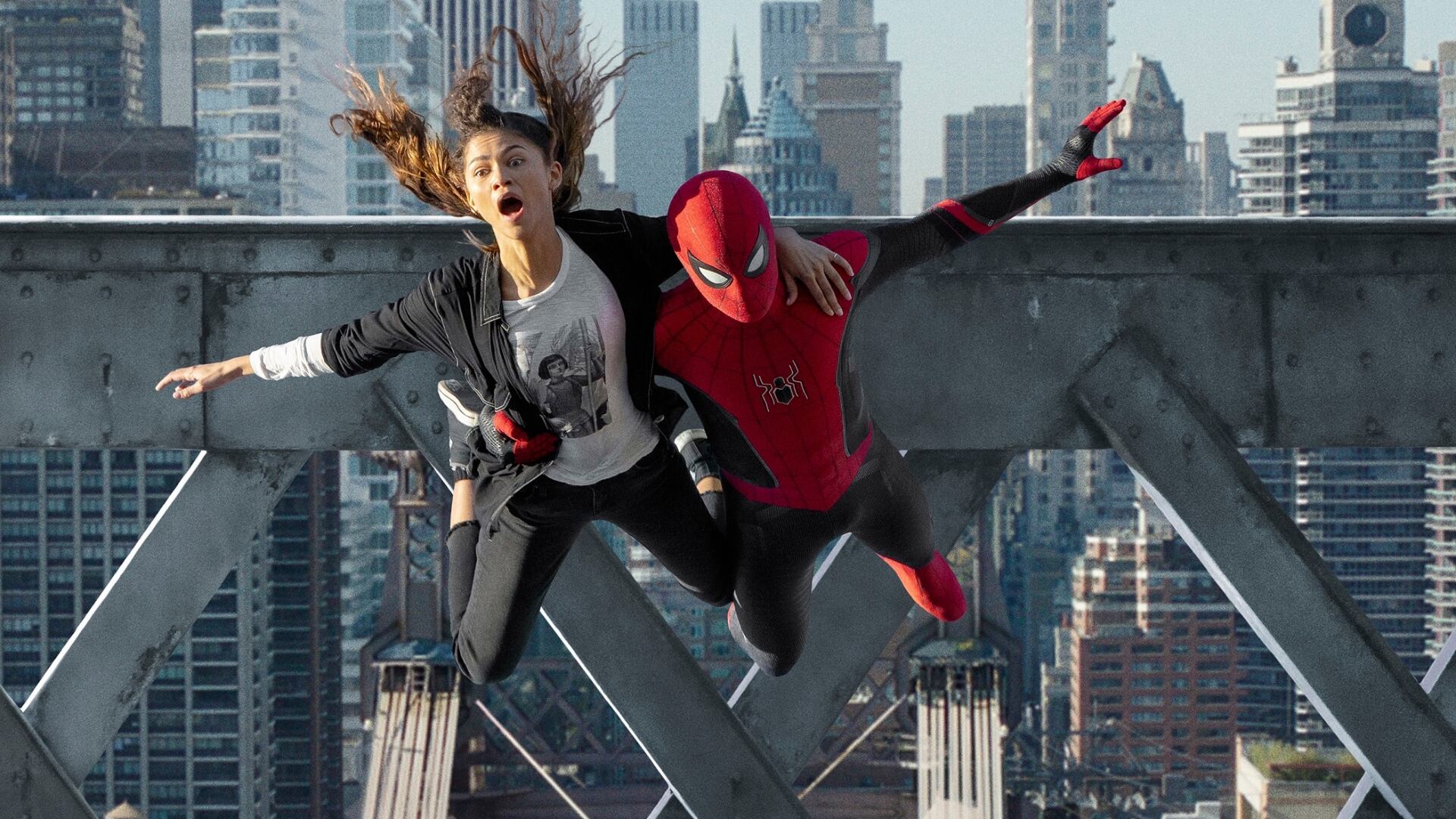
"Sing 2" has overthrown "Spider-Man: No Way Home" as the number one film at the UK box office. The animated sequel brought in $8.1 million, in just its two first weekends. However, "No Way Home" is still on track to beat "Avatar" as the number one grossing movie of all time.
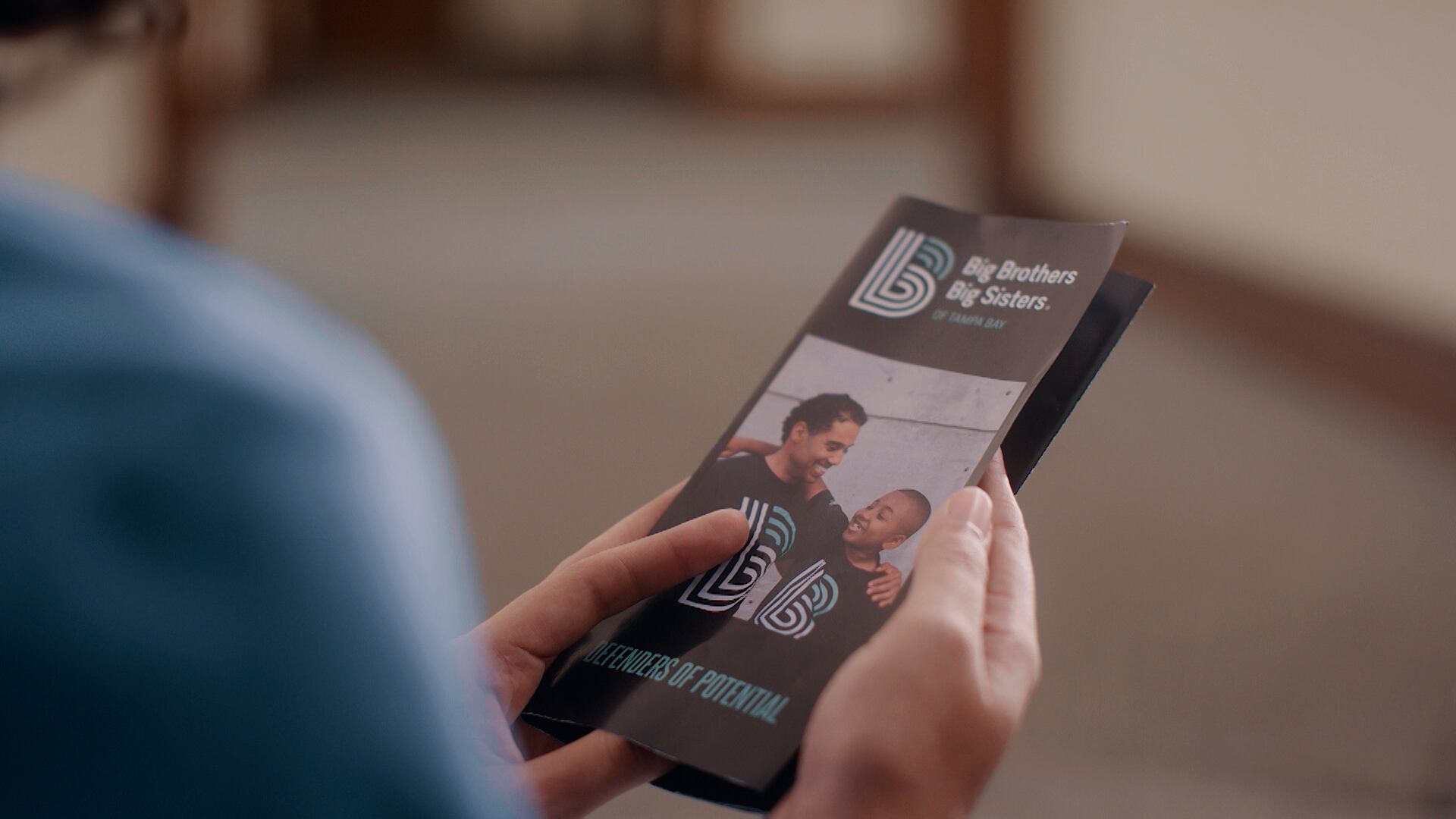
Big Brothers Big Sisters of America has been a driving force for youth mentorship since 1904. The nonprofit organization is launching its annual Big Draft campaign this month in partnership with the NFL, and Artis Stevens, the first Black CEO of Big Brothers Big Sisters of America, joined Cheddar to discuss the push for adding more "Bigs" as mentors on his one-year anniversary leading the non-profit organization. "While the NFL is recruiting and drafting more players, they're also helping us to draft more mentors and, particularly, men all the way from across February to all the way to April of this year," Stevens explained.
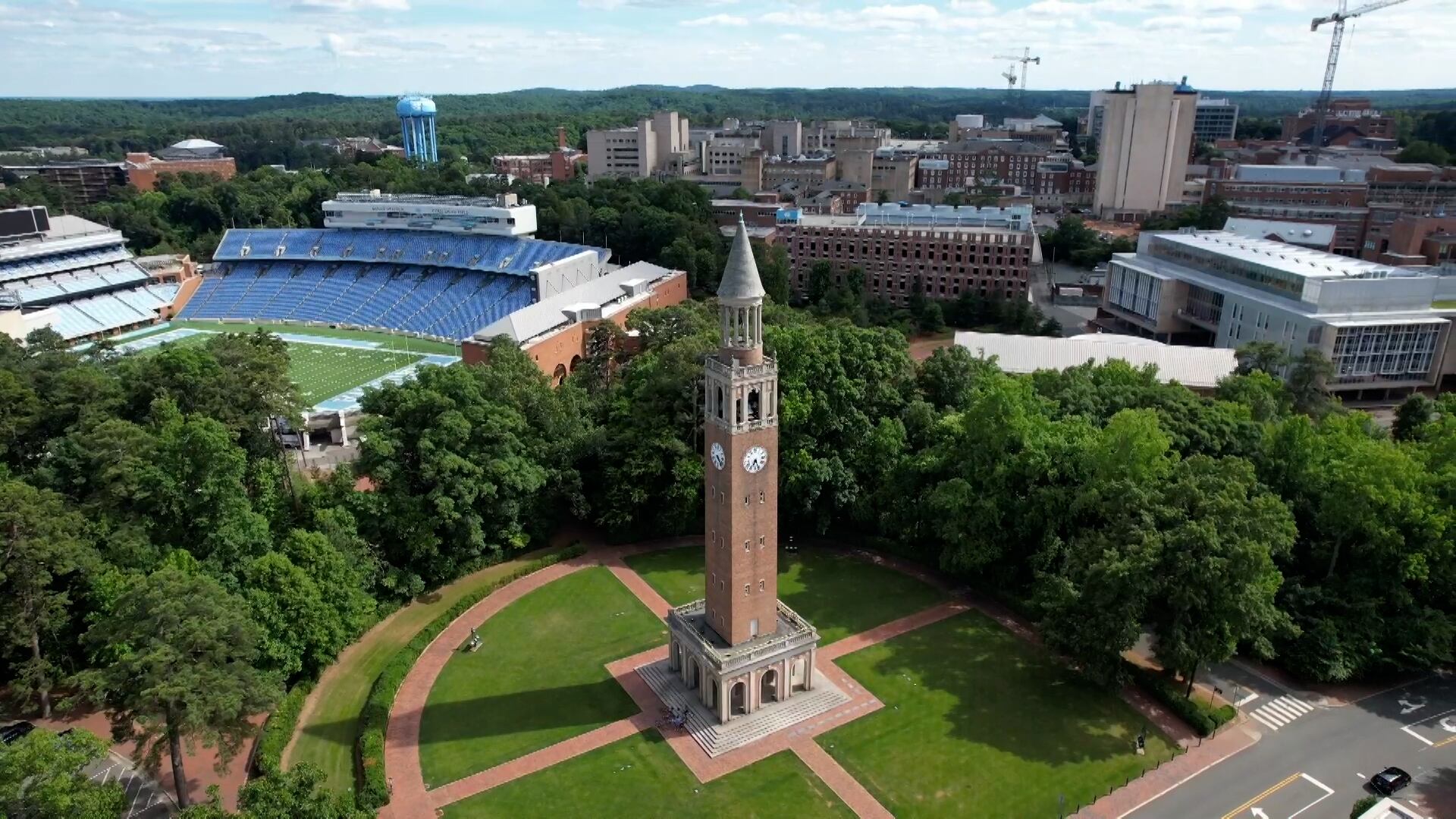
The Supreme Court will reconsider race-based affirmative action in college admissions. The court will examine admissions policies at Harvard University and The University of North Carolina Chapel Hill, which count the race of applicants as a factor in admissions. The court has upheld affirmative action policies in the past, saying it helps to create more diverse student bodies. However, the conservative Supreme Court could be skeptical and even possibly hostile to such policies. Nick Anderson, Higher Education Writer, Washington Post joined Cheddar's Opening Bell to discuss.
The value of most cryptocurrencies have plummeted in recent months since reaching all-time highs in November, wiping out more than $1 trillion in value globally. The steep crash has some talking about the possibility of a crypto winter, a term referring to a prolonged bearish period where asset prices persistently fall over many months. This all comes as the Fed is expected to raise interest rates, and the Biden administration is working on an executive order to regulate Bitcoin and other assets. Josh Goodbody, COO of Qredo, joined Cheddar's Opening Bell to discuss the crypto crash, and how the industry might recover from it.
Recent data reveals that streaming giants are struggling to retain subscribers in the months following a major release.
According to data from Antenna, subscriber trends show that users will subscribe to a given streaming service just to watch a particular show, and then cancel those subscriptions shortly after. This comes as the streaming space continues to heat up as new entrants crowd the space. Jon Christian, Founding Partner + Digital Supply Chain Leader at OnPrem joined Cheddar's Opening Bell to discuss.