By Jonathan Mattise
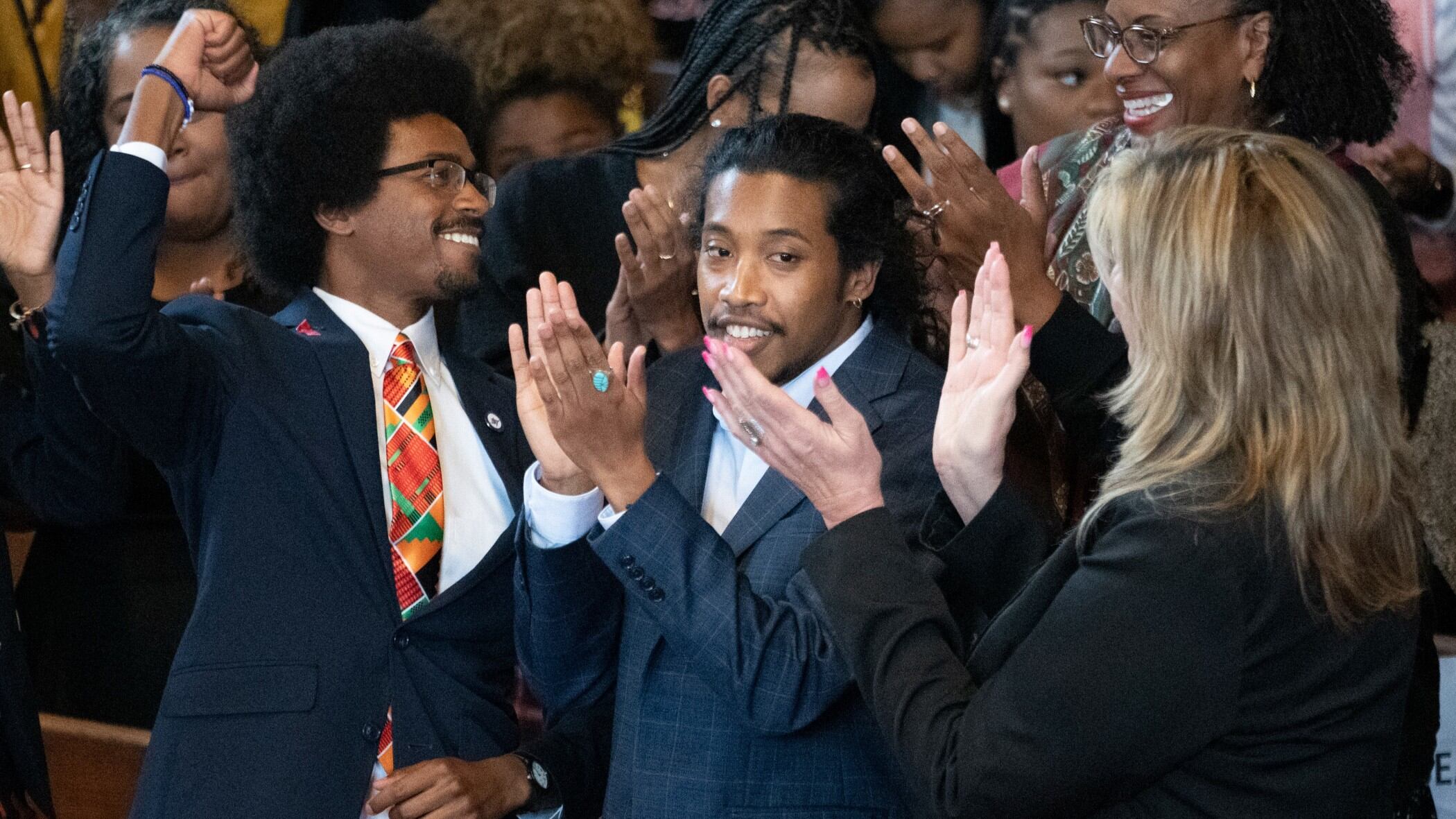
Two former Black Democratic lawmakers who were expelled by Republican colleagues in Tennessee say they want to be reappointed, then elected back to their seats, following their ouster for a protest on the House floor urging passage of gun-control measures in the wake of a deadly school shooting.
Nashville's metro council is likely to reappoint Justin Jones to the seat during a specially called Monday meeting. The Shelby County Commission plans to announce soon when it will meet to fill the vacancy left by Justin Pearson's expulsion. Likewise, commissioners can reinstall Pearson, who is from Memphis.
Both former lawmakers told NBC's Meet the Press that they want to return to their positions as lawmakers. Special elections for the seats, which have yet to be set, will follow in the coming months.
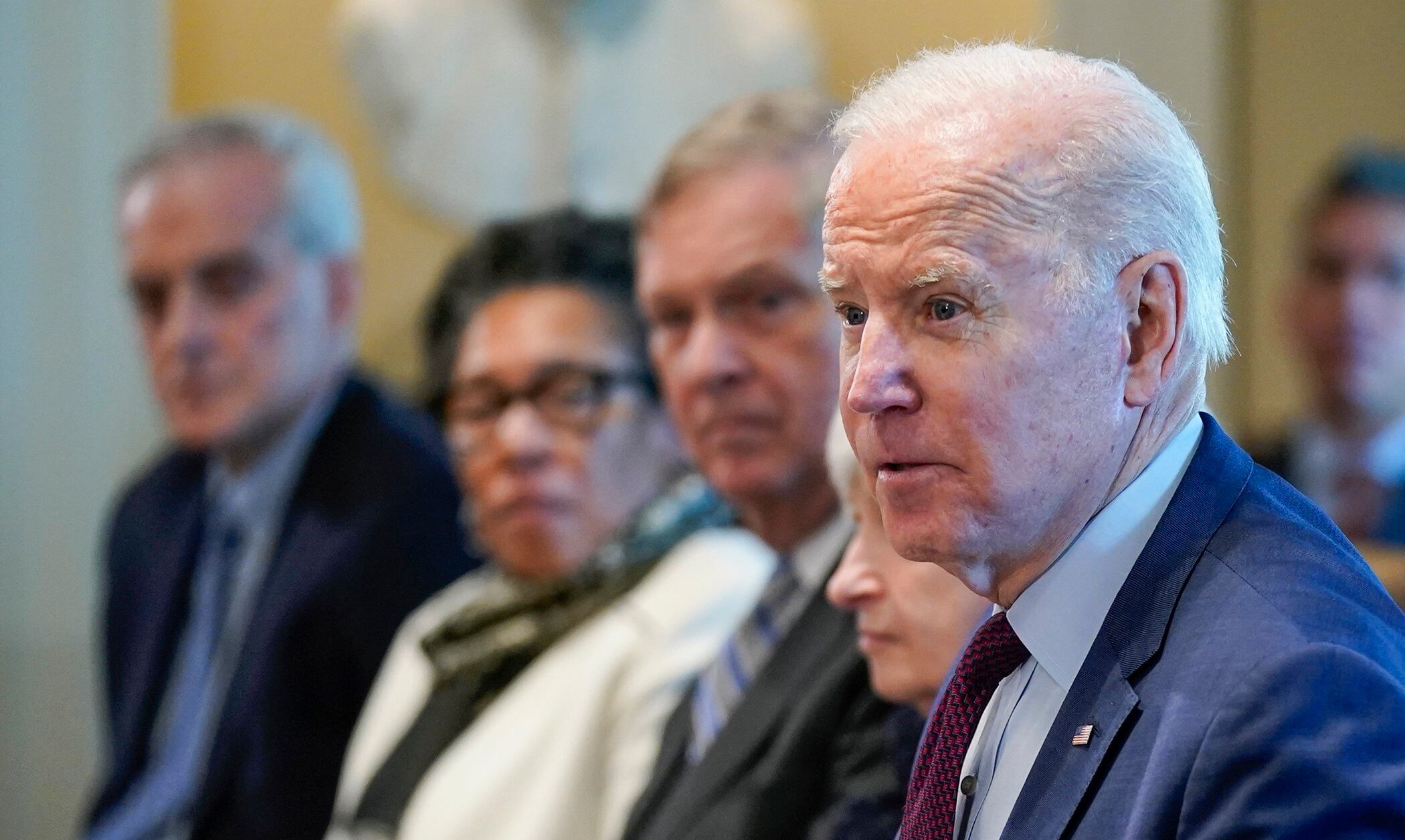
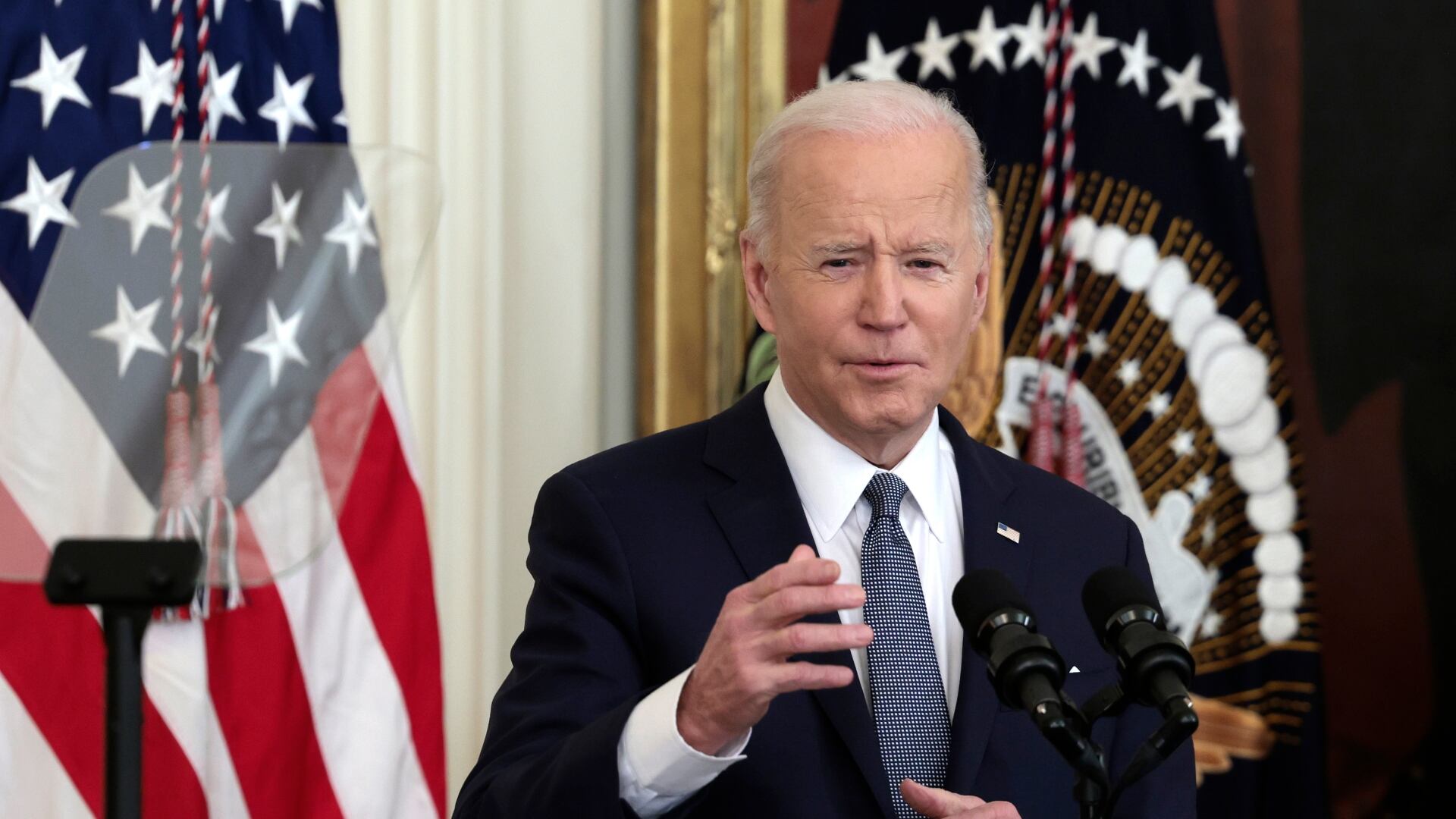
The expulsions have made Tennessee a new front in the battle for the future of American democracy. The former lawmakers have quickly drawn prominent supporters. President Joe Biden spoke with them and Vice President Kamala Harris visited them in Nashville.
“You know, we will continue to fight for our constituents," Jones said. "And one thing I just want to say ... is that this attack against us is hurting all people in our state. You know, even though it is disproportionately impacting Black and Brown communities, this is hurting poor white people. Their attack on democracy hurts all of us.”
In separate votes on Thursday, the GOP supermajority expelled Jones and Pearson, a move leaving about 140,000 voters in primarily Black districts in Nashville and Memphis with no representation in the House.
Pearson and Jones were expelled in retaliation for their role in the protest the week before, which unfolded in the aftermath of a school shooting in Nashville that killed six people, including three young students.
A third Democrat, Rep. Gloria Johnson of Knoxville, was spared expulsion by a one-vote margin. Johnson is white, spurring outcry at the differing outcomes for the two young, Black lawmakers. Republican lawmakers who split their votes have cited Johnson's points on the floor that her role in the protest was lesser — she didn't speak into the megaphone, for example.
Johnson has also suggested race was likely a factor on why Jones and Pearson were ousted but not her, telling reporters it “might have to do with the color of our skin.”
Republican House Speaker Cameron Sexton said that's a “false narrative.”
“It's unfortunate, she's trying to put political racism in this, which there was nothing on this,” Sexton told Fox News on Friday.
GOP leaders said the expulsion actions — used only a handful times since the Civil War — were necessary to avoid setting a precedent that lawmakers’ disruptions of House proceedings through protest would be tolerated.
Pearson said the statehouse has been a “toxic work environment." He noted the scrutiny he received for wearing a black dashiki — a tunic-like garment that originated in west Africa — for session, rather than a suit and tie.
“It’s about us not belonging in the institution because they are afraid of the changes that are happening in our society, and the voices that are being elevated,” Pearson said on Meet the Press.