Bitcoin prices plunged on Friday, and the CME briefly halted trading on the cryptocurrency’s newly-launched futures in the morning.
But one executive at the exchange says he’s “agnostic” to what the price is doing.
“Whether the talk is about the price of Bitcoin, or the enthusiasm of Bitcoin, those are all great things that make for interesting chatter and interesting topics of conversation,” Tim McCourt, Global Head of Equities and Alternative Investments at the CME, said. “But as an exchange operator we want to make sure that our customers have what they need to manage their risk, to access the process, and do so efficiently in a transparent manner. And that really isn’t necessarily a function of price, or any type of hype that’s going on in the underlying market.”
McCourt joined Cheddar the day after the world’s largest futures exchange started offering the contracts. The launch over the weekend came when Bitcoin prices were approaching $20,000. But by Friday, the digital asset was trading about 40 percent lower around $12,500.
And it wasn’t the only cryptocurrency falling. Crypto news and data resource Coindesk notes that 20 different options were down more than 20 percent over a 24-hour period on Friday. Some experts say that more exchanges getting into the sector will introduce more volatility.
For full interview [click here](https://cheddar.com/videos/cme-group-launches-bitcoin-futures-2).
Jeff Burnstein, President of the Association for Advancing Automation (A3), discusses humanoid robots, AI, smart manufacturing, and the future of U.S. industry.
Should kids be banned from social media? Nick Lichtenberg of Fortune breaks down the global push to restrict under-16 users and what it means for Big Tech.
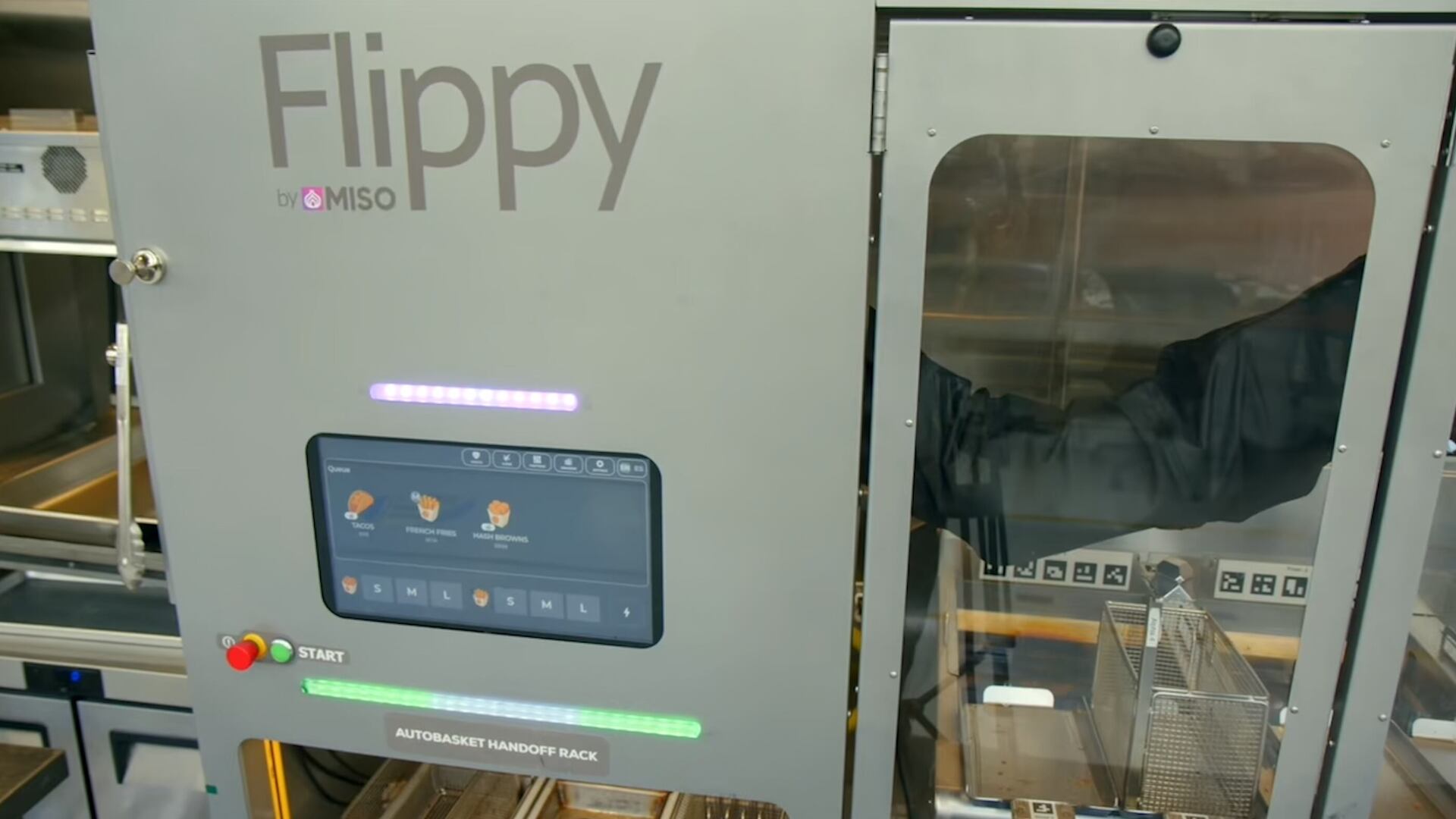
Miso Robotics CEO Rich Hull discusses Flippy Fry Station, the future of AI-powered restaurant automation and how acquiring Zume's IP could reshape food robotics
After two years of AI-fueled spending, Wall Street is asking what's next. Gil Luria breaks down monetization, valuations, winners, losers, and AI's future.
FIFA’s soccer World Cup promises to deliver $11.1 billion in spending and $30.5 billion economic impact for the U.S., but how much is it really helping?