Following a spike in the number of reported coronavirus cases and deaths, the World Health Organization Thursday pointed to a change in reporting, rather than a sudden acceleration of infections. But for many, it strengthened the concern that nobody really knows how widespread the illness is, and there appears to be no good way to figure it out.

The coronavirus illness (COVID-19), which began in Wuhan, China, a city home to 11 million people virtually quarantined in an effort to contain the virus, still continues to spread, but the WHO said the severity of the outbreak has been hard for experts to pinpoint. The Chinese government has faced accusations that it was slow to confirm the crisis and changed the method of reporting diagnoses. There also remains the potential of an "iceberg" of unknown and unconfirmed cases.

Yesterday, news out of China appeared rosy — infection rates seemed to be down and WHO experts said the death rate was likely to slow as well. But, before the end of the day, officials reported more than 14,840 new cases in Hubei Province and 242 new deaths.

That brought the total number of cases to 48,206 and deaths to 1,310, representing the largest one-day increase recorded since the outbreak's start.

However, the stark rise appeared largely due to a change in reporting methods. The coronavirus disease has been difficult to diagnose, both because the current tests risk transmission to medical workers and those tests had to be sent to labs for confirmation. Health workers also have been overwhelmed by the sheer number of people showing symptoms and have struggled to keep up with the influx of cases.

Now, officials in Hubei province will diagnose clinical cases, instead of waiting for a lab test, by using lung scans on those presenting symptoms consistent with the virus.

Medical professionals have expressed concern over the iceberg — shorthand for the possibility that more cases lie below the surface, hidden from view, and inhibiting scientists' ability to determine the full extent of the outbreak. China, racing to keep the outbreak at bay, also replaced the Community Party secretary of Hubei Province, the highest-ranking official to lose his job, which added to the confusion and frustration. When the outbreak first popped up, Wuhan's leadership was criticized for taking too long to sound the alarm.

After explaining the sudden spike in reported infections to reporters Thursday, Dr. Oliver Morgan of the WHO said public health officials need to better understand how much transmission is occurring within communities. He said the "question mark is how much is happening outside what we see."

The virus has proven to spread rapidly and through unclear means of transmission. In London, experts are concerned the subway system may be a hotbed for the virus after a woman's illness was confirmed. In Hong Kong, people living 10 floors apart in a building may have spread the virus to one another through pipes. In China, 33 cases apparently showed some connection to a department store.

"The idea that this iceberg is absolutely massive" is based on modeling and assumptions, although the possibility that the number of undetected cases is small is just as valid, said Morgan.

Accurate reporting and informed predictions about the future spread of communicable diseases is important for health experts to be able to mount effective responses. On Wednesday, WHO Director-General Dr. Tedros Adhanom Ghebreyesus emphasized how important it is to aid nations with weaker health systems.

"Our greatest fear remains the damage this coronavirus could do in a country like the DRC," he said, regarding the ongoing Ebola public health emergency in the Democratic Republic of Congo.

Morgan said the newly reported cases, as he understands it, "relates to a period going back over days and weeks," and that it "does not represent a significant change in the trajectory of the outbreak," citing the less-than 500 cases and two deaths outside China.

He also noted that the "thematic areas," of those whose cases turn fatal, remain largely the same — individuals over 40 remain at higher risk, a risk he said increases with each decade after that.

That said, it is not clear if a recent jump in the number of deaths are from the revised past numbers or represent new fatalities. Morgan said the WHO is "not 100 percent sure about those deaths," but that it is thought "some of those deaths refer to the clinically confirmed cases."

Outside of China, the U.S. Centers for Disease Control and Prevention confirmed a 15th case in the U.S., after a snafu in diagnosis over the weekend. Japan also recorded its first death, a woman who lived near Tokyo and is the third fatality apart from mainland China. A quarantined ship outside of Yokohama port in Japan also confirmed 44 additional cases.

Speeding up the diagnosis process may help the international community get a better sense of the situation in China, but the current test neither rules out cases of non-coronavirus pneumonia or provides a sense of how to move forward with medication.

"Knowing which drug works would be a magical gift right now," Morgan said.

Share:
More In Culture
Plant-Based Way to Quit Smoking; Innovation in Stroke Therapy
On this episode of Cheddar Innovates: CEO of Achieve Life Sciences discusses a new plant-based compound that's being used to fight nicotine addiction; President & CEO OF DiaMedica Therapeutics explains a new ischemic stroke treatment option that expands the window for effective therapy for stroke patients; Cheddar gets a look at Curiosity Stream's 'Asteroid Rush.'
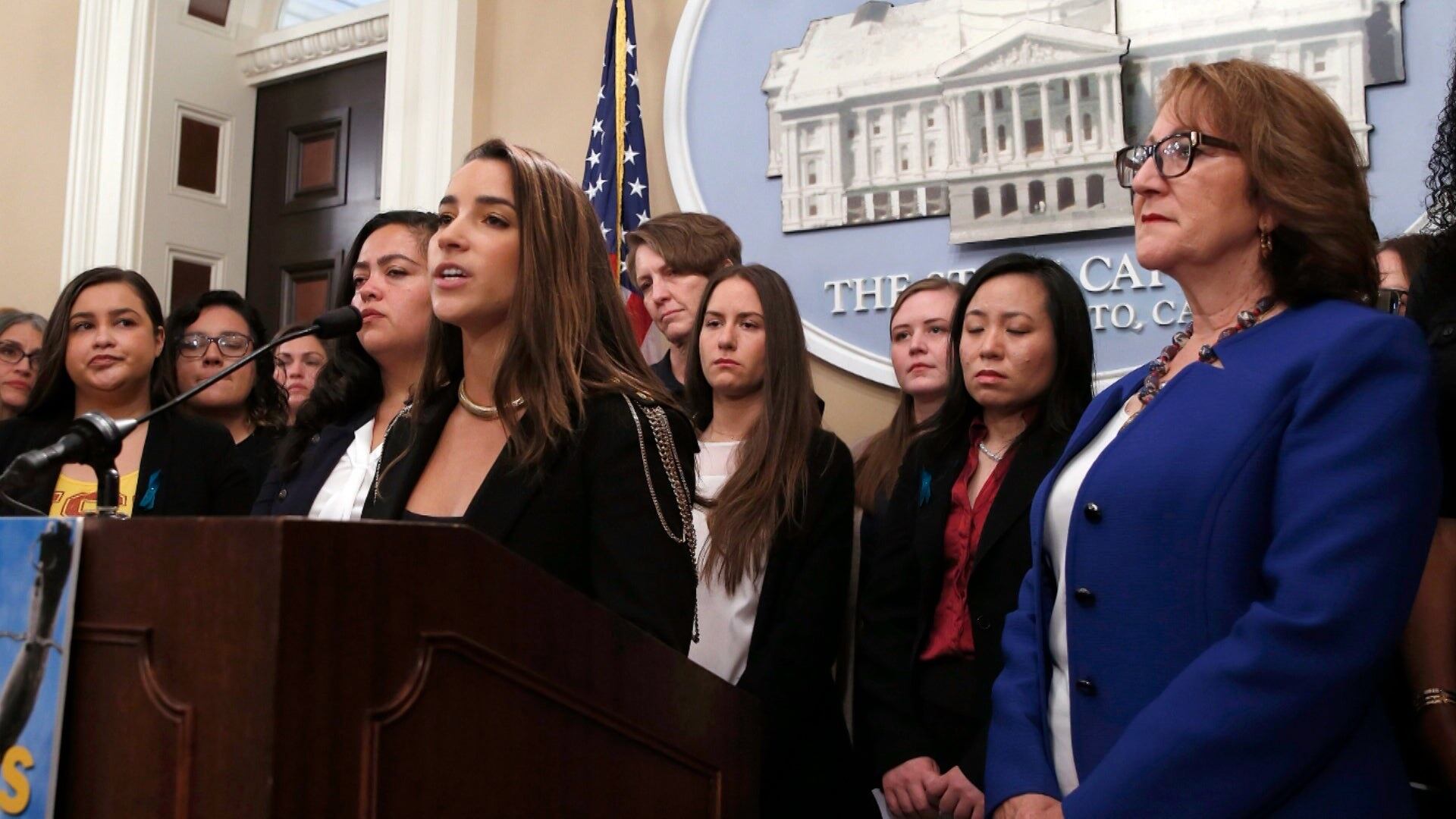
Pressure to Settle $1 Billion Claim From Nassar Survivors Against FBI
Survivors of Larry Nassar, including Olympian Simone Biles, are seeking $1 billion in damages from the FBI due to its failure to investigate the former gymnastics team doctor convicted of committing years of serial sexual abuse of minors. Jack Queen, a senior reporter at Law360, joined Cheddar News to break down the legal grounds of this case. "This is one of the biggest black eyes that the Bureau has faced in generations, quite frankly, and the FBI has taken full responsibility and admitted that it completely botched this investigation," he said. "So, there's a lot of pressure to settle."
Elevate Prize Foundation Wants to Create 'Fanbase for Good' With $10K Awards
The Elevate Prize Foundation is donating $10,000 to different grassroots organizations based on a theme every month to help scale their work, focusing on a different theme each time. Upcoming prizes will help uplift an organization supporting the LGBTQ community and one mobilizing to help end gun violence. The foundation's CEO Carolina Garcia Jayaram joined Cheddar to discuss the initiative and why it's important to uplift these grassroots organizations. "We are identifying social entrepreneurs around the world to help them scale their work. but the ultimate purpose of that is to create the first-ever fanbase for good," she said. "We're trying to make good famous and by inspiring people to think about the role they can play in doing good in the world."
Stephanie Shojaee on Paving the Way for Women in Real Estate
With real estate being a largely male-dominated industry, Stephanie Shojaee, vice president and chief marketing officer at development company Shoma Group, joined Cheddar News to discuss how she took on the gender gap for women to achieve leadership roles, starting at her own company. “It's been very important to teach all the women that work here, especially the younger ones, that they shouldn't change themselves," she said. "You need to be happy with who you are and just keep breaking barriers."
Hot summer could lead to rolling blackouts
We are already starting to feel the effects of summer. Heat waves in Texas and California are already sending temperatures soaring. That could spell trouble for the nation's power supply. there are new concerns about outages in many areas of the country. Cheddar's Shannon Lanier explains the two main causes of blackouts, and what states are doing to keep the lights on and the air conditioning running.
U.S. traffic deaths hit 16 year high
If you have been on the road this past year, you've probably seen more accidents on the road than you ever have. You're not wrong. Traffic fatalities are not only increasing they are hitting historic highs. Almost 43,000 people died in motor vehicle accidents in 2021. Cheddar's Shannon Lanier investigates - and finds out why.
U.S. Stocks Closed at Session Highs Tuesday
U.S. stocks close Tuesday at session highs after a subpar start to the trading day. Tim Chubb, Chief Investment Officer at the wealth advisory firm, Girard, joins Cheddar News' Closing Bell to discuss. 'We're starting to see the moderation of three core things -- we've seen the moderation of prices, we've seen the moderation of wage growth we've seen in the labor market, and we've also seen a moderation of job openings,' he says.
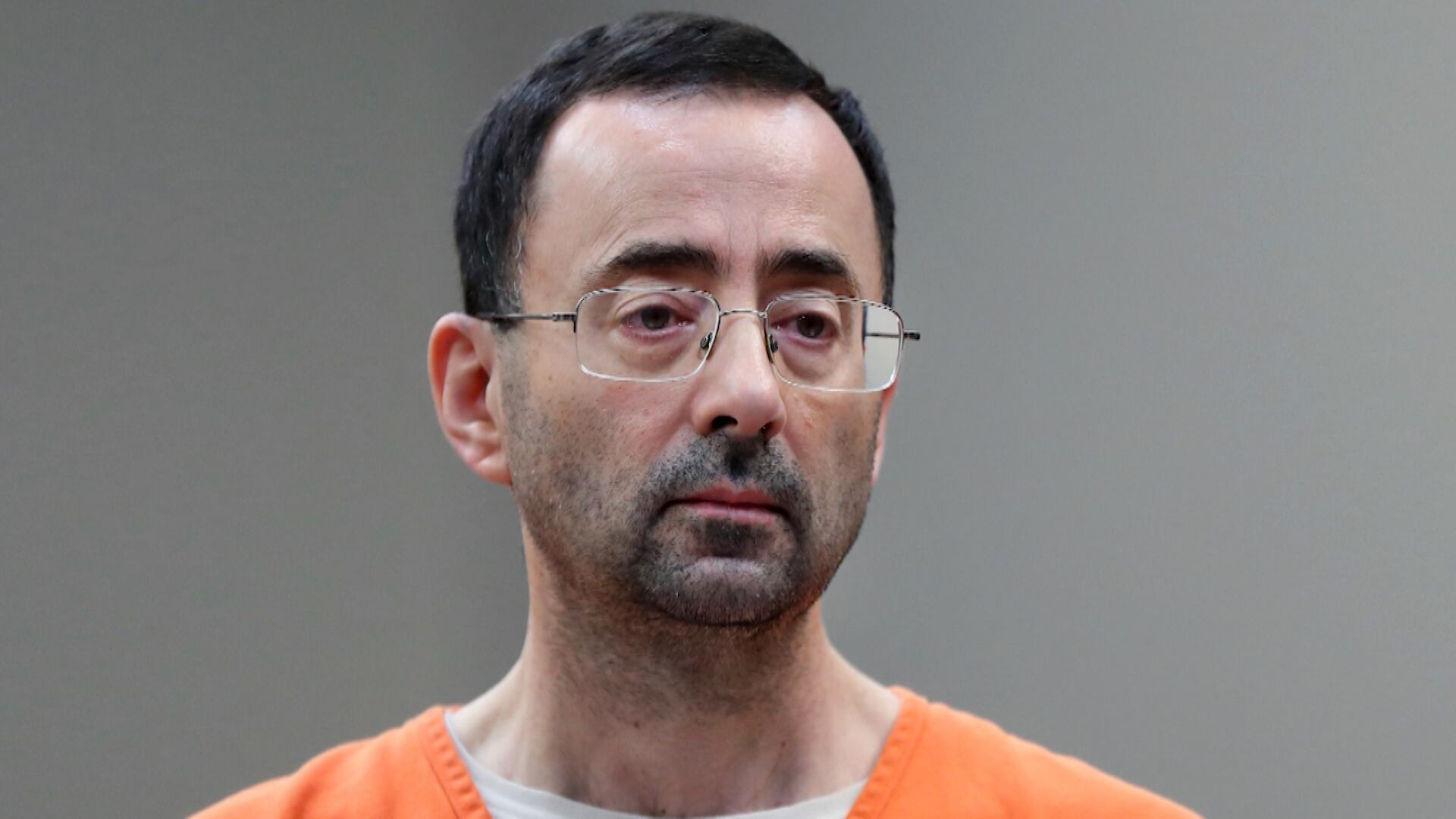
Gymnasts Seek $1 Billion From FBI Over Larry Nassar Case
The victims from the USA gymnastics sexual abuse scandal continue to seek justice. Survivors of Larry Nassar are seeking more than one-billion dollars from the FBI for failing to stop the convicted sports doctor when the agency first received allegations. According to a report released by the Justice Department's Inspector General, FBI agents knew in July of 2015 that Nassar was accused of abusing gymnasts; however, Nassar wasn't arrested until December of 2016. The group that filed the claim includes Olympic medalist Simone Biles and around 90 other women. Louise Radnofsky, sports reporter at The Wall Street Journal, joins Cheddar News' Closing Bell to discuss.
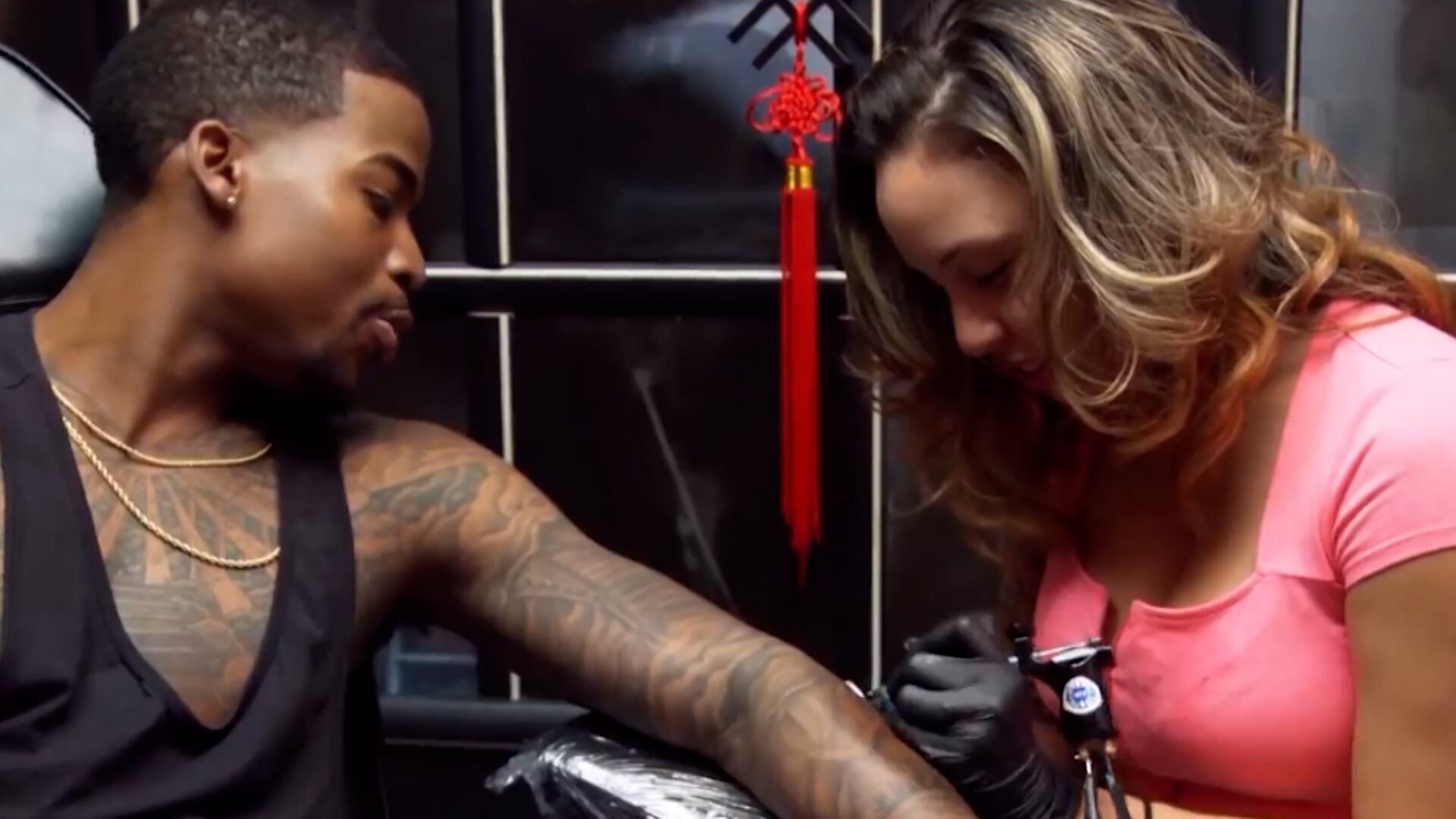
Kat Tat on Becoming 'Elite' Black Woman Tattoo Artist in Unwelcoming Industry
Tattoo artist Katrina "Kat Tat" Jackson, famous for starring in the VH1 hit series "Black Ink Crew: Chicago," is also the first Black woman to own a tattoo shop in Beverly Hills. She joined Cheddar News to discuss her trailblazing work, the stigma BIPOC tattoo artists face in the industry, and the way the space has changed for artists of color since her start. "In the beginning, I remember walking into a tattoo shop just like, hey, I wanna learn, I wanna be a tattoo artist and kind of just being laughed at, not taken seriously," she said. "Even with the tattoo conventions, a lot of African American tattoo artists were almost scared to go to conventions because it's not a welcoming environment."
Load More