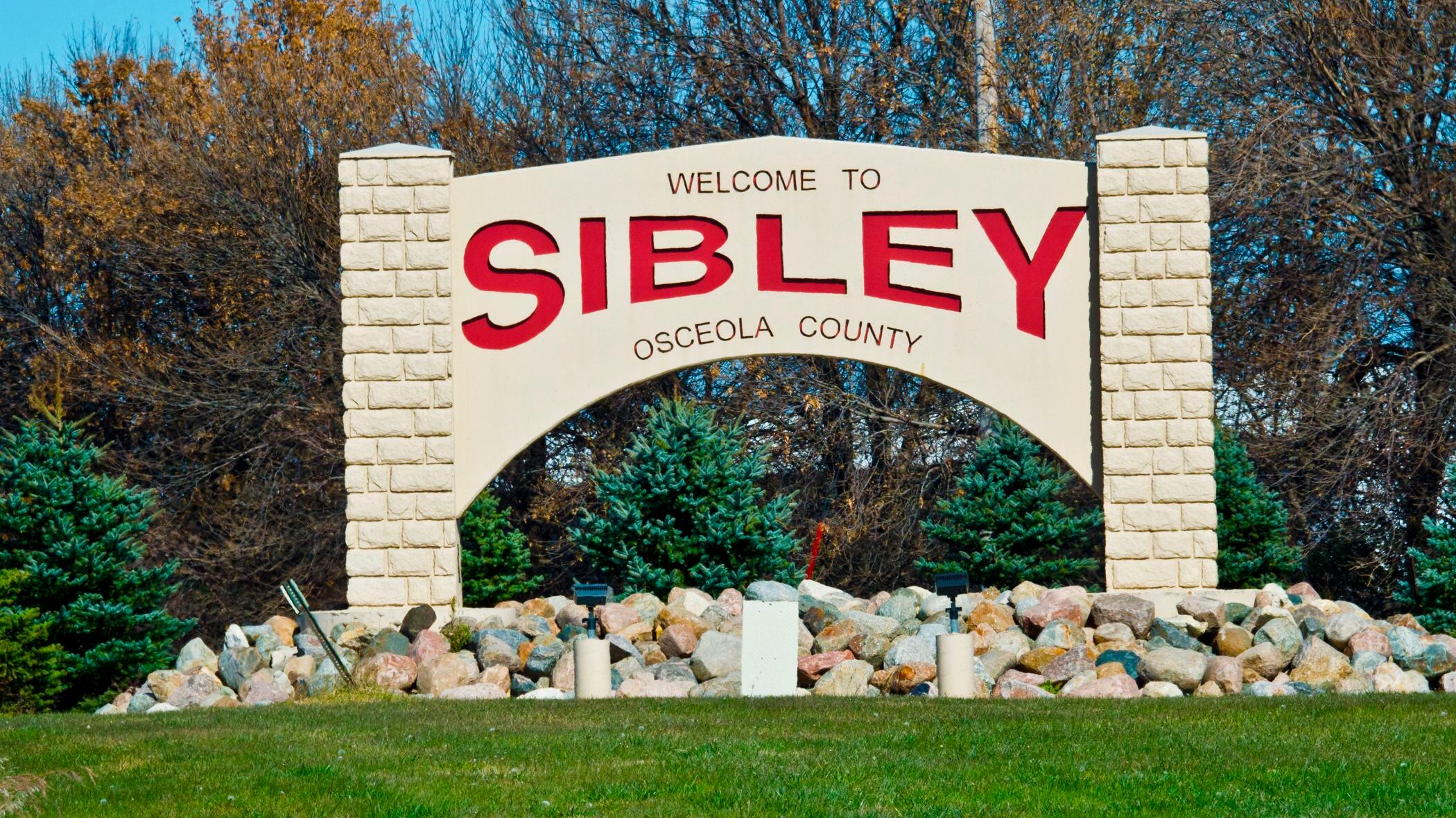
An evacuation order remained in place Monday for part of a northwest Iowa town as firefighters worked to extinguish a burning train after a weekend derailment.
About 47 cars derailed Sunday afternoon near Sibley, including several cars that were carrying hazardous materials. The resulting fire created a thick plume of black smoke but no injuries were reported.
Sibley is a town of about 3,000 people roughly 200 miles (322 kilometers) northwest of Des Moines. The west end of the town was evacuated after the derailment.
Union Pacific spokeswoman Robynn Tysver said the railroad's hazardous materials experts worked with first responders through the night to contain the blaze.
Tysver said several cars involved in the derailment were carrying hydrochloric acid, potassium hydroxide and asphalt. An empty tank car on the train had been carrying liquid ammonia nitrate.
The railroad said the cause of the derailment remains under investigation, but witnesses reported that a bridge had collapsed underneath the train.
Robin Eggink told the Des Moines Register that she and her husband noticed the train slowing down followed by a big cloud of smoke as they were eating at a Pizza Hut outside of Sibley on Sunday. The family drove near the site of the smoke and saw the train split in two on both sides of a bridge that had collapsed before firefighters ordered them out of the area, Eggink said.
From Wall Street to Silicon Valley, these are the top stories that moved markets and had investors, business leaders, and entrepreneurs talking this week on Cheddar.
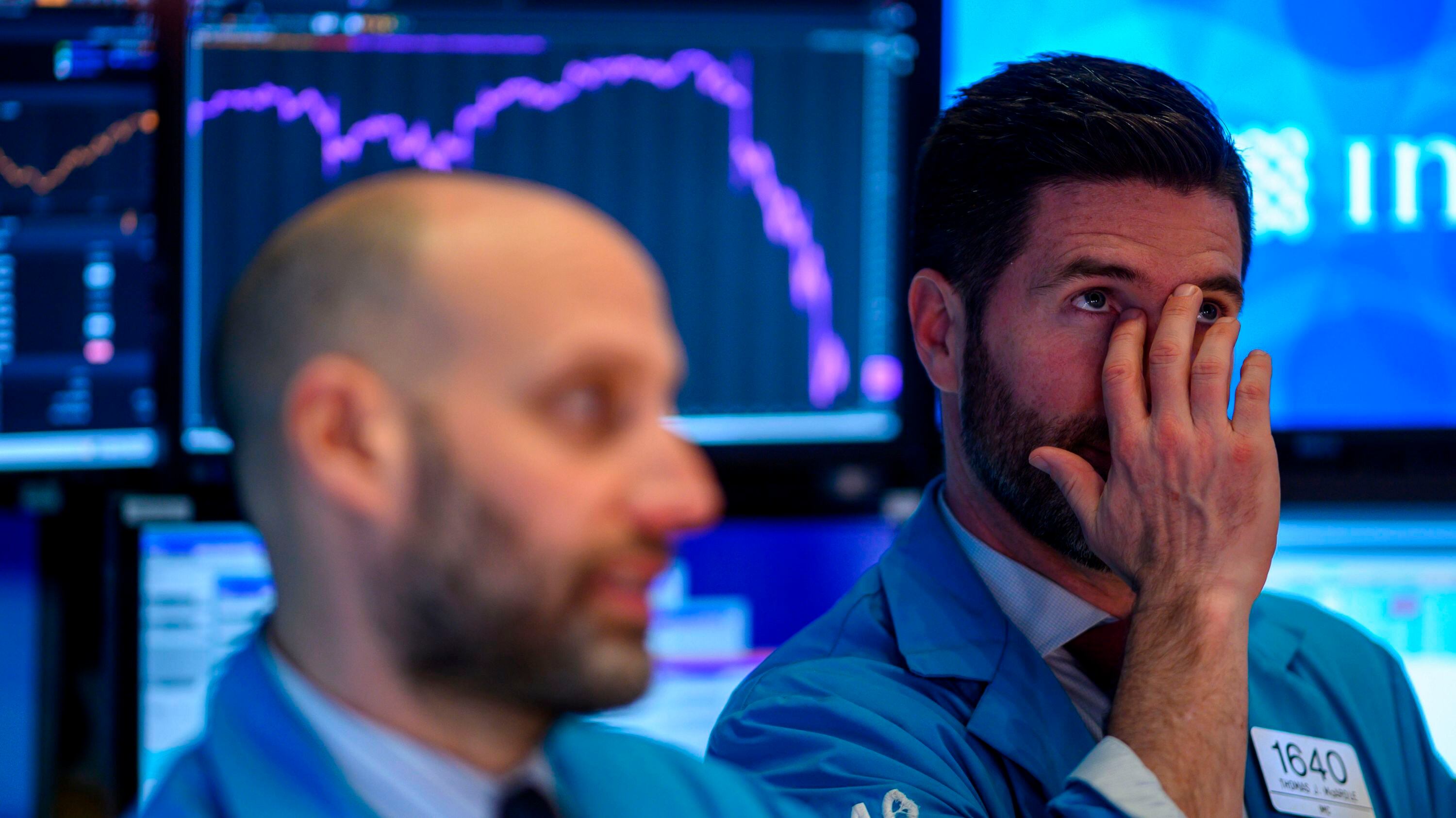
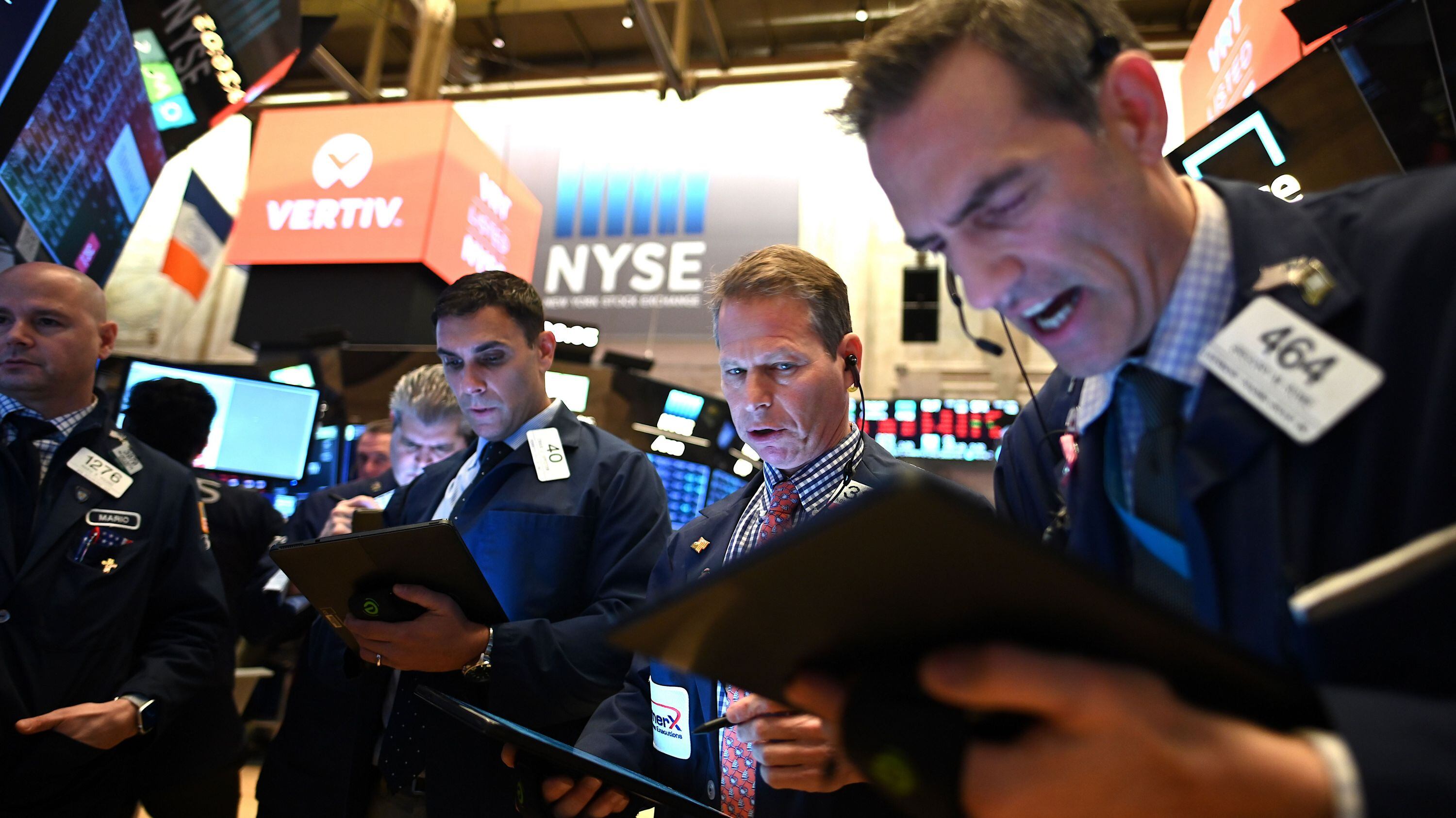
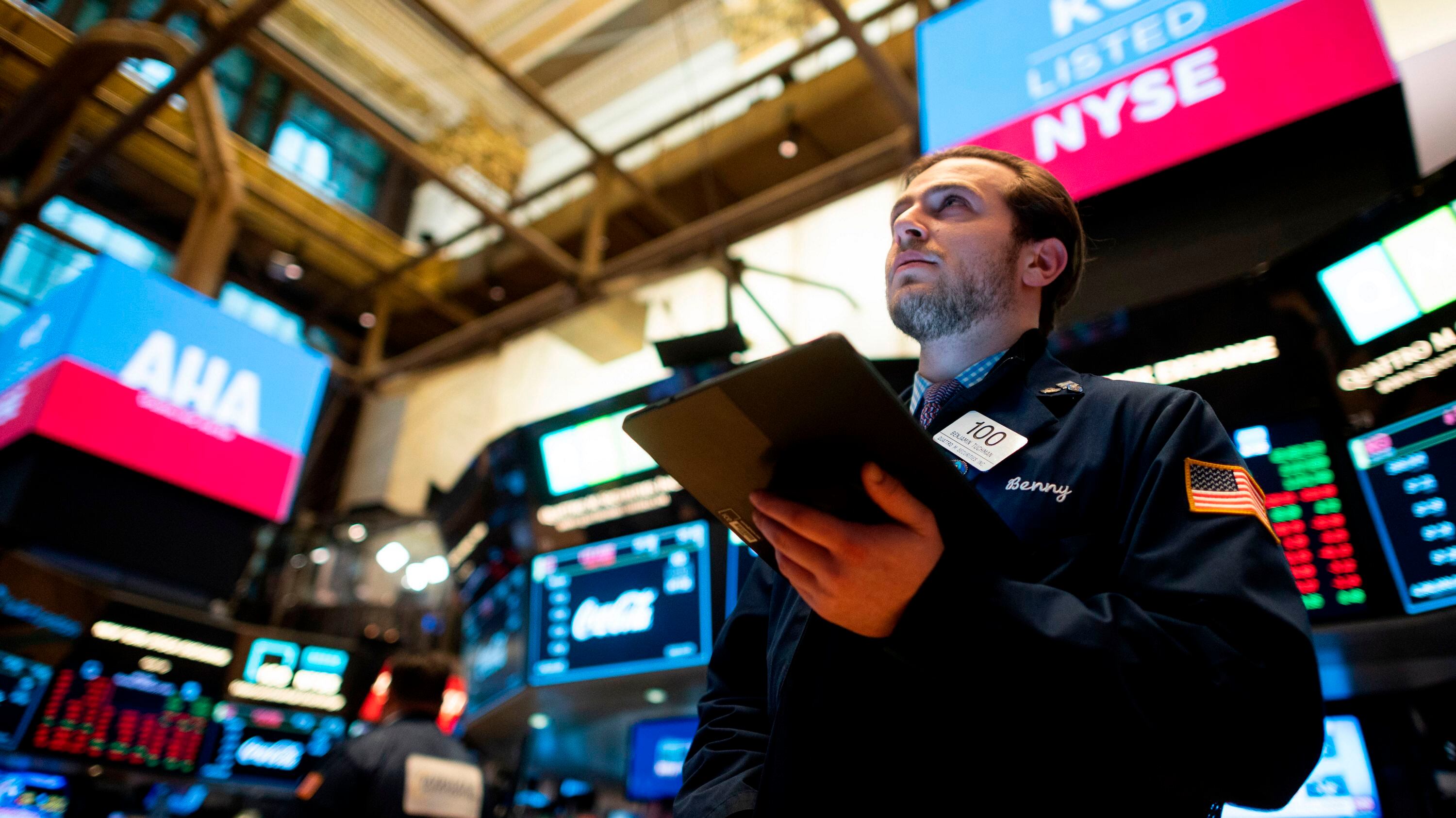
Stocks sank again after another wild day, extending a rout that left the market with its worst week since October 2008. Major indexes clawed back much of their intraday losses in the last 15 minutes. Bond prices soared as investors sought safety, pushing yields to record lows.
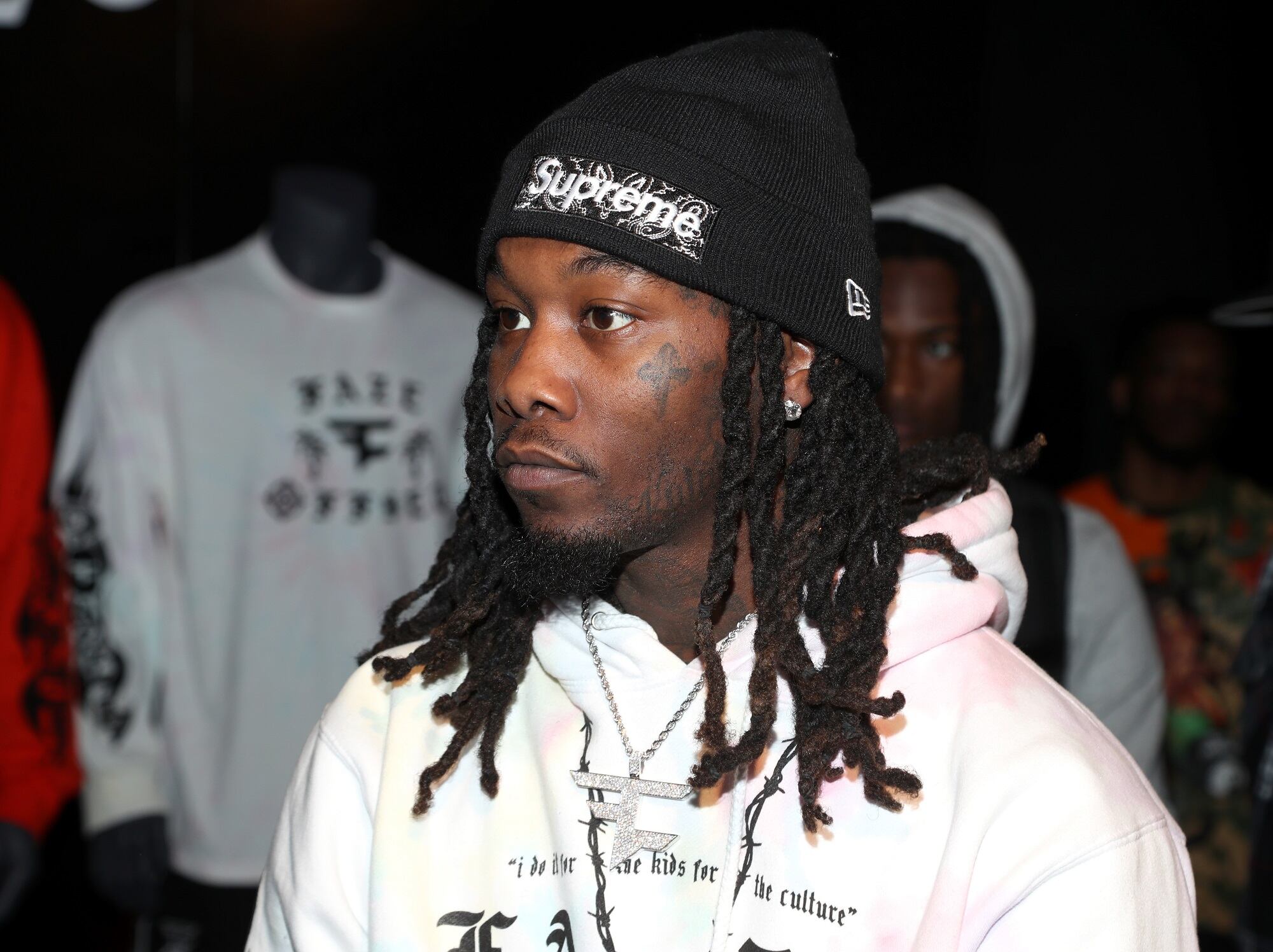
Rapper Offset talked to Cheddar about providing opportunities and building community through his partnership with esport organization FaZe Clan.
Sonia Cargan, chief inclusion and diversity officer at American Express talked to Cheddar about the company's Ambition Project program.
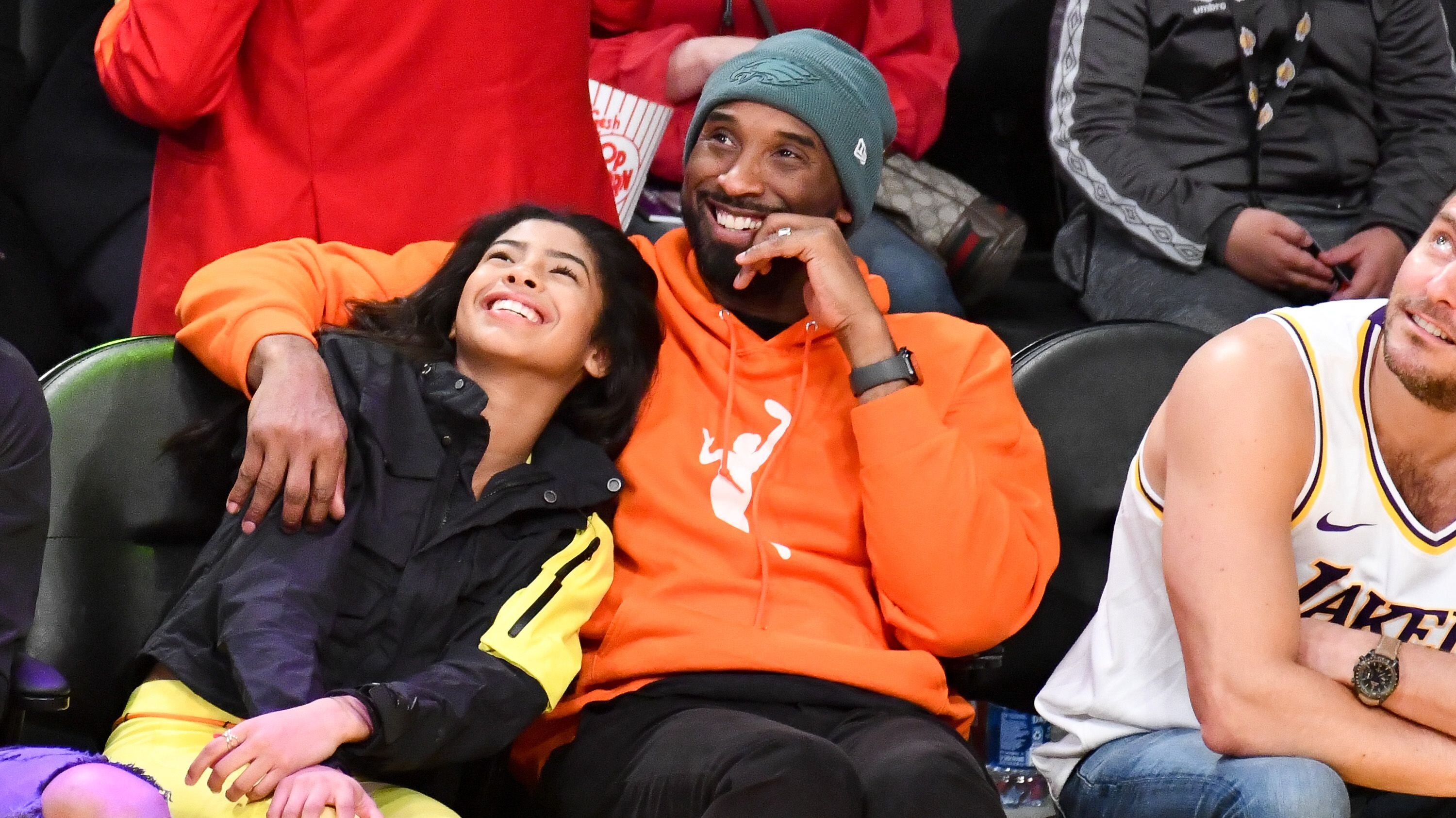
Authorities are investigating whether deputies shared graphic photos of the helicopter crash scene where Kobe Bryant, his 13-year-old daughter, and seven others were killed, according to a newspaper report.
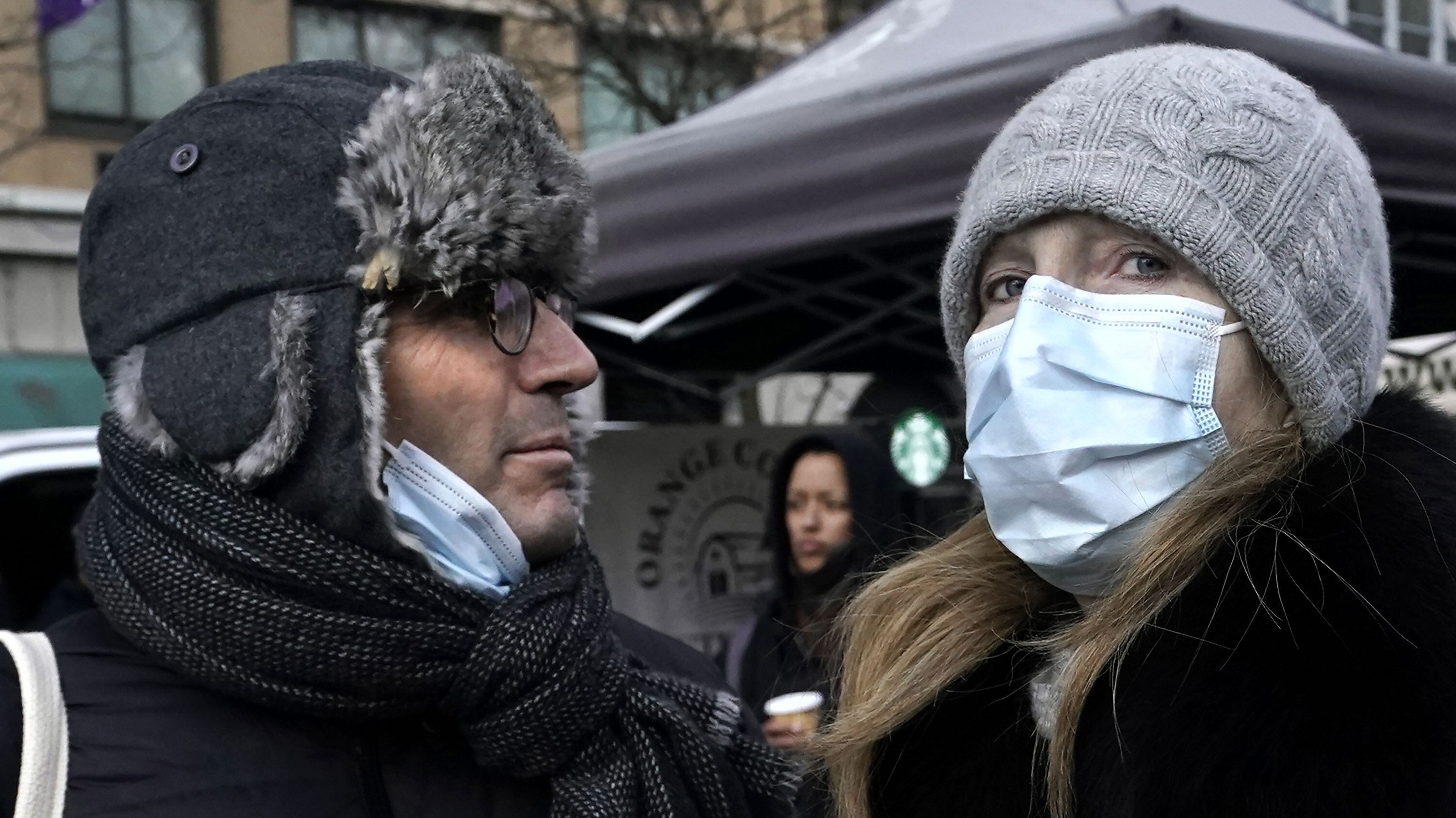
The World Health Organization raised its threat assessment Friday saying the global risk of the novel COVID-19 is now "very high," the director-general told reporters, even as the White House continues to downplay the potential impact of the coronavirus in the U.S.
The weeklong rout in markets is being driven by fears that the spreading coronavirus will derail the global economy.
The report from China Beige Book, an economic forecasting firm that surveyed more than 1,400 companies, shows an economy reeling from shutdowns and quarantines.
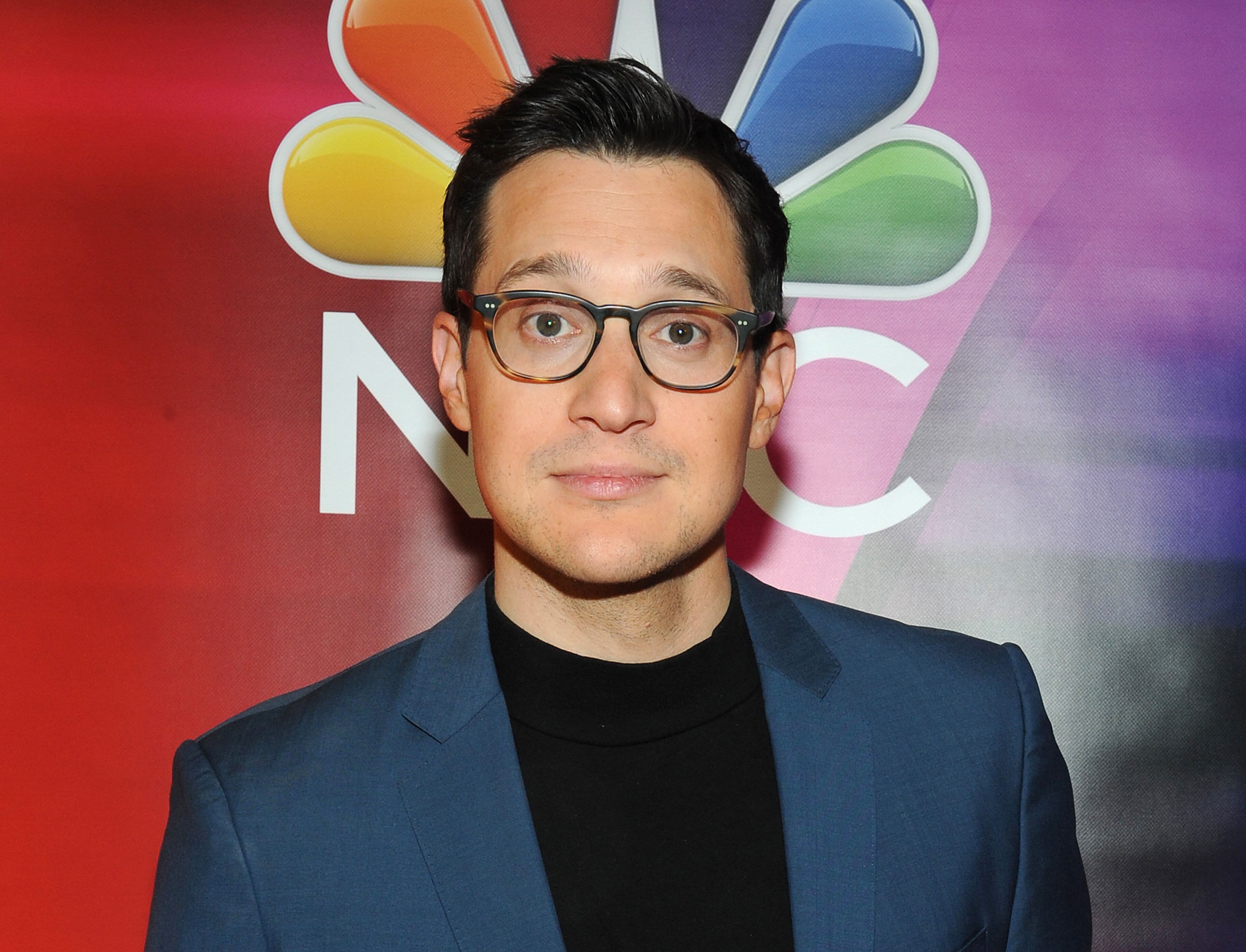
When Dan Levy moved out of his parents’ house, he didn’t expect them to end up under his roof--but he decided it would make good TV. The comedian and screenwriter joins Cheddar to talk about how his family inspired his new show, ‘Indebted.’
The Dow Jones Industrial Average sank nearly 1,200 points Thursday, deepening a weeklong global market rout caused by worries that the coronavirus outbreak will wreak havoc on the global economy.