An evacuation order remained in place Monday for part of a northwest Iowa town as firefighters worked to extinguish a burning train after a weekend derailment.
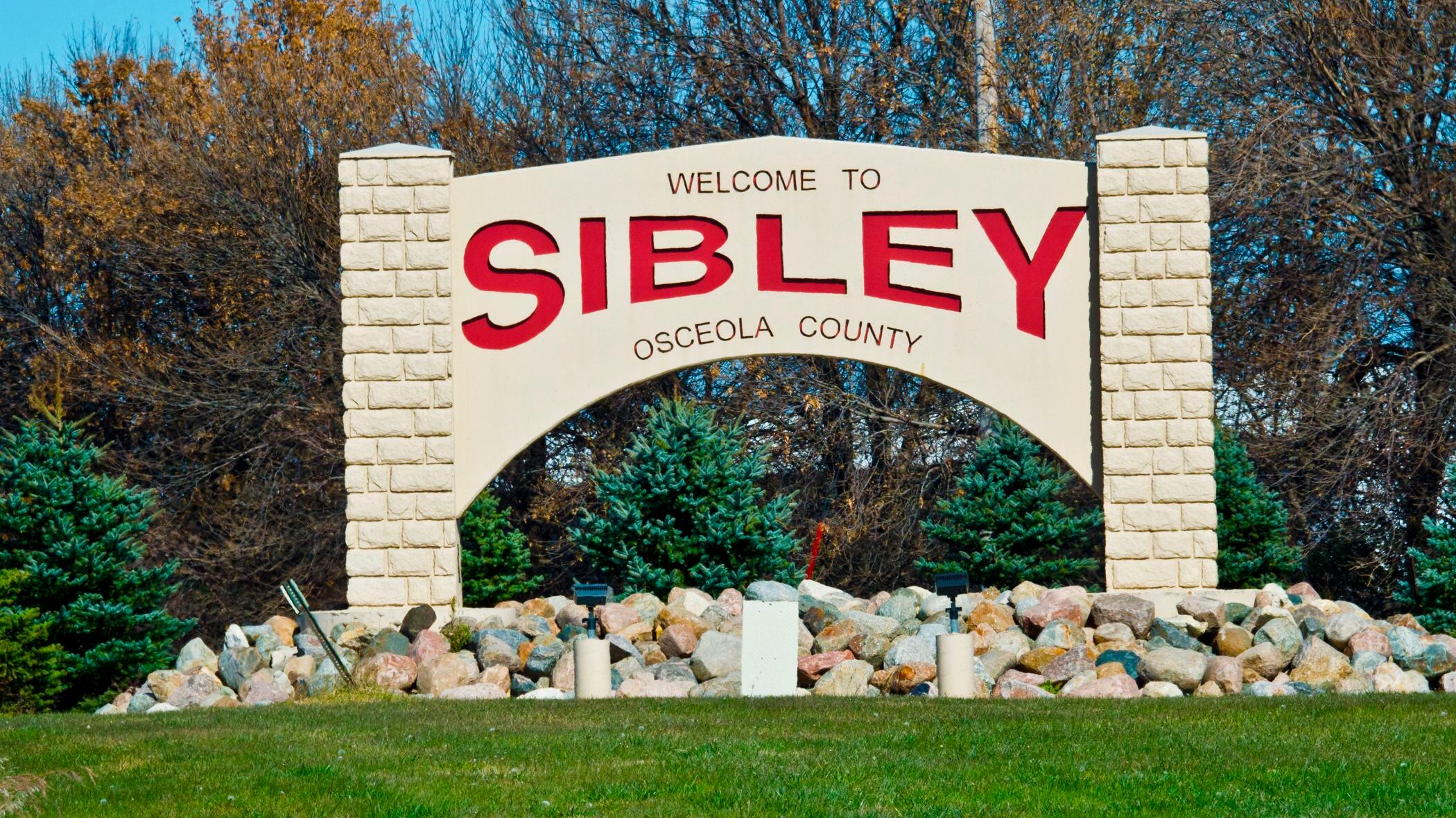
About 47 cars derailed Sunday afternoon near Sibley, including several cars that were carrying hazardous materials. The resulting fire created a thick plume of black smoke but no injuries were reported.
Sibley is a town of about 3,000 people roughly 200 miles (322 kilometers) northwest of Des Moines. The west end of the town was evacuated after the derailment.
Union Pacific spokeswoman Robynn Tysver said the railroad's hazardous materials experts worked with first responders through the night to contain the blaze.
Tysver said several cars involved in the derailment were carrying hydrochloric acid, potassium hydroxide and asphalt. An empty tank car on the train had been carrying liquid ammonia nitrate.
The railroad said the cause of the derailment remains under investigation, but witnesses reported that a bridge had collapsed underneath the train.
Robin Eggink told the Des Moines Register that she and her husband noticed the train slowing down followed by a big cloud of smoke as they were eating at a Pizza Hut outside of Sibley on Sunday. The family drove near the site of the smoke and saw the train split in two on both sides of a bridge that had collapsed before firefighters ordered them out of the area, Eggink said.
WarnerMedia's streaming service, which launched on Wednesday with 10,000 hours of content for $15 a month, now exists in a world no analyst could have predicted.
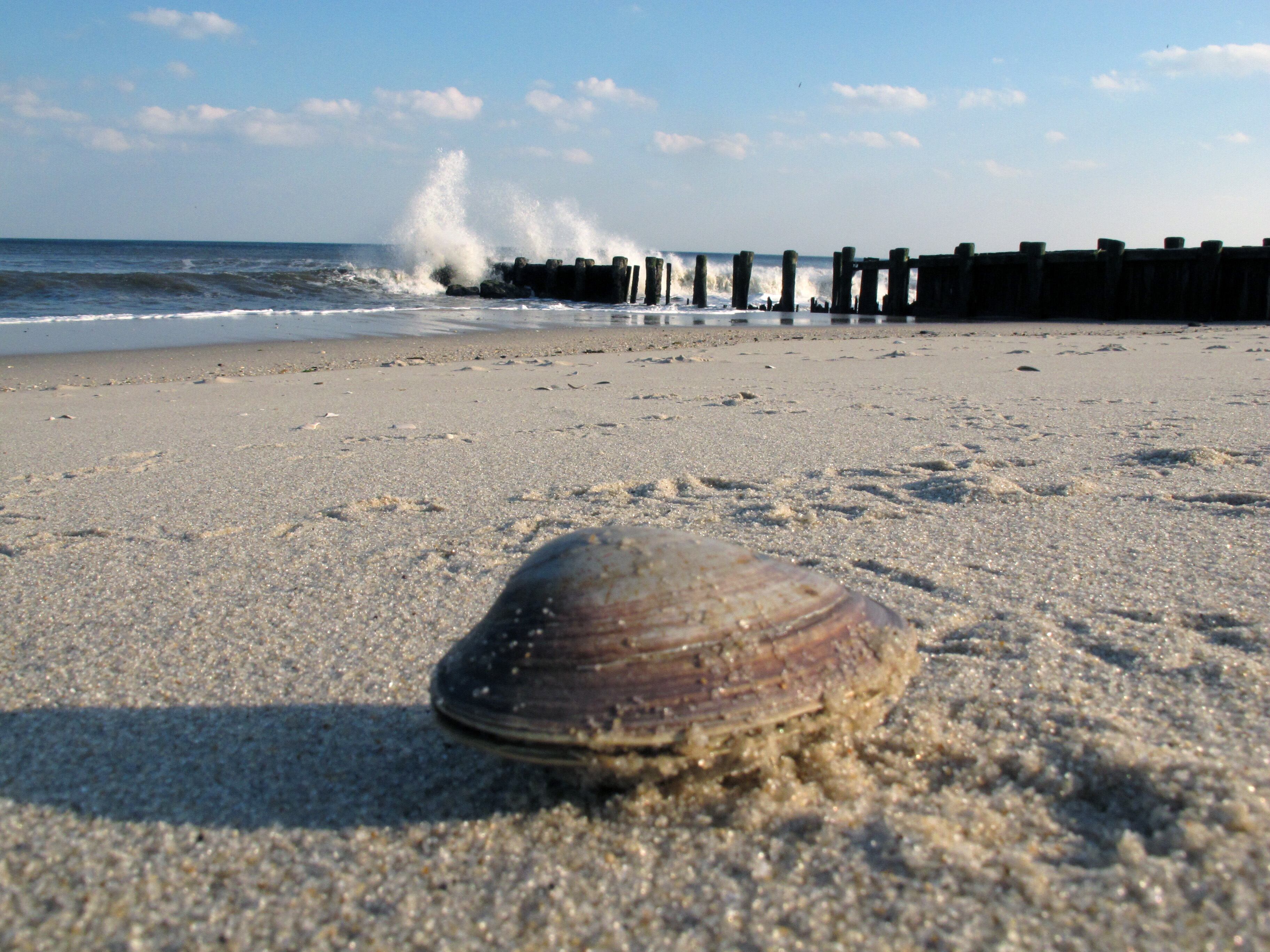
Cheddar's Michelle Castillo breaks down Pt. Pleasant's reopening plan. Beach-goers will have access to the beach beginning 5/29.
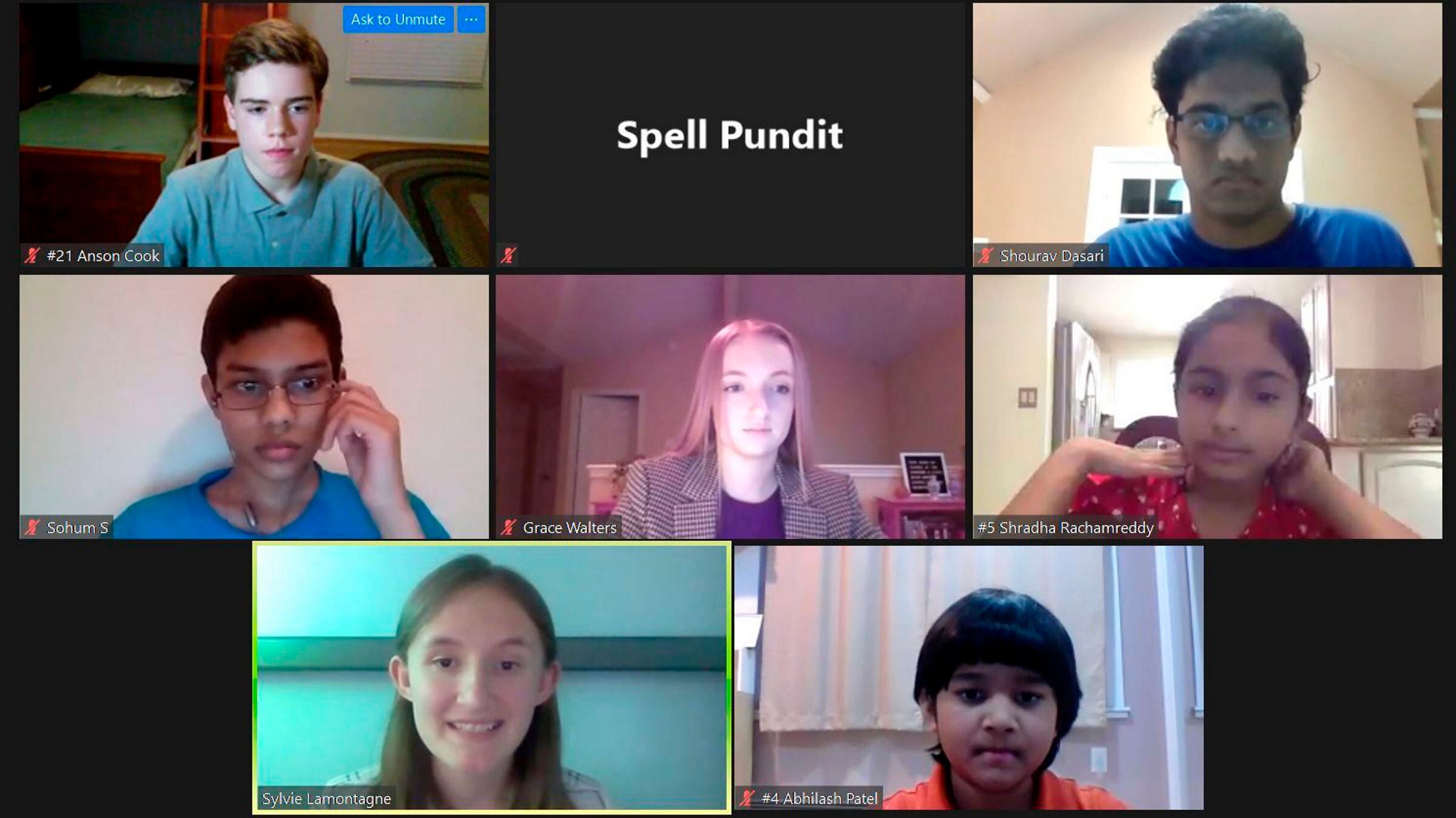
With the Scripps National Spelling Bee canceled, many top spellers who would have been on the bee stage this week are instead competing online. The SpellPundit National Online Spelling Bee was launched by two teenage ex-spellers to fill the void left by Scripps' decision.
Wheel of Fortune's Vanna White joins Lion Brand's Stitch Around The World efforts. The group looks to bring crafters around the world together.
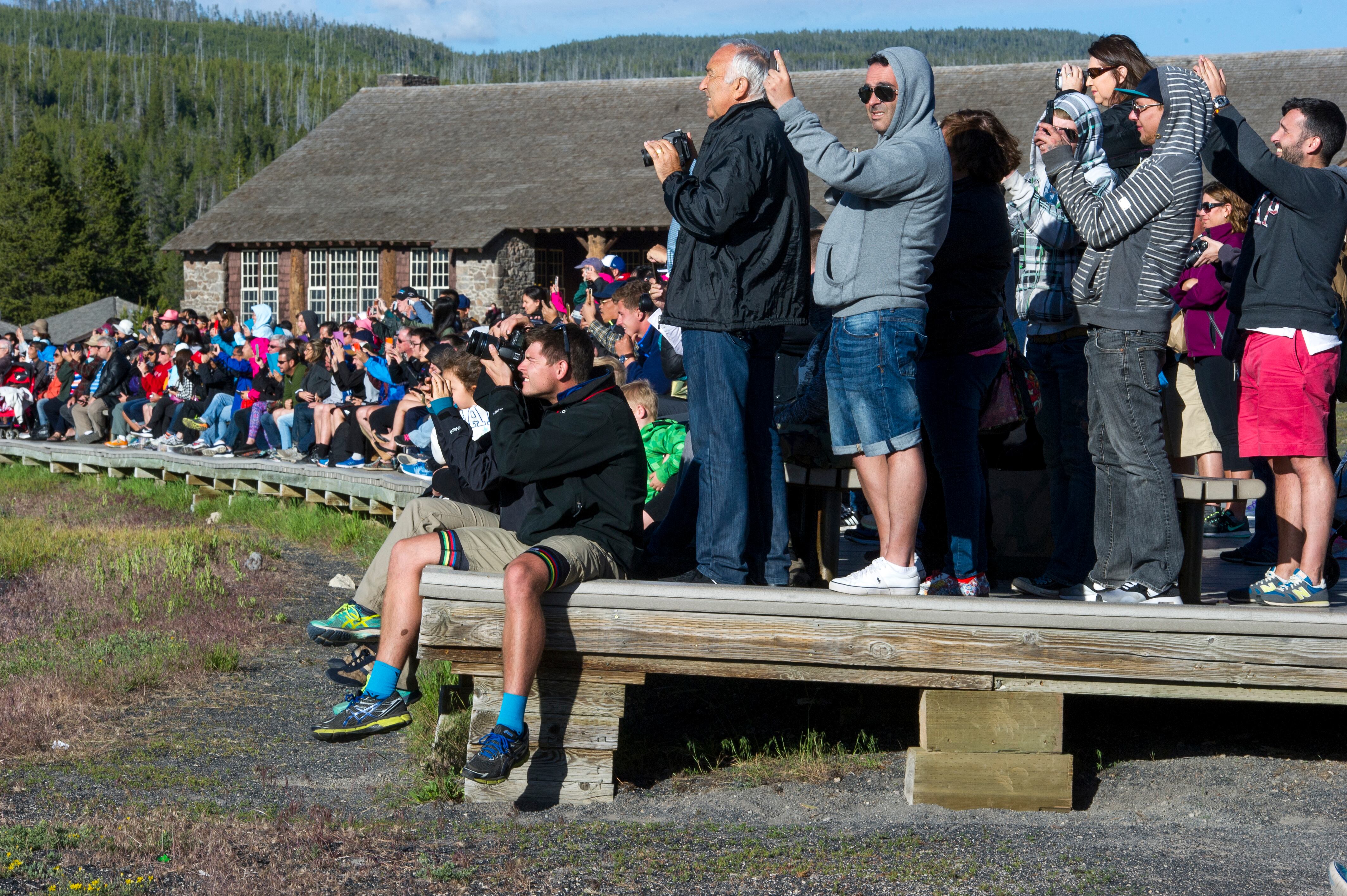
Visitation to National Park Service sites has seen a boom in recent years. For five years in a row, the park service has tallied over 300 million visitors per year. It’s an unprecedented spike, and the reason why this is happening now goes deeper than social media alone. While the threat of COVID-19 will likely change those numbers this year, the park service is still figuring out how to regain the balance between preservation and visitation. Cheddar explains the history of crowding in America’s national parks, and the impacts we are seeing from that today.
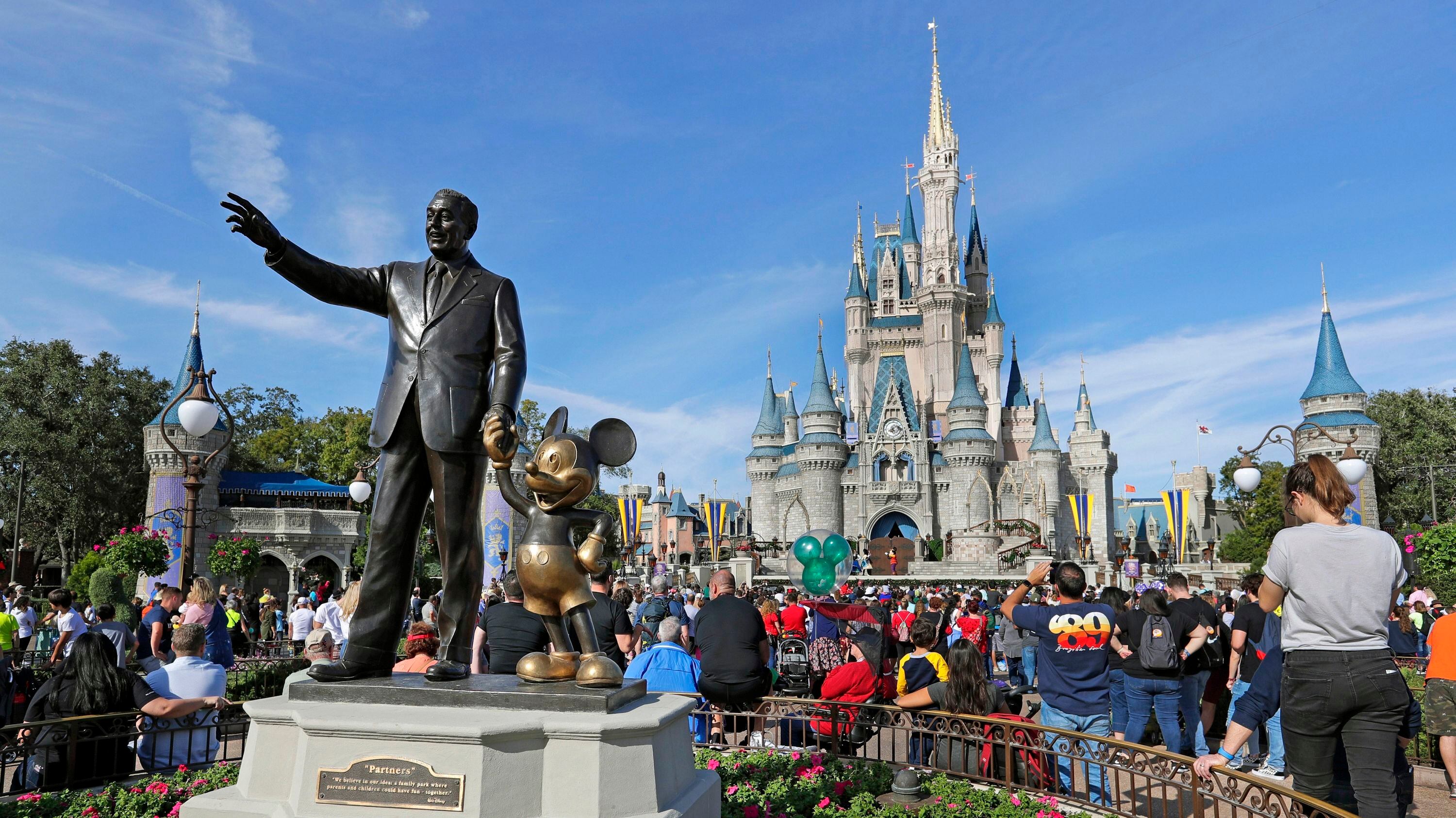
Officials from SeaWorld and Disney World say they hope to open their theme parks in Orlando, Florida, in June and July. A city task force approved the plans on Wednesday.
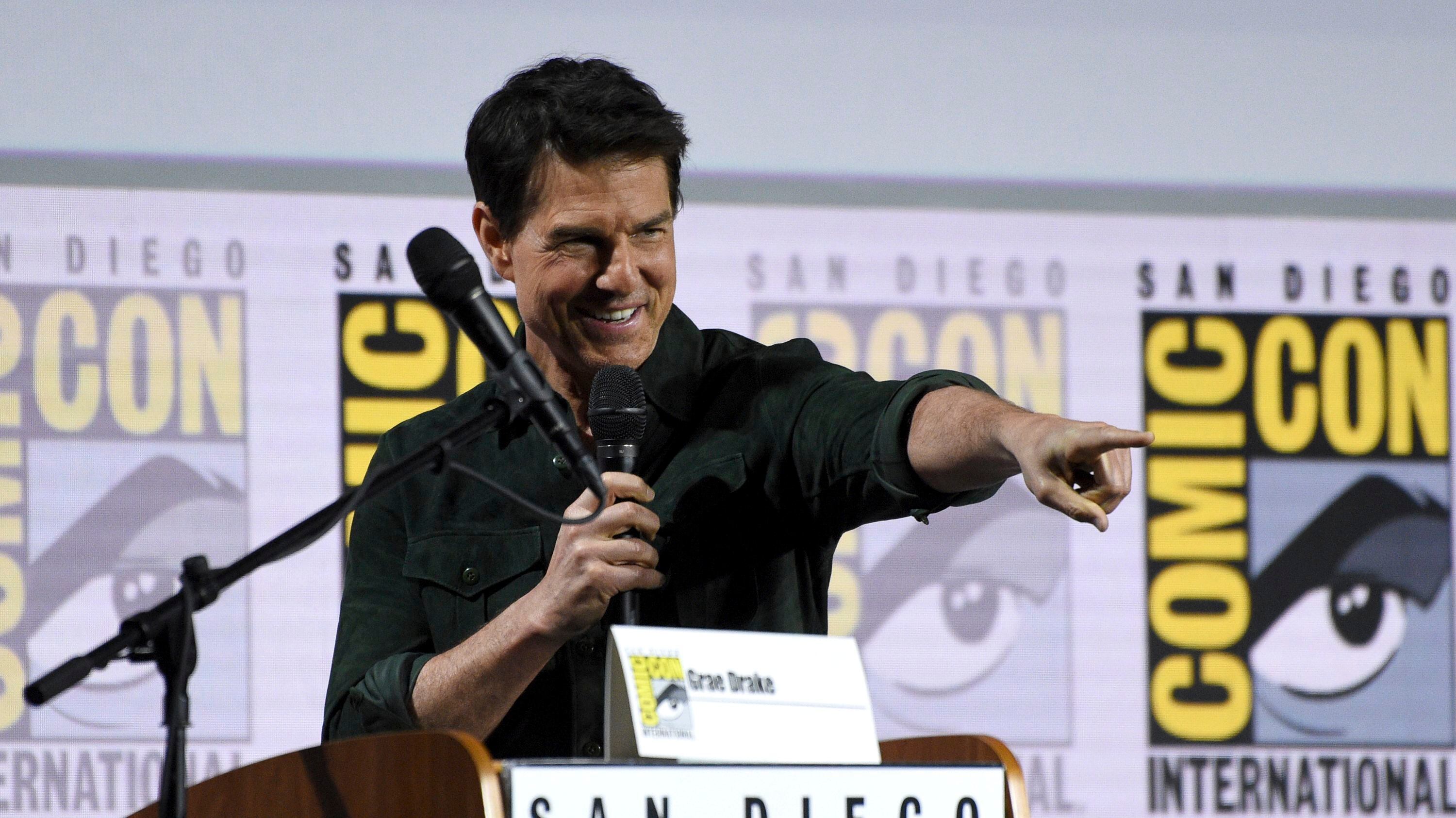
NASA is rolling out the International Space Station's red carpet for Tom Cruise.
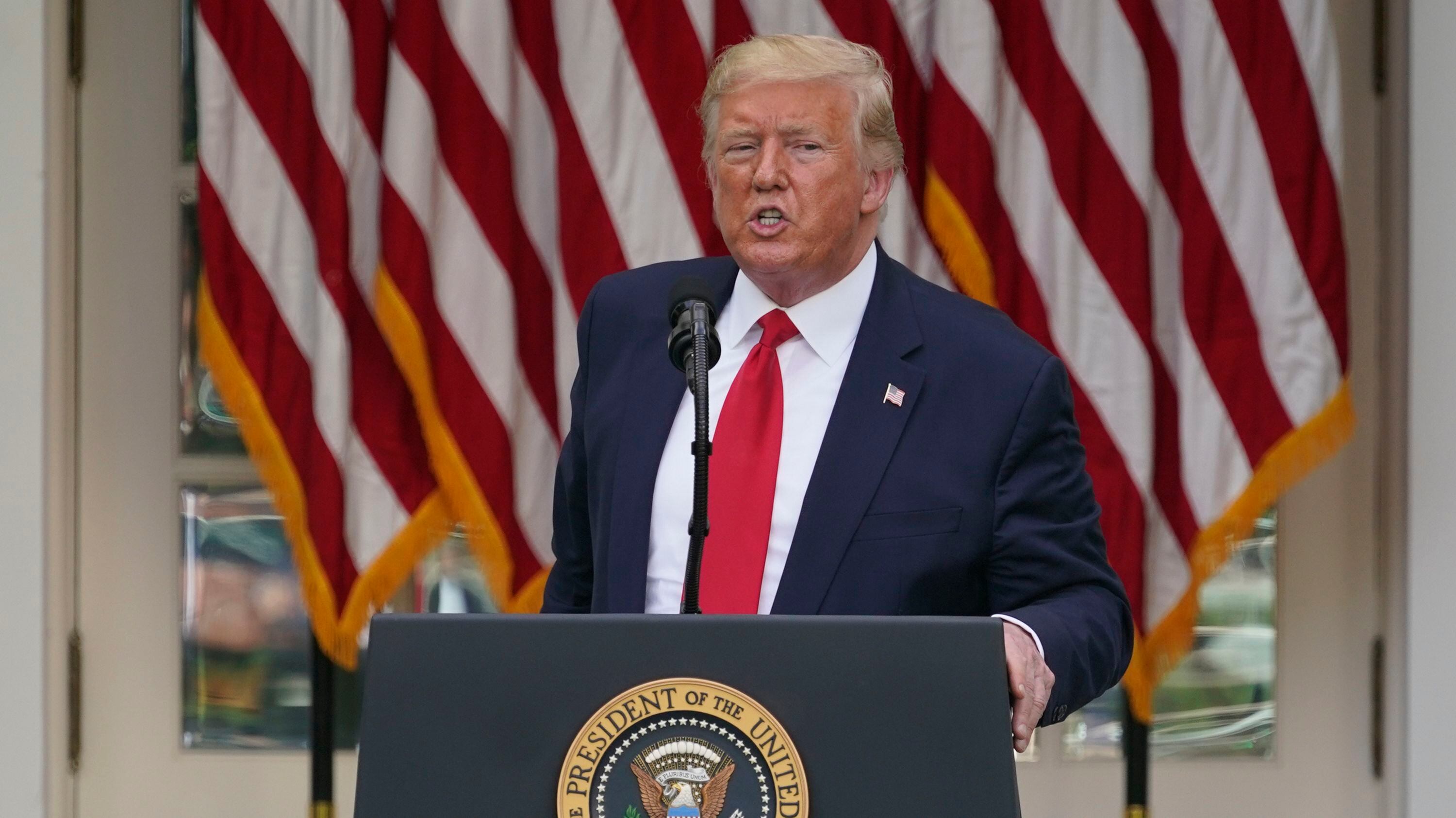
President Donald Trump is threatening social media companies with new regulation or even closure after Twitter added fact checks to two of his tweets.
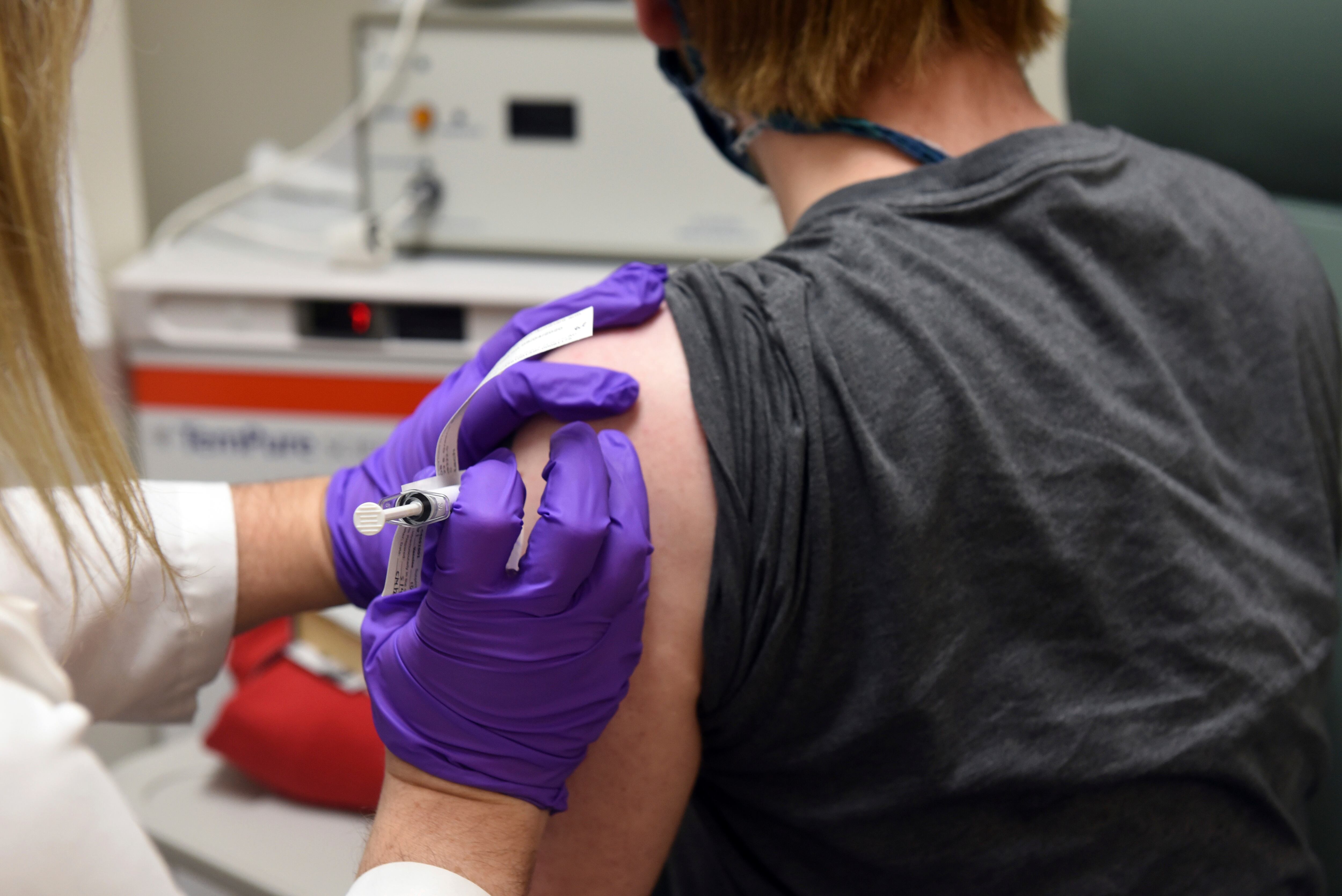
Only about half of Americans say they would get a COVID-19 vaccine if the scientists working furiously to create one succeed.
While much of the U.S. remains shuttered, state and local leaders in waterfront communities are beginning to allow beaches, boardwalks, and coastal businesses to open on a limited basis.