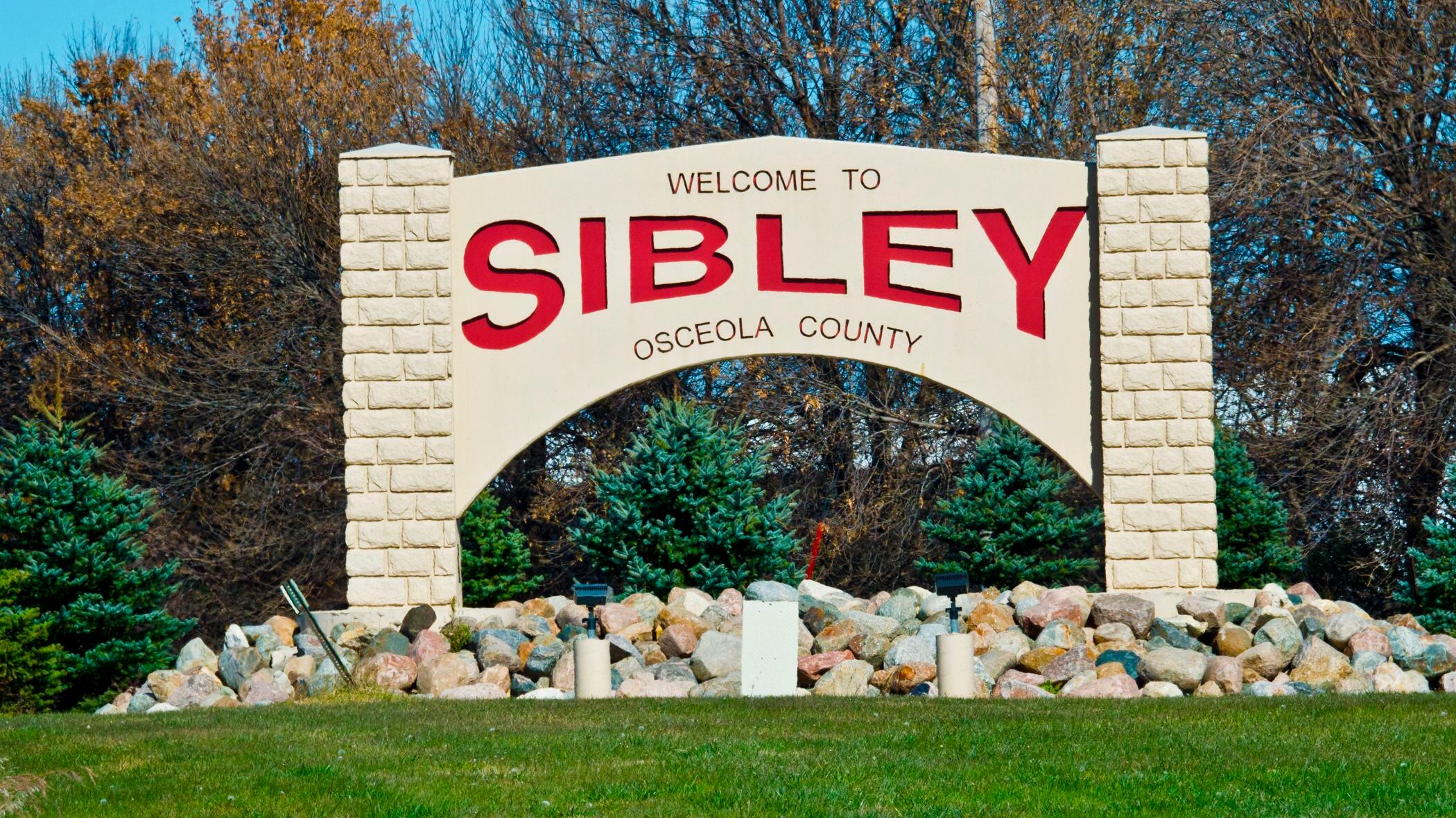
An evacuation order remained in place Monday for part of a northwest Iowa town as firefighters worked to extinguish a burning train after a weekend derailment.
About 47 cars derailed Sunday afternoon near Sibley, including several cars that were carrying hazardous materials. The resulting fire created a thick plume of black smoke but no injuries were reported.
Sibley is a town of about 3,000 people roughly 200 miles (322 kilometers) northwest of Des Moines. The west end of the town was evacuated after the derailment.
Union Pacific spokeswoman Robynn Tysver said the railroad's hazardous materials experts worked with first responders through the night to contain the blaze.
Tysver said several cars involved in the derailment were carrying hydrochloric acid, potassium hydroxide and asphalt. An empty tank car on the train had been carrying liquid ammonia nitrate.
The railroad said the cause of the derailment remains under investigation, but witnesses reported that a bridge had collapsed underneath the train.
Robin Eggink told the Des Moines Register that she and her husband noticed the train slowing down followed by a big cloud of smoke as they were eating at a Pizza Hut outside of Sibley on Sunday. The family drove near the site of the smoke and saw the train split in two on both sides of a bridge that had collapsed before firefighters ordered them out of the area, Eggink said.
The politicization of school reopenings by Trump has scared off teachers who before were "overwhelmingly" in support of heading back in the fall, Randi Weingarten told Cheddar.
The former first lady will host The Michelle Obama Podcast from Obama's Higher Ground production company, Spotify announced Thursday.
With caseloads continuing to rise, more school districts say they can’t safely bring students back in person, and will begin the school year online. Houston and San Francisco are the latest cities to say they’ll start virtually.
Travelers from 22 states are now being told to quarantine or face a heavy fine if they come to New York, as the Tri-State area worries about getting caught in a second wave of infections brought on by outsiders.
Arizona, Texas, and Florida are together reporting about 25,000 new coronavirus cases as new restrictions aimed at combating the spread of the pandemic take hold in the United States and around the world.
The Trump administration has rescinded a rule that would have required international students to transfer schools or leave the country if their colleges hold classes entirely online this fall because of the coronavirus pandemic.
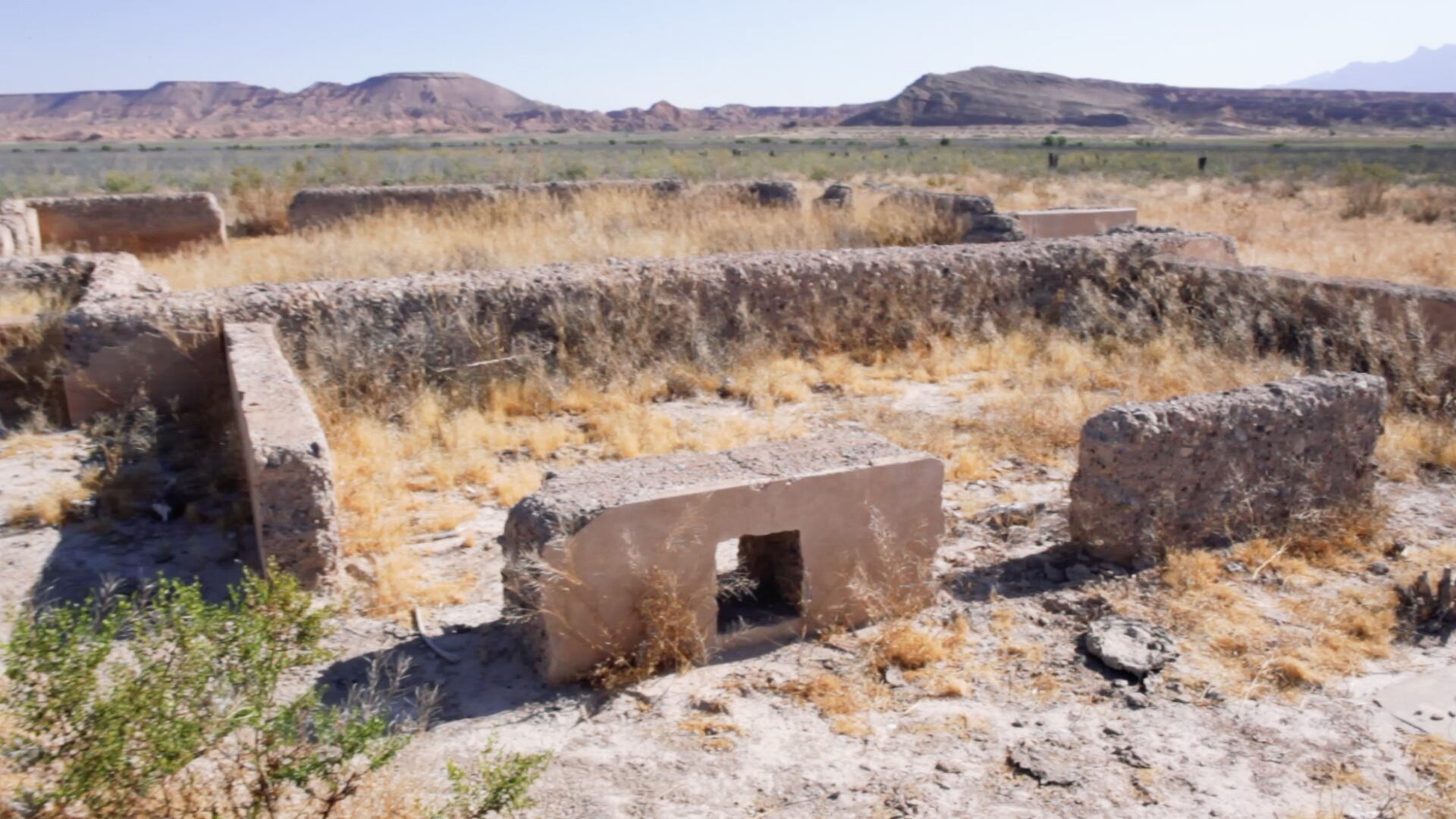
Millions of people thrive in the American West’s deserts today, but not every is thriving. You’ve probably heard of droughts and wildfires in California, of groundwater drying up in Arizona, and of entire communities, like those on the Navajo Nation, that have been left without running water. The region is finally coming to terms with decades of infrastructure projects, coupled with using more water than nature can provide, as the threat of climate change moves in. Cheddar explains why the American West is running out of water.
Burger King has rebalanced the diet of some of the cows by adding lemon grass in a bid to limit bovine contributions to climate change.
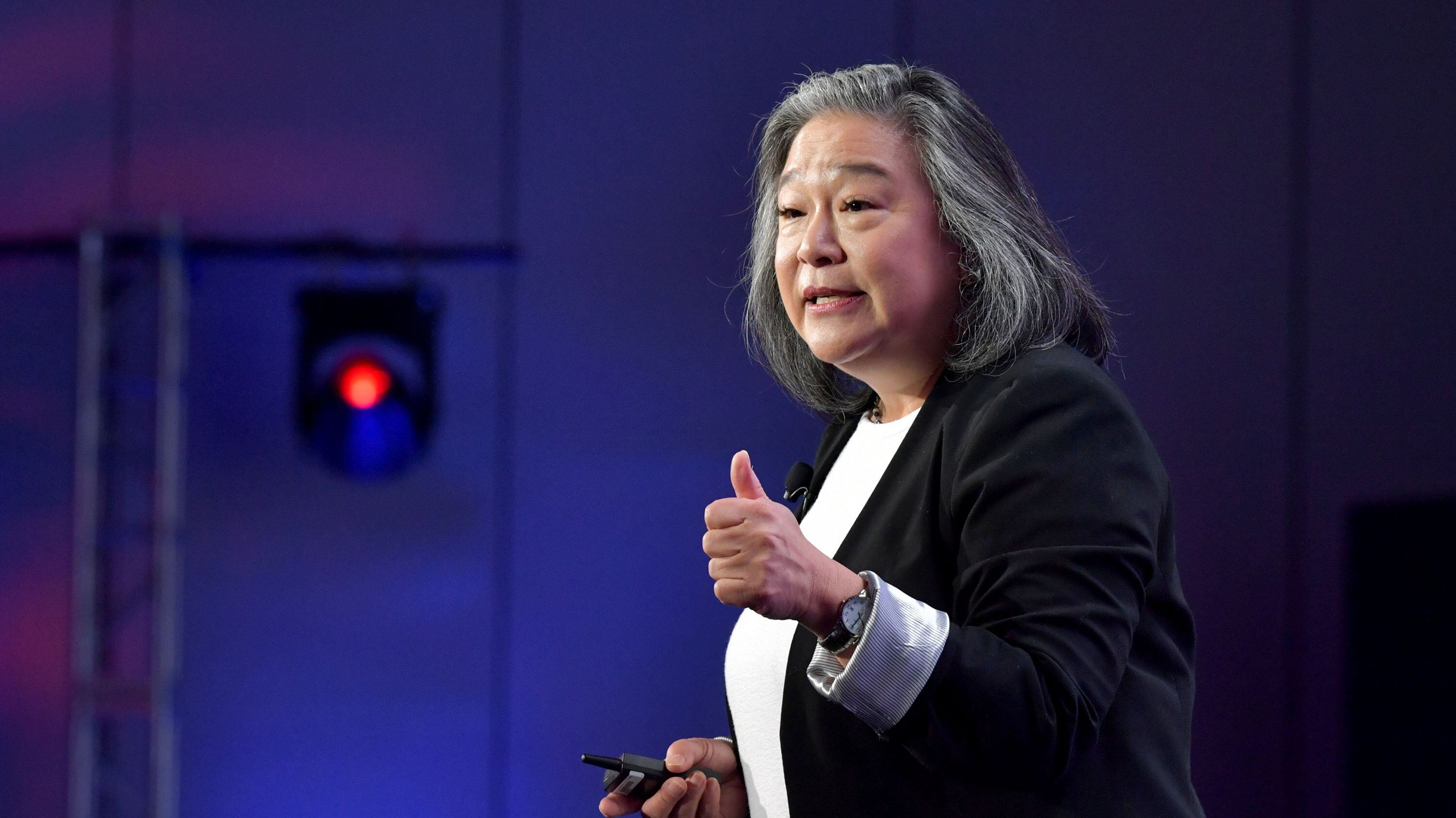
Tina Tchen, president and CEO of Time's Up, provides insight into how companies can go about addressing inequities in the workplace.
California is rolling back its re-opening: by order of the governor, most indoor places where people gather will be forced to close as the state’s coronavirus caseload rises.